

Carbon Fiber Fishing Rod Benefits Power Without Extra Weight
Does a carbon fiber fishing rod really deliver more power without extra weight?
The carbon fiber fishing rod delivers higher sensitivity, faster recovery, and stronger lifting power at a lighter weight than older materials. By reducing mass while increasing stiffness, it helps anglers cast farther, detect subtle bites sooner, and minimize heavy fishing rod fatigue during long freshwater or saltwater sessions.
Carbon Fiber Fishing Rod Benefits: Power Without Extra Weight
A carbon fiber fishing rod changes how anglers experience control, strength, and comfort on the water. Instead of fighting wrist strain and slow response, modern rod construction delivers crisp feedback and reliable power in a lighter form. Understanding why this matters can help you choose gear that performs better and feels better, cast after cast.
⏱ 7 min read
Explore how advanced rod materials support comfort, balance, and performance.
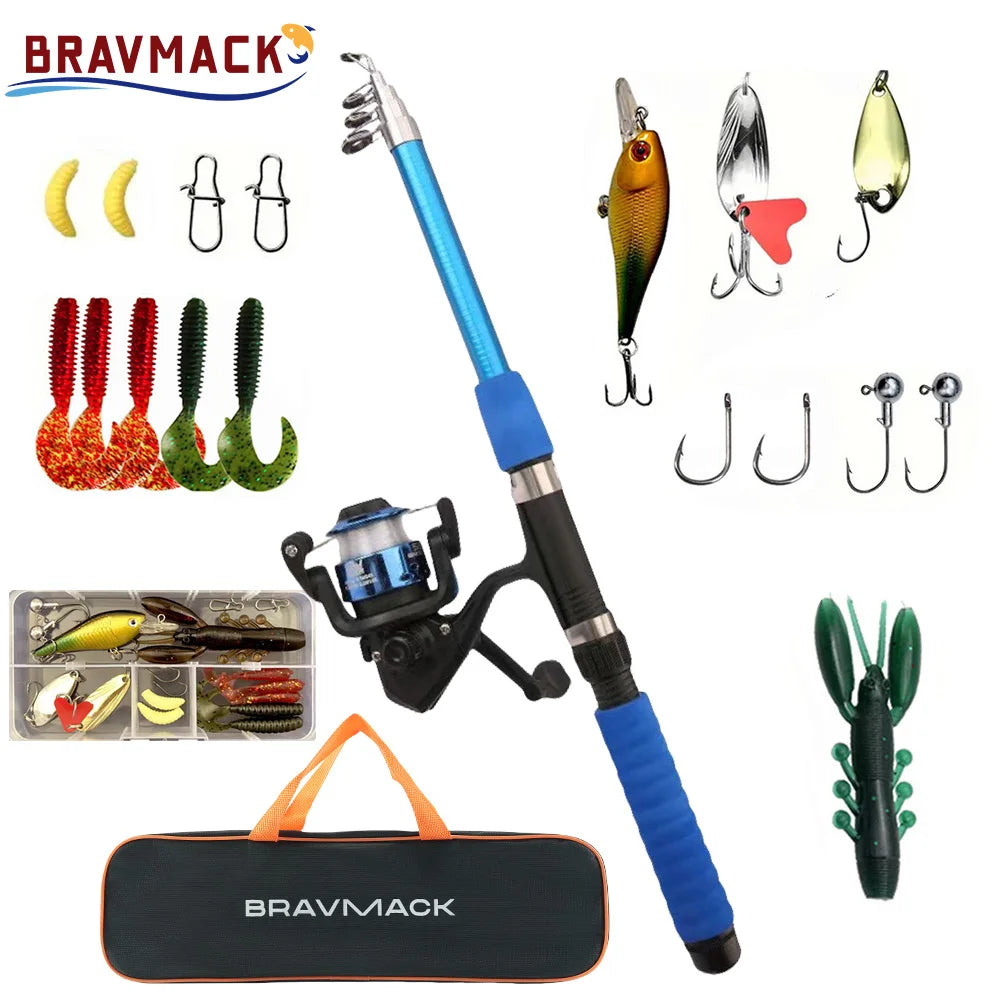
Carbon fiber fishing rod design improves balance and reduces heavy fishing rod fatigue — 💡 See it in action
Why Rod Weight Matters More Than You Think
Rod weight affects more than comfort. Every extra ounce increases strain on your wrist, forearm, and shoulder. Over hours of casting, even small differences compound into fatigue, slower reactions, and less accurate presentations.
Anglers often accept soreness as normal. In reality, a lightweight strong fishing rod can change endurance, posture, and focus throughout the day.
What Is a Carbon Fiber Fishing Rod?
A carbon fiber fishing rod uses tightly layered carbon strands bonded with resin to form a blank that is both stiff and light. This structure resists bending under load while transmitting vibration efficiently.
Direct answer: A carbon fiber fishing rod offers high stiffness-to-weight efficiency, meaning it can handle strong fish while staying lighter than traditional materials. This balance improves casting accuracy, bite detection, and comfort without sacrificing strength.
- High modulus fibers for responsiveness
- Thin wall construction for reduced weight
- Fast recovery after casting
- Enhanced vibration transfer
Carbon Fiber vs Fiberglass Fishing Rod
The carbon fiber vs fiberglass fishing rod comparison often comes down to feel and fatigue. Fiberglass rods bend deeply and absorb shock, but they weigh more and respond slower.
| Feature | Carbon Fiber | Fiberglass |
|---|---|---|
| Weight | Very light | Heavier |
| Sensitivity | High | Low to moderate |
| Power Transfer | Fast, direct | Slower, dampened |
| Fatigue Over Time | Reduced | Increases quickly |
For anglers comparing options, carbon fiber typically supports longer sessions with better feedback, while fiberglass favors durability and forgiveness.
How Carbon Fiber Delivers Power Without Bulk
Direct answer: Carbon fiber achieves power through stiffness rather than mass. The fibers resist flex under load, so more of your motion transfers directly into lure speed and hook-driving force, without requiring extra material that adds weight.
This efficiency means:
- Longer casts with less effort
- Stronger hooksets using smaller motions
- Better control when fighting fish
- Less strain during repetitive casting
The result feels immediate. Instead of waiting for the rod to recover, the blank snaps back quickly, ready for the next movement.
Understanding materials helps you fish longer with less effort.
Reducing Heavy Fishing Rod Fatigue on Long Days
Heavy fishing rod fatigue builds gradually. Early signs include wrist soreness, slower reaction time, and grip tension. By mid-day, accuracy drops and enjoyment fades.
A lightweight strong fishing rod reduces cumulative stress. Less mass means fewer micro-adjustments in your joints, supporting endurance and steadier form.
Many anglers pair lighter rods with wellness routines at home. Practices like stretching or tools from Massage & Relaxation collections can further support recovery after long outings.
Sensitivity, Control, and Faster Hooksets
Sensitivity defines how well you feel what’s happening underwater. Carbon fiber transmits vibration efficiently, making subtle taps, structure contact, and current changes easier to detect.
This matters most when:
- Fishing soft plastics or finesse rigs
- Working deep water
- Targeting light-biting species
- Fishing in wind or current
Faster detection leads to quicker hooksets and higher landing ratios.
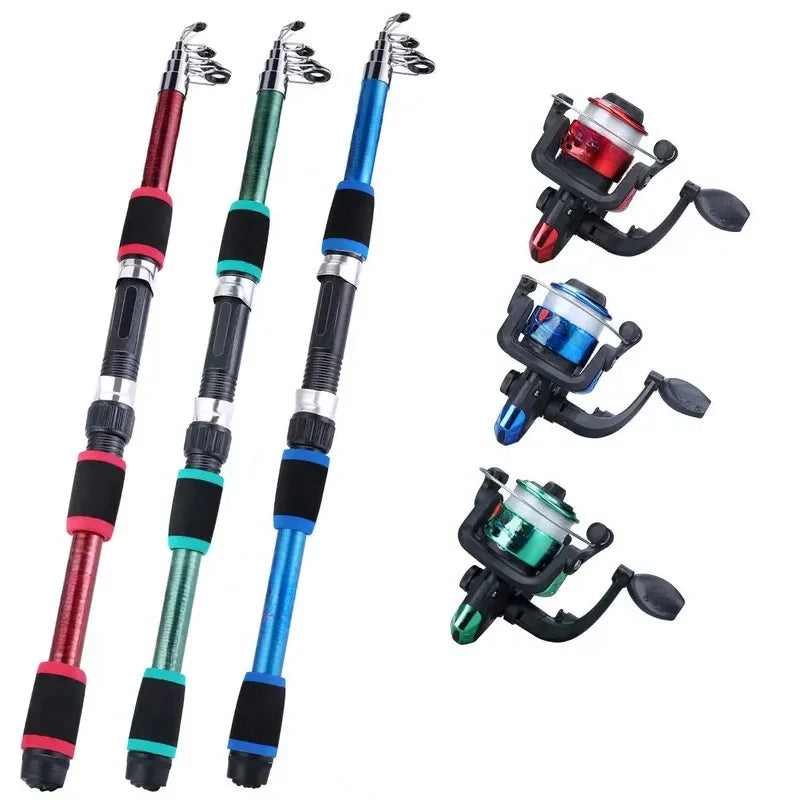
Carbon fiber vs fiberglass fishing rod sensitivity differences become clear on subtle bites — 💡 See it in action
Freshwater and Saltwater Performance
Modern carbon fiber fishing rods are engineered for both freshwater fishing gear needs and saltwater fishing rod demands. Resin systems and protective finishes help resist corrosion and moisture intrusion.
In freshwater, sensitivity shines for bass, walleye, and trout. In saltwater, stiffness supports quick hooksets on fast-moving species while keeping weight manageable.
Who Benefits Most From Carbon Fiber Rods
Carbon fiber rods suit anglers who value precision, endurance, and responsiveness. They are especially helpful for:
- All-day tournament fishing
- Anglers with wrist or elbow strain history
- Finesse and technique-focused styles
- Those upgrading from entry-level gear
Just as parents choose lighter daily tools from Beauty & Wellness collections to reduce strain, anglers benefit from equipment that supports comfort over time.
Durability, Care, and Long-Term Value
Carbon fiber blanks are strong but benefit from proper care. Avoid high-impact knocks, store rods vertically when possible, and rinse after saltwater use.
With reasonable care, a quality carbon fiber fishing rod maintains performance for years, delivering consistent feel and reduced fatigue season after season.
For anglers looking for an all-in-one setup, a balanced rod and reel pairing can simplify selection. Options like a fishing rod and reel combo help ensure matched performance and weight distribution.
Choose gear designed for strength, sensitivity, and all-day comfort.
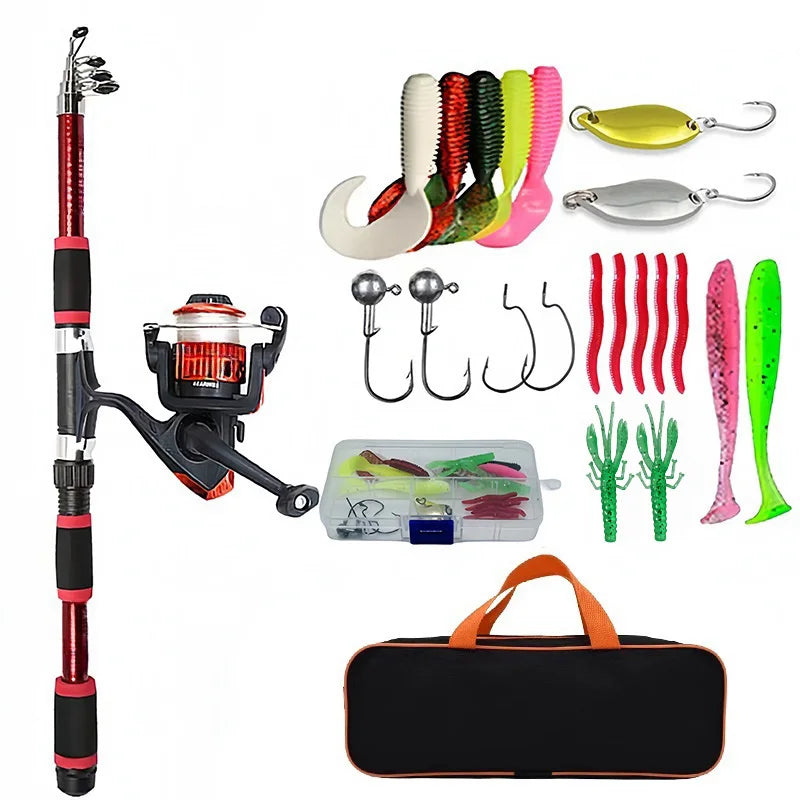
Lightweight strong fishing rod construction supports control and endurance — 💡 See it in action
Quick FAQs About Carbon Fiber Fishing Rods
Are carbon fiber rods too stiff for beginners?
Many modern designs balance stiffness with forgiving tapers. Beginners often appreciate the lighter weight and clearer feedback once they adjust to the faster response.
Do lighter rods sacrifice strength?
No. Carbon fiber’s strength comes from fiber orientation and resin bonding, allowing high load capacity without extra mass.
Is heavy fishing rod fatigue really that common?
Yes. Extended casting with heavier rods increases joint strain. Switching to lighter materials often improves endurance and enjoyment.
Can carbon fiber rods handle saltwater use?
When properly finished and maintained, they perform well in saltwater, offering strength and sensitivity with reduced weight.





