

Wooden Dollhouse Safety: What Every Parent Should Check
Are CE certified dollhouse toys really safer for kids?
CE certified dollhouse toys are generally safer because they are designed to meet established European toy safety requirements for chemical content, mechanical durability, labeling, and age suitability. While CE marking is one important indicator of compliance, parents should also look for recognized toy safety standards, quality construction, and age-appropriate designs to reduce everyday risks and encourage safer imaginative play.
CE Certified Dollhouse Toys: Why Safety Standards Matter
CE certified dollhouse toys offer more than attractive designs—they provide reassurance that the materials and construction have been evaluated against recognized safety requirements. Whether you're buying a child's first dollhouse or replacing an older playset, understanding toy safety certification helps you choose products that are built to withstand everyday play while minimizing potential hazards. This guide explains what CE certification means, why dollhouse safety standards matter, and what parents should check before purchasing.
⏱ 6 min read
Which toys truly belong in your child's playroom? Safety labels can be confusing, especially when different products display different certifications. Learning what those markings represent makes it easier to compare toys confidently and choose options designed for years of safe play.
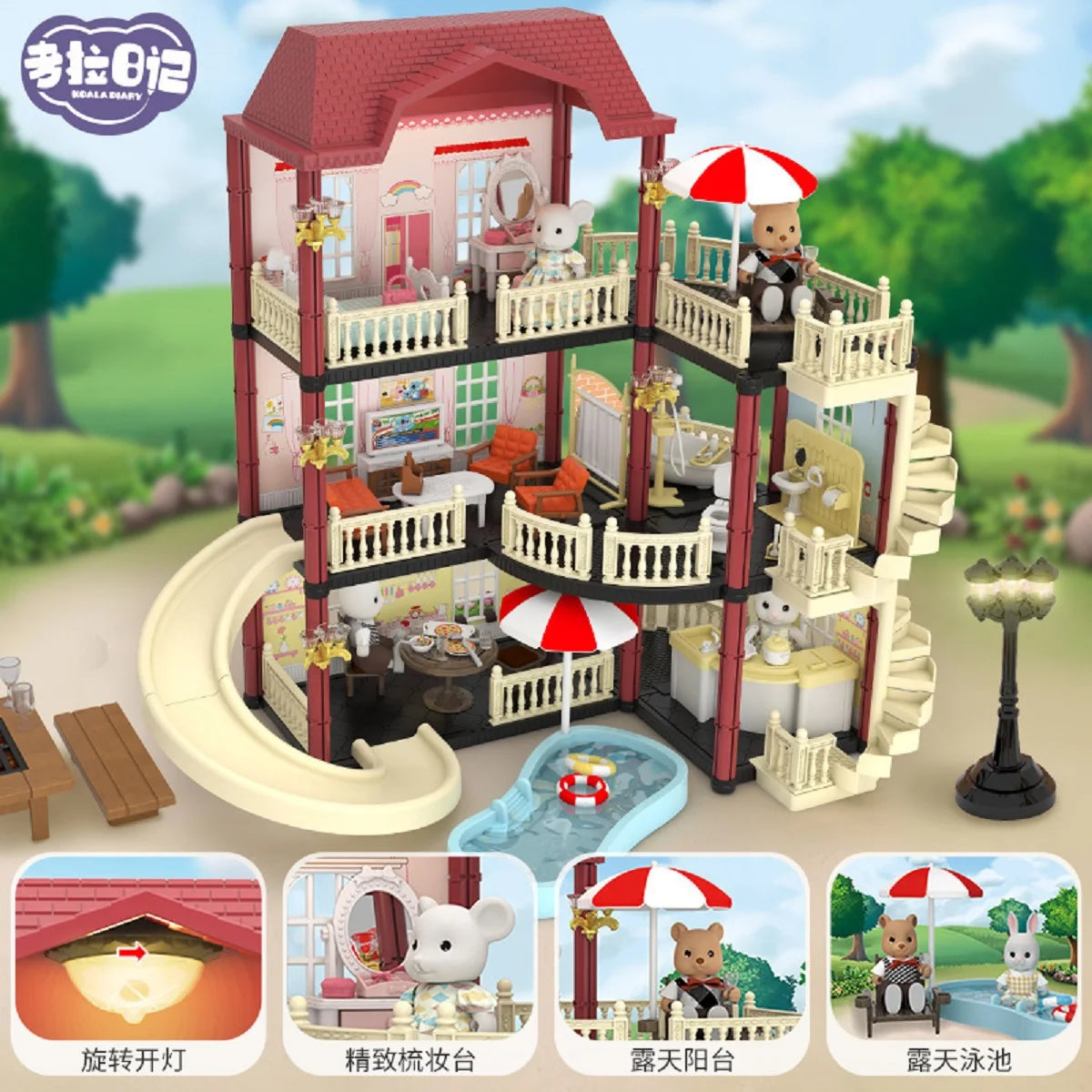
CE certified dollhouse toys built with safer materials and tested to recognized toy safety standards. See it in action.
Explore safer play options designed with children in mind.
Why Toy Safety Standards Matter
Children naturally explore through touching, carrying, assembling, and imaginative role play. Because dollhouses are handled frequently and often shared among siblings or classmates, strong dollhouse safety standards help reduce avoidable risks such as loose parts, unstable construction, and potentially harmful finishes.
Reliable toy safety certification verifies that products are evaluated against established requirements rather than relying solely on manufacturer claims. For families comparing CE certified educational toys and other children's products, understanding these standards helps separate well-tested options from products with limited safety documentation.
ASTM F963
ASTM F963 is a widely recognized toy safety standard used in the United States. It evaluates hazards such as sharp edges, small detachable parts, flammability, labeling requirements, and mechanical safety to help reduce injuries during normal play.
EN71
EN71 is the primary European toy safety standard and works alongside CE compliance. It covers mechanical performance, chemical safety, flammability, and migration limits for certain substances, helping manufacturers produce toys suitable for everyday use.
CPSIA and regional requirements
Depending on where a toy is sold, manufacturers may also comply with regulations such as the Consumer Product Safety Improvement Act (CPSIA) in the United States or other regional requirements. Products meeting multiple standards often demonstrate broader attention to child safety, quality control, and regulatory compliance.
- Limits potentially hazardous chemicals in paints and finishes.
- Requires testing for structural durability and small-part hazards.
- Improves labeling for recommended ages and safe use.
- Supports ongoing manufacturing quality and compliance checks.
Parents shopping across categories like Health & Safety or Baby Growth & Learning often find that products backed by recognized safety standards provide clearer information, more consistent quality, and greater confidence for everyday family use.
What CE Certification Really Means for Dollhouse Toys
CE certification indicates that a toy has been assessed against applicable European safety legislation before it is placed on the market. For dollhouse toys, this typically includes requirements related to chemical safety, mechanical strength, labeling, and age suitability. While the CE mark is an important indicator of regulatory compliance, parents should still purchase from reputable brands that provide clear product information and quality documentation.
Direct answer: CE certified dollhouse toys are evaluated for material safety, structural durability, and appropriate labeling to help reduce common hazards during normal play. Combined with responsible manufacturing and quality control, certification gives parents greater confidence that a toy has been designed with child safety in mind.
Key protections built into CE certification
- Restrictions on hazardous substances used in paints, coatings, and materials.
- Mechanical testing for small parts, joints, and structural durability.
- Clear age recommendations, warning labels, and usage instructions.
- Documented conformity with applicable European toy safety requirements.
It's also important to understand what certification does and does not guarantee. A CE mark does not mean a toy is indestructible or appropriate for every age group. Parents should continue supervising young children, follow the manufacturer's recommended age range, and inspect toys regularly for wear or damage.
This emphasis on product quality and child safety is why many families also choose carefully tested products from Sensory Toys and Sleep & Comfort collections.
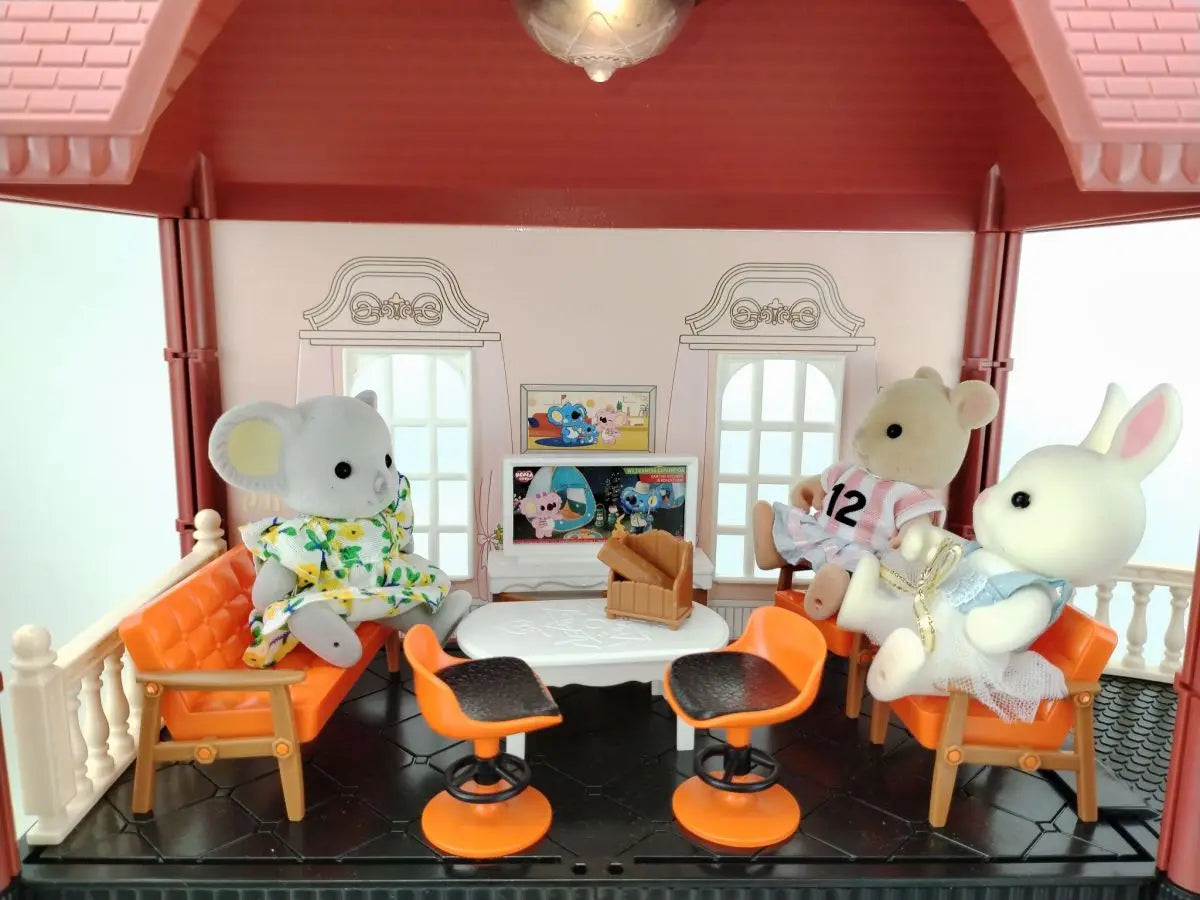
CE certified dollhouse toys designed for durability and everyday family use. See it in action.
CE Certified vs Non-Certified Dollhouse Toys
When comparing dollhouses, certification should be viewed as one part of an overall safety assessment. A CE mark indicates compliance with applicable European requirements, while the overall quality of the toy also depends on materials, manufacturing consistency, and responsible product design.
What certification does and does not guarantee
CE certified dollhouse toys have been evaluated against applicable safety requirements, but certification does not eliminate the need for adult supervision, routine inspections, or selecting toys that match a child's developmental stage. Parents should consider certification alongside construction quality, finish, durability, and clear manufacturer information.
| Feature | CE Certified Dollhouse Toys | Non-Certified Toys |
|---|---|---|
| Safety documentation | Clear regulatory compliance information | May be limited or unavailable |
| Material testing | Tested to applicable safety requirements | Testing standards may be unclear |
| Construction quality | Typically evaluated for durability and mechanical safety | Quality can vary significantly by manufacturer |
| Age labeling | Usually includes recommended age guidance and warnings | May provide incomplete safety information |
| Parent confidence | Greater transparency for informed purchasing | Requires additional research before purchase |
Regardless of certification, inspect every dollhouse before first use. Check for loose accessories, rough edges, damaged packaging, or missing hardware, and remove any broken parts immediately to help maintain a safe play environment.
Families often apply the same careful purchasing approach when comparing products in Mobility & Training and Smart Baby Gadgets , where quality, durability, and clear safety information are equally important.
How to Choose the Right CE Certified Dollhouse Toy
Selecting a safe dollhouse involves more than checking for a certification mark. The best choice combines verified compliance, quality materials, durable construction, and an age-appropriate design that matches how your child plays.
- Verify certification: Look for clear CE marking, manufacturer details, and complete product labeling.
- Inspect materials and finishes: Choose smooth surfaces, sturdy construction, and non-toxic paints or finishes whenever possible.
- Evaluate structural quality: Check that doors, stairs, balconies, and accessories are securely attached with no sharp edges or splinters.
- Match the recommended age: Avoid small detachable accessories for younger children who may still mouth toys.
- Consider long-term durability: A well-built dollhouse should withstand repeated assembly, imaginative play, and routine cleaning.
Parents juggling busy routines often appreciate products that combine safety, durability, and easy maintenance, just as they do when choosing essentials from Baby Hygiene Gadgets and Temperature Tools .
If you're comparing specific playsets, the Princess Castle Dollhouse is one example of a product that emphasizes child-friendly materials, sturdy construction, and clear age guidance. Regardless of brand, review the product specifications, inspect the toy after delivery, and periodically check for loose parts or signs of wear to help maintain safe play over time.
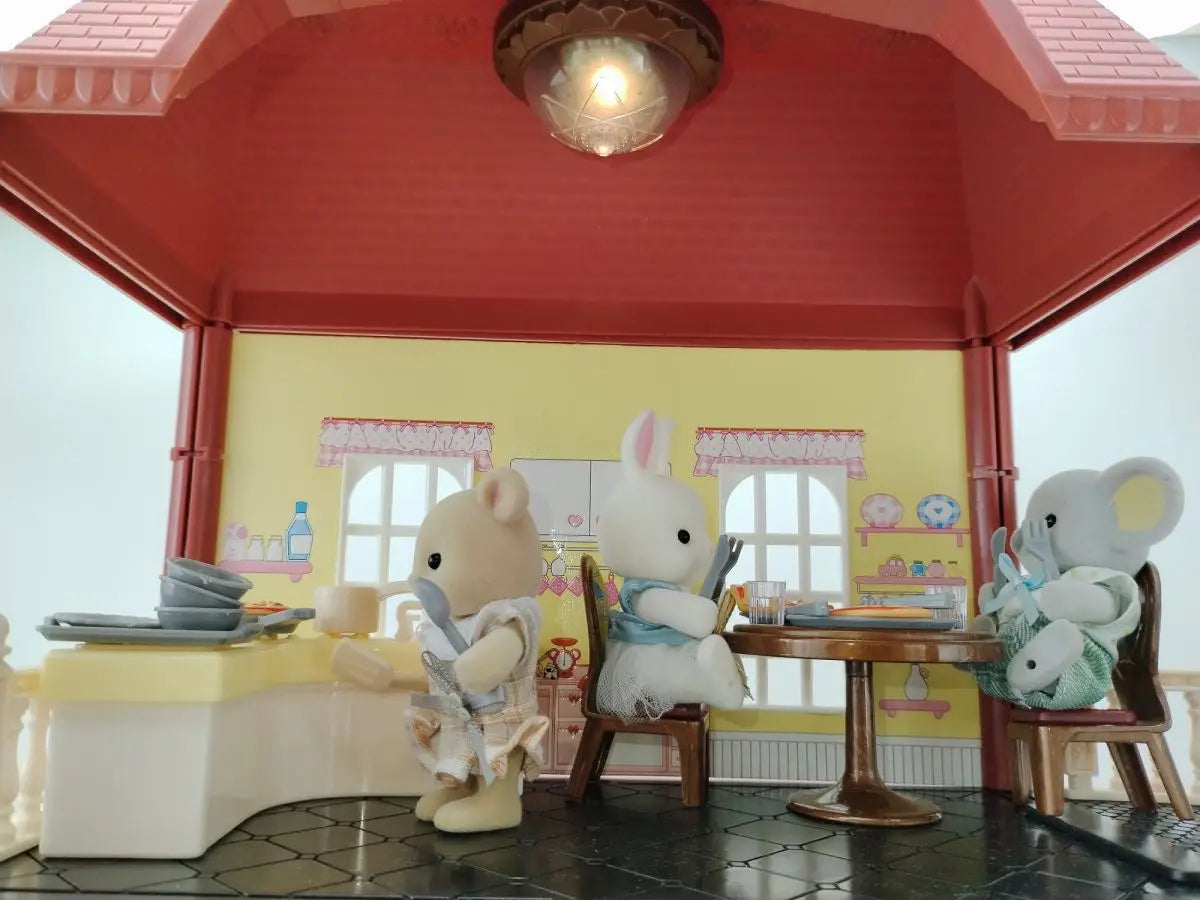
A thoughtfully designed dollhouse with durable construction and age-appropriate features encourages safer imaginative play. See it in action.
Age Recommendations and Common Safety Risks
Choosing a dollhouse that matches your child's developmental stage is just as important as selecting one with recognized safety certification. Age recommendations are based on factors such as small parts, construction, and the skills needed to play safely.
Toddlers under 3
- Avoid dollhouses with small detachable accessories that may present choking hazards.
- Choose rounded edges and sturdy one-piece components whenever possible.
- Always supervise play.
Preschool children
- Look for durable hinges, secure joints, and smooth painted surfaces.
- Check that doors and moving parts do not create pinch points.
- Select toys with clearly labeled recommended ages.
Older children
- More detailed accessories may be appropriate when children understand safe handling.
- Inspect frequently used playsets for loose parts or signs of wear.
- Replace damaged components promptly to maintain safe play.
How to Inspect a Wooden Dollhouse Before Buying
Pre-purchase safety checklist
- Confirm the toy displays appropriate CE certification and manufacturer information.
- Check that the dollhouse stands firmly without wobbling.
- Inspect corners, edges, and wooden surfaces for cracks, splinters, or rough finishes.
- Verify that paints and finishes appear smooth, durable, and free from peeling.
- Ensure screws, fasteners, and decorative accessories are securely attached.
- Review assembly instructions and safety warnings before purchase.
Frequently Asked Questions
How can I ensure the safety of dolls and dollhouses for my child?
Choose age-appropriate toys from reputable manufacturers, look for recognized safety certifications, inspect the toy before first use, and continue checking it regularly for loose parts, splinters, or damage.
Are CE certified dollhouse toys enough, or should I also look for ASTM F963 or EN71 compliance?
CE certification is an important indicator for products sold in Europe, while ASTM F963 and other regional standards provide additional reassurance in their respective markets. Compliance with multiple recognized standards demonstrates a strong commitment to toy safety.
Is solid wood safer than MDF for children's dollhouses?
Both materials can be safe when manufactured to recognized safety standards using child-safe finishes. The quality of construction, finishes, and testing is generally more important than the material alone.
How often should I inspect a wooden dollhouse for safety issues?
Inspect new toys before first use and check frequently used dollhouses every few weeks or immediately after rough play to identify loose hardware, damaged accessories, or worn finishes.
What paint and finishes are safest for wooden dollhouses?
Choose products that use non-toxic, child-safe finishes and comply with applicable toy safety requirements. Avoid toys with peeling paint, strong chemical odors, or visibly damaged coatings.
What does princess dress-up toy compliance mean when paired with dollhouse play?
When children use dress-up accessories alongside dollhouses, each product should independently meet applicable safety requirements, be suitable for the child's age, and remain in good condition through regular inspection.
Related Guide: Durable ABS Dollhouse Furniture Set Features That Last for Years





