

Safe Kids Tent Materials: What to Look For Before You Buy
What does a certified safe kids tent really guarantee?
A certified safe kids tent has been tested against specific safety requirements covering areas such as material safety, structural integrity, or flammability. However, no single certification guarantees that every aspect of a tent is risk-free. Understanding kids tent safety labels helps parents know exactly what has been evaluated and where additional checks are still important.
Certification should be viewed as evidence that a manufacturer has met defined testing criteria—not as a promise that a product is indestructible or suitable for every child or environment. Safe use also depends on proper assembly, age-appropriate supervision, routine inspection, and following the manufacturer's instructions.
It's also helpful to distinguish safety from durability. A tent may use child-safe materials yet wear out quickly under heavy use, while a sturdy tent isn't automatically free from harmful chemicals. The safest choice combines verified materials, thoughtful construction, and long-lasting quality.
Certified Safe Kids Tent: What the Safety Labels Really Mean
⏱ 6 min read
A certified safe kids tent sounds reassuring, but what do those labels actually promise when your child crawls inside to play, read, or relax? Parents often compare dozens of indoor play tents without realizing that certifications evaluate different aspects of product safety. Learning how to interpret these labels makes it easier to choose a child-safe play tent built with safe materials, dependable construction, and transparent testing.
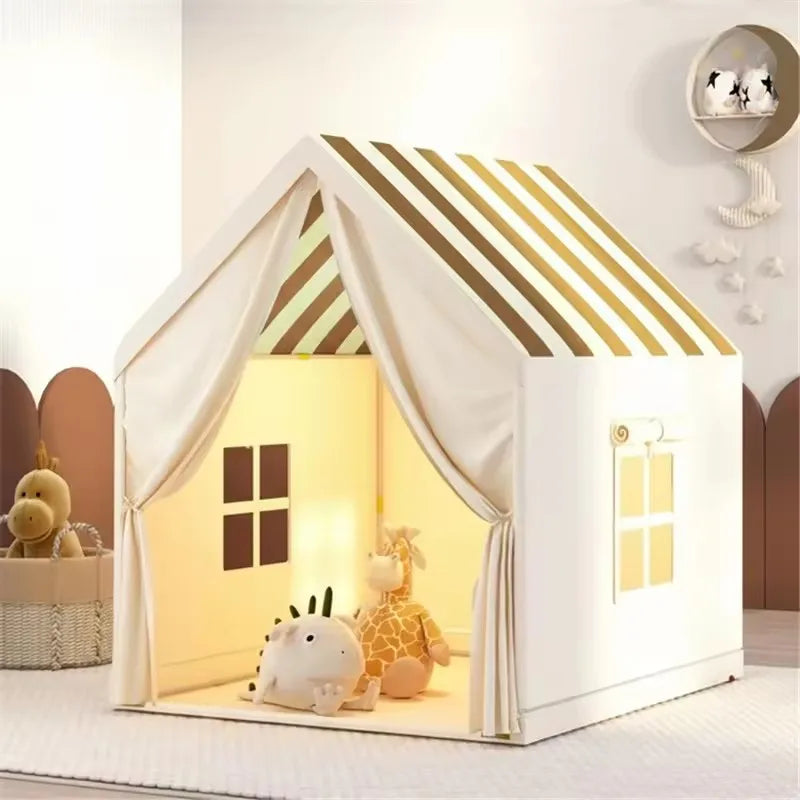
Certified safe kids tent for everyday indoor play — See it in action
Why Safety Labels Matter for Indoor Play
Children interact with indoor play tents in ways adults often don't expect. They crawl across the floor, lean on the frame, chew fabric edges, pull on doors, and sometimes spend extended periods reading or resting inside. Because of this close and repeated contact, both the materials and construction deserve careful attention.
Reliable child-safe play tent certifications improve consumer transparency by showing that certain risks have been independently evaluated. Depending on the certification, testing may include:
- Restricted chemical content in fabrics and coatings
- Mechanical strength of poles and connectors
- Sharp edge and small-parts hazards
- Basic flammability performance
- Product labeling and compliance documentation
While certifications don't eliminate every possible risk, they help parents compare indoor play tents using objective standards rather than marketing claims alone.
Common Safety Certifications Explained
A certified safe kids tent may display several safety labels because different organizations evaluate different aspects of product quality. Looking for multiple complementary certifications generally provides more confidence than relying on a single logo.
OEKO-TEX and GOTS
For fabric-based products, textile certifications are among the most valuable indicators.
- OEKO-TEX Standard 100 tests textiles for a wide range of harmful substances and limits chemical residues that may come into contact with children's skin.
- GOTS (Global Organic Textile Standard) applies to certified organic fibers while also evaluating processing methods and restrictions on many hazardous chemicals.
These certifications primarily focus on textile safety and do not evaluate the entire tent's structural performance.
CPSIA and Consumer Safety Requirements
Products intended for children may also comply with consumer product safety regulations that address issues such as lead content, phthalates, labeling requirements, and mechanical hazards. Depending on the market where the tent is sold, manufacturers may provide compliance documentation or testing reports.
Parents should also verify that certifications are genuine by checking manufacturer documentation instead of relying solely on product images.
Flammability and Mechanical Safety
Flammability testing evaluates how fabrics respond to ignition sources, while mechanical testing examines frame durability, connector strength, pole retention, and resistance to normal play activities. Together, these evaluations help ensure that tents for indoor play perform more safely during everyday use.
What Materials Should a Safe Kids Tent Use?
Parents frequently ask, what materials should a safe kids tent use? The answer depends on balancing comfort, durability, breathability, and verified chemical safety.
Fabric Options
Quality tents commonly use cotton, cotton blends, polyester, or canvas.
- Cotton offers excellent breathability and a soft feel.
- Canvas provides added durability for years of play.
- Modern polyester can perform well when manufactured using child-safe standards and appropriate chemical restrictions.
The most important factor isn't simply whether a fabric is natural or synthetic—it's whether it has been tested for harmful substances.
Frame Materials
Frames are commonly made from wood, fiberglass, or reinforced plastic.
- Smooth wooden poles provide a sturdy appearance when properly finished.
- Fiberglass poles are lightweight and flexible but should remain fully enclosed.
- Quality plastic connectors should fit securely without creating pinch points or sharp edges.
Safe Dyes and Finishes
Low-emission dyes and finishes help reduce unnecessary chemical exposure inside the play area. Parents looking for a non-toxic kids tent should review product descriptions for information about dyes, coatings, and independent testing whenever available.
Chemicals to Avoid in Kids Tent Materials
Even attractive fabrics may contain finishes or additives that parents prefer to avoid. Reading product information carefully can help identify safer options.
Formaldehyde
Some textile finishing processes use formaldehyde-based treatments to reduce wrinkles or improve appearance. Many certified textile standards limit these residues to help reduce unnecessary exposure.
PFAS and Water-Repellent Coatings
PFAS chemicals are sometimes used to create stain-resistant or water-repellent surfaces. Because indoor play tents rarely require these treatments, many parents choose products that avoid unnecessary chemical coatings.
Phthalates and Heavy Metals
Plastic components, printed graphics, and colored dyes should comply with applicable restrictions on phthalates and heavy metals. Reputable manufacturers often provide testing information to support these claims.
Ventilation, Breathability and Indoor Air Quality
Good ventilation contributes to a more comfortable indoor play environment. Mesh windows, breathable fabrics, and adequate airflow help reduce heat buildup while making the tent feel more inviting during longer reading or quiet play sessions.
When a new tent has a noticeable odor after opening, allowing it to air out in a well-ventilated room before first use can help dissipate temporary manufacturing smells. Maintaining good indoor air quality also includes regular cleaning and avoiding unnecessary chemical sprays inside the tent.
Why Structure and Stability Matter in a Durable Play Tent
A durable play tent should remain stable during normal indoor activities. Children naturally lean against walls, crawl through entrances, and occasionally bump into the frame. Quality construction reduces the likelihood of unexpected collapse.
Repeated folding, transportation, cleaning, and assembly place stress on every component. Strong stitching, reinforced fabric seams, and secure connectors help extend the product's usable life.
Frame Safety Features
Look for features such as:
- Rounded frame components
- Securely enclosed pole ends
- Stable connector systems
- Balanced base design that resists tipping
- Well-secured fabric attachment points
These design details support both durability and everyday safety.
Certified vs Unverified Indoor Play Tents
| Feature | Certified Safe Kids Tent | Unverified Tent |
|---|---|---|
| Material Safety | Documented testing for child contact | Unknown material sourcing |
| Chemical Transparency | Certification or compliance documentation | Limited or unavailable information |
| Structural Stability | Mechanical testing of frame components | Basic assembly only |
| Flammability Information | Evaluated under applicable standards | No documented testing |
| Purchase Confidence | Greater transparency for parents | More uncertainty before buying |
How to Choose the Right Certified Safe Kids Tent
Finding the best tent involves looking beyond marketing language and reviewing the entire product.
Safety Checklist Before Buying
- Confirm which certifications the tent actually holds.
- Check what each certification covers.
- Review the materials used for both fabric and frame.
- Inspect stitching quality and connector strength.
- Choose a size appropriate for your child's age.
- Review cleaning instructions to maintain safe materials.
- Verify replacement parts are available if needed.
Parents creating cozy play corners often combine tents with sensory-friendly items. You can find supportive options in Sensory Toys or comfort-focused items from Sleep & Comfort.
Explore the product directly here: Kids Play Tent.
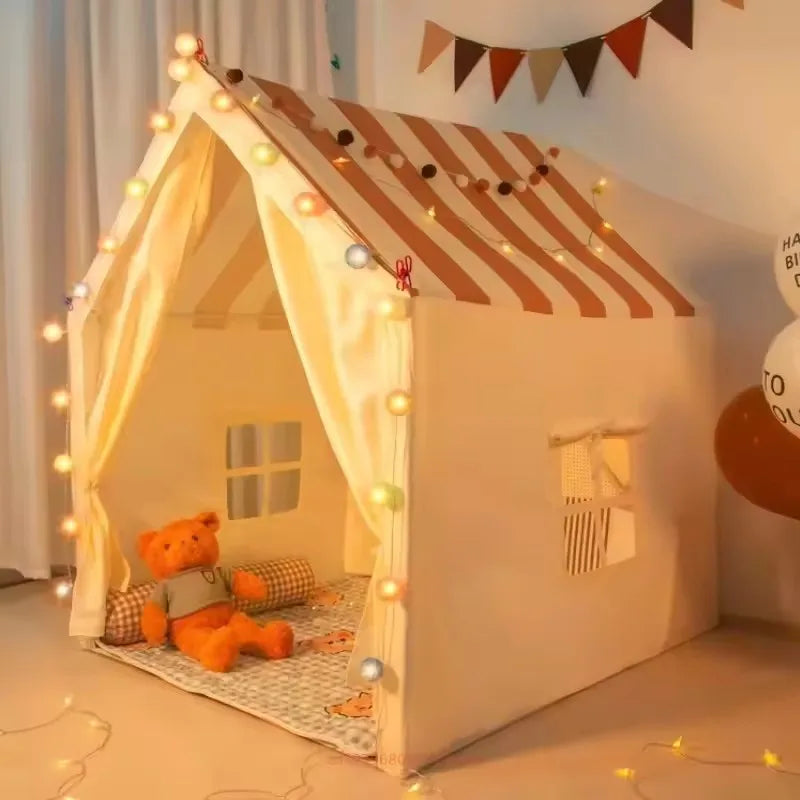
Certified safe kids tent for secure tents for indoor play — See it in action
Maintaining Material Safety Over Time
Even a well-made tent benefits from regular maintenance. Proper care helps preserve safe materials for kids tent use while extending the life of a durable play tent.
- Clean fabrics according to the manufacturer's instructions.
- Allow the tent to dry completely before storage.
- Inspect poles, connectors, and stitching every few months.
- Replace damaged parts rather than continuing to use compromised components.
- Store the tent in a dry location away from excessive heat or moisture.
Regular inspection is especially important after frequent assembly, transportation, or energetic play sessions.
Related Guide: Durable Play Tent Features That Last Through Years of Use





