

Are Play Kitchens Worth It? Benefits, Drawbacks & Buying Guide
Are Play Kitchens Worth It? A Practical Parent's Answer
For many families, play kitchens are absolutely worth it when children enjoy imaginative role play and have enough space to use them regularly. A well-designed wooden kitchen encourages pretend cooking, conversation, problem-solving, and independent play that can continue for years. However, the best choice depends on your budget, available space, and how often your child is likely to play.
Quick Verdict: When a Play Kitchen Is Worth Buying
A wooden play kitchen is usually a worthwhile investment if your child:
- Enjoys copying everyday activities like cooking and cleaning
- Is between roughly 2 and 6 years old, when pretend play is most active
- Frequently plays with siblings, friends, or caregivers
- Has enough room for a dedicated play area
When It May Not Be the Right Choice
A play kitchen may be less practical if space is extremely limited, your child rarely engages in pretend play, or you're looking for a toy that travels easily. In these situations, a smaller pretend food set or compact role-play station may provide similar fun without the larger footprint.
Cheap Wooden Toy Kitchens Reviewed: What You Gain or Lose
Cheap wooden toy kitchens can seem like a smart bargain, especially when children want to "cook" alongside parents. But the real question isn't simply how much they cost—it's whether they deliver enough durability, safety, and long-term play value to justify the purchase. This wooden toy kitchen review explores where affordable models perform well, where they fall short, and when spending more can actually save money over time.
⏱ 6 min read
Which play kitchen delivers the best balance of creativity, learning opportunities, durability, and value? Here's what parents should know before buying.
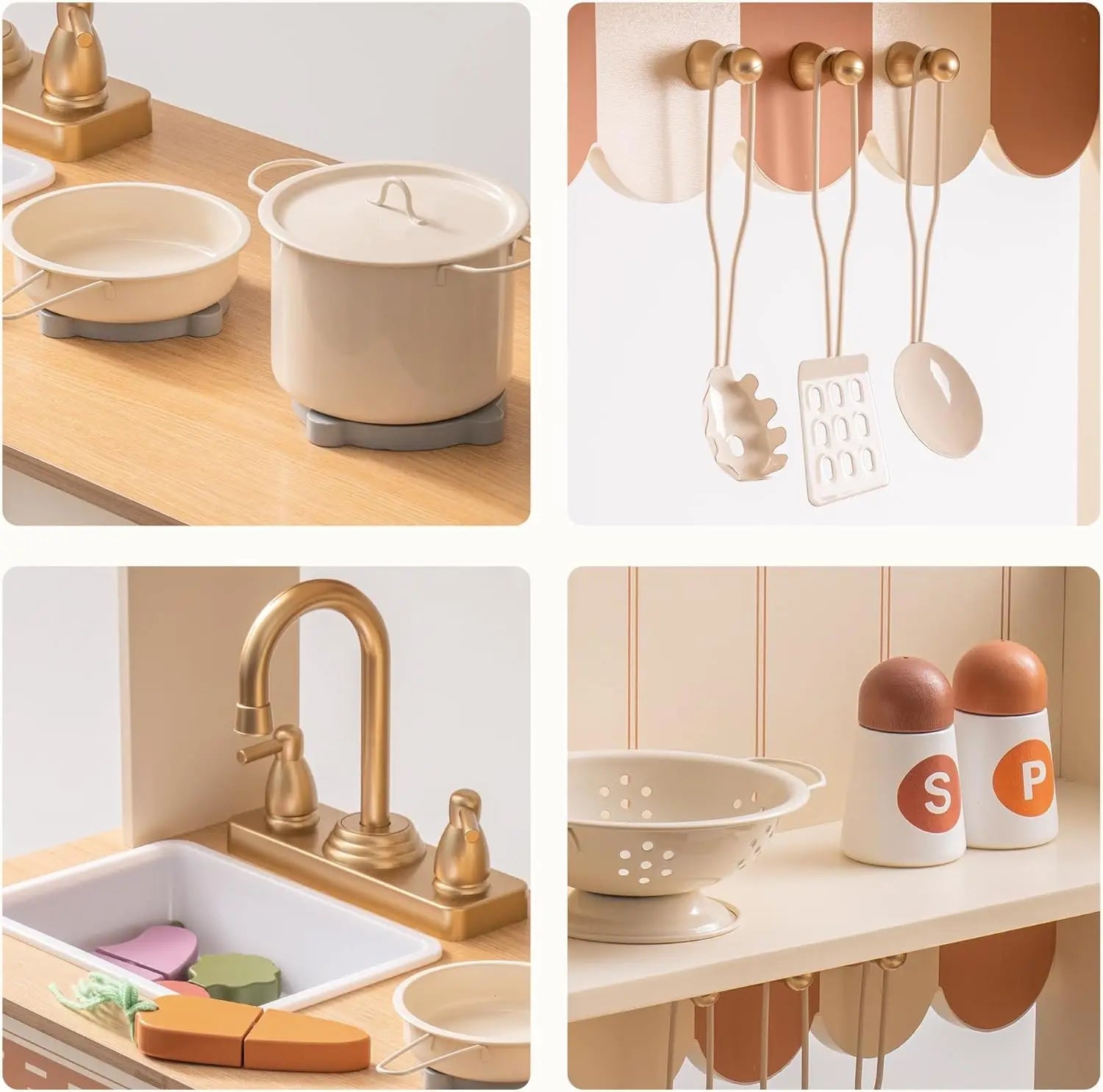
Cheap wooden toy kitchens vs wooden playset kitchen setups. See how different designs compare.
Curious how pretend play supports early learning? Explore ideas inside Baby Growth & Learning .
Benefits of Play Kitchens for Child Development
How Pretend Kitchen Play Builds Skills
Parents often ask, are play kitchens educational? While a toy kitchen isn't a classroom, pretend cooking naturally encourages children to practice important everyday skills through imaginative play.
- Expands vocabulary through conversations and storytelling
- Builds fine motor skills by opening doors, turning knobs, and organizing accessories
- Introduces early counting, sorting, and sequencing during pretend recipes
- Encourages independent decision-making during free play
Why Role Play Encourages Learning
Developmental experts generally recognize pretend play as an important part of early childhood. Preparing imaginary meals, serving family members, and running a pretend restaurant encourage communication, cooperation, creativity, and confidence without feeling like formal learning.
The Real Drawbacks of Buying a Play Kitchen
Space, Cleanup, and Storage Challenges
Even the best wooden kitchen playset requires room. Before purchasing, consider:
- The floor space needed for safe play
- Storage for pretend food and cooking accessories
- Whether multiple children will use it at once
- How easily it fits into your home's layout
Why Some Children Stop Playing With Them
Not every child uses a play kitchen for years. Interest often fades when:
- The kitchen has very few interactive features
- There are limited accessories to inspire new stories
- Adults rarely join pretend play
- The toy feels repetitive after the first few weeks
Higher-quality kitchens with storage, opening doors, movable parts, and realistic layouts tend to support more varied play over time.
Cheap Wooden Toy Kitchens vs Premium Play Kitchens
What You Gain From Affordable Wooden Play Kitchens
An affordable wooden play kitchen can still be a good choice for younger toddlers or families testing whether pretend cooking becomes a lasting interest. Budget models typically offer:
- Lower purchase price
- Compact designs for apartments and smaller bedrooms
- Simple assembly
- Enough features for basic imaginative play
What Cheaper Models May Compromise
Lower prices often come with trade-offs that become noticeable after months of regular use.
| Feature | Cheap Wooden Toy Kitchens | Premium Wooden Playset Kitchen |
|---|---|---|
| Materials | Thin MDF or mixed composite panels | Thicker wood construction with stronger hardware |
| Interactive Features | Basic printed details and simple knobs | Opening doors, storage, sink, shelves, movable parts |
| Durability | May loosen with heavy use | Designed for years of everyday play |
| Long-Term Value | Lower resale potential | Often suitable for siblings or hand-me-down use |
Modern Wooden Play Kitchen vs Vintage Kitchen Styles
Modern wooden play kitchens often include realistic appliances, neutral colors, and compact storage solutions, while vintage-inspired styles emphasize classic designs and decorative details. Both can provide excellent play experiences, so the choice comes down to available space, home décor, and the features your child enjoys most.
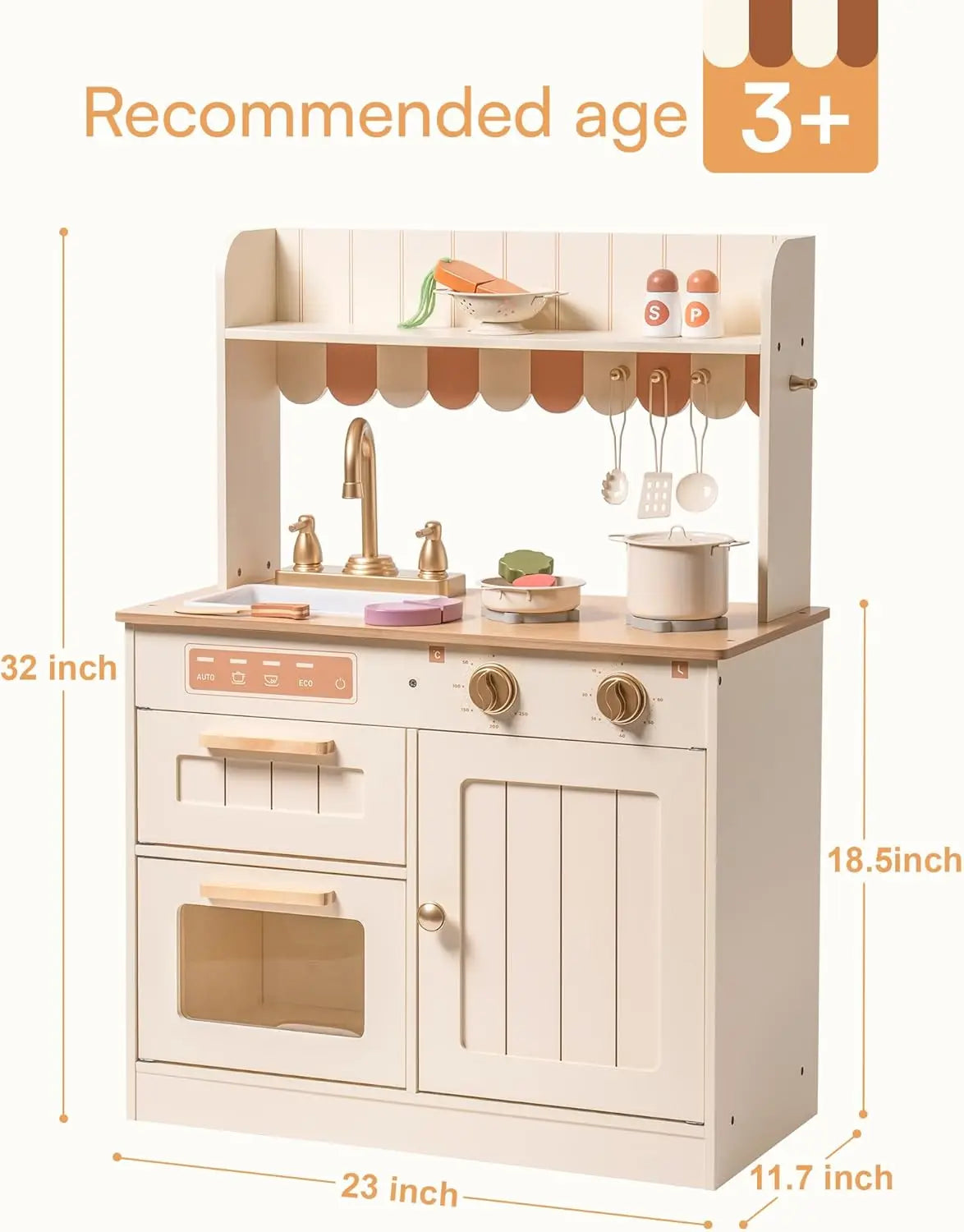
Comparing affordable wooden kitchens with premium wooden playset kitchens.
Want toys that grow with your child? Browse hands-on options in Sensory Toys .
How Long Do Children Actually Use Play Kitchens?
Age-by-Age Play Kitchen Interest
- 18-24 months: Simple imitation play begins.
- 2-4 years: Imaginative cooking and pretend family routines expand quickly.
- 4-6 years: Children often create restaurants, cafés, and cooperative role-play games.
- 6+ years: Interest varies depending on personality and other hobbies.
Signs Your Child Will Enjoy One
Your child may get years of enjoyment from a wooden playset kitchen if they frequently imitate adults, enjoy pretend shopping, like organizing toys, or naturally invent stories during independent play. Rotating accessories and introducing new pretend food can also help extend interest.
What Makes a Wooden Play Kitchen Worth the Money?
Features That Matter Most
Rather than focusing only on price, look for features that improve everyday play.
- Opening cabinets and oven doors
- Accessible storage shelves
- Comfortable height for your child's age
- Enough workspace for cooperative play
- Quality hardware that withstands frequent use
Safety and Durability Checklist
- Smooth rounded corners
- Non-toxic finishes
- Stable construction with minimal wobble
- Secure screws and hardware
- Clearly finished surfaces without splinters
These features improve both safety and the overall ownership experience. For additional family safety tips, visit Health & Safety .
Play Kitchen Alternatives for Families Unsure About Buying One
Smaller Pretend Play Options
If you're uncertain about purchasing a full kitchen, consider:
- Pretend food sets
- Toy cookware collections
- Cash register role-play toys
- Compact tabletop cooking stations
Lower-Cost Ways to Test Interest
Borrowing a play kitchen from family, purchasing a second-hand model, or starting with a small affordable wooden play kitchen can help determine whether your child enjoys pretend cooking before investing in a premium model.
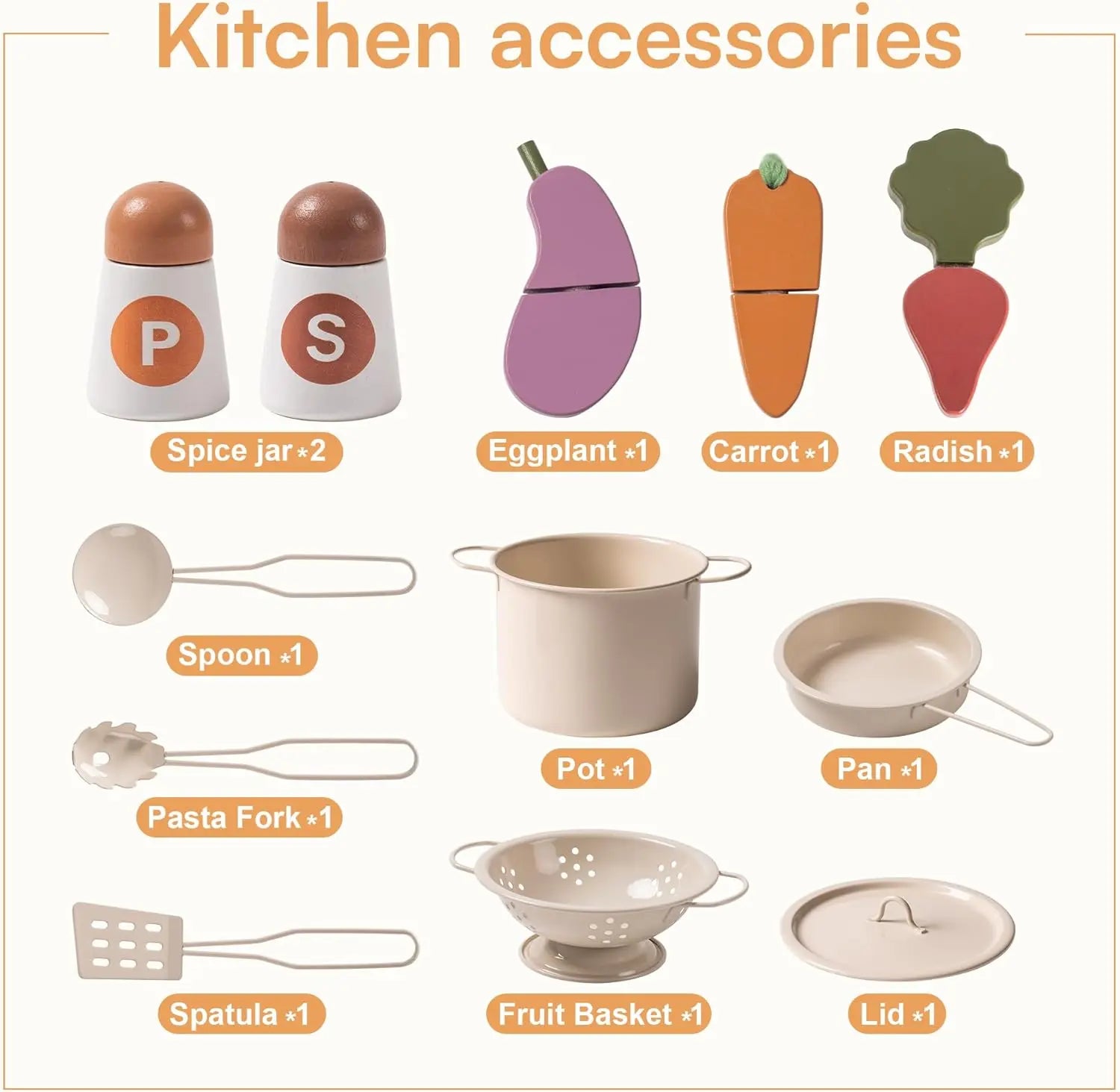
Affordable play kitchens compared with premium wooden kitchen playsets.
Ready for a kitchen that lasts through every pretend phase? Explore the wooden kids kitchen playset trusted by families.
Final Verdict: Are Play Kitchens Worth It?
For most families, the answer is yes—especially if your child enjoys imaginative role play and has room to use the kitchen regularly. Cheap wooden toy kitchens provide an affordable introduction to pretend play, but they often compromise on durability, stability, and long-term engagement. A well-built wooden playset kitchen typically costs more upfront but can deliver years of richer play, better construction, and greater value for growing families.
See why parents upgrade with confidence: Get yours now — limited stock!
Quick Parent FAQs
Are play kitchens educational?
Yes. Play kitchens support imaginative role play, communication, problem-solving, and social interaction. While they don't replace structured learning, they provide meaningful opportunities to practice everyday skills through play.
What age is best for a play kitchen?
Most children enjoy play kitchens from around 2 to 6 years old, although some begin earlier with supervision and others continue imaginative play beyond preschool.
How long do wooden play kitchens last?
A quality wooden play kitchen can remain in excellent condition for several years with normal family use. Premium models are often durable enough for siblings and hand-me-downs.
Are cheap wooden toy kitchens worth buying?
Yes, if you're shopping on a tight budget or want to introduce pretend play without a large investment. Just keep realistic expectations regarding durability, interactive features, and long-term value.
What features should parents look for in a wooden play kitchen?
Look for sturdy construction, non-toxic finishes, rounded edges, stable hardware, opening storage, and enough interactive features to keep pretend play engaging as your child grows.
Related Guide: Buy Wooden Kids Kitchen Reviews From Real Parent Experiences





