

Orthopedic Shoes With Arch Support Inserts for Kids Reviews
Orthopedic Shoes with Arch Support Inserts for Kids Reviews: Are They Worth It?
Are orthotic insoles effective for children? For many kids, children orthopedic shoe insoles can improve everyday comfort by adding cushioning, supporting foot alignment, and reducing strain during school, sports, and play. However, the right choice depends on your child’s foot shape, activity level, and whether they need general support or specialized orthopedic footwear.
After testing children orthopedic shoe insoles during daily activities, we found that supportive inserts work best for kids who experience foot fatigue, mild arch discomfort, or spend long hours on their feet. They are not a replacement for medical treatment when a child has a diagnosed foot condition, but quality arch support inserts can make regular shoes more comfortable.
Orthopedic shoes and removable arch support inserts serve different purposes. Orthopedic shoes usually include built-in structure, wider fits, and specialized support, while removable inserts allow parents to upgrade everyday sneakers or school shoes without replacing the entire shoe.
Children Orthopedic Shoe Insoles: Honest Review After Real Use
⏱ 7 min read — Watching your child come home rubbing their feet after school, sports, or a full day of activities can make any parent question whether their shoes are providing enough support. We tested children orthopedic shoe insoles in real routines to understand how they affect comfort, stability, and daily movement. This review explains who benefits most, what features matter, and how to choose the right option.
Which option actually helps children stay comfortable without limiting natural movement? The answer depends on fit, support level, and how your child uses their shoes.
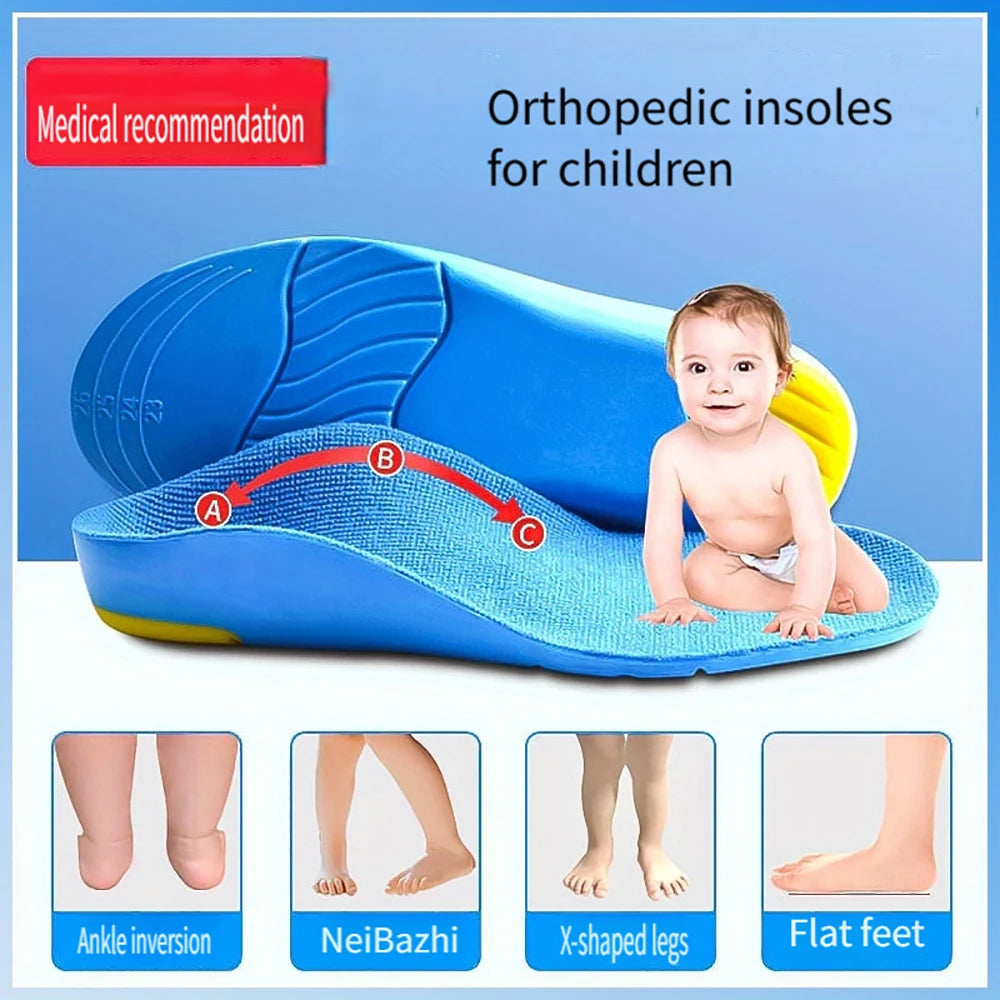
children orthopedic shoe insoles tested during daily play — See it in action
Quick Recommendations by Foot Condition
Different children need different levels of support. The best orthotic insoles for active kids are not always the most rigid option. Parents should choose based on comfort, shoe compatibility, and their child’s specific needs.
Best for flat feet
Kids with flexible flat feet may benefit from gentle arch support rather than aggressive correction. Look for cushioned inserts that support natural movement while reducing pressure during walking and standing.
Best for overpronation
Children who roll their feet inward while walking may need firmer heel and arch support. A structured insert can help improve stability inside properly fitted shoes.
Best for active kids
The best orthotic insoles for active kids should combine shock absorption, flexibility, and moisture control. Sports-playing children often benefit from layered cushioning that reduces impact during running and jumping.
Best school shoes with removable inserts
School shoes with removable insoles provide more flexibility because parents can replace standard liners with supportive inserts. This option is often more affordable than purchasing specialized orthopedic shoes.
Comparison Table: Top Orthopedic Shoes and Arch Support Inserts
| Option | Arch Support Level | Insert Compatibility | Material | Best For |
|---|---|---|---|---|
| Children orthopedic shoe insoles | Moderate to firm | Fits most removable-insole shoes | Foam cushioning and support layers | Daily comfort and active children |
| Orthopedic shoes | Built-in support | Usually fixed structure | Structured footwear materials | Children needing specialized support |
| Memory foam insoles | Light support | High compatibility | Soft foam materials | Comfort-focused everyday wear |
| Basic shoe inserts | Low | Most shoes | Thin foam | Budget replacement options |
Why Growing Feet Need Support Early
Children’s feet continue developing throughout childhood. Bones, muscles, tendons, and ligaments change as kids grow, which means footwear comfort and support can influence how they move throughout the day.
Do kids need arch support insoles? Not every child requires them. Healthy feet can often develop normally without additional support. However, supportive inserts may help children who experience discomfort, fatigue, uneven wear patterns, or increased strain during activity.
When arch support is helpful
- Frequent complaints of tired feet after school
- Discomfort after sports or long walks
- Uneven shoe wear patterns
- Need for additional cushioning on hard surfaces
Normal foot development
Young children naturally have developing arches and different walking patterns. Support should improve comfort without restricting natural movement or forcing excessive correction.
When to consult a specialist
Parents should seek professional advice if a child experiences persistent pain, difficulty walking, significant balance problems, or unusual foot positioning.
How Arch Support Inserts Work Inside Kids' Orthopedic Shoes
Children arch support insoles work by changing how pressure is distributed throughout the foot. Instead of concentrating force in one area, supportive inserts spread impact more evenly during standing, walking, and running.
Built-in support vs removable inserts
Built-in orthopedic shoes provide integrated support, while removable inserts allow parents to customize existing footwear. Inserts are often preferred for growing children because they can be transferred between compatible shoes.
Memory foam vs firm orthotics
Memory foam insoles for kids can improve comfort by adding softness and pressure relief, but they usually provide less structural support than firmer orthotic designs. Children needing alignment support may benefit from a more structured insert.
Shock absorption and alignment
Shock absorbing insoles for kids reduce the feeling of hard impact from running and jumping. Combined with proper shoe fit, they can support more comfortable movement during active play.
How We Tested These Shoes and Insoles
We evaluated children orthopedic shoe insoles during realistic daily situations instead of short indoor trials. Testing included school days, playground activities, sports sessions, and casual outings.
School use
We checked comfort during long periods of standing, walking between classrooms, and wearing shoes for several hours.
Sports and playground
Active movement testing focused on cushioning, stability, and whether inserts stayed comfortable during running and jumping.
Long-term comfort
We monitored whether support remained comfortable after repeated use and whether children continued wearing the shoes willingly.
Durability
We reviewed material quality, shape retention, and resistance to flattening compared with basic inserts.
Individual Product Reviews
Comfort and arch support
The strongest-performing children orthopedic shoe insoles provided balanced cushioning without creating a stiff feeling. Kids could move naturally while receiving additional support under the arch.
Fit and sizing
Proper sizing was one of the biggest factors affecting results. Inserts that were too large created pressure points, while correctly fitted options improved comfort.
Pros and cons
- ✅ Better pressure distribution
- ✅ Improved cushioning for active children
- ✅ Compatible with many removable-insole shoes
- ❌ Requires correct sizing
- ❌ May not replace medical orthotics when needed
Best use case
These inserts are best suited for children who need everyday comfort support, active kids who spend many hours moving, and parents looking for an affordable shoe upgrade.
Do Shock Absorbing Insoles Work for Active Kids?
Shock absorbing insoles for kids can reduce the harsh feeling of repeated impact during activities such as running, jumping, and sports. Children who play on hard playground surfaces may notice the biggest comfort improvement.
| Feature | With Insoles | Without Insoles |
|---|---|---|
| Impact feel | Soft, cushioned | Hard, jarring |
| End-of-day fatigue | Lower | Higher |
The main benefit is improved comfort and reduced fatigue, not increased athletic performance. Supportive footwear helps children move comfortably throughout active days.
Why Breathable Insoles Matter for Everyday School Wear
Breathable insoles for children help manage heat and moisture during long school days. Since kids often wear shoes for many hours, airflow and material choice can affect comfort.
- Helps reduce moisture buildup
- Improves temperature control
- Reduces odor from daily wear
- Keeps shoes feeling fresher longer

breathable insoles supporting all-day wear — See it in action
Orthopedic Shoes vs Standard Supportive Shoes
Choosing between orthopedic shoes and supportive inserts depends on the child’s needs. Many children do well with regular shoes upgraded with quality arch support inserts, while others may need specialized footwear.
When orthopedic shoes are necessary
Orthopedic shoes may be recommended when a child has specific structural concerns requiring specialized design, extra stability, or professional guidance.
When inserts alone are enough
For general comfort, mild fatigue, or everyday support, removable inserts are often a practical and cost-effective option.
Sizing, Fitting, and Replacing Arch Support Inserts
How to measure feet
Measure both feet while the child is standing because weight changes foot length and width. Always choose based on the larger foot.
Growth room recommendations
Children need enough space for growth, but shoes should not be excessively large because poor fit can reduce support.
When to replace factory insoles
Replace original inserts when they flatten, lose cushioning, develop wear spots, or no longer provide comfort.
Replacement schedule
Active children may need replacements sooner because frequent movement wears cushioning materials faster.
Common Buying Mistakes Parents Should Avoid
- Choosing the wrong arch height
- Buying inserts without checking shoe compatibility
- Ignoring proper sizing
- Selecting only based on the lowest price
- Using rigid support when a child only needs comfort cushioning
Care and Maintenance
Proper care helps children orthopedic shoe insoles last longer and remain comfortable.
- Remove inserts regularly to air dry
- Clean according to manufacturer instructions
- Avoid excessive heat when drying
- Inspect cushioning and support areas regularly
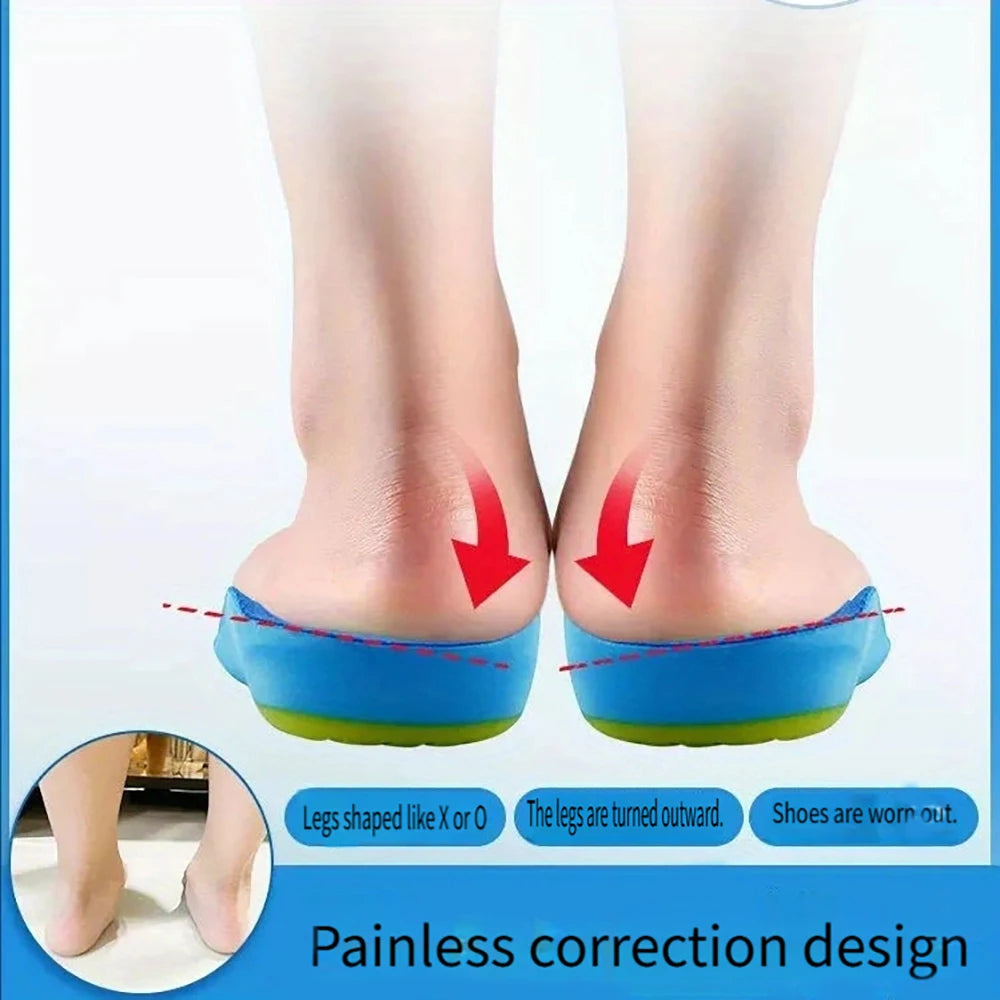
youth arch support insoles improving comfort — See it in action
Frequently Asked Questions
Do kids need arch support insoles?
Not every child needs arch support. They can be helpful for children experiencing foot fatigue, discomfort, or needing additional cushioning during daily activities.
Are orthotic insoles effective for children?
Orthotic insoles can improve comfort and support when correctly selected. Children with specific medical concerns should follow professional recommendations.
Are memory foam insoles worth it for kids?
Memory foam insoles for kids are worth considering for comfort and cushioning, but they may not provide enough structure for children needing stronger arch support.
Can orthopedic inserts fit school shoes?
Yes, many inserts fit school shoes with removable liners. Always check available space before purchasing.
How do I know if my child needs orthopedic shoes instead of inserts?
Children with persistent pain, walking difficulties, or diagnosed foot conditions may need specialized orthopedic shoes rather than standard inserts.
How often should children's arch support insoles be replaced?
Replacement depends on usage, growth, and wear. Active children often need replacements more frequently than occasional users.
Are shock absorbing insoles good for sports?
Yes, shock absorbing insoles can improve comfort during sports by reducing impact from repeated movement.
Can children wear orthopedic insoles every day?
Yes, children can usually wear supportive insoles daily when they fit correctly and remain comfortable.





