

Chlorine Pool Floats How to Use Them Without Damage
Do chlorine pool floats really get damaged by pool chemicals?
Chlorine pool floats can last much longer when used correctly, even in treated pools. Chlorine itself doesn’t instantly ruin floats, but constant exposure, heat, and poor care cause fading, cracking, and leaks. With smart rinsing, shade breaks, and better material choices, durable pool floats and an inflatable pool mattress can easily survive an entire season.
Chlorine Pool Floats: How to Use Them Without Damage
chlorine pool floats can last all season if you know how to use them smartly around harsh chemicals and sun. This guide reveals why durable pool floats resist fading, how summer pool floats handle heat better than you expect, and what simple rinsing habits protect an inflatable pool mattress from cracks and leaks. Skip the waste, save money, and enjoy worry-free lounging—ready to see the small mistakes that quietly ruin floats?
⏱ 6 min read
You finally get a quiet moment by the pool, lay out your favorite float… and notice it’s already fading, sticky, or losing air. Sound familiar? Many families and parents investing in home wellness spaces worry about safety, waste, and durability—especially when chlorine meets inflatables. The good news: most float damage is preventable with a few easy habits.
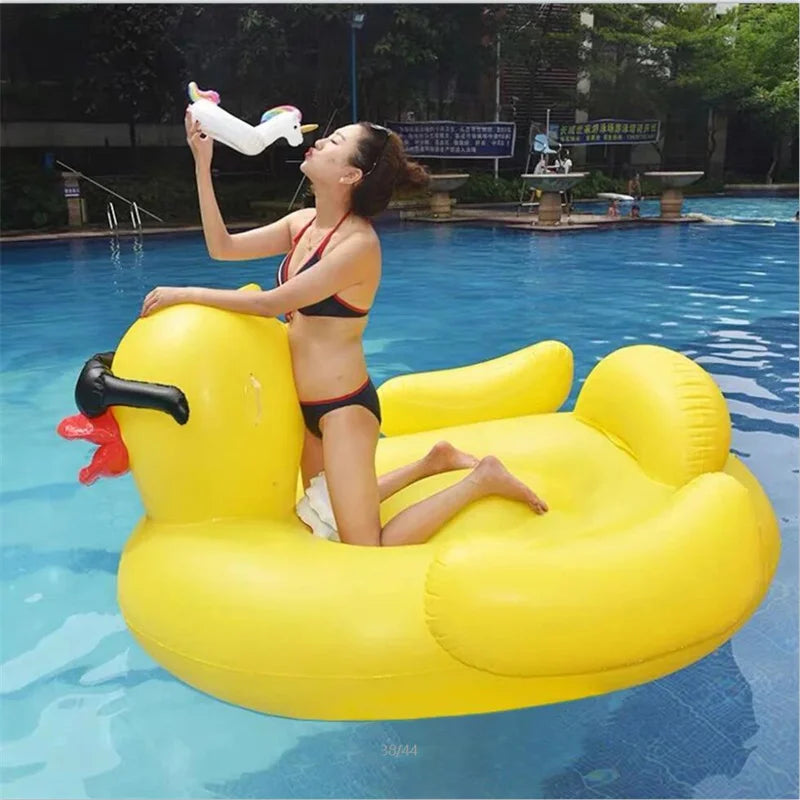
Durable chlorine pool floats designed for everyday summer pool floats use 💡 See it in action
Why Chlorine Wears Down Pool Floats Faster Than You Think
Chlorine is essential for clean pools, but it’s also a slow enemy of inflatable materials. Over time, chlorine breaks down plasticizers inside vinyl, making surfaces brittle and prone to cracking.
This process accelerates when floats are left soaking for hours or stored wet. Parents often notice this as fading colors, chalky residue, or tiny air leaks that seem to appear overnight.
How Choosing Durable Pool Floats Prevents Early Damage
chlorine pool floats made with thicker vinyl or reinforced seams resist chemical breakdown better. Durable pool floats don’t just feel sturdier—they’re designed to slow chlorine absorption and reduce stress at pressure points.
If your pool time is part of family relaxation or wellness routines, investing in quality materials reduces replacements, saves money, and lowers safety risks from sudden deflation.
- Thicker vinyl reduces chlorine penetration
- Heat-welded seams prevent slow leaks
- UV-treated surfaces resist fading
- Better valves hold air under pressure
Many parents apply the same mindset they use when choosing from Health & Safety essentials—prioritizing materials that protect both users and long-term value.
Step-by-Step: How to Use Chlorine Pool Floats Safely
chlorine pool floats stay intact longer when daily use follows a simple routine. These steps take less than five minutes but can double the life of your float.
- Rinse floats with fresh water after every swim
- Wipe dry before storing, especially seams and valves
- Let floats cool in shade before deflating
- Store fully dry in a ventilated area
This habit mirrors how families care for water-related items from Baby Bath Accessories—gentle cleaning and proper drying make all the difference.
How Sun and Heat Multiply Chlorine Damage
Chlorine alone isn’t the only issue. Heat causes vinyl to expand, opening microscopic pores that allow chlorine to penetrate deeper. This combination speeds up fading and weakens seams.
Summer pool floats left fully inflated under direct sun are at the highest risk. Giving floats “shade breaks” dramatically reduces stress on materials.
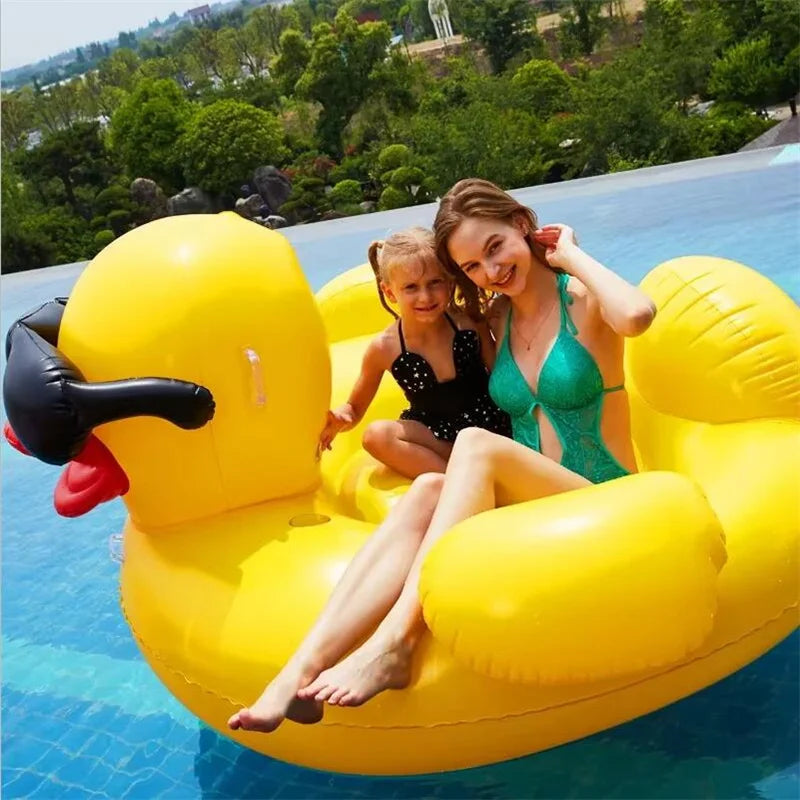
Summer pool floats resting in shade help prevent chlorine damage 💡 See it in action
Protecting an Inflatable Pool Mattress From Leaks
An inflatable pool mattress often carries more weight and pressure than standard floats. chlorine pool floats designed as mattresses need extra care to avoid seam stress and valve leaks.
Quick tip: partially deflate before removing from water. This reduces internal pressure changes caused by temperature shifts.
- Avoid dragging across pool edges
- Never store while damp
- Keep away from pool chemicals during storage
- Use a soft cloth, not brushes, for cleaning
Parents who already practice careful routines with Beauty & Wellness tools often find these habits easy to adopt.
For families seeking reliable comfort, the inflatable pool float offers reinforced construction designed for repeated chlorine exposure.
Common Mistakes That Quietly Ruin Pool Floats
- Leaving floats in the pool overnight
- Stacking heavy items on top during storage
- Using harsh cleaners or alcohol wipes
- Overinflating on hot days
These small errors compound quickly, especially in busy households juggling kids, work, and relaxation time.
Quick Comparison: Good vs Poor Float Care
| Care Habit | Good Practice | Poor Practice |
|---|---|---|
| After-swim care | Rinse with fresh water | Leave chlorine residue |
| Sun exposure | Shade breaks | All-day direct sun |
| Storage | Dry, cool space | Damp, sealed bags |
| Inflation level | Moderate, flexible | Overinflated |
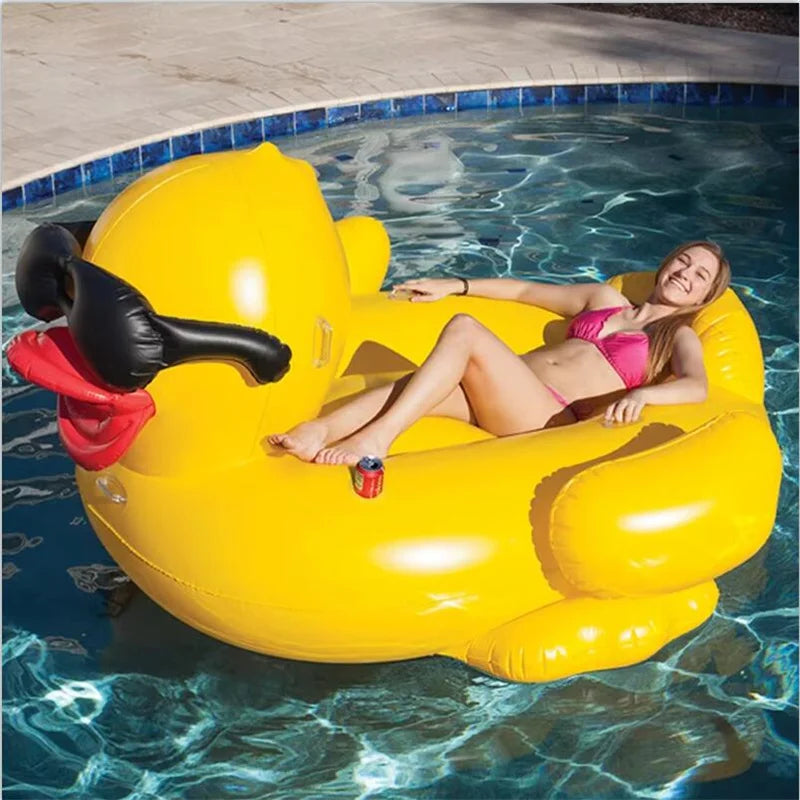
Long-lasting chlorine pool floats built for comfort and durability 💡 See it in action
FAQs About Chlorine Pool Floats
How long should chlorine pool floats last?
With proper rinsing, shade breaks, and dry storage, quality chlorine pool floats often last one to two full summer seasons without leaks or major fading.
Is it safe to use pool floats around kids?
Yes, when used under supervision and cared for properly. Well-maintained floats reduce sudden deflation risks, supporting safer family pool time.
Do thicker floats really resist chlorine better?
Thicker vinyl slows chemical breakdown and handles heat expansion better, making durable pool floats a smarter long-term choice for treated pools.
Related Guide: How to Choose Pool Floats That Fit Your Body and Pool





