

How to Choose a Safe Baby Pool Float Without Risky Mistakes
What is the safest way to choose a baby swim float?
Choosing a safe baby swim float starts by matching the float to your baby's age, weight, and developmental stage. Look for a stable design with dual air chambers, a secure seat, durable materials, clear safety instructions, and a supportive fit. A canopy can help reduce sun exposure, but no swim float replaces constant adult supervision.
Choosing Safe Baby Swim Floats the Right Way
Choosing safe baby swim floats isn't just about fun—it's about helping babies enjoy positive first experiences in the water while reducing avoidable risks. With so many styles available, understanding which features actually improve stability, comfort, and sun protection makes it much easier to choose confidently.
⏱ 6 min read
Whether you're planning your baby's first pool visit or upgrading to a better float, this guide explains what to look for, how to use a float safely, and which designs work best for different stages of infant water play.
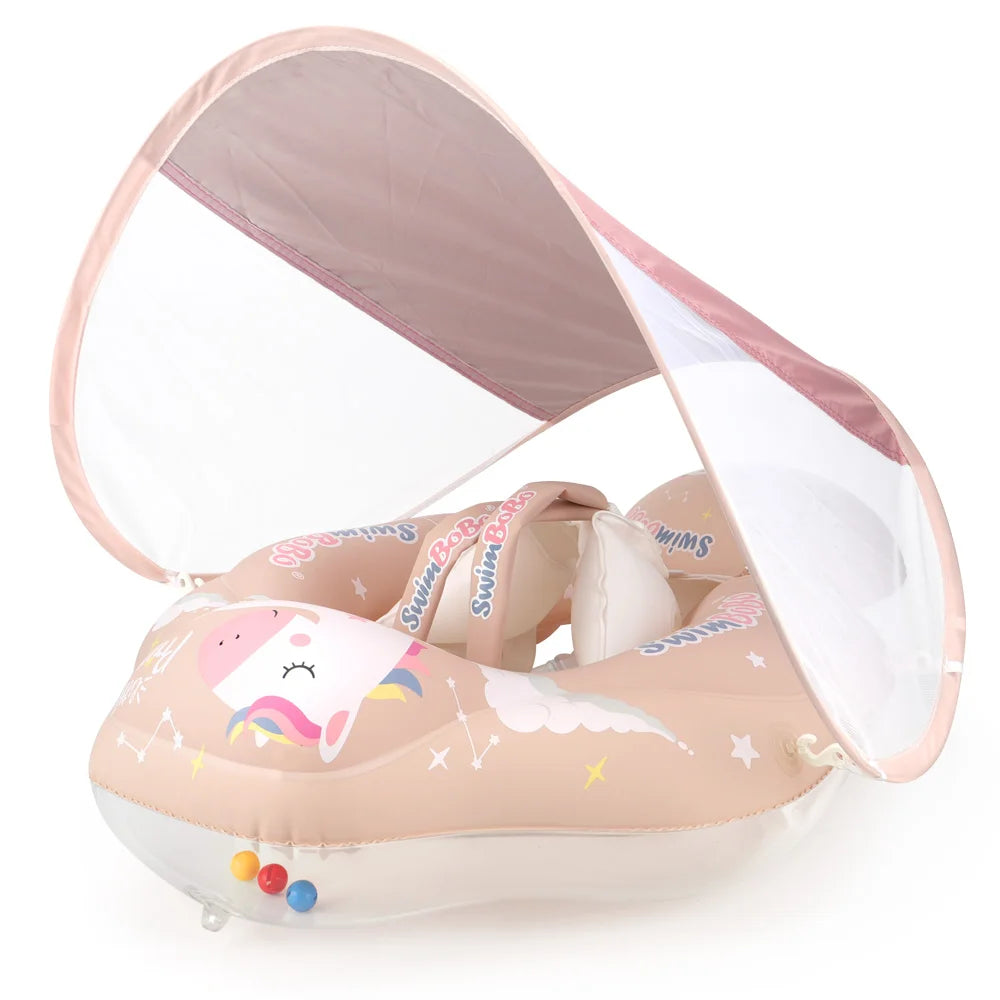
Choosing safe baby swim floats with canopy support helps infant water play feel calmer and more secure. See it in action.
How to Choose a Safe Baby Pool Float
If you're wondering how do I choose a safe pool float for my baby , start with fit rather than appearance. The safest products are designed around your baby's developmental stage and include clear manufacturer guidance.
Check age, weight, and developmental readiness
Always verify the recommended age and weight range before purchasing. Most infant floats are designed for babies with good head and neck control, but recommendations vary by manufacturer. Never size up simply because your baby will "grow into it."
Verify safety labels and manufacturer instructions
Choose products with clear inflation instructions, warning labels, and weight limits. Read the user guide before first use so you understand proper setup, inspection, and storage.
Choose the correct size and fit
A properly fitted float should support an upright position without squeezing your baby's legs or allowing excessive movement. The seat should hold your child comfortably while keeping the head well above the waterline.
Parents browsing Health & Safety often discover that dependable products prioritize real-world usability over unnecessary extras.
Baby Pool Float Safety Features That Matter Most
The best safe baby swim float combines several design features that work together to improve stability and comfort.
Wide stable base
A wider base lowers the chance of tipping and provides better balance when babies naturally shift their weight.
Secure seat and leg openings
Supportive seating helps babies remain upright while allowing comfortable movement. Leg openings should be snug enough to prevent slipping without restricting circulation.
Dual air chambers and durable materials
Separate air chambers provide an extra level of reliability if one chamber begins losing air. Thick, puncture-resistant materials also improve durability through repeated pool seasons.
Handles, harnesses, and visibility
Parent handles can make repositioning easier, while bright colors improve visibility in busy pools. If a harness is included, make sure it fits correctly and follows the manufacturer's instructions.
Choose the Right Float Style for Your Baby
Not every float serves the same purpose. Understanding the strengths and limitations of each design helps you choose the safest float for babies in a pool.
Seat floats
Seat-style floats provide upright support for younger babies beginning supervised water play. They are popular for calm pool sessions and introductory swimming experiences.
Traditional ring floats generally provide less body support and can allow babies to lean forward or sideways more easily. They are best suited only when used exactly as directed and under close supervision.
Canopy floats
Canopy designs combine supportive seating with overhead shade, making them a practical choice for outdoor pools where reducing direct sunlight improves comfort.
Swim trainers and styles to avoid
Swim trainers intended for older children are not appropriate substitutes for infant floats. Avoid oversized products, damaged inflatables, or floats showing signs of wear or leaking seams.
How Sun Protection Improves Pool Safety
A baby float with sun protection canopy helps reduce direct sun exposure, but it should be considered one part of a complete sun-safety routine.
Benefits of a canopy
Built-in canopies reduce glare, help babies stay comfortable longer, and may decrease overheating during outdoor swimming sessions.
Understanding UPF and UV protection
Some canopy fabrics include UPF-rated materials that block a significant portion of ultraviolet radiation. Coverage varies by design, so check product specifications rather than assuming every canopy offers the same protection.
When extra sun protection is still needed
Even with a canopy, babies benefit from sun-protective clothing, appropriate sunscreen when age-appropriate, regular hydration, and breaks in the shade.
Sun-safe designs work especially well alongside thoughtful essentials from Baby Care Essentials , helping families build safer outdoor routines.
How to Use a Baby Pool Float Safely
Following consistent infant pool float safety tips helps reduce unnecessary risks and creates a more enjoyable experience.
Inspect before every use
Look for punctures, worn seams, damaged valves, or slow air leaks before entering the water.
Correct inflation and positioning
- Inflate the float fully according to the instructions.
- Place your baby into the seat gently.
- Adjust the seating position so your baby sits upright comfortably.
- Position the canopy to provide shade without restricting airflow.
Constant hands-on supervision
Always remain within arm's reach. A baby pool float supports positioning—it does not prevent drowning and should never be treated as a lifesaving device.
When not to use a float
Avoid using a float during rough play, strong currents, crowded pools, or if your baby appears uncomfortable, sleepy, or unwell.
Many parents combine these habits with calming routines learned through Baby Care Tips & Advice to make pool time more predictable.
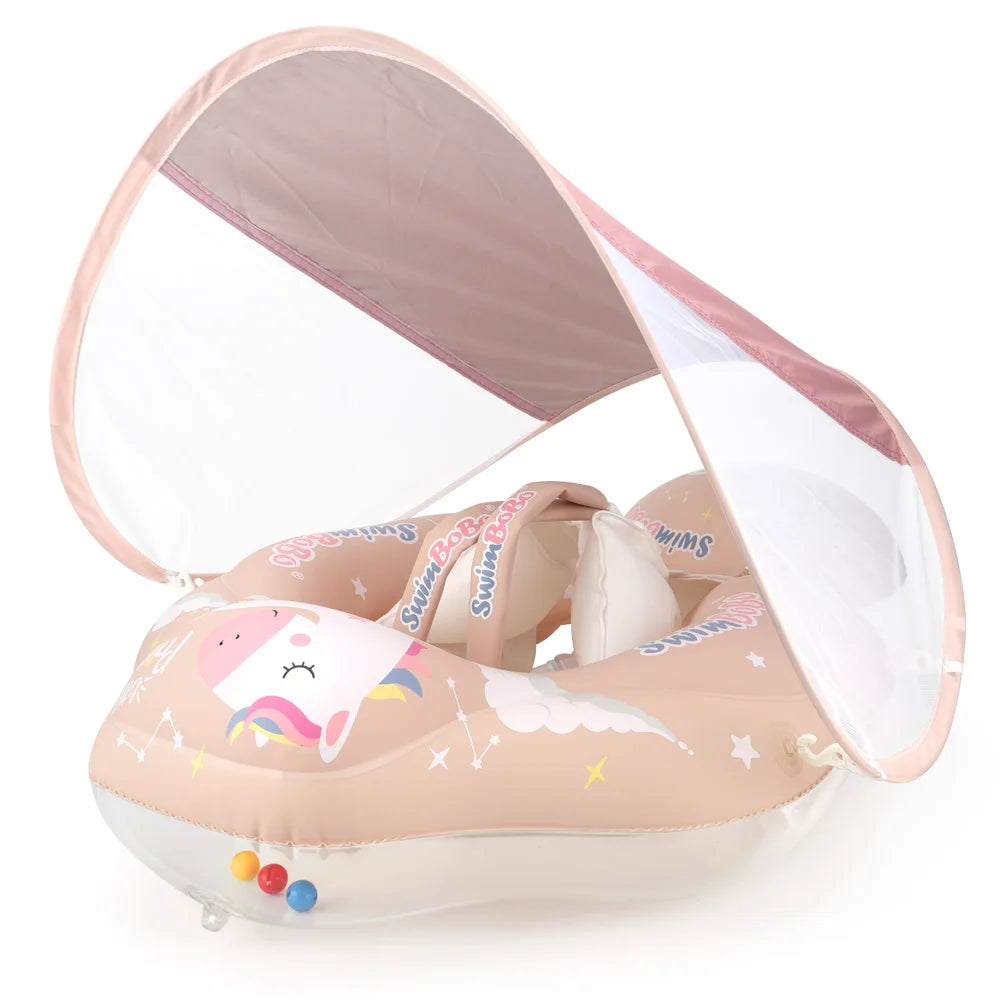
Top-rated infant pool floats with sunshade support relaxed infant swimming routines. See it in action.
Comparing Baby Swim Float Styles
| Style | Support Level | Sun Protection | Best For |
|---|---|---|---|
| Ring-style float | Low | None | Short supervised pool sessions |
| Seat float | Medium | Optional | First water experiences |
| Canopy float | High | Built-in | Outdoor swimming and longer supervised sessions |
Parents looking to round out their setup often browse Baby Bath Accessories to keep routines consistent between bath time and pool time.
Common Baby Pool Float Buying Mistakes
Ignoring weight limits
Using a float outside its recommended weight range reduces stability and increases the chance of improper positioning.
Choosing based on appearance
Bright colors and toys can be fun, but they should never take priority over stability, quality materials, and proper sizing.
Using damaged or recalled floats
Inspect your float regularly and replace it if you notice cracked plastic, stretched seams, leaking valves, or material deterioration. Stop using any product affected by a manufacturer recall.
For parents ready to simplify pool days, the baby swimming float with canopy offers balanced support, shade, and ease in one thoughtful design.
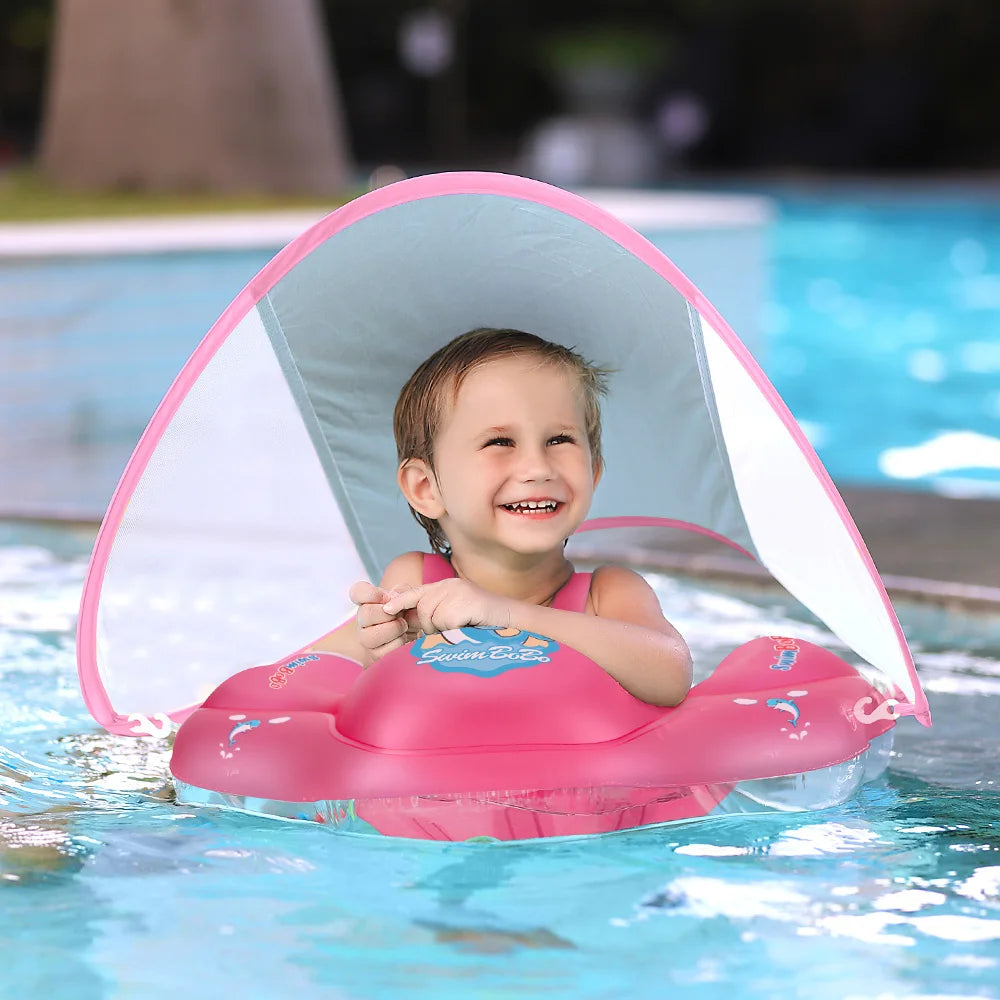
Choosing safe baby swim floats that support comfortable, supervised infant water play. See it in action.
Cleaning, Storage, and Maintenance
Cleaning after pool use
Rinse the float with fresh water after each use to remove chlorine, salt, sunscreen, and debris. Allow it to air dry completely before storage.
Drying and storage
Store the float in a cool, dry location away from direct sunlight and sharp objects. Avoid folding tightly while damp, which may shorten its lifespan.
When to replace a float
Replace a float that repeatedly loses air, develops cracks, has weakened seams, or no longer provides secure support. Regular inspections help maintain safe use throughout each swimming season.
Frequently Asked Questions
At what age can babies use a pool float?
Many baby pool floats are designed for infants around 3 to 6 months and older, provided they meet the manufacturer's age, weight, and developmental recommendations.
Are baby pool floats considered safe?
Baby pool floats can support supervised water play when they fit correctly and are used according to the instructions. They are not safety devices and should never replace active adult supervision.
Do pool floats replace life jackets?
No. Pool floats are recreational products, while properly approved life jackets are designed for flotation safety in appropriate situations.
What is the safest float for babies in a pool?
Look for a float with a stable wide base, secure seating, dual air chambers, durable materials, and sizing that matches your baby's age and weight.
How do I know if a baby pool float fits correctly?
Your baby should sit upright comfortably without slipping through the seat or leaning excessively. The leg openings should feel secure but not tight.
Do canopy floats provide enough sun protection?
A canopy helps reduce direct sun exposure, but babies still benefit from protective clothing, shade breaks, and other sun-safety measures during outdoor swimming.
Related Guide: How to protect baby pool sun safely step by step





