

Coloring with Water vs Paint: Which Is Less Messy
Coloring with Water vs Paint: Which Is Less Messy
Coloring with water is becoming a favorite for parents who want creative play without the stress of cleanup. If you're tired of paint spills during indoor activities or constantly avoiding messy crafts for toddlers, water-based coloring offers a cleaner alternative. But can it really replace traditional paint while still supporting creativity and learning?
Is Coloring with Water Less Messy Than Paint?
Coloring with water is significantly less messy than traditional paint because it uses clean water instead of pigments, reducing stains, spills, and cleanup time. Most water coloring tools dry quickly, leave no residue, and eliminate the need for brushes, palettes, and wipes, making them ideal for toddlers and indoor activities.
- No paint stains on furniture or clothing
- Minimal cleanup after playtime
- Reusable surfaces reduce clutter
- Safe for toddlers learning creative skills
Which option fits your family's routine best? Keep reading to discover the differences.
⏱ 6 min read
Parents love creative activities — until the cleanup begins. Paint spills during indoor activities, stained carpets, and sticky hands can quickly turn fun into frustration. If you've ever avoided art time because of the mess, you're not alone.
That's why coloring with water is gaining popularity among busy caregivers. It offers creativity without chaos and encourages learning without overwhelming cleanup routines.
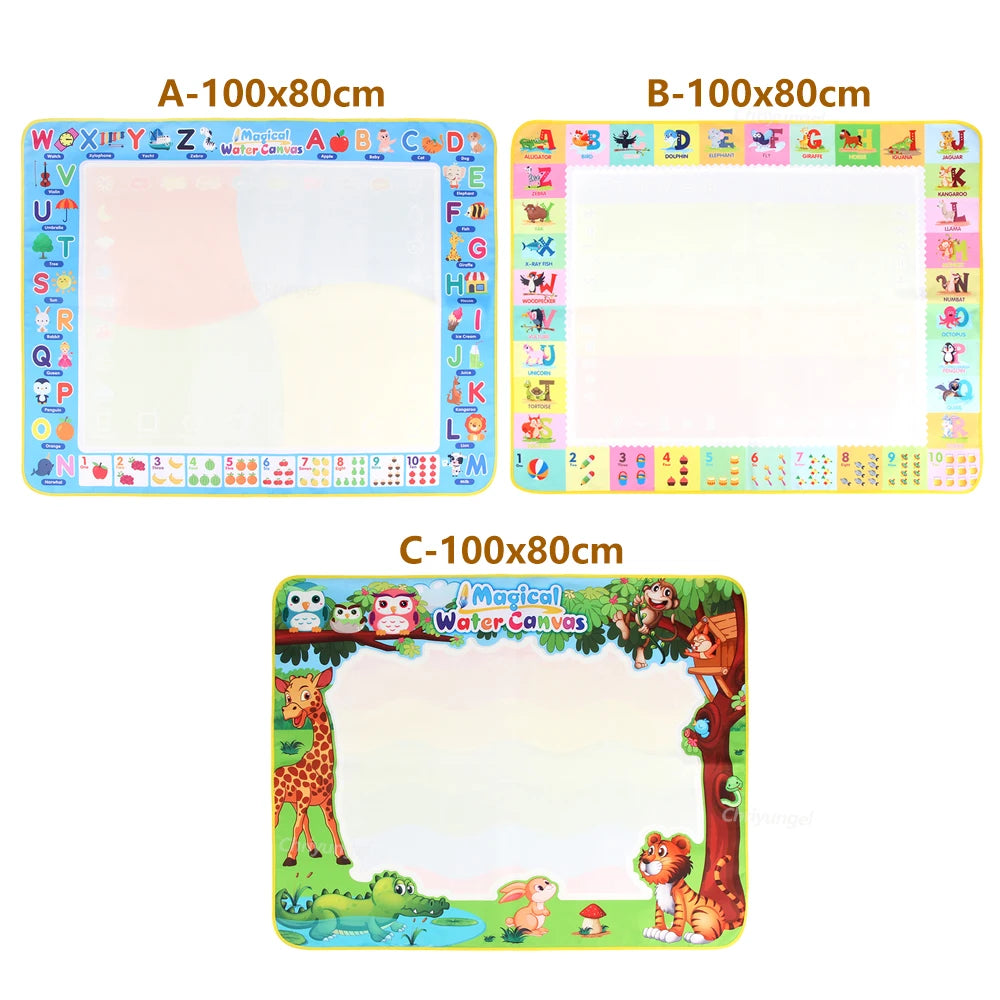
coloring with water helps avoid messy crafts for toddlers — 💡 See it in action
Want stress-free creative play?
Why Parents Are Choosing Coloring with Water
Parents today want simple, stress-free activities that still support development. Coloring with water offers an easy solution that balances creativity and convenience.
- No paint spills during indoor activities
- No permanent stains on clothing
- Reusable drawing surfaces
- Less supervision required
- Quick setup and cleanup
These benefits make water coloring especially appealing for busy families, small apartments, and rainy-day indoor play.
If you're exploring more creative play ideas, you can also browse Sensory Toys for additional hands-on learning experiences.
Coloring with Water vs Paint: Side-by-Side Comparison
| Feature | Coloring with Water | Traditional Paint |
|---|---|---|
| Mess Level | Very Low | High |
| Cleanup Time | 1-2 minutes | 10-20 minutes |
| Stain Risk | None | High |
| Setup Time | Quick | Longer |
| Reusable | Yes | No |
| Best for Toddlers | Excellent | Moderate |
How Coloring with Water Makes Art Time Easier
Coloring with water simplifies the entire creative process. Instead of worrying about spills and stains, parents can focus on fun and learning.
- Encourages independent play
- Reduces stress during indoor activities
- Reusable and environmentally friendly
- Safe for toddlers learning motor skills
Pairing creative play with development tools from Baby Growth & Learning can help support early cognitive skills.
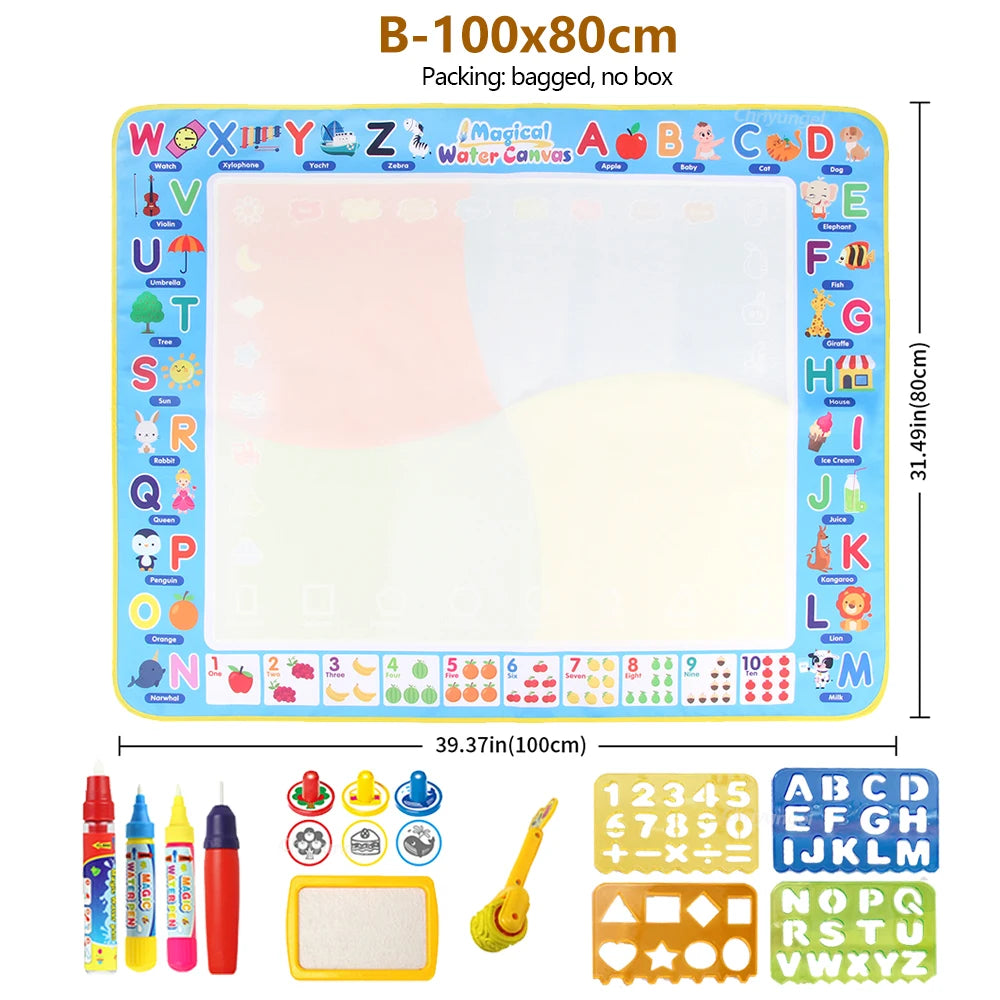
easy clean art activities for kids with coloring with water — 💡 See it in action
Ready to reduce cleanup time?
When Traditional Paint May Still Be Better
While coloring with water is convenient, traditional paint still offers advantages in certain situations.
- More vibrant color variety
- Texture exploration opportunities
- Advanced art learning
- Group classroom projects
Older children may benefit from paint occasionally, while toddlers often thrive with mess-free alternatives.
Why Coloring with Water Works Best for Toddlers
Toddlers are naturally curious but often lack fine motor control. Coloring with water removes risks while encouraging exploration.
- No harmful chemicals
- No accidental paint ingestion concerns
- Simple tools for small hands
- Encourages independent creativity
Parents focused on safe play can also explore Health & Safety solutions for safer daily routines.
How to Choose Between Coloring with Water and Paint
- Consider your child's age
- Evaluate cleanup time availability
- Think about play environment
- Decide learning goals
If avoiding messy crafts for toddlers is your top priority, water coloring is typically the better choice.
Real Parent Experiences
Parents frequently report less stress and more frequent creative sessions after switching to coloring with water.
- "No more paint stains on the carpet"
- "My toddler plays independently longer"
- "Cleanup takes seconds instead of minutes"
Many families also combine creative play with tools from Smart Baby Gadgets for enhanced learning experiences.
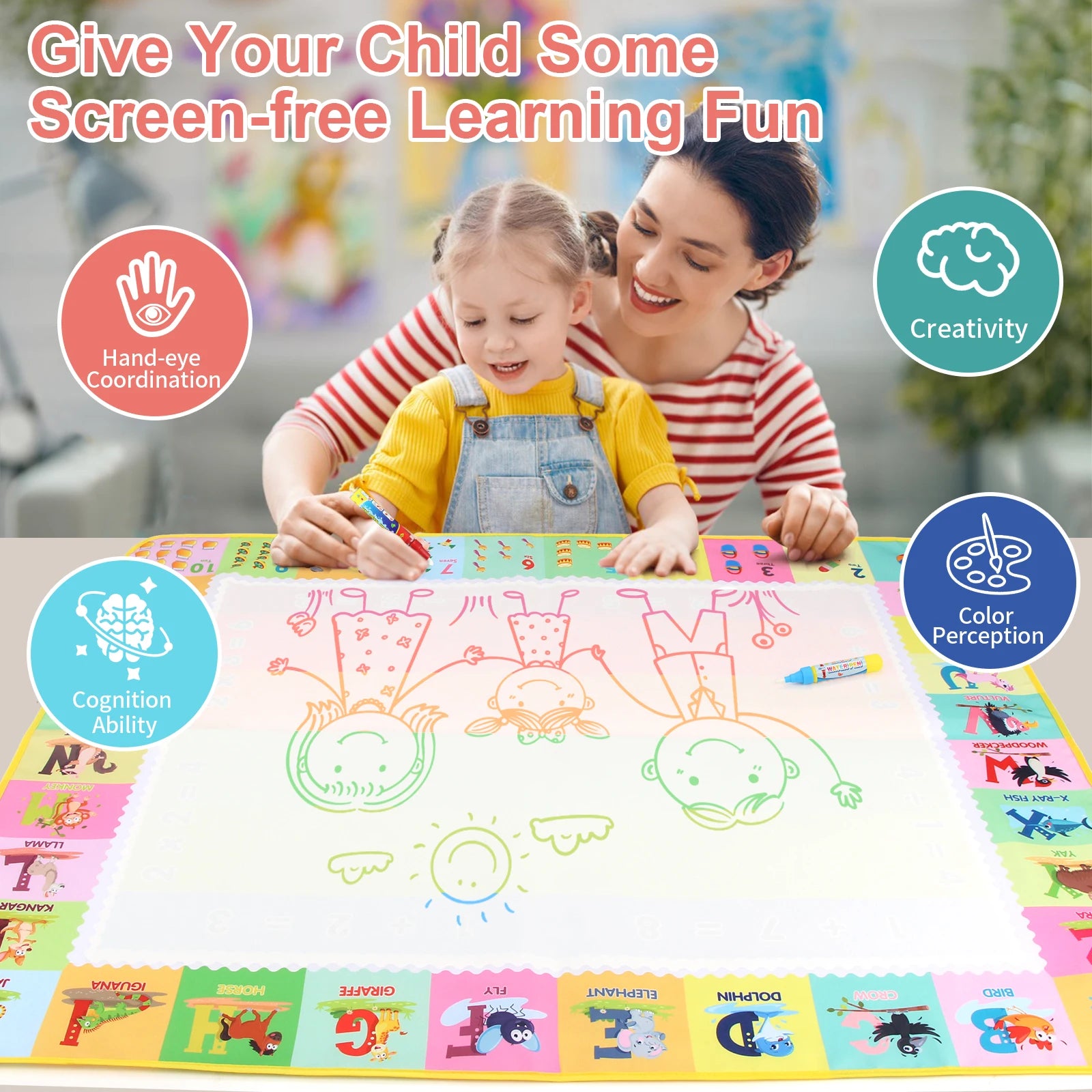
avoid paint spills during indoor activities using coloring with water — 💡 See it in action
Make art time easier today
Final Verdict: Which Is Less Messy?
Coloring with water clearly wins when it comes to minimizing mess, reducing cleanup time, and encouraging frequent creative play. Traditional paint still has its place for advanced art exploration, but for everyday indoor activities, water-based coloring provides a cleaner, more practical solution.
FAQ
Is coloring with water safe for toddlers?
Yes, coloring with water is typically designed for young children and avoids chemicals and stains, making it safer for toddler use.
Does coloring with water help learning?
Yes, it supports creativity, fine motor development, and sensory exploration while maintaining a clean environment.
Can coloring with water replace paint completely?
For everyday play, yes. However, traditional paint may still be useful for advanced art projects and older children.
Pillar Article: Water Drawing Mat Review: Which One Is Worth It
Other Related Articles:
- Best Educational Toys for Preschoolers: Art Toys Ranked
- Portable Art Set Showdown: Best Travel Options for Kids
- Magic Water Kits Compared: Top Picks for Mess-Free Fun
- Reusable Water Doodle Mat vs Crayons: Which Is Better
Explore More:





