

Constructive toys for 5 year olds creative building toys?
What are the best lego building examples for kids who love step-by-step play?
lego building examples work best when they offer clear instructions, visual cues, and achievable milestones. Step-by-step builds help kids stay focused, build confidence, and finish projects they’re proud of. With compatible lego bricks and creative building toys, guided play supports problem-solving while keeping frustration low.
LEGO Building Examples for Kids Who Love Step-by-Step Play
⏱ 7 min read · If your child loves following instructions, completing levels, and seeing progress one step at a time, structured building can feel incredibly rewarding. lego building examples designed for guided play give kids a clear path to success while still leaving room for creativity. This guide walks you through practical builds, age-appropriate ideas, and how the right sets can support learning without overwhelm.
Ever notice how some kids thrive when they know exactly what comes next? Instead of open-ended piles of bricks, they prefer clear directions, visible progress, and that satisfying “I did it!” moment. That’s where step-by-step building really shines.
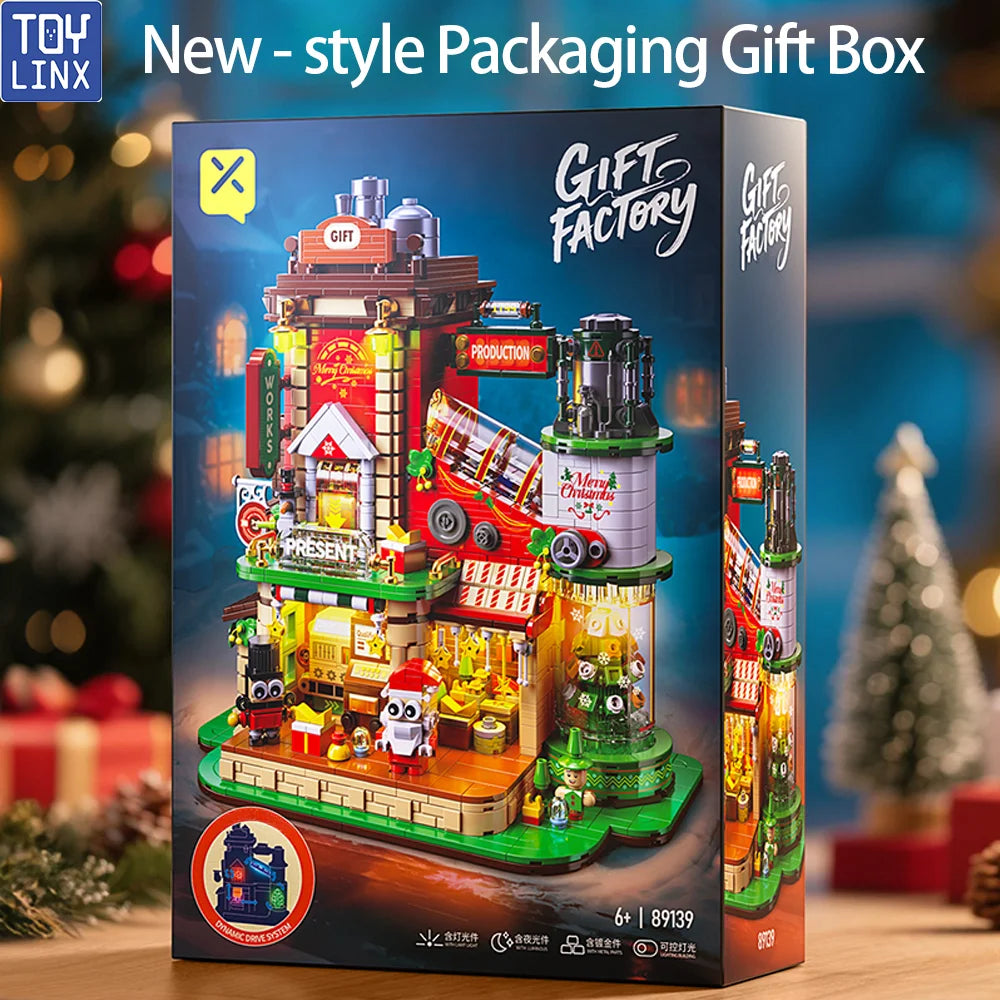
lego building examples with compatible lego bricks—simple starts that build confidence 💡 See it in action
Explore step-by-step building sets here
Why Step-by-Step Play Helps Some Kids Thrive
Not all children enjoy totally open-ended play. Many feel calmer and more capable when instructions are clear and goals are visible.
- Reduces frustration by breaking big builds into small wins
- Improves focus for kids who get overwhelmed easily
- Builds confidence through completion, not guessing
- Encourages independence without constant adult help
Parents often notice fewer meltdowns and longer play sessions when builds follow a predictable sequence. This is especially helpful for kids who enjoy routines or visual learning.
Best lego building examples for guided learners
lego building examples for step-by-step play focus on clear instructions, repeatable patterns, and visible progress. These builds help kids stay engaged while learning how pieces fit together logically, making success feel achievable even for beginners.
1. Simple Vehicles with Clear Stages
Cars, trucks, and trains are ideal starting points. Each stage adds a new function—wheels, body, roof—so kids can pause and admire progress.
- Teaches sequencing and cause-effect
- Easy to rebuild multiple times
- Works well with compatible lego bricks
2. Houses and Rooms with Defined Sections
Building a house step by step—foundation, walls, roof—helps kids understand structure. Room-by-room builds keep instructions manageable.
3. Animals Built in Modules
Animals that assemble legs, body, and head separately give kids natural stopping points. This style supports patience and attention to detail.
4. Mechanical Builds with Gentle Motion
Simple gears or moving parts introduce basic engineering ideas without complexity. Turning a wheel or lever at the end feels especially rewarding.
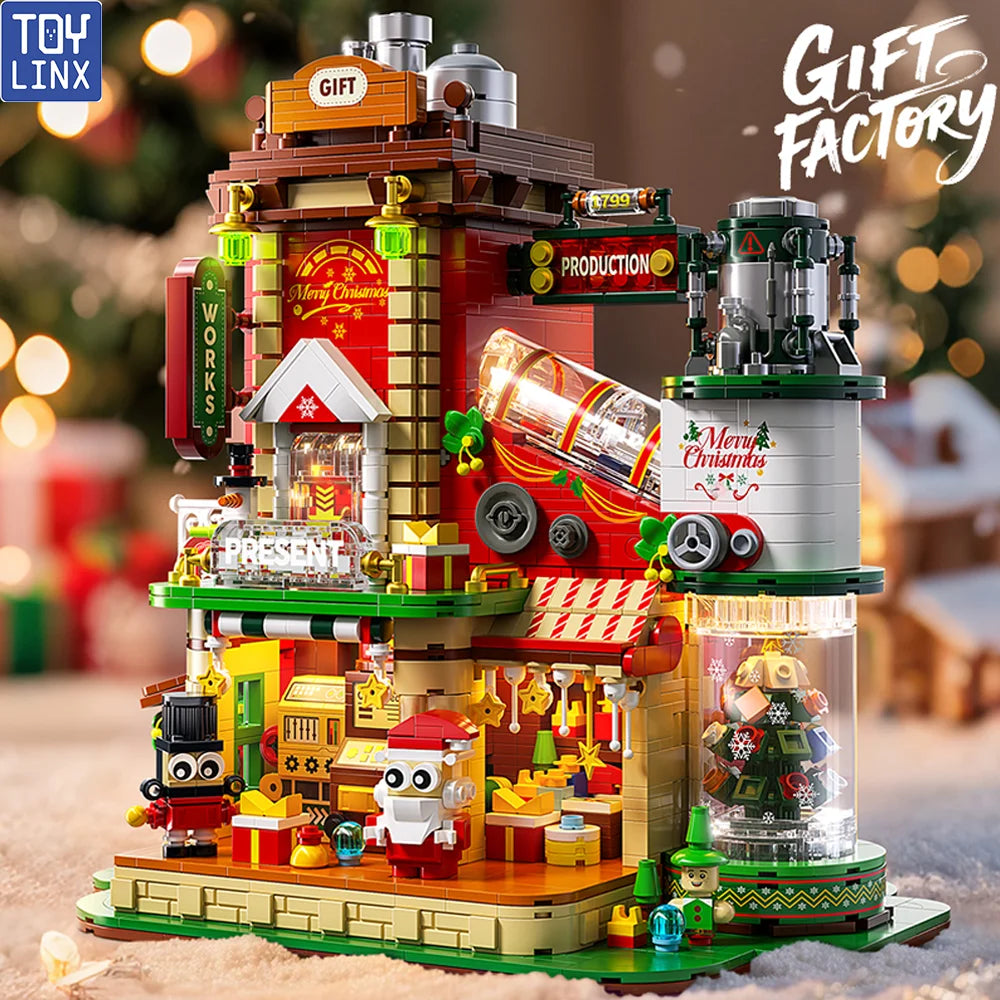
creative building toys that grow step by step using lego compatible building blocks 💡 See it in action
Explore Baby Growth & Learning
Choosing Builds by Age and Skill Level
Matching the build to your child’s development keeps play enjoyable rather than stressful.
Ages 4–6: Visual and Short Builds
- Fewer steps with large, easy-to-handle pieces
- Picture-based instructions
- Fast completion to maintain motivation
Ages 7–9: Longer Sequences and Details
- More steps with repeating patterns
- Introduction to symmetry and balance
- Opportunities to rebuild independently
Ages 10+: Complex Models with Function
- Moving parts or mechanical elements
- Encourages planning and patience
- Great for kids who love instructions and challenges
Learning Benefits That Go Beyond Building
Parents often underestimate how much structured building supports everyday skills.
- Problem-solving: Kids learn to correct mistakes by reviewing steps.
- Focus: Following instructions trains sustained attention.
- Confidence: Finished builds reinforce a sense of capability.
- Fine motor skills: Precise placement strengthens hand control.
Educators frequently recommend guided construction as a calm, screen-free way to practice persistence.
How to Blend Structure with Creativity
Step-by-step doesn’t mean imagination disappears. Once a build is finished, many kids naturally start modifying it.
- Change colors or swap accessories
- Combine two finished builds into one scene
- Add storytelling after construction is complete
This balance helps kids who need structure feel safe while still experimenting creatively.
Finding the Right Building Set for Your Child
When choosing a set, look for clear instructions, sturdy compatible lego bricks, and themes your child already loves. Families often share that guided sets reduce setup time and keep kids engaged longer.
Many parents pair building time with calm routines, similar to sensory play. For kids who benefit from soothing, hands-on activities, structured builds can complement options found in Sensory Toys collections.
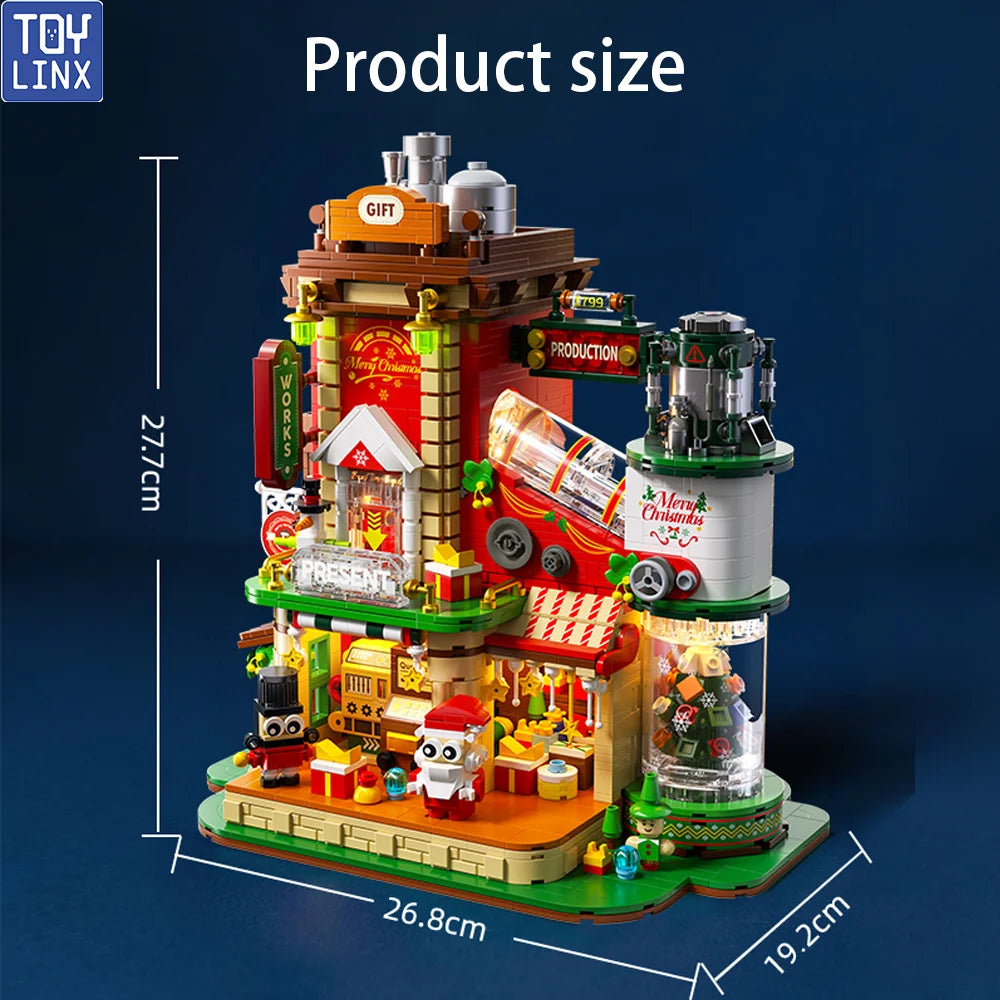
lego building examples using compatible lego bricks—guided play that still sparks imagination 💡 See it in action
Get the step-by-step building set here
Quick FAQ for Parents
Are step-by-step builds too limiting for creativity?
No. Many kids use instructions as a starting point, then customize once they feel confident.
Do compatible lego bricks work with guided sets?
Yes. Most guided builds are designed to work seamlessly with compatible lego bricks, making expansion easy.
How long should a building session last?
For younger kids, 15–30 minutes works well. Older kids may happily build for an hour or more.





