

Coordination Improvement Exercises Backed by Play
Do coordination improvement exercises really work for kids?
Coordination improvement exercises help children build timing, balance, and control by connecting brain signals with body movement. When these exercises are play-based, kids stay engaged longer, which strengthens motor skills, focus, and confidence. Fun activities to improve coordination often lead to faster, more lasting progress than repetitive drills.
Coordination Improvement Exercises Backed by Play
⏱ 7 min read
Coordination improvement exercises don’t have to feel like therapy or homework. When movement feels like play, children naturally practice balance, timing, and focus—skills that carry into school, sports, and daily routines. What if the fastest way to improve coordination is simply letting kids play the right way?
Parents often worry when kids seem clumsy, slow to react, or frustrated with simple tasks like catching a ball or using utensils. The good news? The brain is incredibly adaptable, especially in childhood, and playful movement is one of the most effective ways to strengthen it.
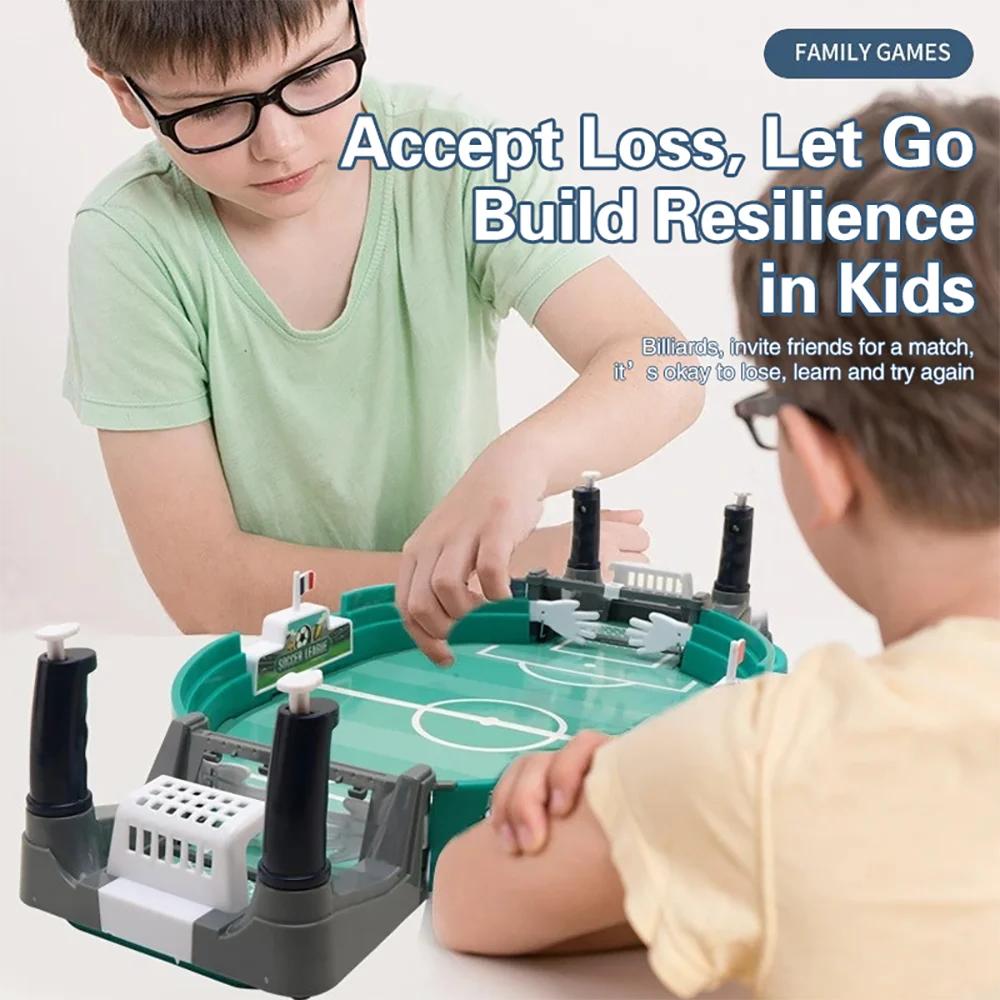
Playful coordination improvement exercises that feel like a game 💡 See it in action
Why Play Accelerates Coordination Development
Coordination improvement exercises work best when kids forget they’re “exercising.” Play activates multiple brain regions at once, reinforcing motor pathways without pressure or boredom.
- Encourages repetition without frustration
- Improves focus through natural engagement
- Builds confidence with quick wins
- Strengthens brain–body communication
This is why many parents turn to tools found in Baby Growth & Learning and Sensory Toys—they combine fun with measurable developmental benefits.
Exercises to Improve Hand Eye Coordination
Exercises to improve hand eye coordination train children to process visual information and respond with precise movement. These skills affect writing, sports, and even self-care tasks.
Effective examples include:
- Tracking fast-moving objects
- Timed button presses or sliders
- Two-hand control games
- Target-based challenges
Parents often notice improvements in everyday tasks like catching, pouring, or building once kids practice these movements consistently through play.
Activities to Improve Eye Hand Coordination
Activities to improve eye hand coordination emphasize accuracy and timing. Unlike passive toys, interactive games demand attention and quick adjustment.
Look for activities that:
- Require both hands to work together
- Respond instantly to mistakes
- Increase difficulty gradually
- Encourage friendly competition
These features are common in movement-based games found within Mobility & Training, where physical engagement drives learning.
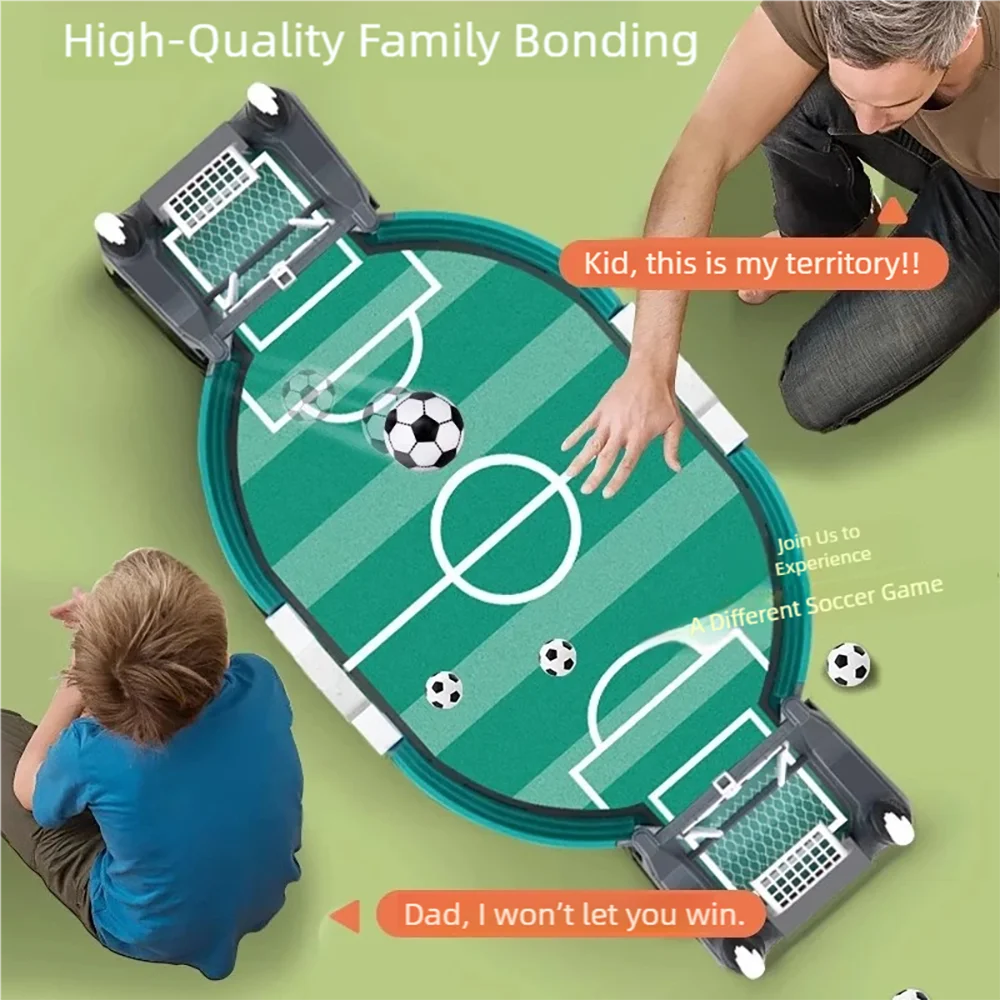
Activities to improve coordination through real-time feedback 💡 See it in action
Reaction Speed Training Game Benefits
A reaction speed training game helps children respond faster to visual cues, sharpening reflexes and mental processing speed.
- Improves attention span
- Boosts athletic readiness sli>
- Encourages quick decision-making
- Makes practice feel exciting
Parents often report better focus during homework and smoother transitions between tasks after regular reaction-based play.
Mini Table Soccer Game: In-Depth Review
The Mini Table Soccer Game combines coordination improvement exercises with competitive fun. Designed for fast-paced interaction, it challenges kids to react quickly, control movements precisely, and stay focused.
Why it stands out: this compact game delivers consistent, repeatable coordination training while feeling like pure entertainment—no setup stress, no screens, no learning curve.
Families exploring Baby Growth & Learning often choose this game because it grows with the child, offering lasting value beyond novelty.
👉 Explore the Mini Table Soccer Game now
Real Parent Experiences
- “My son’s reaction time improved within weeks.”
- “We noticed better coordination during sports practice.”
- “It keeps them active without screen time.”
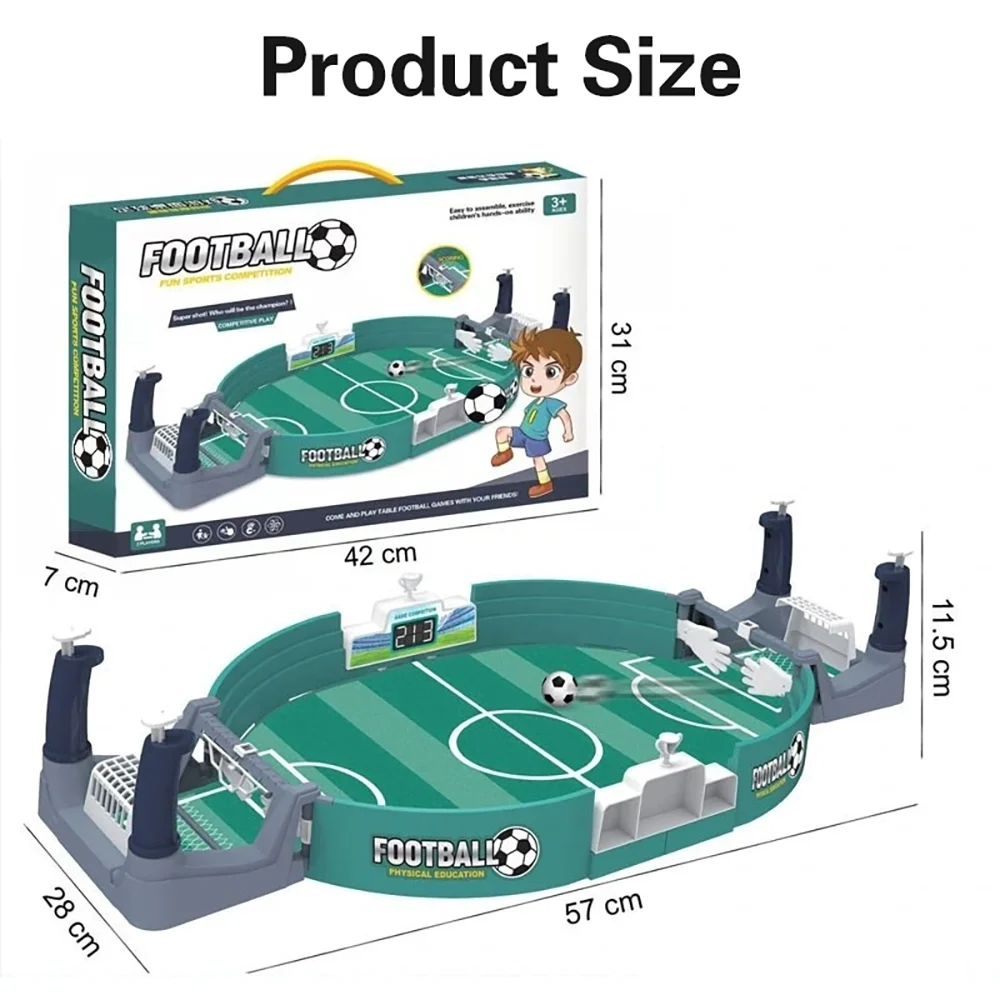
Reaction speed training game that builds real skills 💡 See it in action
How It Compares to Other Coordination Toys
| Feature | Mini Table Soccer Game | Basic Coordination Toys |
|---|---|---|
| Reaction Speed Training | ✅ High | ❌ Limited |
| Hand-Eye Coordination | ✅ Continuous | ⚠️ Occasional |
| Engagement Over Time | ✅ Long-lasting | ❌ Short-lived |
For parents comparing options in Health & Safety and developmental play, this game offers a balance of durability, challenge, and enjoyment.
👉 Get yours now — limited stock!
Frequently Asked Questions
At what age do coordination improvement exercises help most?
Early childhood is ideal, but coordination improvement exercises benefit kids of all ages by reinforcing brain–body connections through repetition and play.
How often should kids play coordination games?
Short daily sessions—10 to 15 minutes—are more effective than long, infrequent playtimes.
Are play-based exercises better than drills?
Yes. Play-based activities to improve coordination keep children motivated, leading to more consistent practice and better long-term results.
Related Guide: Football Two Players Review: Real Results Tested





