

Creative Writing Practice for Kids Using Visual Drawing Prompts
Does creative writing practice for kids really work?
Creative writing practice for kids works best when ideas feel playful and visual. Using drawings as prompts helps children generate stories faster, expand vocabulary, and stay focused longer. By turning pictures into narratives, kids gain confidence and improve early literacy skills without pressure or rigid rules.
⏱ 7 min read
Creative Writing Practice for Kids Using Visual Drawing Prompts
Creative writing practice for kids can feel frustrating when children stare at blank pages, unsure where to start. Many parents worry about short attention spans, limited vocabulary, or resistance to writing time. What if one simple picture could spark a full story, encourage self-expression, and make learning feel like play instead of pressure?
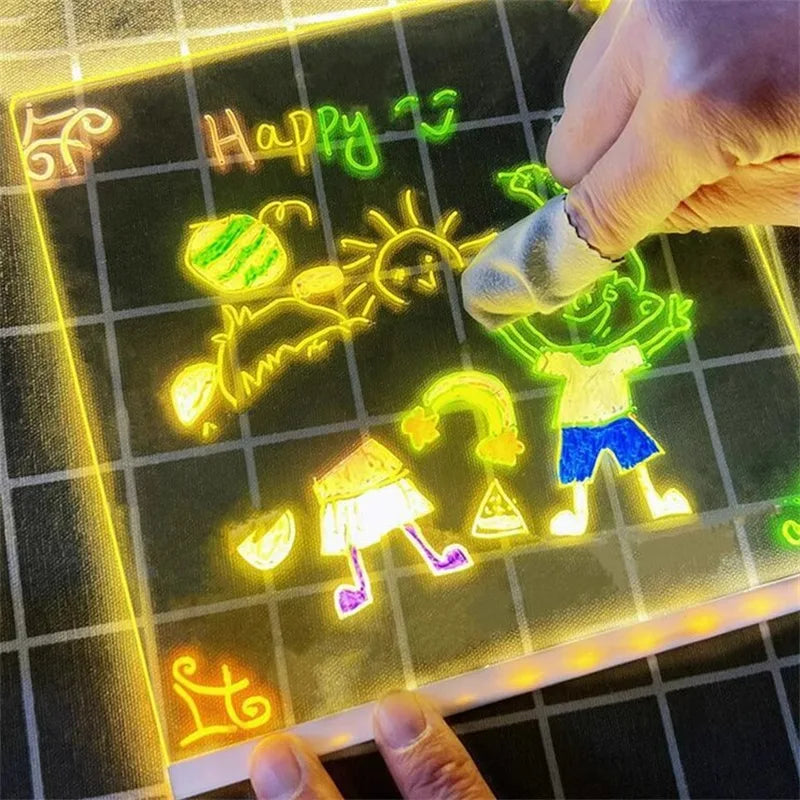
Creative writing practice for kids starts faster with visual prompts and engaging learning tools 💡 See it in action
Curious which simple tool can turn drawings into full stories? Keep reading to see how families make writing time calmer, more creative, and surprisingly fun.
👉 Explore an easy visual tool parents are using for creative play
Why Visual Prompts Help Kids Write with Confidence
Many children struggle not because they dislike writing, but because starting feels overwhelming. Visual prompts remove that pressure by giving the brain something concrete to build on.
- Pictures spark imagination instantly
- Drawing lowers fear of “wrong answers”
- Visual cues support early literacy development
- Kids stay focused longer when hands and eyes are involved
Parents often notice that once kids describe what they see, words begin to flow naturally. Stories become longer, richer, and more personal.
What Is Creative Writing Practice for Kids?
Creative writing practice for kids is a structured yet flexible way to help children express ideas through stories, descriptions, and imaginative thinking. Using visual prompts makes the process playful, helping kids connect images with language while strengthening storytelling skills in a low-pressure environment.
This approach works especially well for:
- Early readers building sentence structure
- Homeschool language arts routines
- After-school creative downtime
- Kids who resist traditional worksheets
For families focusing on learning through play, combining writing with tools from Baby Growth & Learning collections keeps routines balanced and enjoyable.
Step-by-Step Visual Writing Activities at Home
- Start with a simple drawing – shapes, characters, or places.
- Ask open questions – Who is this? What is happening?
- Build sentences together – encourage details.
- Let kids lead – spelling and grammar come later.
Short, daily sessions work better than long lessons. Ten focused minutes can be more effective than an hour of forced writing.
Tip: Pair writing time with calming routines inspired by Sensory Toys to help kids settle and focus.

Interactive drawing ideas help creative writing practice for kids feel playful and focused 💡 See it in action
👉 Learn how families turn drawings into daily storytelling moments
Interactive Drawing Ideas That Keep Kids Engaged
Rotating activities keeps creativity fresh. Try mixing these ideas throughout the week:
- Finish-the-picture storytelling
- Draw-and-describe favorite animals
- Create a story map with beginning, middle, end
- Glow-style drawing for nighttime creativity
Interactive drawing ideas work even better when kids can erase, redraw, and experiment freely—no wasted paper, no mess.
How an LED Acrylic Message Board Supports Storytelling
Creative writing practice for kids becomes easier when tools feel exciting. An LED acrylic message board lets children draw glowing pictures, trace letters, and erase instantly, keeping attention high while encouraging experimentation and storytelling without fear of mistakes.
| Feature | Benefit for Kids |
|---|---|
| Reusable surface | Encourages trial and creativity |
| Soft glowing light | Makes writing feel special and fun |
| Easy erase | Reduces frustration and pressure |
Parents appreciate how it simplifies setup and cleanup, making it a natural fit alongside learning-focused tools from Smart Baby Gadgets.
👉 See how this visual board supports calm, creative learning at home
Common Challenges Parents Face (and Easy Fixes)
- Short attention span: Keep sessions brief and visual.
- Messy supplies: Use wipe-clean tools.
- Resistance to writing: Start with drawing, not words.
- Overwhelm: Focus on ideas, not perfection.
Pairing writing time with comfortable spaces inspired by Sleep & Comfort collections can also help kids relax and open up creatively.
Creative writing practice for kids feels easier with interactive drawing ideas and engaging learning tools 💡 See it in action
👉 Bring home a simple tool that makes creative writing feel effortless
Mini FAQ
What age is best for visual writing prompts?
Most children benefit from visual prompts starting around age 4, when drawing and basic storytelling skills begin to develop.
How often should kids practice creative writing?
Short daily or every-other-day sessions work best. Consistency matters more than length.
Do visual tools replace traditional writing?
No. They support early creativity and confidence, making the transition to paper writing smoother over time.
Related Guide: How to Encourage Kids Creativity With Simple Daily Activities





