

Why Do Pool Floats Deflate? Common Causes and Easy Fixes
How do you fix and reuse a deflated pool float safely?
The safest way to reuse a deflated pool float is to identify whether the air loss is normal or caused by damage, locate any leaks, repair small punctures correctly, inflate the float to the proper firmness, and store it in a cool, dry place between uses. Following these steps helps extend the life of inflatable pool toys for adults while keeping them comfortable and reliable throughout the swimming season.
Deflated Pool Float How to Inflate Store and Reuse Safely
⏱ 6 min read
A deflated pool float can quickly interrupt a relaxing afternoon by the pool. Fortunately, not every flat float means it's ruined. Some air loss is completely normal, while other cases point to leaks, worn valves, or aging materials. Understanding the difference makes it much easier to repair, reuse, and protect your favorite float for many summers to come.

Deflated pool float fixes that save time and stress. See it in action.
Why Do Pool Floats Deflate? Normal Air Loss vs Real Leaks
How temperature changes affect air pressure
If you've ever wondered, why do pool floats deflate after sitting in cool water, the answer often comes down to physics. Warm air expands while cooler air contracts. A float inflated in direct sunlight may feel softer after entering cooler water, even when no leak is present.
Air permeability in PVC and vinyl
Most inflatable pool toys for adults are made from PVC or vinyl. These materials naturally allow tiny amounts of air to escape over time. This slow pressure loss happens even in brand-new products and is considered normal.
When deflation is normal vs a problem
A slight reduction in firmness after several hours or overnight is expected. However, a deflated pool float that loses significant air within minutes or a few hours usually indicates a valve issue, puncture, or damaged seam that requires inspection.
Valve leaks
Valves are one of the most common failure points. Dirt, sand, or a valve that isn't fully sealed can allow air to escape slowly.
Punctures and pinholes
Small punctures caused by rough pool decks, pet claws, sharp toys, or tree branches may be nearly invisible but gradually create a deflated pool toy.
Seam separation
Repeated folding, overinflation, or heavy use can weaken welded seams. Unlike punctures, seam leaks often appear along long sections instead of a single point.
UV damage and material aging
Extended exposure to sunlight gradually dries and weakens vinyl. Older floats may become brittle, making leaks more likely even during normal use.
Overinflation and excessive pressure
Completely filling a float before placing it in the sun leaves no room for expanding air. Excess internal pressure can stretch seams and shorten the float's lifespan.
How to Find the Exact Source of the Leak
Soap solution test
Mix a small amount of dish soap with water and brush it over suspected areas. Escaping air creates visible bubbles, making tiny leaks easy to locate.
Water immersion test
For smaller floats, partially submerge sections in water while gently squeezing. Rising bubbles reveal the exact location of the leak.
Listening for escaping air
In a quiet room, slowly rotate the inflated float near your ear. Slow hissing sounds often identify leaking valves or punctures before they're visible.
Inspect seams and valves carefully
Run your fingers along welded seams and around each valve. Look for cracks, lifted edges, or worn sealing surfaces before beginning repairs.
How to Fix and Reuse a Deflated Pool Float Safely
Before repairing, always confirm the exact leak location. Repair methods vary depending on the type of damage.
Repairing small punctures
- Clean and completely dry the damaged area.
- Use a vinyl repair patch or patch kit designed for inflatable products.
- Apply the patch smoothly without trapping air bubbles.
- Allow the adhesive to cure according to the manufacturer's instructions before reinflating.
Fixing valve leaks
If the valve contains sand or debris, rinse and clean it thoroughly before testing again. Some valves can be tightened or replaced, while damaged valve seals may require manufacturer replacement parts.
When replacement is the better option
If the float has multiple seam failures, large tears, brittle material, or repeated leaks after repair, replacement is usually the safest choice. Attempting to repair severely weakened vinyl often provides only temporary results.
Tips to Inflate Pool Floaties the Right Way
Recommended inflation level
The best tips to inflate pool floaties begin with avoiding maximum pressure. Inflate until the surface feels firm while still allowing slight flexibility when pressed by hand.
Avoiding overinflation
Leaving roughly 10% expansion room helps accommodate hotter temperatures and reduces stress on seams.
Choosing the right pump
To pump up the deflated float safely, use a hand pump or a low-pressure electric pump designed for inflatables. High-pressure air compressors can easily damage seams and valves.
- Lay the float flat in the shade.
- Inflate evenly across all chambers.
- Stop before the material becomes rigid.
- Close the valve securely and listen for escaping air.
This approach mirrors safety-first habits found in Health & Safety routines by reducing unnecessary wear before every swim.
Best Way to Deflate Pool Floats Without Damage
Protecting valves
Open the valve gently without twisting or forcing it. Damaged valve caps are a frequent source of future leaks.
Removing air efficiently
The best way to deflate pool floats is to roll them loosely from the opposite end toward the valve, allowing air to escape naturally instead of forcing it out.
Preparing for storage
After you deflate inflatables completely, avoid making sharp folds. Rolling large sections instead of creating tight creases helps preserve the material.
- Deflate indoors or in the shade.
- Keep valves free of sand and dirt.
- Roll instead of folding tightly.
- Store only after all air has been removed.
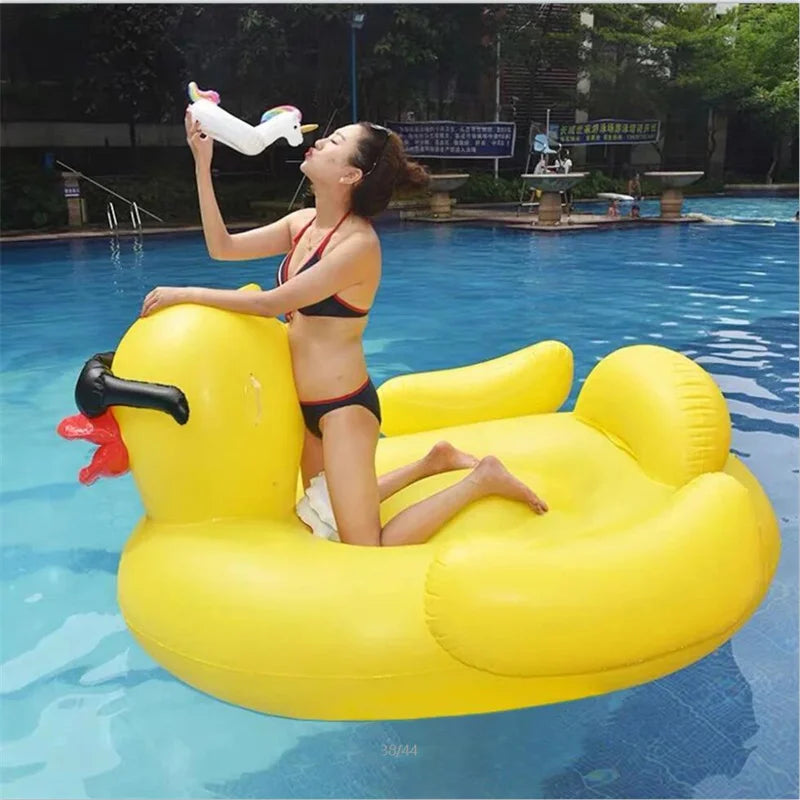
Deflate pool floats carefully to protect seams and valves. See it in action.
Storage and Maintenance Tips to Prevent Future Deflation
Cleaning before storage
Rinse away chlorine, sunscreen, and saltwater before storing. Let the float dry completely to reduce mold and material deterioration.
Protecting from heat and UV
Store your deflated pool float in a breathable storage bag away from direct sunlight and extreme garage temperatures that accelerate vinyl aging.
Routine inspections
Inspect seams, valves, and surfaces before each swimming season. Catching tiny problems early prevents larger repairs later.
- Store fully dry and completely deflated.
- Avoid stacking heavy objects on top.
- Keep away from sharp tools.
- Inspect before every pool season.
Families who already organize seasonal gear using systems from Mom Essentials often find these maintenance habits easy to maintain.
Product highlight: Inflatable Pool Float designed for comfort, balance, and repeat use.
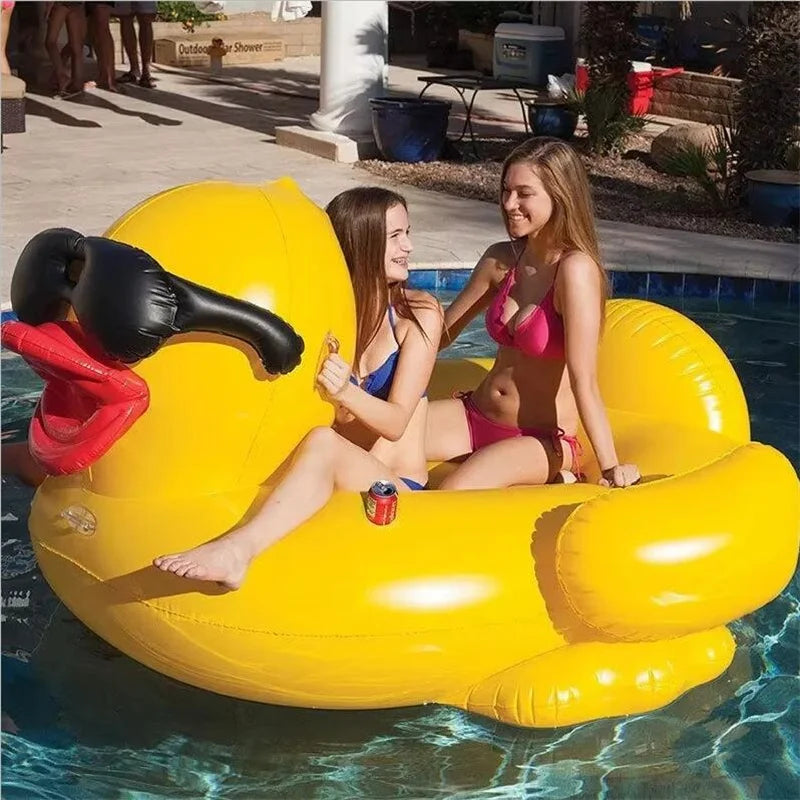
Proper care helps inflatable pool floats last for multiple seasons. See it in action.
Frequently Asked Questions
Why do pool floats deflate even without a puncture?
Small pressure changes caused by cooler water, normal air permeability through PVC, and minor temperature fluctuations can all make a float feel softer without indicating damage.
Is it normal for a pool float to lose air overnight?
Yes. A slight loss of firmness overnight is common. Rapid deflation, however, usually points to a valve leak, puncture, or seam problem.
How do I find a tiny leak in an inflatable pool float?
Use a soap-and-water solution, listen closely for escaping air, or submerge sections of the inflated float in water while watching for bubbles.
Can I repair a leaking valve instead of replacing the float?
Often yes. Clean the valve first, then inspect the seal. If the valve itself is damaged but replaceable, replacing it may restore normal performance.
Does hot weather make pool floats lose air?
Hot weather usually causes air to expand rather than shrink. However, moving from hot air into cool water can make a float temporarily feel softer.
How full should I inflate a pool float?
Inflate until the float feels firm but still has slight flexibility. Avoid completely rigid inflation to reduce seam stress during hot weather.
What is the best patch for vinyl pool floats?
Vinyl repair patches made specifically for inflatable products generally provide the strongest, longest-lasting repairs when applied to a clean, dry surface.
When should I replace a damaged pool float instead of repairing it?
Replace the float if it has multiple leaks, extensive seam separation, brittle vinyl, or repeated failures after repair, as these conditions reduce both reliability and longevity.
Related Guide: How to Choose Pool Floats That Fit Your Body and Pool





