

Developmental Toys for Toddlers That Support Early Walkers
Do walking aids help with motor skill delays in toddlers?
Motor skill delays often improve when toddlers use stable walking aids that support balance, posture, and confidence. The right tools encourage safe weight shifting, coordination, and repeated practice. When combined with play-based routines, motor skill delays can become manageable milestones rather than long-term obstacles.
Motor Skill Delays: Walking Aids That Help Toddlers Catch Up
⏱ 6 min read
Motor skill delays can feel overwhelming for parents, especially when early steps don’t come on time. The good news is that smart solutions exist for motor skills delay in infants, including hands-on motor development toys that encourage balance, coordination, and confidence. From simple play routines to the right walker push toy, small daily actions can unlock big progress faster than many expect.
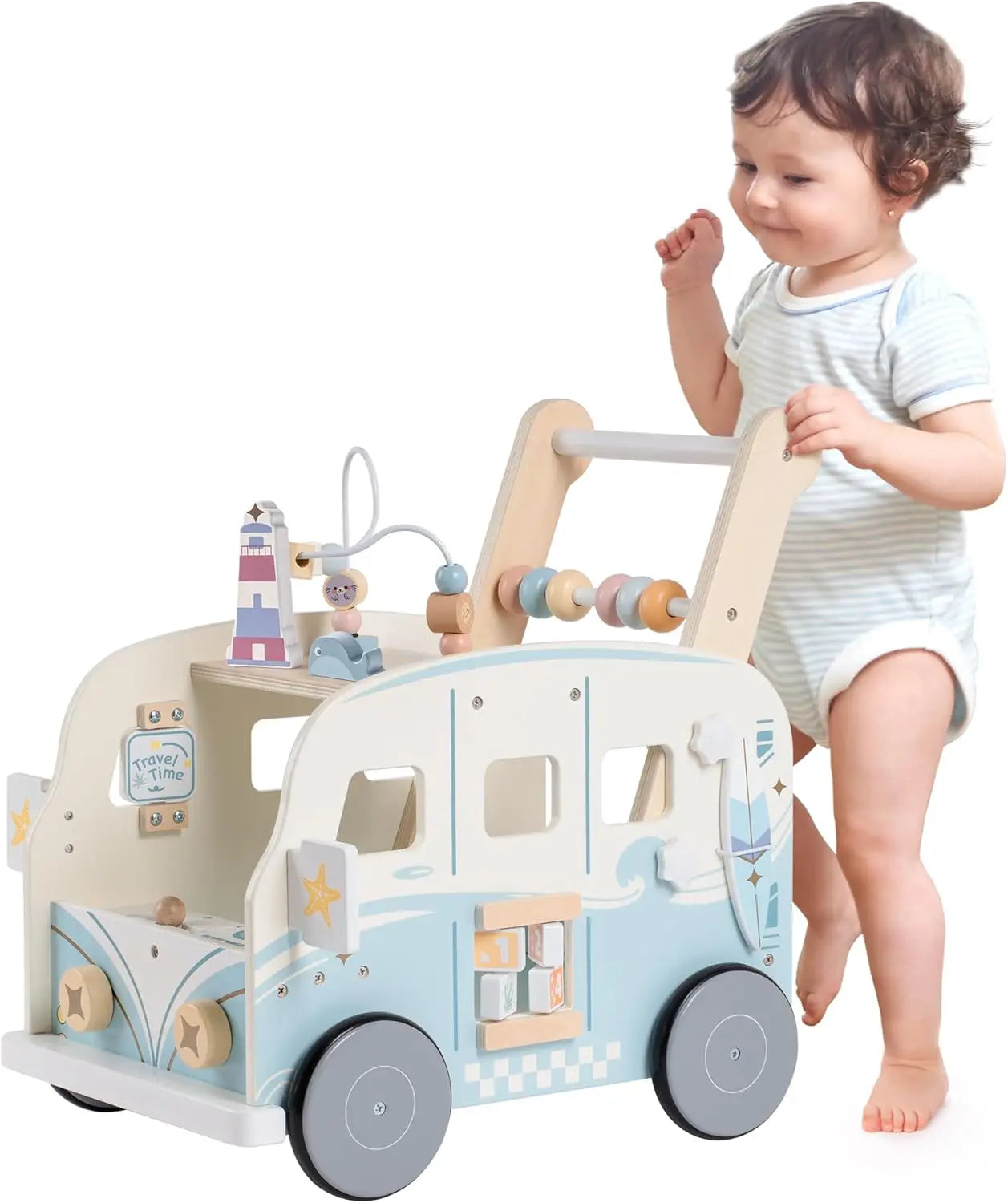
Motor skill delays and early mobility support with a walker push toy. See it in action.
Curious which simple tools can make walking practice feel like play? Keep reading to see how the right support can change daily routines.
What Are Motor Skill Delays and When Should Parents Act?
Motor skill delays happen when a child develops movement abilities more slowly than expected for their age. This can include sitting, crawling, standing, or walking. Many toddlers simply need extra time, but early support can make everyday movement feel easier and more natural.
Motor skills delay in infants often shows up as:
- Difficulty pulling up to stand
- Unsteady balance when cruising
- Limited confidence taking steps without help
- Preference for sitting rather than exploring
Parents often worry they are doing something wrong. In reality, gentle guidance and the right motor development toys can help children practice safely at their own pace.
Why Walking Aids Can Support Motor Skill Delays
Motor skill delays respond best to consistent, low-pressure practice. Walking aids give toddlers a stable surface to hold while learning how to shift weight, coordinate legs, and stay upright.
Motor skill delays improve when toddlers practice movement in ways that feel safe and playful. A well-designed walking aid encourages natural posture, supports balance, and allows repeated attempts without fear of falling.
Key Benefits of Walking Aids for Toddlers
- Encourage upright posture and balance control
- Support gradual strength building in legs and core
- Reduce frustration during early walking attempts
- Turn practice into playful exploration
Many parents pair walking aids with other items from Baby Growth & Learning to create a supportive daily environment.
How to Choose a Walker Push Toy for Motor Skill Delays
Not all walking aids are the same. A walker push toy should move at a controlled pace, stay stable, and encourage proper posture rather than pulling a child forward.
A walker push toy designed for motor skill delays supports balance without forcing movement. It allows toddlers to initiate steps themselves, building confidence and coordination through repetition.
What to Look for in a Supportive Walker
- Wide base for stability
- Weighted or resistance wheels to prevent tipping
- Comfortable handle height for upright posture
- Durable materials safe for indoor use
The wooden baby walker is often recommended by parents for its steady design and natural feel. It fits well alongside other mobility-focused tools from Mobility & Training.

A walker push toy supporting motor skills delay in infants during daily play.
Explore gentle mobility tools that encourage safe steps and steady progress.
How to Use Walking Aids to Encourage Progress
Walking aids work best when used as part of short, playful routines rather than long practice sessions. Consistency matters more than duration.
- Place the walker on a flat, open surface.
- Let your toddler pull up and grip the handle independently.
- Encourage small steps rather than speed.
- Celebrate effort, not distance.
Pair walking practice with sensory play from Sensory Toys to keep engagement high. Soft textures, gentle sounds, and bright colors help maintain focus.
Common Mistakes to Avoid
- Pushing the walker for the child
- Using it on uneven or slippery floors
- Expecting immediate results
- Skipping rest when your child seems tired
Real Parent Experiences With Motor Skill Delays
Many families notice changes within weeks of consistent use. Parents often report improved balance, longer standing time, and more confident steps.
One parent shared that after introducing a walker push toy, their toddler began cruising independently within two weeks. Another noted fewer falls and more smiles during playtime.
Combining walking aids with calming routines from Sleep & Comfort can also support overall development by ensuring proper rest between active periods.
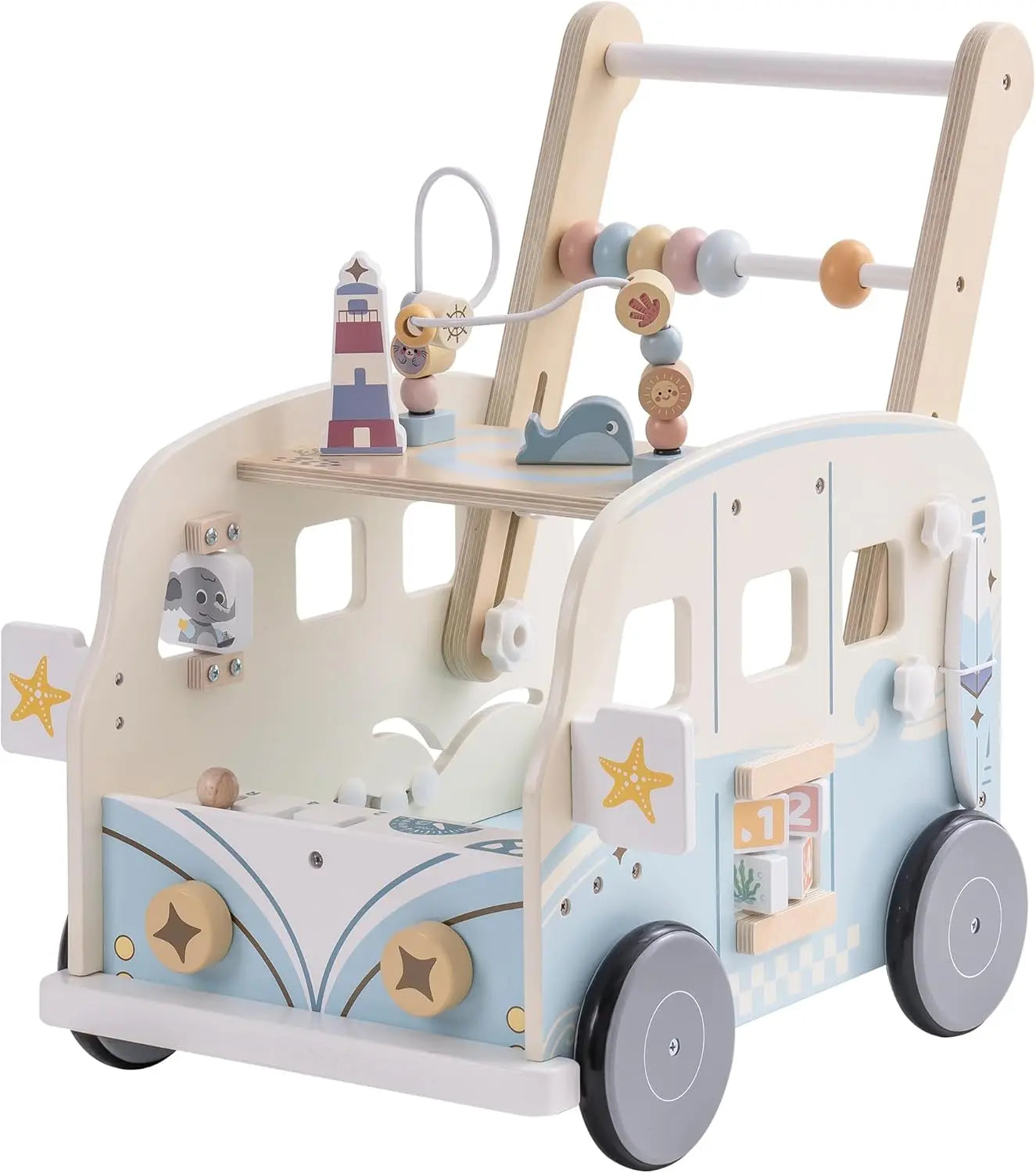
Toddler mobility progress using motor development toys and walking support.
Support your toddler’s next steps with tools designed for steady progress.
Quick FAQs About Motor Skill Delays
Are motor skill delays permanent?
Most motor skill delays are temporary. With supportive routines and the right tools, many toddlers catch up naturally over time.
When should I introduce a walking aid?
Walking aids can be introduced once your child shows interest in standing and cruising, usually between 9 and 15 months.
Can walking aids replace professional support?
Walking aids support daily practice but do not replace professional guidance if recommended. They work best as part of a broader routine.
Learn more about supportive tools for growing toddlers in Baby Care Essentials.





