

Inflatable Pool Durability Long Term: What Really Lasts?
How long does a durable inflatable pool typically last?
A durable inflatable pool can last several summer seasons when it is built with thick PVC (around 0.4–0.6 mm), reinforced heat-welded seams, and reliable air valves that minimize leaks. In most family settings, a heavy duty inflatable swimming pool provides a significantly longer service life than a budget inflatable pool, often reducing the need for frequent repairs or reinflation.
Durable Inflatable Pool Comparison: What Lasts Longest?
⏱ 6 min read
Choosing a durable inflatable pool isn't just about finding the thickest walls. Families also need a pool that withstands repeated inflation, active play, sunlight, changing weather, and everyday wear. While many products advertise "heavy-duty" construction, real durability depends on material quality, seam strength, valve design, and proper care. This guide explains the features that truly extend pool lifespan so you can invest in a model that delivers reliable backyard fun for multiple seasons.
Quick reality check: Most inflatable pools fail because of construction weaknesses—not because children use them too enthusiastically. Thin liners, poorly sealed seams, prolonged UV exposure, and low-quality valves are the most common reasons pools wear out early.
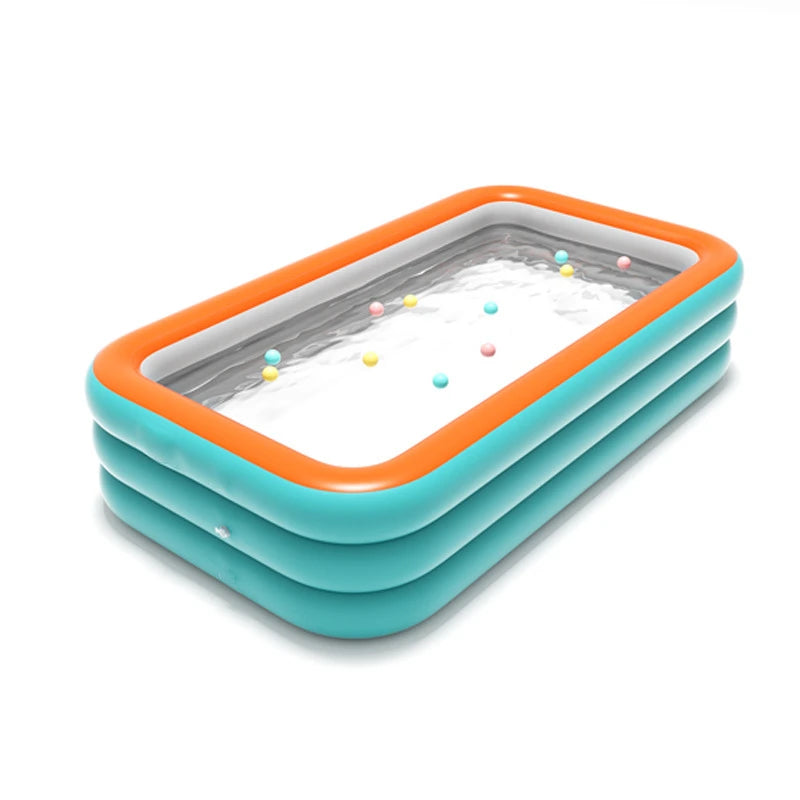
Durable inflatable pool vs PVC inflatable pool wall thickness — See it in action
What Makes an Inflatable Pool Durable?
A durable inflatable pool is designed to resist punctures, stretching, air leaks, and UV damage throughout repeated use. While wall thickness is important, long-term performance depends on how the entire pool is engineered. Strong materials combined with quality manufacturing create a pool that stays inflated longer and withstands active family use.
- Material thickness: PVC walls around 0.4–0.6 mm generally provide better puncture resistance and structural stability.
- Reinforced seams: High-quality welded seams reduce splitting caused by water pressure and repeated inflation cycles.
- Valve quality: Secure, well-designed valves help prevent gradual overnight air loss and simplify inflation.
- Base protection: A thicker floor or the use of a protective ground sheet helps minimize abrasion from concrete, gravel, or rough lawns.
Parents managing energetic children, outdoor toys, snacks, and sunscreen need a pool they can trust. Focusing on construction quality rather than marketing claims helps you choose a durable inflatable pool that requires fewer repairs and delivers better long-term value.
PVC vs Standard Vinyl: Which Material Holds Up Better?
A PVC inflatable pool generally delivers better long-term durability than one made from standard vinyl. PVC is more resistant to UV exposure, stretching, and small punctures, making it a better choice for families that set up their pool frequently throughout the summer. While standard vinyl can be suitable for occasional use, it tends to become brittle sooner after repeated exposure to heat and sunlight.
Why PVC Pools Last Longer
- Better UV resistance: PVC maintains flexibility longer, reducing cracks caused by prolonged sun exposure.
- Greater tear strength: Reinforced PVC is less likely to split around corners, air chambers, and seams.
- Stronger heat-welded construction: Quality PVC pools typically use more durable seam welding that withstands repeated inflation and deflation.
- Improved repairability: Small punctures are generally easier to patch successfully, extending the usable life of the pool.
Premium models may also feature multi-layer or reinforced PVC, providing additional puncture resistance compared with basic single-layer vinyl construction. Although these pools often cost more initially, their longer lifespan can reduce replacement expenses over several seasons.
Families often pair backyard water play with post-swim routines using items from Baby Bath Accessories, making dependable construction especially valuable. A pool that consistently holds air helps keep the day enjoyable instead of interrupting playtime with unexpected maintenance.
Heavy Duty Inflatable Swimming Pool vs Affordable Inflatable Pool
A heavy duty inflatable swimming pool is designed for frequent family use with thicker materials, reinforced construction, and stronger air chambers. An affordable inflatable pool emphasizes lower purchase cost and portability, making it suitable for occasional use but generally less resistant to long-term wear.
Heavy Duty Inflatable Swimming Pool: Pros & Cons
- ✅ Thick PVC walls, typically around 0.5–0.6 mm
- ✅ Better resistance to punctures, stretching, and seam stress
- ✅ Longer expected lifespan with proper maintenance
- ✅ Improved air retention during extended use
- ❌ Higher upfront investment
- ❌ Larger models require more storage space when not in use
Affordable Inflatable Pool: Pros & Cons
- ✅ Lower purchase price
- ✅ Lightweight and easy to carry or store
- ✅ Quick inflation for occasional backyard play
- ❌ Thinner liners, often around 0.2–0.3 mm
- ❌ Greater likelihood of punctures and seam wear
- ❌ More frequent repairs or replacement after heavy seasonal use
When comparing total ownership cost instead of purchase price alone, many heavy duty inflatable swimming pools offer better long-term value. A pool that lasts multiple summers often costs less per season than replacing a budget model every year.
For families already investing in safety essentials from Health & Safety, choosing a more durable pool can be a practical way to reduce maintenance, unexpected repairs, and replacement costs while providing more reliable outdoor fun.
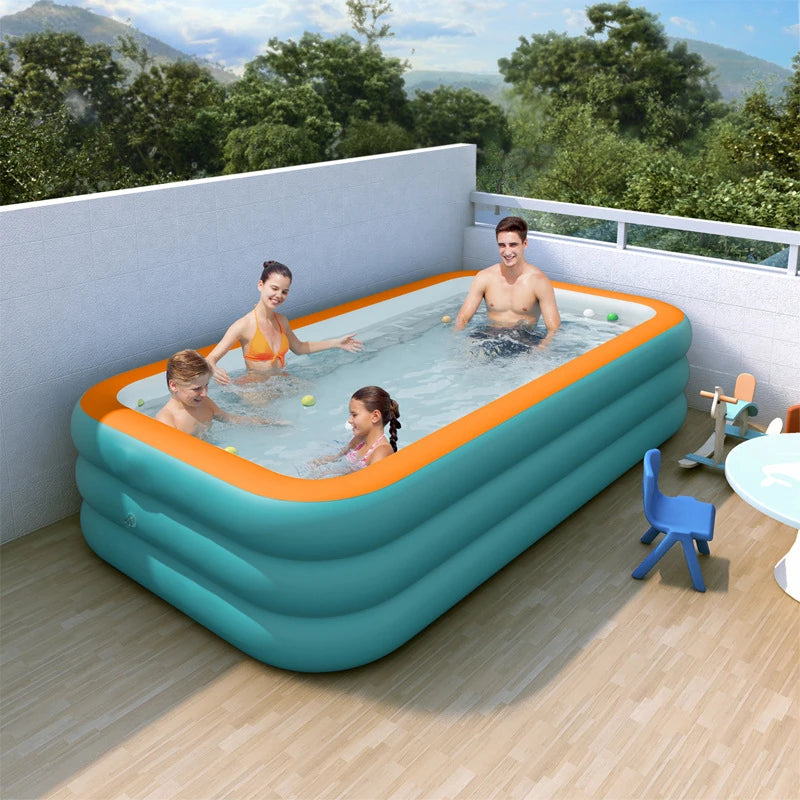
Heavy duty inflatable swimming pool seam strength — See it in action
| Feature | Heavy Duty Inflatable Swimming Pool | Affordable Inflatable Pool |
|---|---|---|
| Primary Material | Thick PVC (typically 0.5–0.6 mm) | Thin vinyl (typically 0.2–0.3 mm) |
| Expected Lifespan | Approximately 2–3 summers with proper care | Often around 1 season with frequent use |
| Puncture Resistance | High | Moderate to low |
| Air Retention | Excellent due to stronger seams and valves | Moderate to poor over extended use |
| Maintenance Needs | Less frequent patching and reinflation | More frequent inspections and repairs |
| Best For | Large families, frequent backyard use, multi-season value | Occasional summer play and budget-conscious buyers |
While heavy-duty models usually cost more initially, they often provide a lower cost of ownership over time because they require fewer repairs and replacements. Families planning regular backyard use generally benefit from investing in stronger construction rather than replacing a lower-priced pool every season.
Many parents exploring inflatable swimming pool options discover that selecting thicker materials, reinforced seams, and dependable valves offers better long-term value than focusing on the lowest purchase price alone.
Simple Care Tips to Extend Pool Life
Even a durable inflatable pool needs routine care to maximize its lifespan. A few preventative habits can reduce punctures, slow UV damage, and help your pool stay in excellent condition for multiple summers.
- Use a protective base: Place a tarp, foam mat, or ground cloth underneath the pool to reduce abrasion from rocks, sticks, and rough concrete.
- Clean before storage: Rinse away dirt, sunscreen residue, and pool chemicals, then allow the pool to dry completely before folding it.
- Avoid over-inflation: Air expands in hot weather, so leave a little flexibility in the chambers to reduce stress on seams.
- Store in a cool, dry place: Keep the folded pool away from direct sunlight, moisture, rodents, and sharp objects during the off-season.
These simple maintenance habits pair well with broader family organization routines—such as keeping outdoor essentials organized through Mom Essentials—making seasonal setup faster and helping outdoor play stay stress-free.
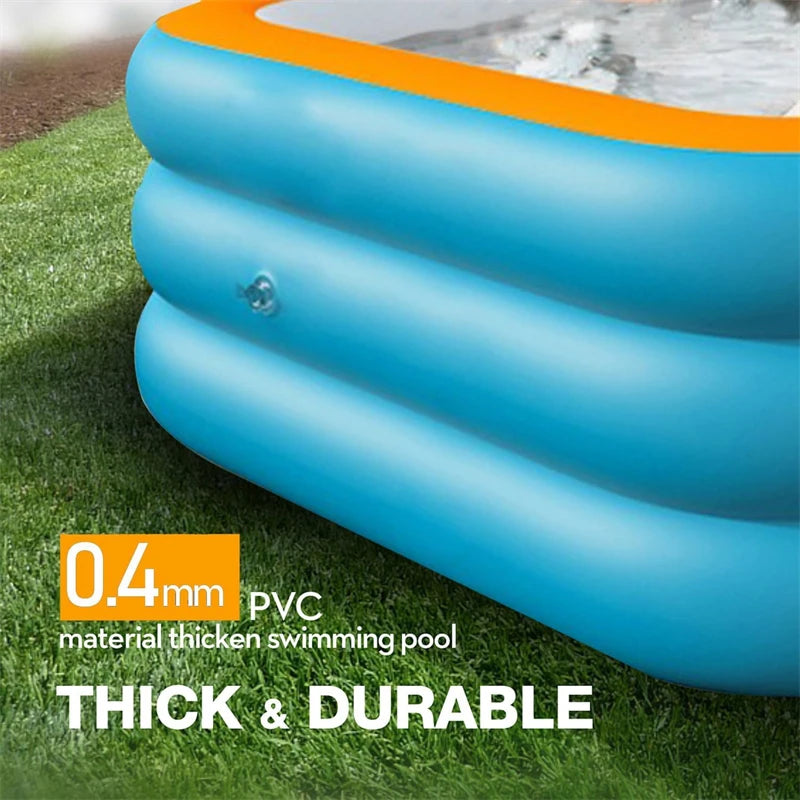
Affordable inflatable pool vs durable inflatable pool wear over time — See it in action
Quick FAQ
How long do inflatable pools last with daily use?
A well-built inflatable pool made from thick PVC and reinforced seams commonly lasts 2–3 summers with regular family use. Lower-cost vinyl models used daily may require replacement after one season.
Are inflatable pools durable enough for long-term use?
Yes. Heavy-duty inflatable pools designed with quality PVC, reinforced seams, and reliable valves can provide dependable performance for several seasons when properly maintained and stored.
What is the most durable inflatable pool material?
Reinforced PVC is generally considered the most durable material because it offers excellent puncture resistance, improved UV protection, and stronger seam performance compared with standard vinyl.
Does reinforced PVC last longer than standard vinyl?
In most situations, yes. Reinforced PVC better withstands repeated inflation, sunlight, and active family use, making it a better choice for long-term durability.
Can an inflatable pool last more than five years?
Some premium inflatable pools can exceed five years when used carefully, protected from prolonged UV exposure, cleaned regularly, and stored correctly between seasons. Actual lifespan depends on usage frequency and construction quality.
Should I repair or replace a leaking inflatable pool?
Small punctures and isolated leaks are usually worth repairing with an appropriate patch kit. However, multiple seam failures, large tears, or repeated valve leaks often indicate that replacement is the safer and more economical option.
Does chlorine reduce inflatable pool lifespan?
Properly balanced pool chemicals generally do not damage quality PVC. Problems are more likely when chlorine concentrations remain excessively high or chemical residue is left on the pool during storage.
How should I store an inflatable pool over winter?
Clean the pool thoroughly, let it dry completely, fold it loosely to avoid sharp creases, and store it indoors in a cool, dry location away from sunlight, pests, and extreme temperatures.
Bottom line: Choosing a durable inflatable pool built with thick PVC, reinforced seams, and dependable valves—combined with proper maintenance and storage—helps reduce repairs, minimize air loss, and deliver more seasons of reliable backyard fun.
Related Guide: Best Inflatable Pool for Backyard Compared for Families





