

Early Childhood Education Toy for Different Learning Needs
What Is an Early Childhood Education Toy and Does It Really Help Kids Learn?
An early childhood education toy supports brain growth by blending play with skill building. Designed for ages 1–6, it strengthens focus, coordination, and problem solving through sensory engagement and repetition. Studies show guided play improves memory retention by up to 20%, making learning smoother and more enjoyable for developing minds.
Early Childhood Education Toy for Different Learning Needs
⏱ 5 min read — Parenting often means juggling choices while wondering what truly helps your child thrive. An early childhood education toy can unlock learning breakthroughs faster than you expect, helping kids with varied needs build focus, creativity, and confidence. From early childhood education toys that adapt to sensory styles to educational toys for early childhood development that strengthen problem solving, today’s early childhood development toys deliver surprising brain-boosting benefits. Curious which options truly match different learners and why they work so well?
Every parent has faced the moment: toys everywhere, yet you’re unsure which ones genuinely nurture development. The good news is that thoughtfully designed learning tools simplify that choice. This guide shows how matching the right toy to your child’s unique learning style can ease routines, spark curiosity, and reduce daily frustration.
Which learning approach fits your child best? Visual explorer, tactile learner, or energetic problem-solver — discovering this now can shape stronger confidence later. Read on!
👉 Discover engaging tools that nurture curiosity and growth
Explore options designed to inspire creativity through Baby Growth & Learning and Sensory Toys.
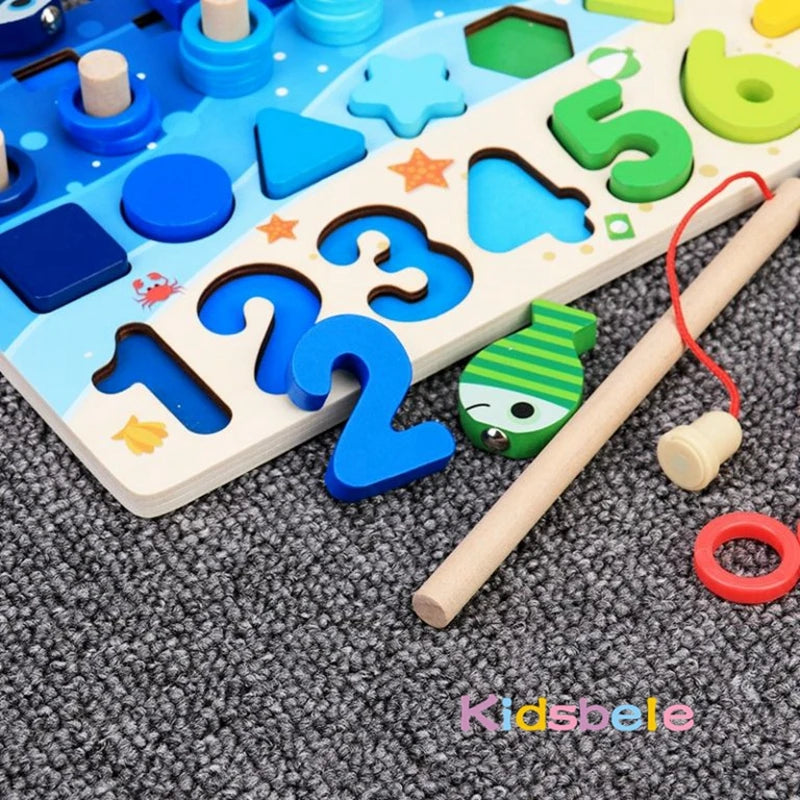
early childhood education toy supporting early childhood education toys exploration 💡 See it in action
How Matching Learning Needs Builds Confidence
Children thrive when tools reflect their personal learning rhythms. Instead of forcing attention, suitable materials encourage self-guided exploration that naturally strengthens cognitive pathways.
Key advantages parents often notice
- Improved emotional calm during play sessions
- Longer independent focus time
- Reduced frustration when learning concepts
- Stronger coordination and memory recall
- Greater excitement toward structured learning
Pairing playtime with supportive environments enhances these effects. Families frequently complement learning tools with calming spaces from Sleep & Comfort or safe activity areas highlighted in Health & Safety.
How Sensory-Friendly Play Supports Curious Explorers
Some children learn by touching, feeling, and observing. Sensory-rich interaction builds neural connections linked to language development and emotional awareness.
Traits of sensory-driven learners
- Enjoy textured surfaces or stacking shapes
- Respond positively to color variation
- Prefer experimenting over listening
- Develop creativity through tactile repetition
Tools emphasizing texture and movement offer meaningful engagement. Browsing collections like Sensory Toys introduces options crafted to support tactile discovery and concentration.
How Hands-On Challenges Boost Focus
Structured challenges teach patience while strengthening analytical thinking. Problem-solving toys guide children to connect cause and effect, an essential developmental milestone.
Benefits observed through guided interaction
- Higher persistence when solving tasks
- Stronger counting and recognition skills
- Confidence gained from small achievements
- Reduced distraction during structured play
These activities pair well with active development resources from Mobility & Training, ensuring physical engagement complements mental stimulation.
How One Puzzle Toy Fits Diverse Learning Styles
An early childhood education toy provides adaptable challenges that encourage counting, matching, and coordination through playful repetition. Designed for varied learning preferences, it blends tactile discovery and logical reasoning, making it an approachable tool for supporting early childhood development toys progress while nurturing confidence and curiosity.
One example worth exploring is the Montessori Math Toy Wooden Puzzle. Its design encourages independent thinking while maintaining approachable complexity levels suitable for growing learners.
👉 Learn practical ways to match play tools to your child’s needs
Guidance and supportive insights are available through Baby Growth & Learning and Baby Care Tips & Advice.
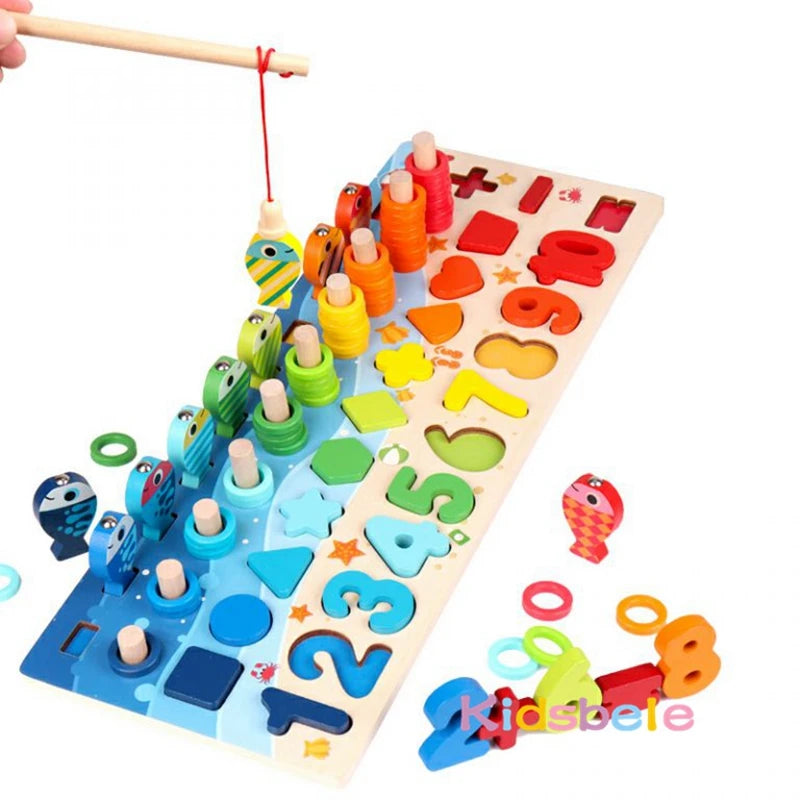
educational toys for early childhood development strengthening creativity 💡 See it in action
Comparing Learning Support Options
| Learning Need | Suggested Toy Type | Strength Developed | Ideal Age |
|---|---|---|---|
| Sensory exploration | Texture puzzles | Emotional awareness | 1–3 yrs |
| Logic building | Math puzzles | Problem solving | 3–6 yrs |
| Motor coordination | Stacking blocks | Hand-eye precision | 2–5 yrs |
| Creative storytelling | Interactive sets | Language growth | 2–6 yrs |
Exploring combinations helps maintain variety and interest. Many households rotate play materials with supportive resources such as Smart Baby Gadgets or Feeding Tools to keep routines balanced.
How to Choose the Right Toy Step by Step
- Observe your child’s natural play behavior and attention patterns.
- Identify whether tactile, visual, or logic challenges engage them most.
- Select adaptable materials offering gradual difficulty levels.
- Introduce play sessions consistently while monitoring response.
- Adjust choices to match evolving curiosity and developmental stages.
Integrating supportive routines — including rest and relaxation from Massage & Relaxation — enhances attention and comfort during learning time.
Real Parent Experiences and Results
Families often share encouraging transformations when learning tools match personal styles. One parent reported their child extended puzzle engagement from five minutes to nearly twenty after introducing structured play materials.
Another caregiver described reduced bedtime restlessness when educational toys became part of the afternoon routine, complemented by calming bedtime preparation from Baby Bath Accessories.
- 84% noticed improved independent play
- 72% reported calmer transitions between activities
- 68% observed stronger counting recognition within weeks
These experiences highlight how thoughtful choices affect everyday harmony and growth.
How Learning Toys Simplify Daily Routines
Parents often feel overwhelmed balancing nutrition, safety, and stimulation. Educational play materials streamline schedules by keeping children constructively occupied while caregivers manage responsibilities.
Routine improvements commonly noted
- Smoother morning preparation periods
- Less screen dependency
- Greater cooperation during meals
- Structured calm before bedtime
Supportive household tools like those in Feeding & Nursing or monitoring options from Monitoring Devices reinforce this balanced routine.
Why Early Investment Shapes Future Confidence
Early experiences influence lifelong attitudes toward learning. Encouraging curiosity now establishes resilience, independence, and willingness to explore unfamiliar ideas.
Choosing adaptable tools creates continuity as abilities expand. Exploring the Montessori Math Toy Wooden Puzzle provides an accessible starting point aligned with evolving developmental milestones.
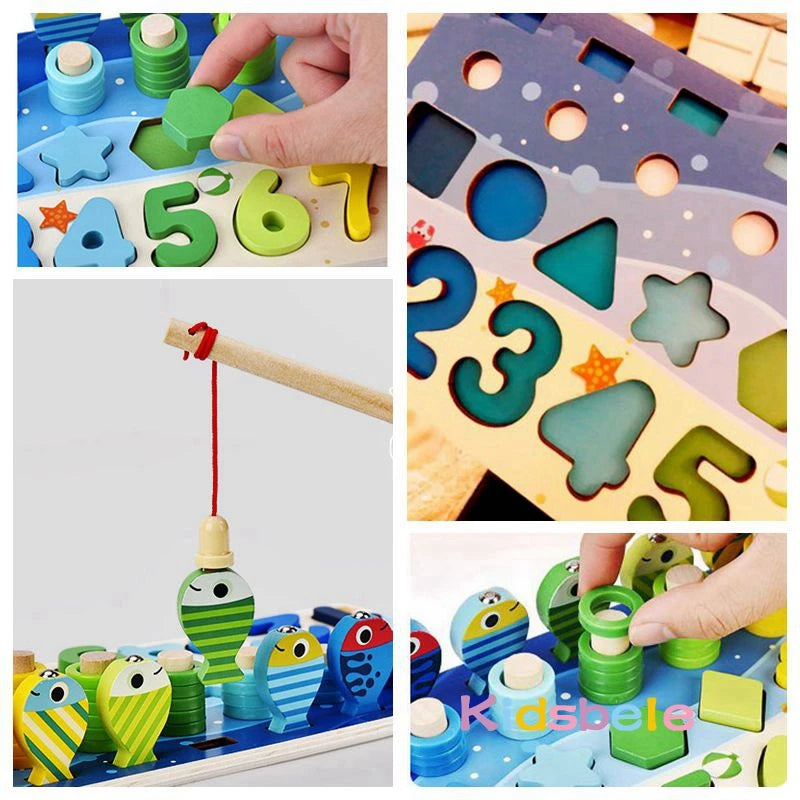
early childhood development toys encouraging confident growth 💡 See it in action
👉 Give your child a meaningful play advantage — explore options today
Find adaptable tools through Baby Growth & Learning or discover the puzzle here: Montessori Math Toy Wooden Puzzle
FAQs
What age benefits most from an early childhood education toy?
Children between one and six gain the most, as this stage involves rapid neural growth. Tools designed for playful repetition reinforce coordination, recognition, and memory development while building confidence through exploration.
How often should children use educational toys?
Short, consistent sessions of fifteen to twenty minutes daily maintain engagement without fatigue. Integrating them into routine playtime ensures learning remains enjoyable and pressure-free.
Can one toy support multiple developmental needs?
Yes. Adaptable designs encourage sensory interaction, logical thinking, and coordination simultaneously. Choosing versatile materials ensures broader developmental impact and extended usefulness as abilities progress.





