

Early Childhood Learning Toy Features That Boost Real Results
Does an early childhood learning toy really improve real skills?
An early childhood learning toy supports measurable growth by combining hands-on problem solving, sensory feedback, and self-directed play. When thoughtfully designed, it builds focus, early math confidence, and reasoning skills through repetition and discovery—without screens or pressure—making learning feel natural and enjoyable for young children.
Early Childhood Learning Toy Features That Boost Real Results
⏱ 8 min read
An early childhood learning toy can do more than entertain—it can quietly shape how young minds think, solve, and explore. When designed well, these toys support hands on learning for preschoolers, spark confidence through hands on learning activities for kindergarten, and even introduce hands on learning math without pressure or screens. The surprising part is how small design features drive big developmental gains, from focus to problem-solving. Which features actually make the difference you can see?
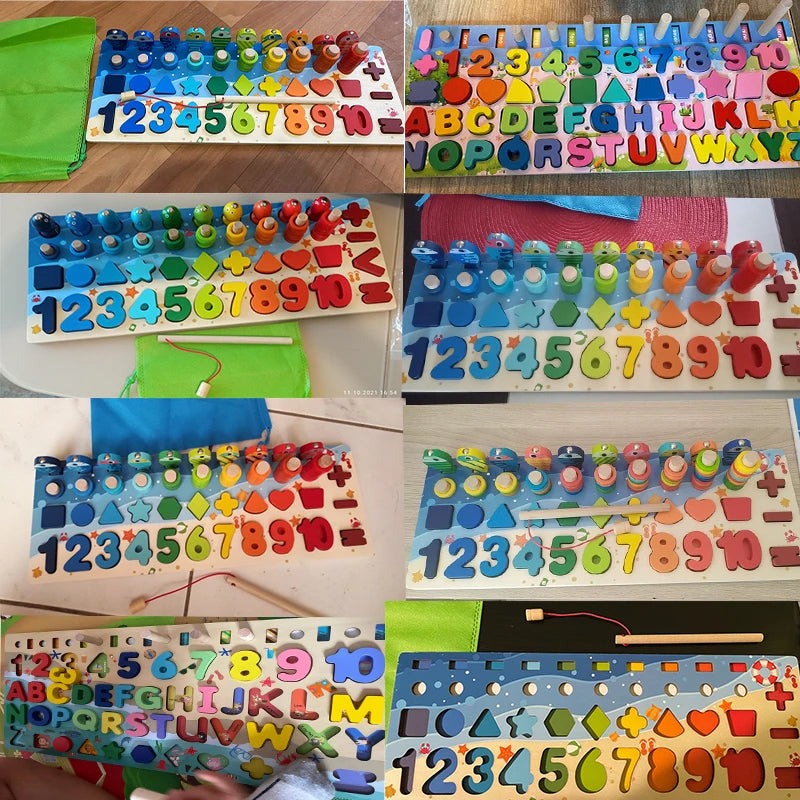
Early childhood learning toy supporting hands on learning for preschoolers 💡 See it in action
What makes an early childhood learning toy effective?
An early childhood learning toy works best when it encourages active participation instead of passive observation. The strongest designs invite children to touch, move, sort, count, and experiment. This type of interaction helps the brain connect actions with outcomes, which strengthens memory and understanding.
Parents often worry about toys that claim to teach but don’t hold attention for more than a few minutes. Effective learning toys solve this by offering open-ended play. There’s no single “right” way to use them, which keeps children engaged longer and allows skills to develop at their own pace.
This approach aligns naturally with hands on learning for preschoolers, where repetition and exploration matter more than instructions or screens.
Why hands-on design changes how children learn
Hands-on design shifts learning from something children are told into something they experience. When kids physically manipulate pieces, they test ideas in real time. This process strengthens problem-solving skills and builds patience through trial and error.
For hands on learning activities for kindergarten, this matters even more. At this stage, children are developing fine motor control and early reasoning. Toys that require grasping, stacking, or matching help synchronize physical movement with cognitive growth.
- Improves focus by keeping hands and mind engaged
- Encourages independent discovery
- Reduces frustration by allowing self-correction
- Builds confidence through small, repeatable successes
Many parents pair learning toys with resources from Baby Growth & Learning to create a consistent play environment that supports these skills daily.
How hands-on learning math builds confidence early
Hands on learning math removes fear by turning abstract numbers into visible, touchable concepts. Instead of memorizing, children see quantities, patterns, and relationships. This builds understanding before formal instruction begins.
When children slide beads, stack blocks, or match quantities, math becomes intuitive. Mistakes feel safe because they can immediately adjust and try again. Over time, this builds confidence that carries into school settings.
Parents often notice that children who play this way approach counting and problem-solving with curiosity instead of hesitation.
Key features that deliver real results
1. Self-correcting design that teaches without pressure
Self-correcting features allow children to recognize mistakes on their own. Pieces fit only one way or align visually when correct. This removes the need for constant adult intervention and supports independent learning.
This feature is especially effective for hands on learning for preschoolers, where autonomy builds motivation and persistence.
2. Natural materials that engage the senses
Learning toys made with solid, textured materials offer sensory feedback that plastic or digital toys often lack. Weight, texture, and sound all contribute to deeper engagement.
Many families combine these toys with items from Sensory Toys to support tactile exploration and calm focus during playtime.
3. Open-ended play for growing skill levels
An effective early childhood learning toy grows with the child. Younger children may focus on simple sorting or stacking, while older children explore patterns, counting, or basic equations using the same toy.
This flexibility makes it easier for parents to justify long-term value when comparing options.
4. Fine motor skill development built into play
Grasping small pieces, aligning shapes, and placing components carefully all strengthen hand muscles. These skills support writing, self-care tasks, and classroom readiness.
Toys that integrate movement naturally prepare children for structured activities without making play feel like practice.
5. Calm, focused play without overstimulation
Bright lights and sounds can overwhelm young children. Toys designed with calm colors and simple mechanics help children focus longer and reduce fatigue.
This is especially helpful for families prioritizing peaceful routines alongside items from Sleep & Comfort.
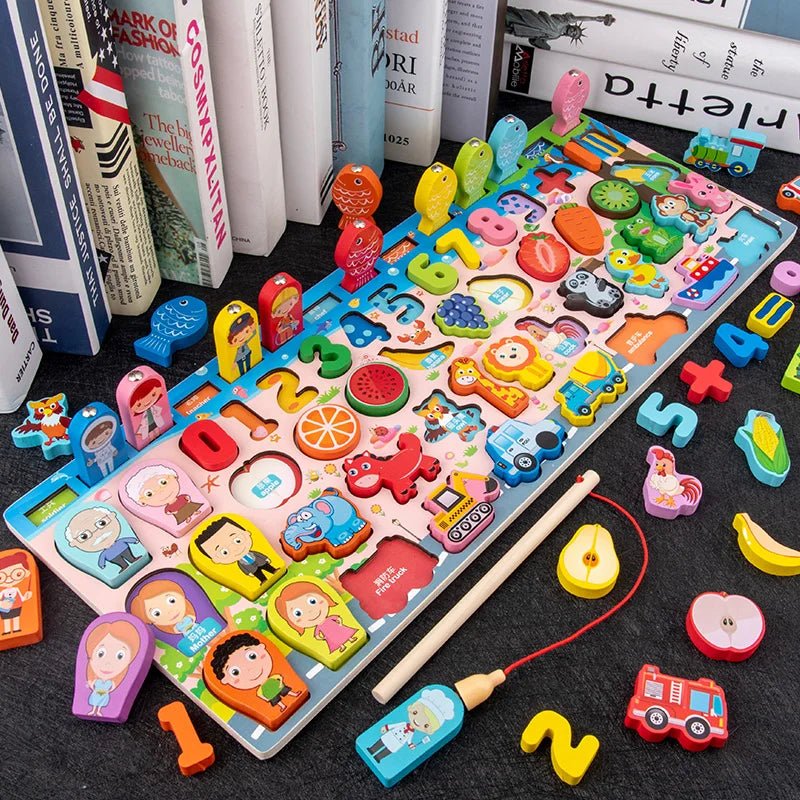
Hands on learning activities for kindergarten that build confidence 💡 See it in action
How this toy compares to common alternatives
| Feature | Hands-On Learning Toy | Screen-Based Toy | Single-Use Puzzle |
|---|---|---|---|
| Active participation | High | Low | Medium |
| Skill progression | Grows with child | Fixed levels | Limited |
| Math confidence | Strong | Surface-level | Moderate |
| Independent play | Encouraged | Guided | Short-term |
When comparison shopping, many parents notice that open-ended learning toys deliver longer engagement and more transferable skills than alternatives that rely on instructions or screens.
Real-life learning scenarios at home and school
At home, a child may begin by sorting pieces by color. Over time, that same activity becomes counting, grouping, and simple addition. These moments often happen organically during quiet play.
In classroom settings, teachers use similar toys to support small-group learning. Children collaborate, explain their thinking, and learn from peers—key social skills alongside academics.
Families often pair learning play with supportive environments using resources from Mobility & Training to encourage movement and coordination throughout the day.
Which children benefit most from this type of toy
This type of early childhood learning toy benefits a wide range of learners:
- Preschoolers developing early counting and sorting skills
- Kindergarten-age children building math confidence
- Children who learn best through movement and touch
- Families seeking calm, screen-free play options
Because play adapts to the child’s level, it works equally well for independent exploration or guided activities with parents and educators.
Parents often choose to complement these toys with trusted essentials from Baby Care Essentials to support daily routines alongside learning.
Why parents choose this learning toy over others
Parents consistently share that children return to this toy day after day. The reason is simple: it feels like play, not instruction. Skills develop naturally through repetition and curiosity.
Many families also appreciate the durability and thoughtful design, making it a reliable choice for siblings or classroom use.
For those exploring hands on learning math tools, this option stands out for its balance of simplicity and depth.
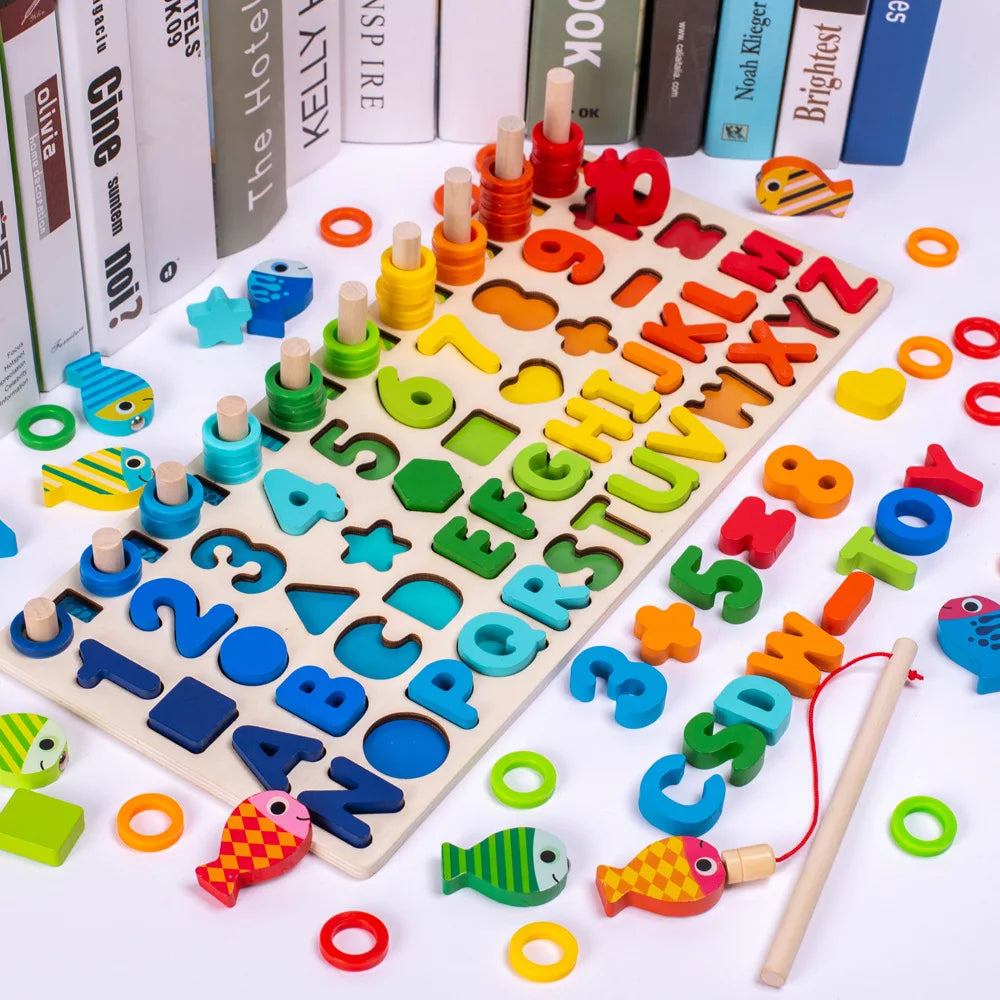
Early childhood learning toy designed for hands on learning math 💡 See it in action
Frequently asked questions
What age is an early childhood learning toy best for?
Most early childhood learning toys are suitable from ages 3 to 6. Open-ended designs allow younger children to explore basic concepts while older children build more advanced skills using the same materials.
Can one toy really support hands on learning math?
Yes. When a toy includes counting, grouping, and pattern-building elements, children naturally practice math skills through play, building understanding without formal lessons.
Is hands-on learning better than digital learning for young children?
For early development, hands-on learning supports deeper understanding by connecting physical movement with thinking. Many parents choose tactile toys to balance or reduce screen exposure during early years.





