

Early Childhood Play That Fits Different Learning Styles
What is early childhood play and why does it matter?
Early childhood play helps children learn by doing, exploring, and imagining. Through early childhood play, kids build language, emotional awareness, and problem-solving skills. When activities fit different learning styles, pretend play in early childhood supports confidence, creativity, and strong social connections that last well beyond the preschool years.
Early Childhood Play That Fits Different Learning Styles
⏱ 8 min read
Early childhood play shapes how children learn, connect, and express ideas long before formal lessons begin. When play matches how a child naturally explores the world, learning feels joyful instead of forced. From pretend play in early childhood to hands-on discovery, the right activities help children feel understood, capable, and eager to grow.
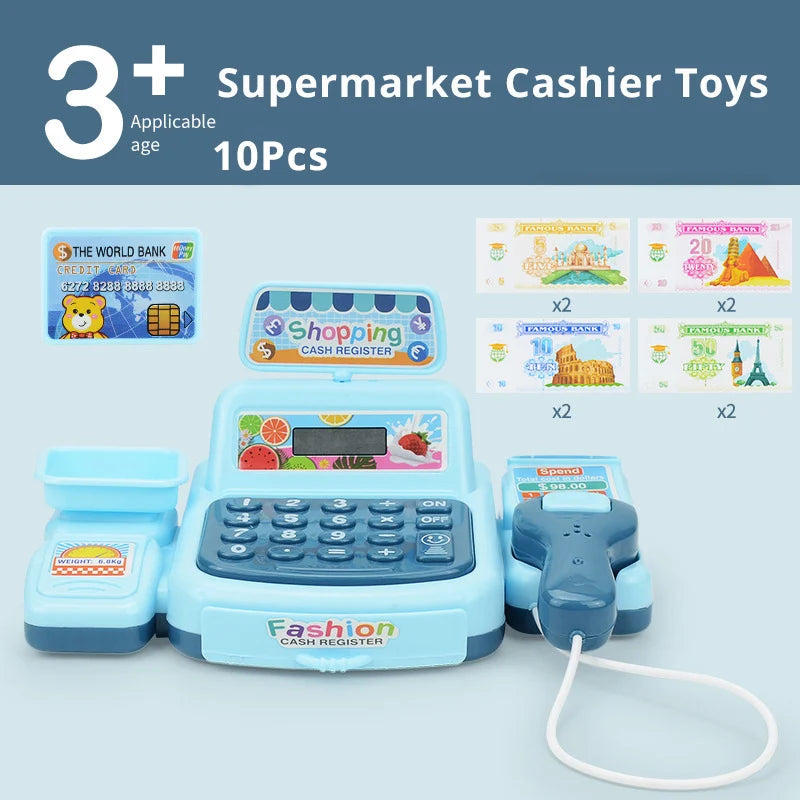
Early childhood play and pretend play in early childhood help children explore real-world roles. 💡 See it in action
Which play style fits your child best? Some children love to talk things through, others prefer to build, move, or imagine. Recognizing these differences early can reduce frustration and help your child feel successful from the start.
👉 Discover playful ways to support your child’s natural learning style.
Why Early Childhood Play Supports Every Learning Style
Early childhood play gives children the freedom to learn at their own pace. Instead of memorizing information, they experiment, repeat, and adjust. This process strengthens memory, attention, and emotional regulation while keeping learning enjoyable.
Research consistently shows that children engaged in meaningful play:
- Develop stronger language and communication skills
- Practice emotional control and empathy
- Learn cooperation and turn-taking
- Build confidence through self-directed success
Parents often notice fewer power struggles and more curiosity when play replaces pressure.
Understanding Different Learning Styles in Young Children
Every child processes information differently. Early childhood play becomes more effective when it aligns with these natural preferences.
Visual Learners: Learning by Seeing
Visual learners respond to colors, shapes, and images. They enjoy sorting, matching, and observing details.
- Puzzle games with clear pictures
- Role-play sets with recognizable symbols
- Picture-based storytelling toys
Many parents find that combining visual tools with pretend play development helps these children express ideas more clearly.
Auditory Learners: Learning by Listening
These children learn through sound, rhythm, and conversation. They often enjoy narrating play or repeating phrases.
- Interactive role-play with dialogue
- Singing games and rhythmic activities
- Pretend play in early childhood that involves storytelling
Auditory learners often thrive with toys for social development that encourage back-and-forth communication.
Kinesthetic Learners: Learning by Doing
Hands-on learners need movement and physical interaction. Sitting still can feel challenging.
- Build-and-play sets
- Role-play toys involving actions
- Activities that mimic real-life tasks
For these children, pretend play development feels most meaningful when it mirrors daily routines.
Social Learners: Learning with Others
Social learners thrive on interaction. They enjoy cooperative play and shared goals.
- Group role-play scenarios
- Games that involve taking turns
- Toys for social development that encourage empathy
These children often show rapid growth in communication when play includes peers or family members.
How Pretend Play Builds Social and Emotional Skills
Pretend play in early childhood allows children to safely explore emotions, roles, and responsibilities. By acting out everyday situations, kids learn how the world works and where they fit within it.
Pretend play development supports:
- Understanding feelings and perspectives
- Problem-solving through imagination
- Confidence in expressing ideas
- Healthy risk-taking in a safe environment
Parents often notice that children who engage in regular pretend play handle frustration better and communicate needs more clearly.
Choosing Toys That Match Your Child’s Learning Style
The best toys don’t overwhelm; they invite exploration. When selecting toys for social development, consider how your child naturally engages with the world.
- Does your child talk through play or stay quiet and focused?
- Do they prefer building, pretending, or moving?
- Are they energized by others or happiest playing alone?
Exploring options from Baby Growth & Learning can help parents find toys that support development without overstimulation.
👉 Learn step-by-step how to choose toys that truly fit your child.
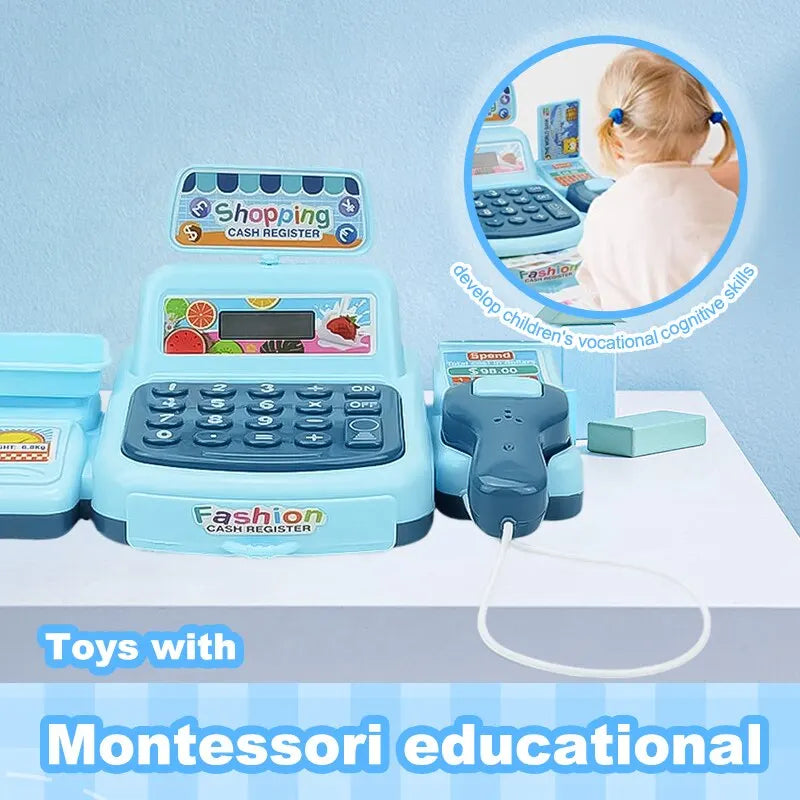
Pretend play development encourages communication and confidence. 💡 See it in action
Why Pretend Shopping Games Feel So Real to Kids
Pretend shopping taps into familiar routines children observe daily. Scanning items, counting money, and greeting customers all feel meaningful.
This type of early childhood play strengthens:
- Basic math and counting skills
- Language and polite conversation
- Turn-taking and patience
- Understanding community roles
Many parents choose pretend cashier sets because they naturally blend learning with fun. A simulation cashier toy encourages cooperative play while supporting pretend play in early childhood.
For families exploring role-based toys, browsing Sensory Toys alongside social play options can create balanced play experiences.
👉 Get yours now — limited stock!
Making Early Childhood Play Part of Everyday Life
Play doesn’t need a special schedule. Simple moments often become the most powerful learning opportunities.
- Let your child “help” with safe household tasks
- Encourage role-play during errands or routines
- Rotate toys to keep curiosity fresh
- Follow your child’s lead instead of directing play
Parents who adopt child-led play often notice smoother routines and stronger emotional bonds.
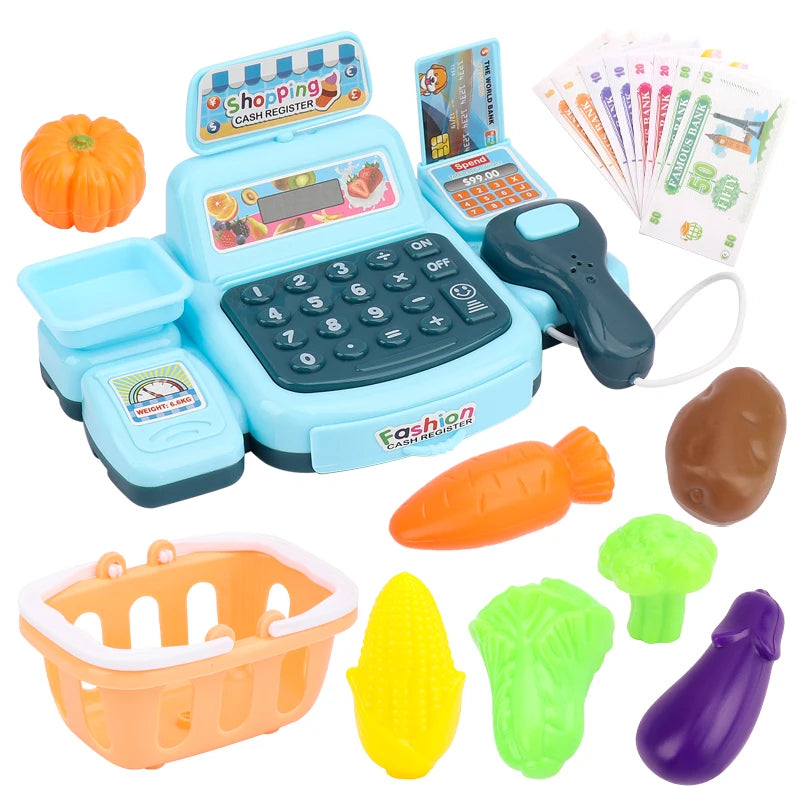
Toys for social development turn daily moments into learning opportunities. 💡 See it in action
Frequently Asked Questions
How much play time does a young child need each day?
Most experts recommend several hours of active and imaginative play spread throughout the day. Short, frequent play sessions often work better than long, structured ones.
Is pretend play suitable for quiet or shy children?
Yes. Pretend play in early childhood allows shy children to express themselves without pressure. Solo role-play can feel safe while still building communication skills.
What if my child loses interest quickly?
Rotating toys and following your child’s interests helps. Open-ended toys for social development encourage longer engagement because they adapt to different ideas.





