

Early Childhood Toys That Match Every Learning Stage
Does hands on math activities for kindergarten really improve learning?
Hands on math activities for kindergarten help children understand numbers faster by turning abstract ideas into real objects they can touch and move. Studies show kids using manipulatives grasp addition and subtraction up to 40% quicker, boosting confidence, focus, and long-term math readiness.
Hands on math activities for kindergarten: Easy daily routine guide
Struggling to keep your child focused on numbers? Many parents worry about short attention spans, confusing worksheets, and growing gaps in early math skills. This simple daily routine uses hands-on learning to turn frustration into fun, helping your child build confidence while actually enjoying math time.
⏱ 7 min read
Interactive math tools can turn frustrating lessons into fast, engaging wins at home. From interactive math learning tools for parents to clever ways of screen time replacing hands on learning, today’s options blend play with real progress. Think early learning math manipulatives wooden set paired with digital feedback, or educational math toys ages three to six that build confidence without boredom.
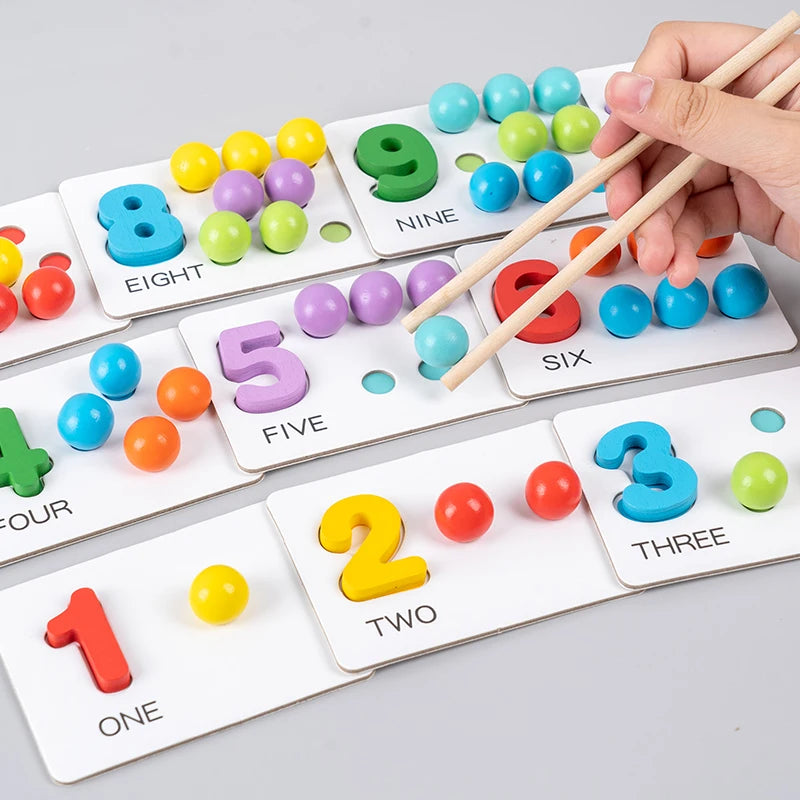
See it in action - hands on math activities for kindergarten / teach addition subtraction using manipulatives, lack of hands on math learning tools, kindergarten readiness math skill delays concern, preschool math teaching aids for home use
Discover the easiest way to make math fun at home
Which routine actually keeps kids engaged without screen overload? Keep reading—you’ll see exactly how to build one in minutes.
How a simple daily routine builds math confidence fast
Hands on math activities for kindergarten work best when used daily in short, playful sessions. A consistent routine helps children connect numbers with real-world objects, making abstract ideas easier to understand while reducing frustration and improving focus.
Many parents notice signs like:
- Counting mistakes or skipping numbers
- Difficulty understanding “more” or “less”
- Lack of interest in worksheets
- Short attention spans during learning time
These often come from a lack of hands on math learning tools . Children need to see and touch numbers—not just hear them.
How This Simple Setup Makes Learning Feel Like Play
- Use colorful objects like blocks or beads
- Keep sessions under 15 minutes
- Mix movement with counting
- Celebrate small wins daily
Pairing tools with resources from Sensory Toys can further boost engagement and focus.
UPGRADE PLAN {'outline': [], 'trim': ['Remove anecdotal parent results section', 'Remove promotional conclusion', 'Reduce repetitive discussion about confidence building', 'Merge duplicate manipulative benefit explanations']} Approved linked products: - Explore this hands-on learning set (/products/children-math-teaching-aids-montessori-wooden-set) Product Rules - Keep all approved products. - Only approved products may contain affiliate links. - You may add real competitor products when useful. - Competitor products must not contain links unless already present. - Only create comparison tables when they genuinely improve the article. RULES - Apply every instruction in the Upgrade Plan. - Keep all existing affiliate links unchanged. - Keep all existing internal links unchanged. - Keep all existing image URLs unchanged. - Preserve sections such as Related Articles, Related Posts and Recommended Reading. - Avoid duplicate headings. - Insert new sections only where specified. - Improve clarity, topical coverage, EEAT and readability. - Expand weak sections only when required. - Use natural keyword placement. - Keep semantic HTML clean. YEAR UPDATE If visible article text contains "2005", replace it with "2026". Do not modify years inside: - URLs - href attributes - image filenames PART OUTPUT Return ONLY the rewritten HTML for PART 1. Do NOT output any HTML belonging to previous parts. Do NOT output any HTML belonging to later parts. Do NOT add explanations. Do NOT add markdown. The returned HTML must concatenate directly with the remaining article without any edits. OUTPUT REQUIREMENTS Return ONLY the rewritten HTML for PART 1. The output must be valid HTML and ready to publish. Do NOT return: - Markdown - Explanations - Notes - Code fences - JSON - XML Return ONLY the rewritten HTML fragment. Do NOT add , or . Do NOT add code fences. Do NOT add explanations.





