

What are the safest earwax removal methods for kids?
Earwax removal methods for children work best when they are gentle, visible, and age-appropriate. Pediatric specialists often recommend starting with observation and softening drops, then using safe earwax removal methods like lighted ear curettes when needed. Avoid forceful flushing or cotton swabs, which can increase the risk of ear blockage after wax removal.
Earwax Removal Methods Compared for Kids: Pros, Cons, Safety
Earwax removal methods for kids can feel overwhelming when you just want to keep your child comfortable and safe. From drops and sprays to lighted ear curettes, each option works differently and comes with its own benefits and risks. This guide walks you through what actually helps, what to avoid, and how to choose a solution that protects tiny ears while keeping routines calm and stress-free.
⏱ 7 min read
Have you ever noticed your child tugging at their ear or saying sounds feel “muffled”? Many parents worry they’re doing something wrong, when in reality earwax buildup is incredibly common. The key is choosing an approach that fits your child’s age, comfort level, and safety needs.
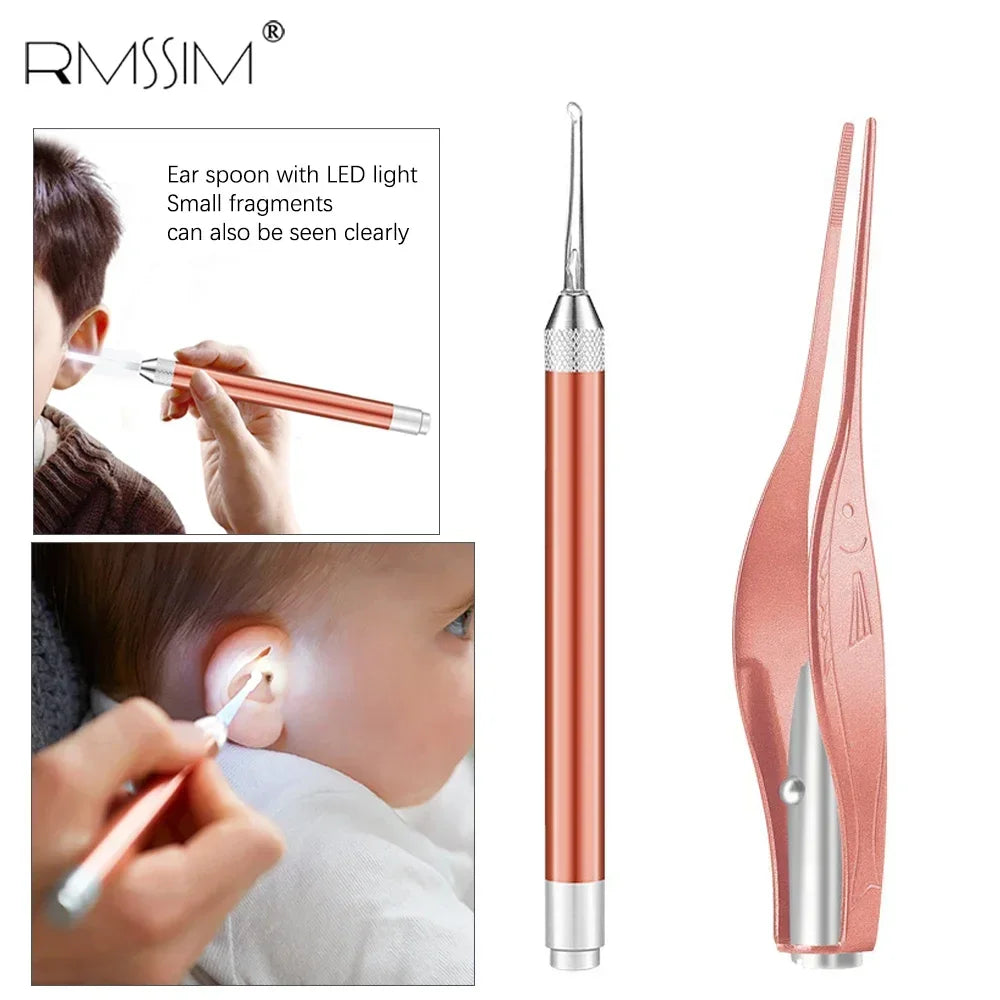
A closer look at earwax removal methods designed for kids’ comfort and safety 💡 See it in action
Why Earwax Matters for Children
Earwax isn’t dirt. It plays an important role in protecting the ear canal by trapping dust, debris, and bacteria. In kids, earwax also helps keep the sensitive skin inside the ear moisturized.
Problems start when wax builds up faster than it can naturally move out. This can happen more often in children with narrow ear canals, frequent earbud use, or after colds and allergies.
Signs earwax buildup may need attention
- Muffled hearing or asking you to repeat things
- Complaints of fullness or pressure in the ear
- Itching or mild discomfort
- Ear blockage after wax removal attempts
Common Earwax Removal Methods Compared
Parents often try the first solution they hear about, but not all earwax removal methods are created equal. Understanding how each works helps you avoid unnecessary discomfort or repeat blockages.
Softening Drops and Sprays
Softening drops are often the first step recommended for children. They work by loosening hardened wax so it can move out naturally.
Pros
- Easy to use at home
- Non-invasive and gentle
- Affordable and widely available
Cons
- May take several days to see results
- Not effective for severe buildup
- Can cause temporary ear blockage after wax removal as softened wax shifts
Many families pair drops with routines from Health & Safety collections to keep hygiene consistent without stress.
Irrigation and Flushing
Irrigation uses water to flush wax out of the ear canal. While common, it’s not always ideal for kids.
Pros
- Can remove large amounts of wax quickly
- Often used in clinical settings
Cons
- Risk of discomfort or dizziness
- Higher chance of ear blockage after wax removal if done incorrectly
- Not recommended for children with ear tubes or infections
If attempted at home, extra caution is essential. Many parents prefer gentler routines aligned with Baby Care Essentials instead.
Lighted Ear Curettes Explained
Lighted ear curettes allow parents to see inside the ear while gently guiding wax out. Visibility is what sets them apart.
When used carefully, they offer one of the safest earwax removal methods for kids because you’re not guessing where the wax is.
Why visibility changes everything
- Reduces risk of pushing wax deeper
- Helps avoid sensitive areas
- Makes the process quicker and calmer for kids
Parents looking for practical tools often explore options like the visual ear wax picker for kids, designed specifically with child safety in mind.
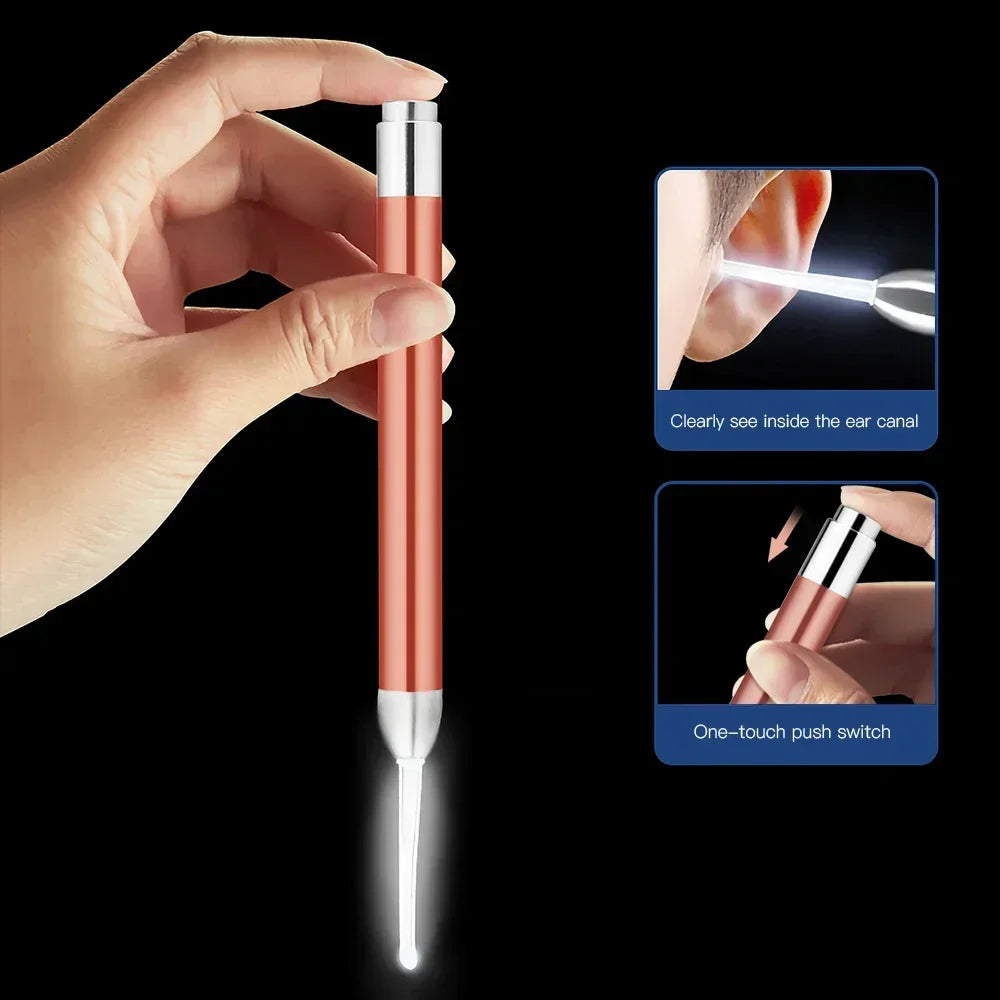
Lighted ear curettes offer safe earwax removal methods with better control 💡 See it in action
Side-by-Side Comparison of Earwax Removal Methods
| Method | Ease of Use | Safety for Kids | Best For |
|---|---|---|---|
| Drops & Sprays | Easy | High | Mild buildup |
| Irrigation | Moderate | Medium | Clinical use |
| Lighted Ear Curettes | Moderate | High | Targeted removal |
Safety Tips Parents Should Know
Regardless of the method you choose, safety should always come first.
- Never use cotton swabs inside the ear canal
- Stop immediately if your child feels pain
- Work in good lighting and keep sessions short
- When unsure, choose observation over action
Creating a calm routine—often paired with bedtime habits from Sleep & Comfort—helps kids stay relaxed during ear care.
What Pediatric Doctors Recommend
Most pediatricians agree that less is more. They often advise parents to avoid frequent removal unless symptoms appear.
When removal is needed, doctors favor safe earwax removal methods that prioritize visibility and control, especially for young children.
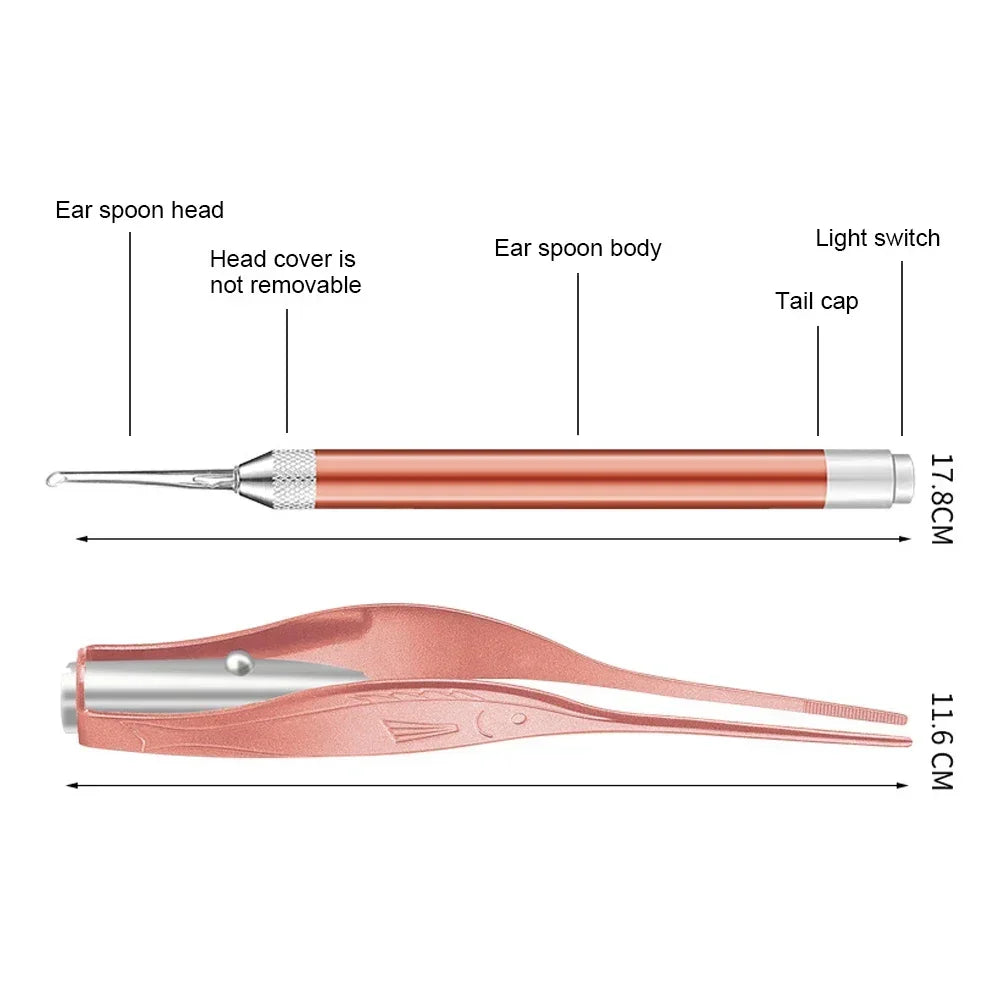
Choosing safe earwax removal methods helps prevent ear blockage after wax removal 💡 See it in action
Frequently Asked Questions
Is earwax removal necessary for kids?
Not always. Earwax usually clears on its own. Removal is only needed if buildup causes discomfort, hearing issues, or repeated blockage.
Are lighted ear curettes safe for children?
When designed for kids and used gently, lighted ear curettes are considered one of the safest options because they allow clear visibility.
What causes ear blockage after wax removal?
Blockage often happens when wax is pushed deeper into the ear canal, commonly from cotton swabs or improper flushing.
When should I see a doctor?
If your child has pain, discharge, or ongoing hearing issues, it’s best to consult a pediatric professional before trying further removal.





