

Educational Two Player Games for Focused Kids
What are educational two player games and how do they improve focus?
Educational two player games strengthen attention by combining turn-taking, memory challenges, and problem solving in shared play. These educational two player games encourage patience, teamwork, and cognitive flexibility while reducing distractions. Research on structured play shows even 20 minutes of focused interaction can improve task persistence and communication skills in children and teens.
Educational Two Player Games for Focused Kids
Educational two player games can transform everyday playtime into meaningful connection while nurturing patience, memory, and attention skills. If you’ve ever wondered how to guide kids toward screen free activities for teens or meaningful family indoor games, this guide explores engaging options that make learning feel natural, supportive, and genuinely fun at home.
⏱ 5 min read
Parents often notice attention drifting between homework, hobbies, and endless digital distractions. Finding games to play without screens that feel exciting yet purposeful can be tough. What if simple shared play could strengthen focus, build trust, and ease daily routines at the same time?
👉 Discover playful learning tools that support growth and bonding.
Explore supportive collections like Baby Growth & Learning or calming essentials in Sensory Toys to expand meaningful play experiences.
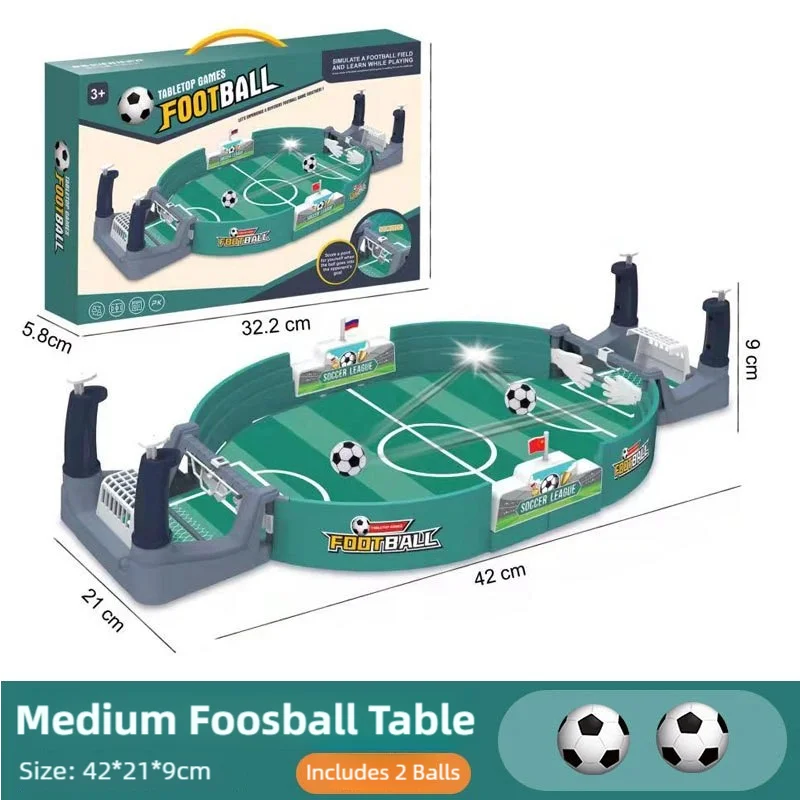
Educational two player games encouraging screen free activities for teens 💡 See it in action
How Educational Two Player Games Strengthen Attention
Educational two player games enhance focus by encouraging turn-based engagement, structured challenges, and feedback loops that reward persistence. When kids interact with a partner, they practice emotional regulation, listening, and quick thinking — skills strongly associated with improved attention control and learning outcomes.
- Encourage mindful listening and response
- Promote sustained eye contact and interaction
- Develop strategy and planning
- Strengthen working memory
- Reinforce patience through shared rules
Families often combine these activities with supportive tools from Health & Safety to ensure play spaces remain calm, comfortable, and organized.
Why Screen Free Activities for Teens Build Confidence
Non screen activities reduce overstimulation and restore balance. Teens frequently rediscover creativity, humor, and communication when they step away from devices.
Parents report improvements such as:
- More relaxed evening routines
- Better sleep habits supported by Sleep & Comfort
- Stronger sibling cooperation
- Increased openness during conversations
Which play style fits your household best? Read on to find options tailored to different personalities and needs.
Best Game Ideas That Match Real Needs
Memory Matching Challenges
Ideal for children needing patience and retention skills. Matching tasks stimulate cognitive recall while remaining playful.
Strategy Board Play
Supports planning and foresight. Families looking for structure often combine these with supportive learning materials from Baby Growth & Learning.
Table Soccer Interaction
Fast-paced physical engagement supports energy release and coordination. Many households introduce tabletop play using /products/mini-table-soccer-game for laughter-filled bonding.
Puzzle Races
Encourages persistence and logical sequencing. This format works well for calm afternoons or rainy-day family indoor games.
👉 Learn practical ways to choose play tools tailored to your child’s growth stage.
Browse curated guidance within Baby Growth & Learning Tips and supportive calming tools in Massage & Relaxation.
Finding the Right Game for Different Personalities
Matching play styles to individual needs ensures engagement remains joyful rather than stressful.
- Highly energetic kids: Choose movement-based games like /products/mini-table-soccer-game
- Quiet thinkers: Puzzle-based cooperation builds confidence
- Competitive personalities: Structured scorekeeping improves emotional balance
- Sensitive learners: Combine play with soothing routines supported by Sensory Toys
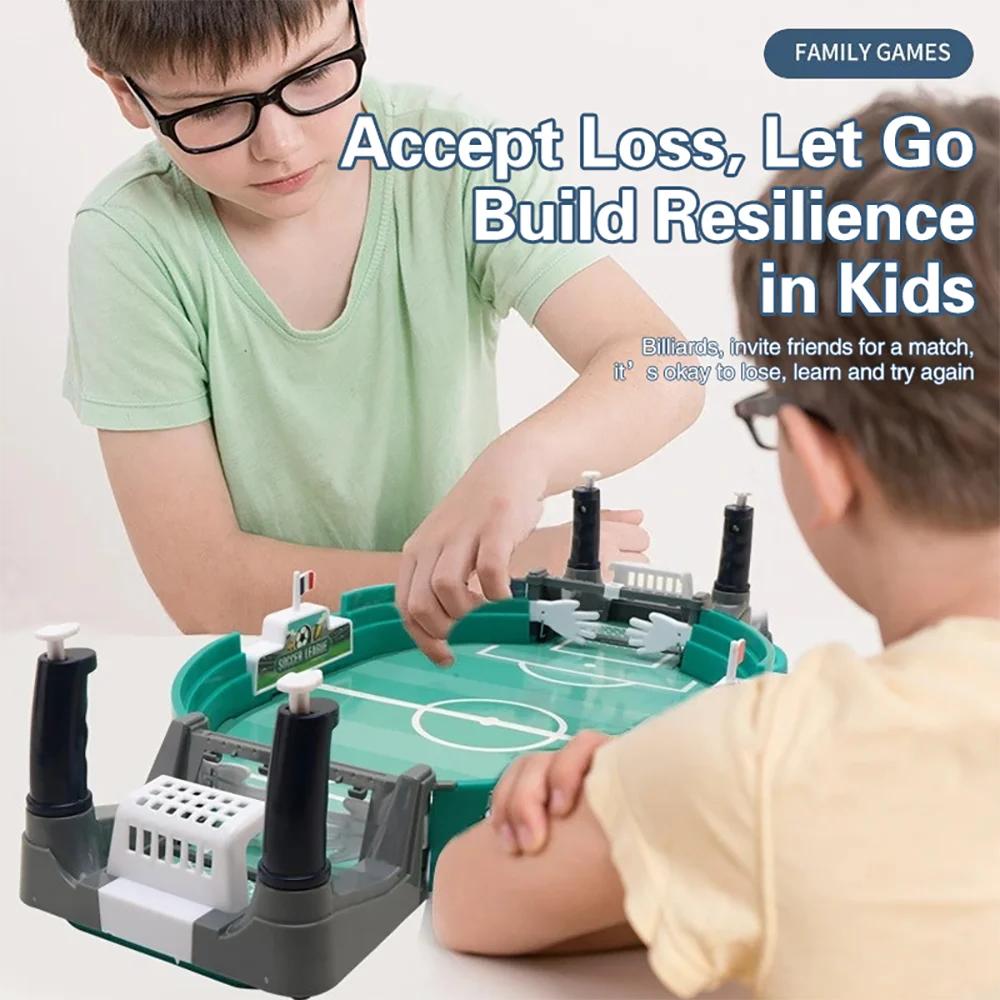
Non screen activities and family indoor games promoting focus 💡 See it in action
How to Introduce Focus-Building Play at Home
- Create a predictable daily play window
- Remove digital distractions
- Select games based on mood and energy level
- Rotate activities weekly
- Celebrate effort rather than outcome
Pair routines with calm monitoring using solutions from Monitoring Devices when younger siblings share the space.
Comparison Table of Popular Choices
| Activity Type | Best For | Skill Developed | Engagement Level |
|---|---|---|---|
| Memory Cards | Patience Building | Recall | Moderate |
| Strategy Boards | Planning | Critical Thinking | High |
| Table Soccer | Energy Release | Coordination | Very High |
| Puzzle Races | Logic Practice | Problem Solving | Moderate |
Real Parent Stories and Observations
Parents frequently share how structured play transforms routines:
- One family noted calmer bedtime transitions after replacing digital play with tabletop interaction.
- Another reported improved sibling cooperation within two weeks.
- Caregivers observed increased conversation depth during shared play sessions.
Some combine these sessions with supportive wellness resources from Beauty & Wellness to encourage holistic self-care habits across the household.
Pros and Cons of Popular Formats
| Format | Advantages | Limitations |
|---|---|---|
| Board-Based | Strategic thinking, structured rules | May require longer setup |
| Physical Interaction | Energy release, laughter | Needs space |
| Puzzle-Based | Quiet focus | Lower excitement level |
Choosing Supportive Tools Beyond Games
Holistic environments enhance learning impact.
- Comfort seating from Sleep & Comfort
- Organized hygiene routines through Baby Hygiene Gadgets
- Skill development aids via Mobility & Training
- Structured nutrition support from Feeding Tools
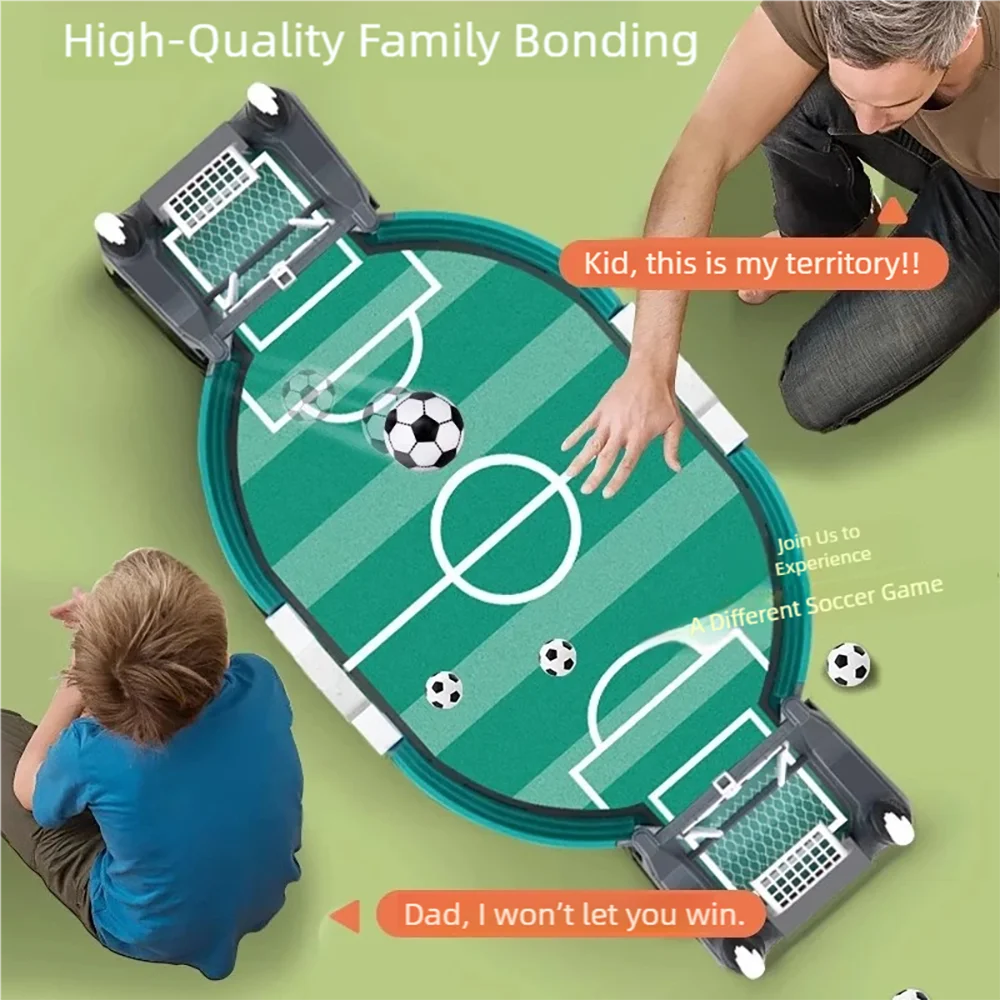
Games to play without screens building connection 💡 See it in action
How Mini Table Soccer Supports Bonding
Educational two player games like tabletop soccer combine physical coordination, shared excitement, and quick decision-making to strengthen engagement. These educational two player games transform spare moments into meaningful connection opportunities while supporting reaction speed, patience, and communication — all within a playful, approachable format.
Families looking for hands-on interaction frequently explore /products/mini-table-soccer-game because it aligns with:
- Energetic children needing movement
- Teens seeking screen free activities for teens
- Parents wanting family indoor games
- Siblings building teamwork skills
👉 Bring home a bonding activity today while availability lasts.
Explore /products/mini-table-soccer-game and encourage laughter-filled connection tonight.
Frequently Asked Questions
Are educational two player games effective for improving focus?
Yes. Structured turn-based interaction builds patience and listening skills while reinforcing cognitive engagement. Many parents notice measurable improvements in attention span after incorporating regular shared play sessions into weekly routines.
How often should families schedule screen-free play?
Experts recommend consistent sessions several times per week. Even short, predictable play windows encourage habit formation and emotional connection.
Can teens benefit from family indoor games?
Absolutely. Teens often gain communication confidence and stress relief through shared play. Activities promoting interaction also strengthen trust and empathy between siblings and caregivers.
What makes tabletop soccer appealing?
It blends quick reactions, cooperation, and laughter. The approachable format encourages spontaneous engagement while supporting motor coordination.
How can parents sustain interest long term?
Rotate activities, celebrate effort, and adapt challenges. Keeping play flexible ensures motivation remains authentic and enjoyable.





