

Electronic Toys for Learning Features That Boost Real Skills
Do electronic toys for learning really help children build real skills?
Electronic toys for learning support real skill development by combining hands-on play with guided feedback that builds problem-solving, early math, language, and coordination. When designed well, an electronic learning toy keeps children engaged longer than passive screens and helps interactive toys for 3 year olds and kindergarten learning toys deliver measurable progress.
Electronic Toys for Learning: Features That Boost Real Skills
Electronic toys for learning are reshaping how young children gain confidence, curiosity, and real-world abilities through play. Instead of zoning out in front of a screen, kids interact, respond, and experiment. Parents choosing an electronic learning toy or comparing interactive toys for 3 year olds often wonder which features actually matter and which ones truly support kindergarten readiness.
⏱ 6 min read
Which toys actually help your child learn without constant supervision? Many parents feel overwhelmed by choices, worried about screen exposure, and unsure how to support development while juggling daily routines. The right electronic toys for learning can quietly do the heavy lifting.
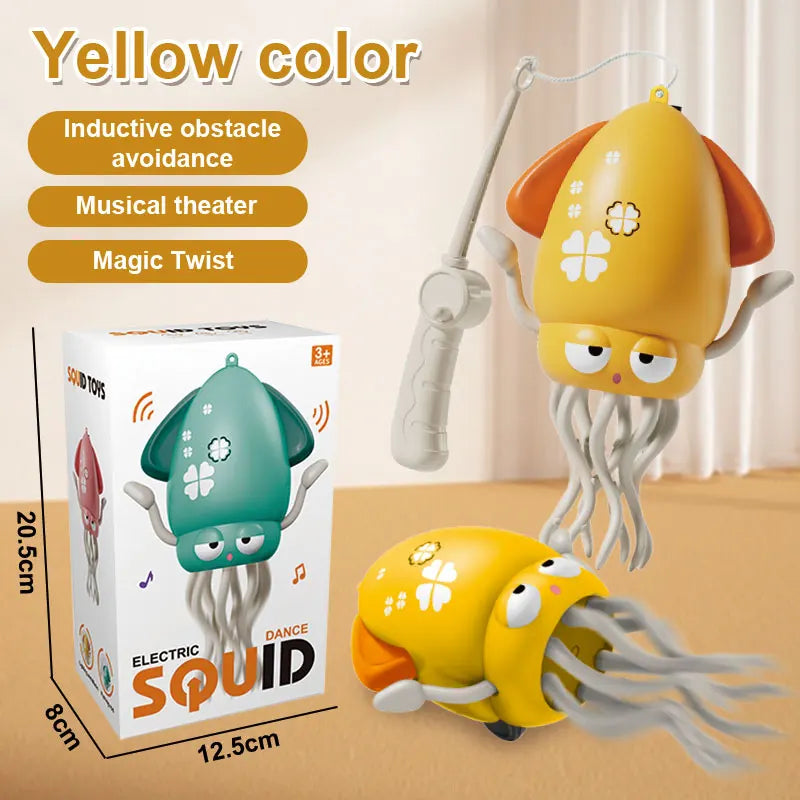
Electronic toys for learning that combine movement and feedback 💡 See it in action
Why Electronic Toys for Learning Work Better Than Passive Play
Electronic toys for learning stand out because they respond to a child’s actions. Lights, sounds, and movement provide immediate feedback, helping children understand cause and effect. This interaction keeps attention focused longer and encourages repeated practice without pressure.
Unlike videos or apps that require sitting still, many electronic learning toy designs promote movement, touch, and decision-making. These elements support deeper engagement and reduce frustration.
Parents browsing the Baby Growth & Learning collection often look for toys that teach without feeling like lessons. Interactive design makes learning feel natural.
Core Features That Turn Play Into Learning
Electronic toys for learning are most effective when specific features work together. Not all flashing lights equal meaningful development.
Responsive Interaction
Buttons, sensors, and motion detection allow the toy to react instantly. This back-and-forth teaches children that their actions matter, strengthening problem-solving skills.
Progressive Challenges
Well-designed electronic learning toys adjust difficulty as a child improves. This prevents boredom and supports confidence by offering achievable challenges.
Multi-Sensory Feedback
Sound, light, and movement stimulate multiple senses at once. This reinforces memory and keeps interactive toys for 3 year olds engaging without overstimulation.
Independent Play Support
Clear cues and guided prompts allow children to play independently, giving parents breathing room during busy days.
- Encourages trial and error
- Reduces need for constant adult direction
- Supports focus and follow-through
- Builds self-confidence
What Skills Do Electronic Toys for Learning Improve?
Electronic toys for learning target multiple developmental areas at once, making them especially useful during early childhood.
Early Math and Logic
Counting games, pattern recognition, and sequencing tasks help children build foundational math skills through repetition and play.
Language and Communication
Many electronic learning toys introduce vocabulary, sounds, and simple instructions. Children practice listening and responding, strengthening comprehension.
Motor Skills and Coordination
Pressing buttons, dancing, or following movement cues improves both fine and gross motor skills.
Attention and Memory
Short challenges and rewards help extend focus over time, a key benefit parents often notice before kindergarten.
Families often pair learning toys with sensory options from the Sensory Toys collection to create balanced play routines.
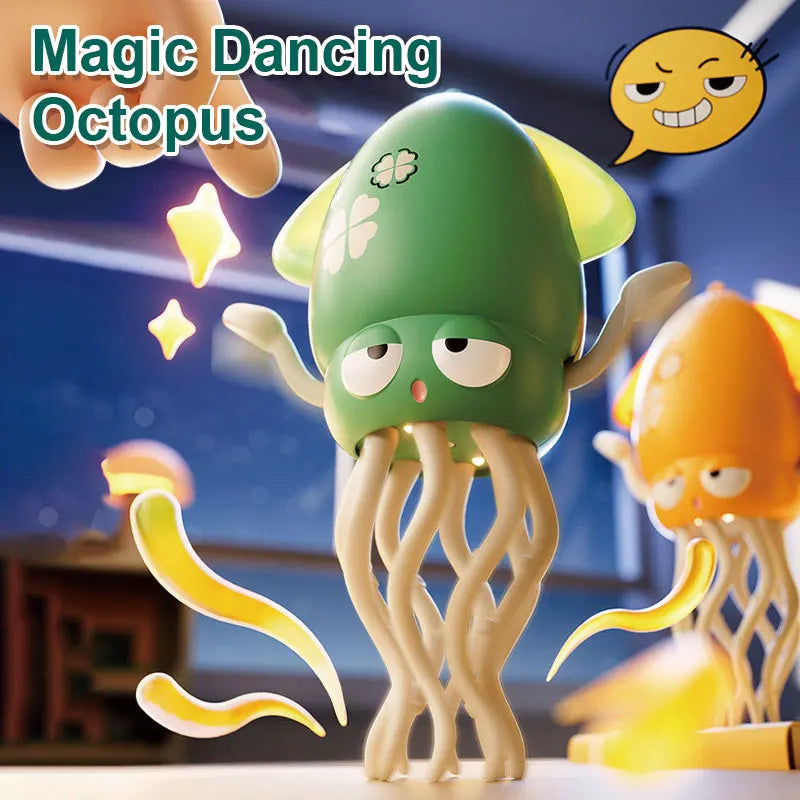
An electronic learning toy that keeps kids moving and thinking 💡 See it in action
Electronic Toys for Learning vs Traditional Toys
| Feature | Electronic Toys for Learning | Traditional Toys |
|---|---|---|
| Feedback | Immediate and interactive | Parent-led or imagination-based |
| Skill Tracking | Guided progression | Unstructured |
| Independent Play | High | Moderate |
| Engagement Time | Longer for many children | Varies by child |
Both types have value. Many parents blend electronic toys for learning with classic blocks or puzzles for a well-rounded environment.
Choosing Interactive Toys for 3 Year Olds and Beyond
Age-appropriate design matters more than flashy features. Interactive toys for 3 year olds should focus on simple actions and clear rewards.
- Look for large, easy-to-press buttons
- Choose simple instructions with repetition
- Avoid overly complex menus or screens
- Ensure volume and light levels are adjustable
As children approach kindergarten, kindergarten learning toys can introduce more structured challenges without removing the fun.
What Parents Commonly Notice After a Few Weeks
Parents often report subtle but meaningful changes after introducing electronic toys for learning into daily routines.
- Longer independent play sessions
- Improved confidence when trying new tasks
- Better recall of numbers, songs, or patterns
- More curiosity-driven questions
Many caregivers balancing routines also explore calming tools from the Sleep & Comfort collection to support rest after active play.
A Skill-Building Toy That Encourages Movement and Thinking
Electronic toys for learning work best when they combine movement, sound, and interaction in one experience. A playful design that invites dancing, copying, and responding keeps kids engaged while reinforcing coordination and listening skills.
One example is a motion-based interactive toy available here: Dancing Octopus Toy. Its responsive design encourages children to move, watch, and repeat patterns.

Interactive toys for 3 year olds that promote coordination 💡 See it in action
Quick Parent FAQs
Are electronic toys for learning safe for daily use?
Yes, when used in moderation and designed for young children. Look for sturdy materials, volume control, and age-appropriate interaction.
Can an electronic learning toy replace parent involvement?
No, but it can reduce pressure. These toys support independent play while parents remain guides and partners in learning.
Do kindergarten learning toys really prepare kids for school?
They support readiness by building focus, listening skills, and basic concepts, which complement social and emotional development.





