

Examples of Sportsmanship Seen in Real Matches
What are real examples of sportsmanship in matches?
Examples of sportsmanship appear when athletes show respect, fairness, and empathy during competition—like helping an injured opponent, admitting a foul, or applauding great play from the other team. These moments build trust, reduce conflict, and model positive behavior kids can practice through family indoor games and non screen activities at home.
Examples of Sportsmanship Seen in Real Matches
Examples of sportsmanship go far beyond handshakes after the final whistle—they shape how children learn fairness, teamwork, and emotional control. Real match moments show how respect can change outcomes, inspire fans, and build lifelong character. Families can bring these same lessons into everyday life through fun family indoor games and meaningful non screen activities.
⏱ 6 min read
Which everyday game can teach fairness just like real athletes do? Keep reading to find out.
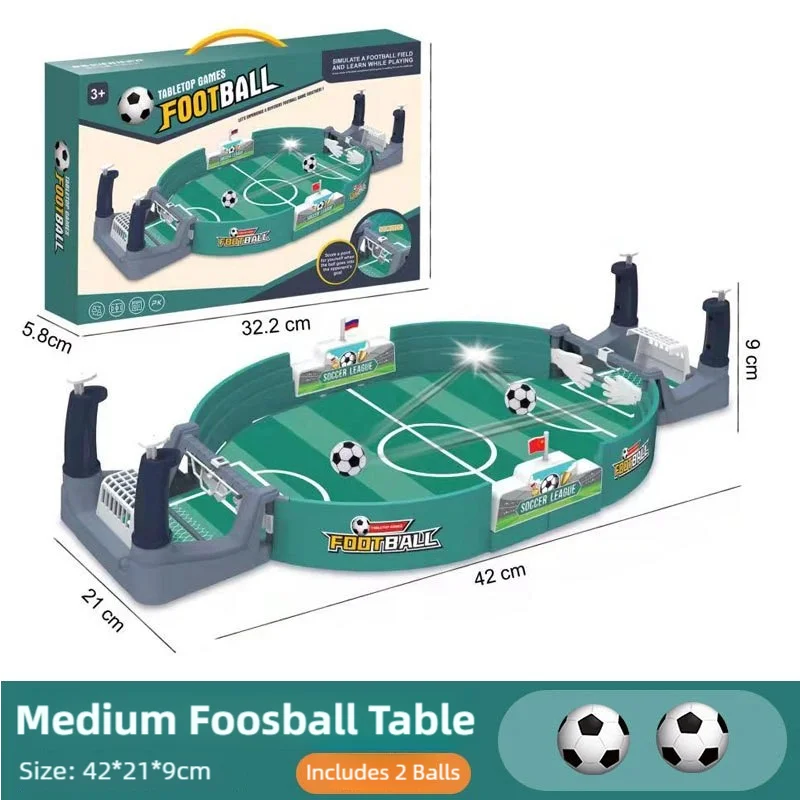
Examples of sportsmanship come alive through fun family indoor games — 💡 See it in action
Why Sportsmanship Matters for Kids
When children see athletes respect rules and rivals, it reshapes how they approach challenges in everyday life.
- Builds emotional control during wins and losses
- Encourages empathy and teamwork
- Reduces conflict in play and school settings
- Strengthens confidence without arrogance
Child development experts consistently show that kids who practice fair play early develop stronger social skills and resilience.
That’s why hands-on play from collections like Baby Growth & Learning and Sensory Toys helps reinforce positive habits naturally.
Examples of Sportsmanship That Changed Real Games
Examples of sportsmanship often happen in high-pressure moments when emotions run highest—yet these actions show respect matters more than winning. From athletes helping rivals to officials reversing unfair calls, these moments teach integrity, empathy, and leadership that children can learn to model through everyday play.
Helping an Injured Opponent
Soccer players stopping a goal chance to assist someone who fell. Basketball stars carrying opponents off the court. These acts earn standing ovations—and lifelong admiration.
Admitting a Foul
Some players correct referees even when it costs their team a point. It reinforces honesty as a value above victory.
Celebrating Rival Success
Olympians applauding world records—even when they lose—demonstrate pride without jealousy.
These are powerful lessons families can mirror during games to play without technology at home.
How Families Can Practice Sportsmanship Daily
- Rotate turns and leadership roles
- Reward effort over winning
- Talk through feelings after losses
- Model respectful language during play
Simple non screen activities consistently outperform lectures when it comes to behavior change.
Many parents turn to interactive tools from Mobility & Training and Baby Care Essentials to encourage movement while building cooperation.
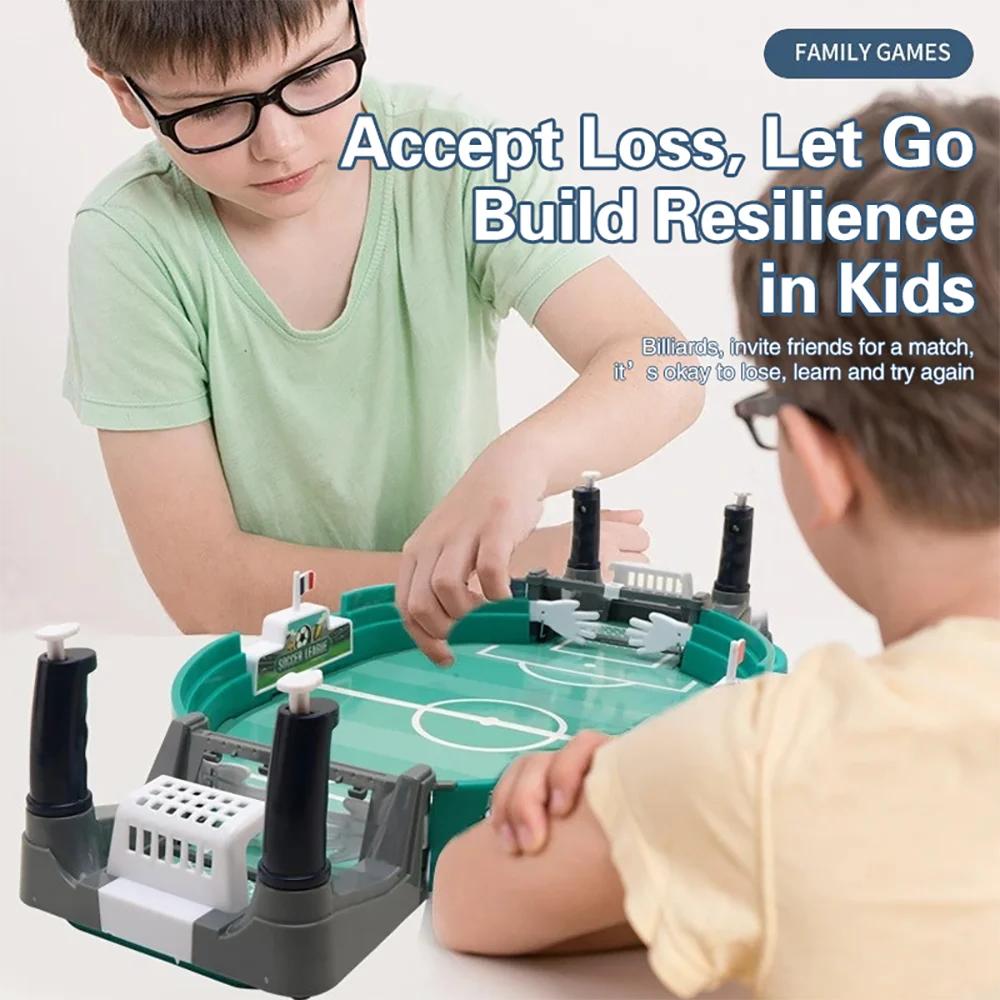
Family indoor games transform examples of sportsmanship into everyday habits — 💡 See it in action
Mini Table Soccer Game: Turning Fair Play Into Fun
The Mini Table Soccer Game turns examples of sportsmanship into hands-on family moments by encouraging teamwork, turn-taking, and respectful competition. Compact, screen-free, and engaging, it helps kids practice emotional control, strategic thinking, and fairness while parents easily guide positive behavior during play.
This tabletop game has become a favorite among parents seeking fun family indoor games that actually teach values.
Why Families Love It
- Encourages cooperative play
- Teaches rule-following naturally
- Builds focus and patience
- Perfect for short attention spans
Parents report:
- “My kids stopped arguing and started cheering each other on.”
- “It’s the only game they ask to play every evening.”
- “We finally found screen-free fun that teaches life skills.”
👉 Explore the Mini Table Soccer Game here
Sportsmanship Learning Games Compared
| Game Type | Teamwork | Fair Play Skills | Screen-Free |
|---|---|---|---|
| Mini Table Soccer Game | ★★★★★ | ★★★★★ | Yes |
| Video Games | ★★ | ★ | No |
| Board Games | ★★★★ | ★★★★ | Yes |
Hands-on competitive play consistently teaches emotional control better than digital alternatives.
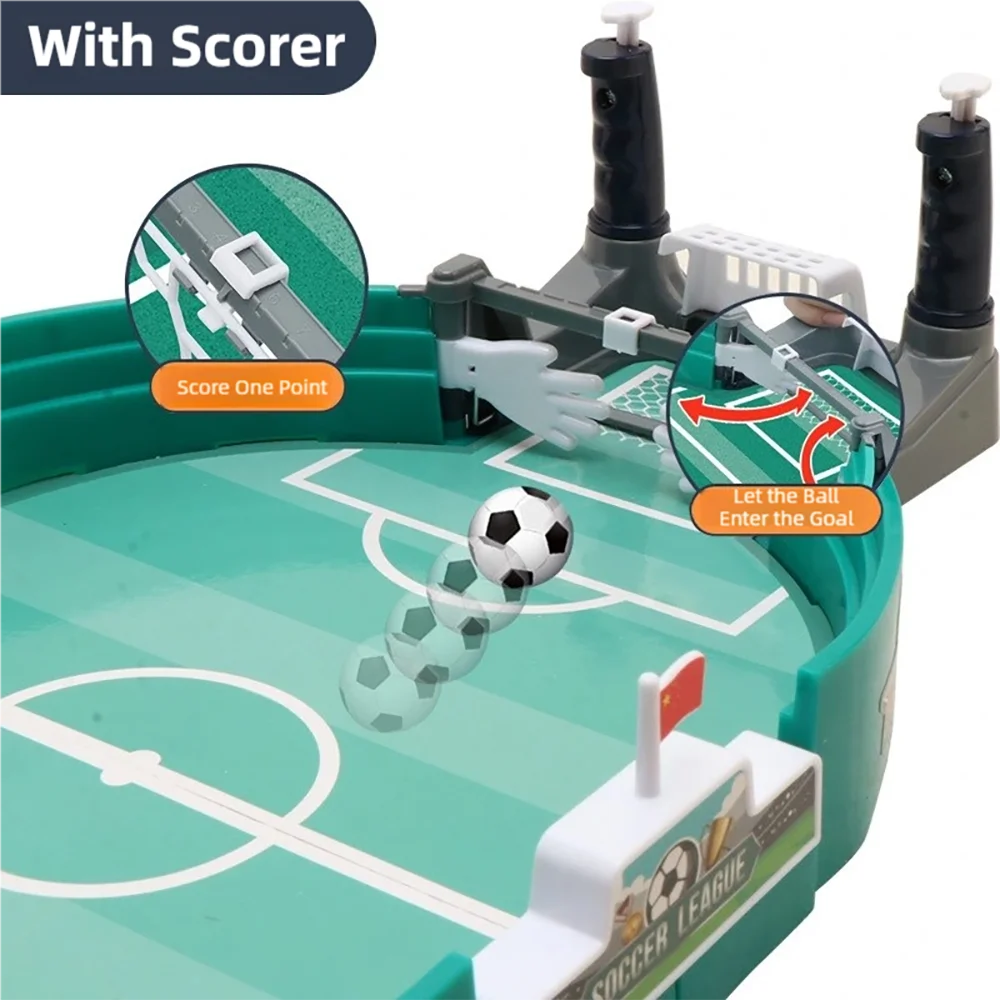
Non screen activities like tabletop soccer reinforce real examples of sportsmanship — 💡 See it in action
Why This Game Stands Out for Character Building
- Compact for easy storage
- No batteries or screens
- Quick rounds keep kids engaged
- Designed for positive competition
It blends fun with life lessons—something many parents struggle to find.
For families building balanced routines alongside learning tools from Baby Growth & Learning Tips and playful exploration from Sensory Toys, it fits naturally into daily playtime.
Ready to bring sportsmanship home? Get yours today while supplies last
Mini Family FAQ
Can indoor games really teach sportsmanship?
Yes. Repeated play situations help children practice patience, fairness, and emotional control more effectively than lectures.
What age works best for tabletop soccer?
Most families see strong engagement from ages 4 to 10, though teens often enjoy competitive rounds too.
How long are typical play sessions?
Games usually last 5–10 minutes, making them perfect for short attention spans or quick family breaks.
Does it replace outdoor sports?
It complements physical activity by reinforcing behavior skills that transfer to real sports situations.
Related Guide: Football Two Players Review: Real Results Tested





