

Family Indoor Activities That Keep Everyone Moving Together
What are the best family indoor activities to keep everyone moving together?
Family indoor activities help households stay active, connected, and entertained without leaving home. Simple movement-based games like obstacle courses, dance sessions, and mini sports setups encourage coordination, reduce screen time, and improve mood. Regular participation in family indoor activities builds stronger relationships while promoting daily physical wellness.
Family Indoor Activities That Keep Everyone Moving Together
⏱ 9 min read — Family indoor activities can transform dull days into high-energy bonding moments that build teamwork and health at once. Discover fun indoor family activities packed with laughter, creative family competitive games, and clever ways to get moving at home without fancy gear. From boosting moods to strengthening connections, these ideas solve boredom fast while keeping everyone active — ready to see which ones spark your next tradition?
Rain outside? Packed schedules? Limited play space? Parents often juggle energy-filled kids, busy routines, and the desire to keep everyone healthy. Finding ways to keep movement fun — without overwhelming planning — can feel impossible.
Here’s the good news: You don’t need a gym or elaborate equipment. A few thoughtful tools, flexible ideas, and supportive resources — like exploring Baby Growth & Learning — can inspire engaging activities suitable for toddlers through teens.
👉 Curious about energizing play tools that inspire creative movement at home? Explore options designed to spark imagination and motion across age groups.
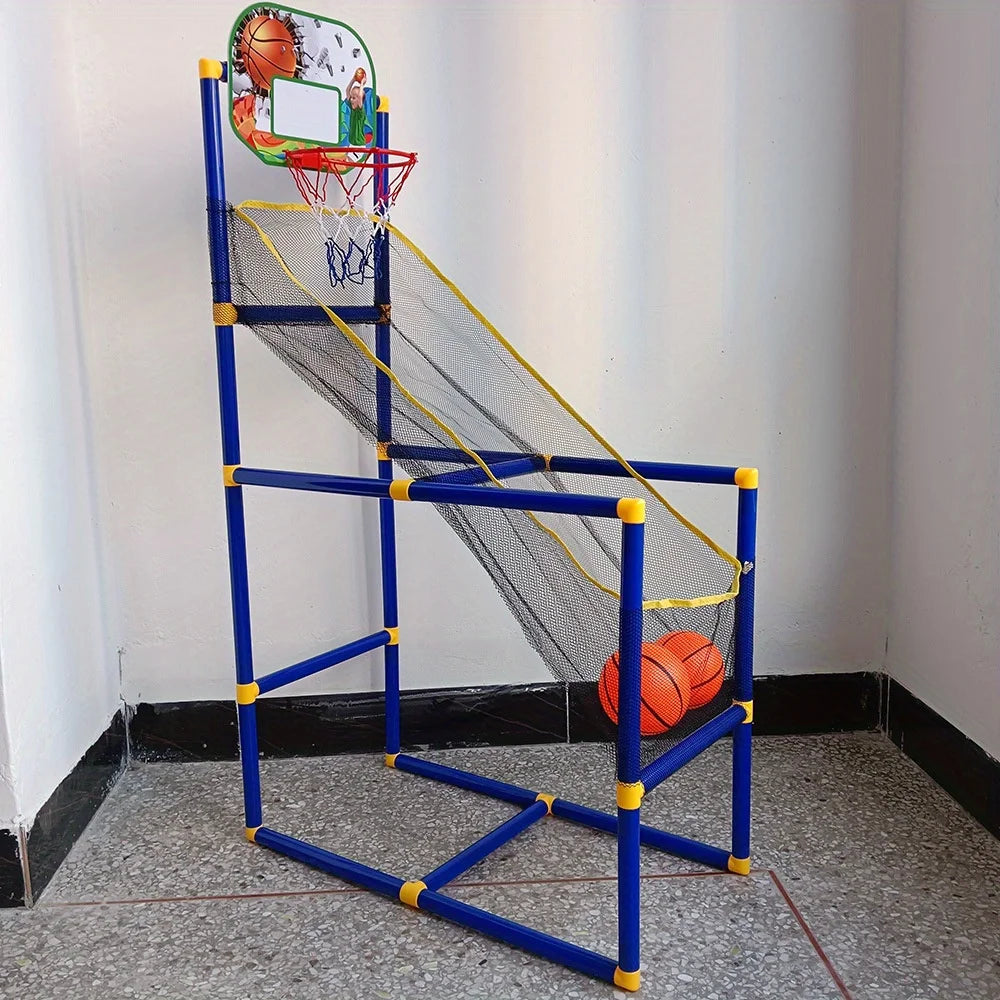
family indoor activities spark fun indoor family activities at home 💡 See it in action
👉 Explore how interactive play equipment can transform rainy afternoons into energetic bonding time.
Why Family Indoor Activities Improve Connection and Wellness
Family indoor activities give parents an easy way to combine bonding and physical health. Shared play releases stress, builds communication skills, and helps children develop coordination.
Many households discover unexpected benefits:
- Reduced restlessness after school
- Improved sleep patterns through activity
- Less reliance on digital entertainment
- More laughter and shared memories
Parents exploring guidance through Health & Safety often prioritize safe movement environments — soft flooring, organized play zones, and supervision-friendly layouts — which make indoor play both comfortable and secure.
Movement Ideas That Instantly Energize Your Home
Looking for ways to get moving at home today? These creative ideas require minimal setup and suit multiple ages.
Obstacle Adventures
- Pillow stepping stones
- Tunnel crawling challenges
- Balance walks with tape lines
- Timed relay races
Music Motion Sessions
- Freeze dance competitions
- Rhythm jumping routines
- Stretch and flow breaks
- Follow-the-leader movement chains
Mini Sports Challenges
Compact game setups bring excitement indoors. Try rotating shooting contests or score tracking. Families often pair these sessions with guidance from Mobility & Training to support developing motor skills.
For households seeking interactive setups, consider exploring arcade basketball game set experiences that create tournament-style play inside living rooms.
How Family Competitive Games Build Confidence and Teamwork
Family indoor activities strengthen cooperation and resilience. Friendly challenges teach patience, strategy, and encouragement.
These advantages stand out:
- Children learn to celebrate effort
- Parents model sportsmanship
- Siblings collaborate creatively
- Everyone practices problem-solving
Parents supporting sensory growth often pair movement with tactile exploration through Sensory Toys, enriching play experiences and keeping engagement levels high.
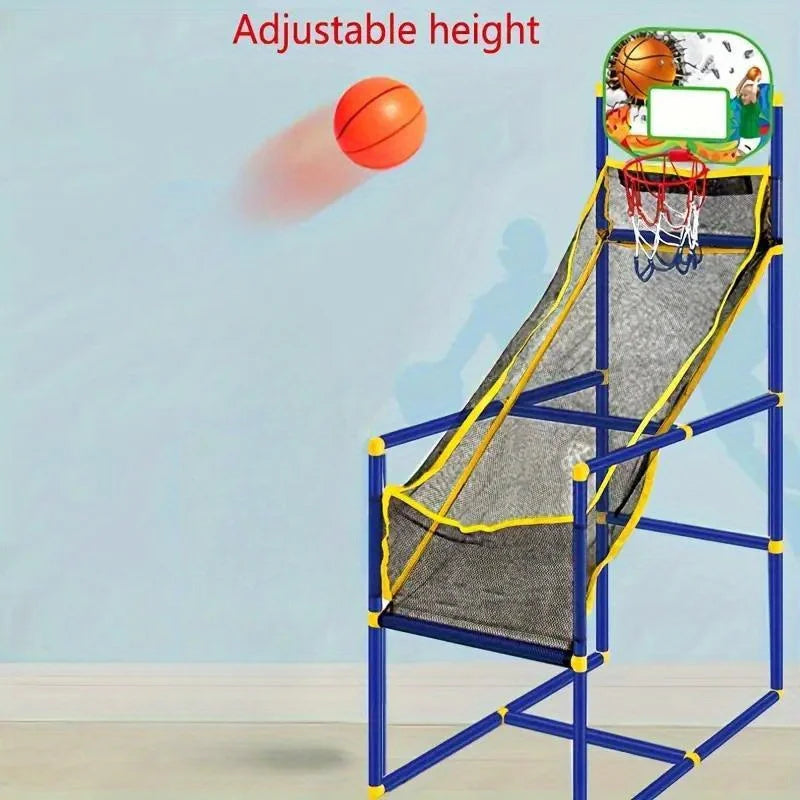
fun indoor family activities encourage family competitive games 💡 See it in action
👉 Discover step-by-step inspiration for choosing engaging indoor activity setups suited to your family size and space.
Matching Activity Tools to Your Family’s Needs
Every household differs. Choosing tools aligned with personality, space, and goals ensures long-term engagement.
Families Seeking High Energy Play
Interactive sports setups encourage excitement and friendly competition. The arcade basketball game set often fits households wanting energetic rotation play and score tracking.
Families With Younger Children
Development-focused toys and guidance from Baby Growth & Learning offer gentle introduction to movement exploration.
Families Focused on Relaxation Balance
Combining activity with recovery is valuable. Integrating calm-down periods supported by Massage & Relaxation encourages wellness-centered routines.
Simple Steps to Create Active Play Zones at Home
- Clear and define a safe movement space
- Rotate activities weekly to sustain interest
- Store tools accessibly to encourage independence
- Blend structured play with creative improvisation
- Track progress or achievements for motivation
Parents often report smoother routines when combining structured play sessions with insights from Health & Safety Tips, helping maintain organization and comfort.
Comparing Popular Indoor Game Styles
| Activity Type | Energy Level | Skills Developed | Best For |
|---|---|---|---|
| Obstacle Play | Medium | Balance, coordination | Mixed-age families |
| Music Movement | Medium | Rhythm, expression | Creative households |
| Sports Challenges | High | Accuracy, teamwork | Competitive families |
| Sensory Motion | Low–Medium | Exploration, awareness | Toddlers |
Exploring setups like arcade basketball game set often positions families in the sports challenge category due to scoring excitement and repeat play potential.
Real Family Experiences and Results
Parents frequently share uplifting experiences after prioritizing active indoor bonding:
- Texas parent of three: “Weekly tournaments replaced tablet time and improved sibling cooperation.”
- California caregiver: “Short activity breaks improved bedtime routines noticeably.”
- Illinois household survey: 82% reported stronger communication through shared play sessions.
These examples highlight how integrating interactive equipment — including setups like arcade basketball game set — transforms entertainment into connection-building opportunities.
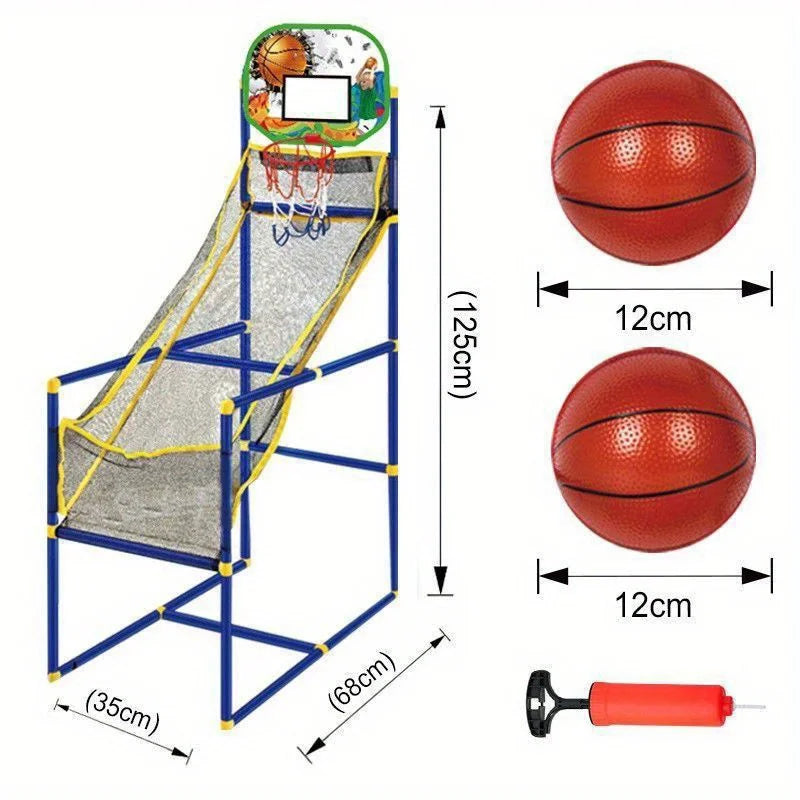
ways to get moving at home through family indoor activities 💡 See it in action
👉 Ready to energize family evenings? Explore engaging play setups that bring tournaments, laughter, and movement home today.
Building a Weekly Movement Routine
Consistency transforms occasional play into lasting wellness habits. Try this simple structure:
- Monday: obstacle challenges
- Wednesday: music movement sessions
- Friday: competitive game night
- Weekend: rotating sports tournament
Families pairing routines with organizational tools from Smart Baby Gadgets often maintain schedules more easily, ensuring participation stays steady.
Remember — balance matters. Combine activity with restful evenings supported by Sleep & Comfort to help children recharge physically and mentally.
Frequently Asked Questions
What makes family indoor activities effective for bonding?
Shared participation encourages communication, laughter, and cooperation. Active play creates natural opportunities for teamwork and emotional connection.
How often should families schedule movement sessions?
Short sessions three to four times weekly typically sustain energy levels without overwhelming routines, allowing flexibility around school and work.
Are structured play tools necessary?
Not always, but interactive equipment can enhance motivation, organization, and repeat engagement, especially for competitive personalities.
Can mixed-age groups participate together?
Yes. Flexible rules and adjustable challenges make most activities adaptable, ensuring inclusion for toddlers through teens.
How do indoor games support development?
They strengthen coordination, confidence, and creativity while encouraging healthy physical activity and positive social habits.





