

Family Outdoor Game Review: Why Parents Choose It
Does daily play really improve balance motor development?
Improve balance motor development happens fastest when children practice simple movement games every day that challenge coordination, posture, and body control. Short play sessions strengthen muscles, train the brain to react faster, and build motor coordination skills naturally—helping reduce poor motor coordination while boosting confidence and focus.
Improve Balance Motor Development With Daily Play
Improve balance motor development doesn’t require complex routines or expensive tools—it starts with simple daily play that challenges the body and brain together. When kids engage in fun coordination exercises, they naturally build motor coordination skills while reducing the risk of poor motor coordination over time. The surprising part? Just a few intentional activities each day can rewire balance, focus, and confidence faster than most parents expect—so what kind of play actually makes the biggest difference?
⏱ 6 min read
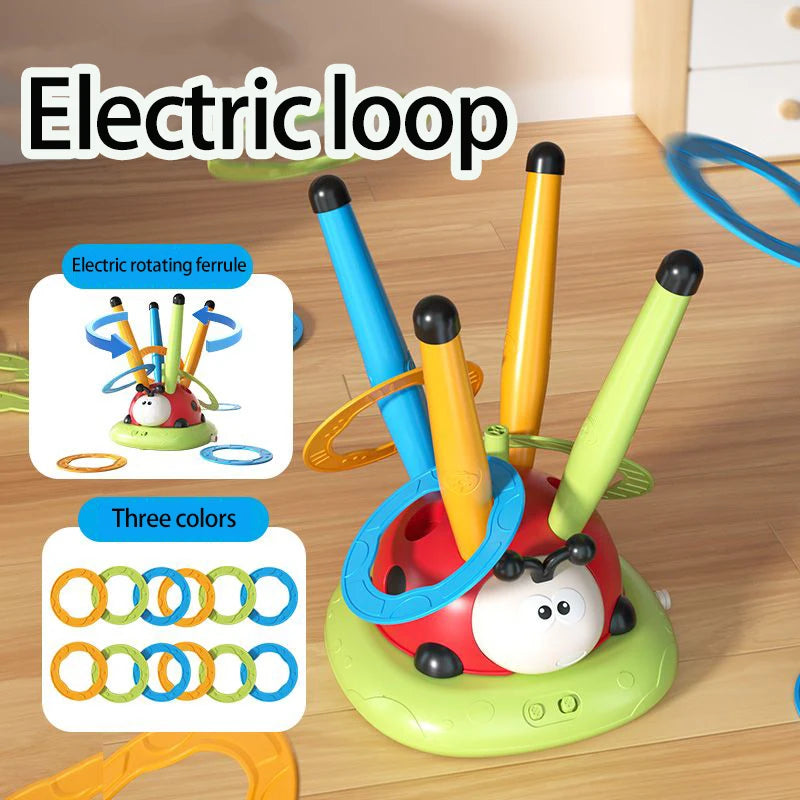
Build motor coordination skills through playful movement — 💡 See it in action
Why Balance Skills Shape Your Child’s Development
Balance is the foundation for nearly every physical skill your child will use—walking, running, climbing, writing, and even sitting still in school.
When balance develops well, kids:
- Move with confidence and fewer falls
- Learn sports faster
- Improve focus and body awareness
- Strengthen muscles naturally
When balance struggles, signs of poor motor coordination may appear:
- Frequent tripping
- Trouble jumping or hopping
- Avoiding physical play
- Low confidence in group activities
This is why pediatric movement specialists emphasize early daily motion instead of waiting for structured sports later.
Many parents explore playful movement ideas through Baby Growth & Learning to support natural physical progress at home.
How does daily play improve balance motor development?
Improve balance motor development happens when children repeat playful movements that challenge stability, coordination, and reaction time. Short daily play strengthens leg muscles, improves posture control, and trains the brain to adjust quickly—helping kids move smoother, fall less, and develop strong motor coordination skills naturally.
- Activates core muscles for stability
- Builds leg strength for posture control
- Improves brain-to-body coordination
- Boosts confidence through successful movement
Even 10–15 minutes of targeted play each day can create visible progress within weeks.
Why simple play works better than formal workouts
Kids don’t think about posture or balance when playing—they just move. That natural repetition trains muscles faster and keeps motivation high.
Jumping, hopping, skipping, and balancing games activate multiple muscle groups at once while strengthening coordination pathways in the brain.
Fun Coordination Exercises That Feel Like Play (Not Practice)
The best balance builders are games kids ask to repeat.
| Activity | Skill Built | Why Kids Love It |
|---|---|---|
| Jump rope challenges | Timing & balance | Feels like a game |
| Obstacle hopping | Leg control | Adventure style play |
| Balance beam walking | Posture | “Tightrope” fun |
| One-foot freeze games | Core stability | Laugh-out-loud moments |
One of the simplest tools parents love for balance-building play is the Ladybug Jump Rope Game Toy, which turns coordination practice into joyful movement sessions.
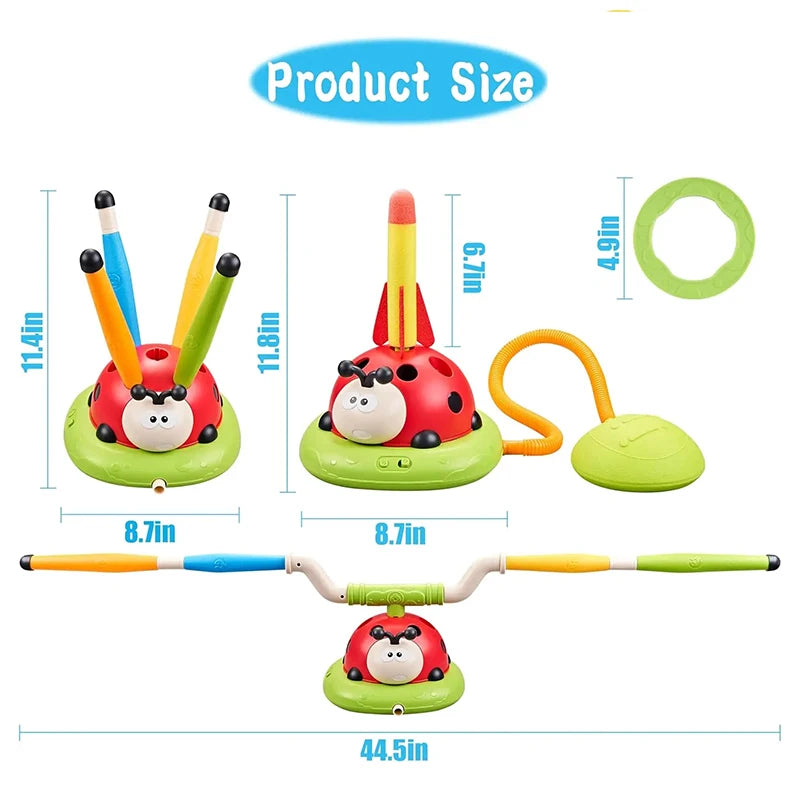
Fun coordination exercises that strengthen balance — 💡 See it in action
Jumping rhythmically helps children:
- Improve reaction speed
- Strengthen ankles and knees
- Develop timing awareness
- Stay engaged longer
Parents often pair movement play with activity ideas found in Mobility & Training and sensory-focused fun from Sensory Toys.
Real Parent Stories: Small Play, Big Progress
Emily, mom of a 4-year-old:
“My son used to trip constantly. After daily jumping games for two weeks, he’s steadier and actually wants to run now.”
Marcus, dad of twins:
“Balance improved faster than I expected. Their confidence skyrocketed during playground time.”
Laura, preschool teacher:
“Kids who practice short movement games daily show better posture and attention in class.”
Many families report noticeable improvement within 10–21 days of consistent play.
Choosing Play Tools That Support Balance Growth
When selecting movement toys, look for items that encourage:
- Repeated jumping or stepping
- Rhythm-based motion
- Full-body engagement
- Safe indoor and outdoor use
The Ladybug Jump Rope Game Toy checks all these boxes while keeping play joyful instead of forced.
Parents exploring supportive routines often combine active play with wellness tools from Health & Safety and calming recovery options from Massage & Relaxation.
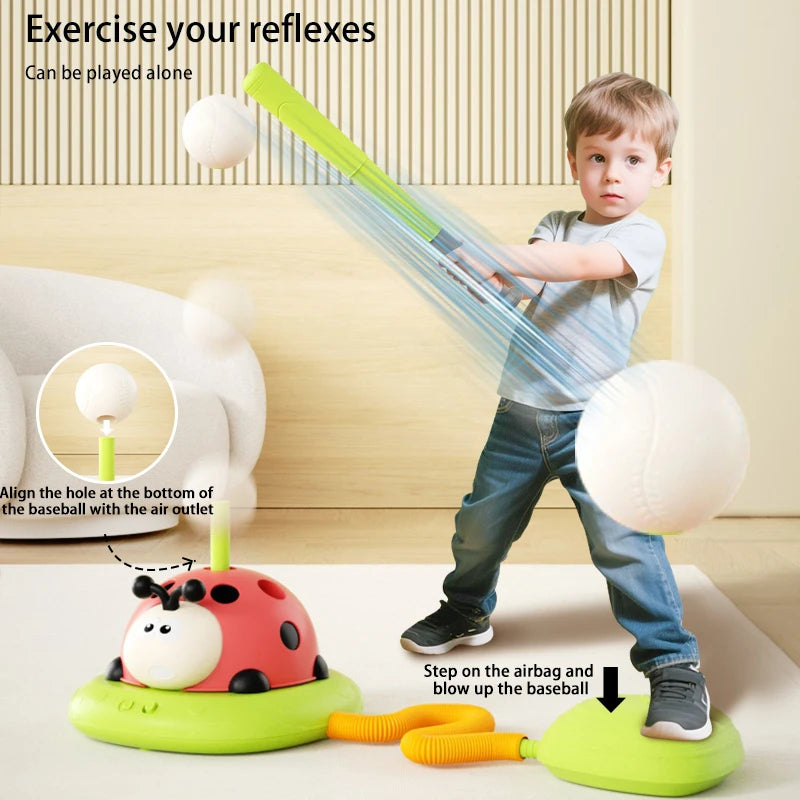
Daily movement builds motor coordination skills fast — 💡 See it in action
Quick pros and considerations
| Benefits | Things to Keep in Mind |
|---|---|
| Boosts balance quickly | Needs daily use for best results |
| Builds confidence | Supervise younger kids |
| Encourages active habits | Start slow for beginners |
Quick Parent FAQ
How long does it take to improve balance motor development?
Most children show better coordination within 1–3 weeks of daily movement play when practiced consistently.
What causes poor motor coordination in kids?
Limited active play, excessive screen time, and underdeveloped core muscles are common contributors.
How much daily play is enough?
Just 10–15 minutes of focused movement games can significantly strengthen balance skills.
Are jump-based games safe for toddlers?
Yes, when supervised and played on soft surfaces, jump-based coordination games support healthy development.
Related Guide: Rope Jump Game Review: Is It Worth Buying?





