

Fantasy Castle Blueprint Guide: Layout, Towers, Gates & Castle Brick Wall Design
Fantasy Castle Blueprint Guide: Design Realistic Castles Step-by-Step
Designing a believable fantasy castle can be surprisingly challenging. Many creators sketch towers and walls without considering how real medieval fortifications were structured. The result often looks impressive but lacks the strategic logic that makes castles feel authentic.
A well-planned fantasy castle blueprint solves this problem. By starting with real architectural concepts—like the central keep, curtain walls, towers, and gatehouses—you can design castles that feel both imaginative and structurally convincing. Artists, worldbuilders, tabletop designers, and game developers often rely on blueprint-style layouts to organize castle defenses, interior spaces, and terrain placement.
This guide explains the core structures used in fantasy castle blueprints and walks through a step-by-step framework to help you design your own castle layout for stories, games, or creative building projects.
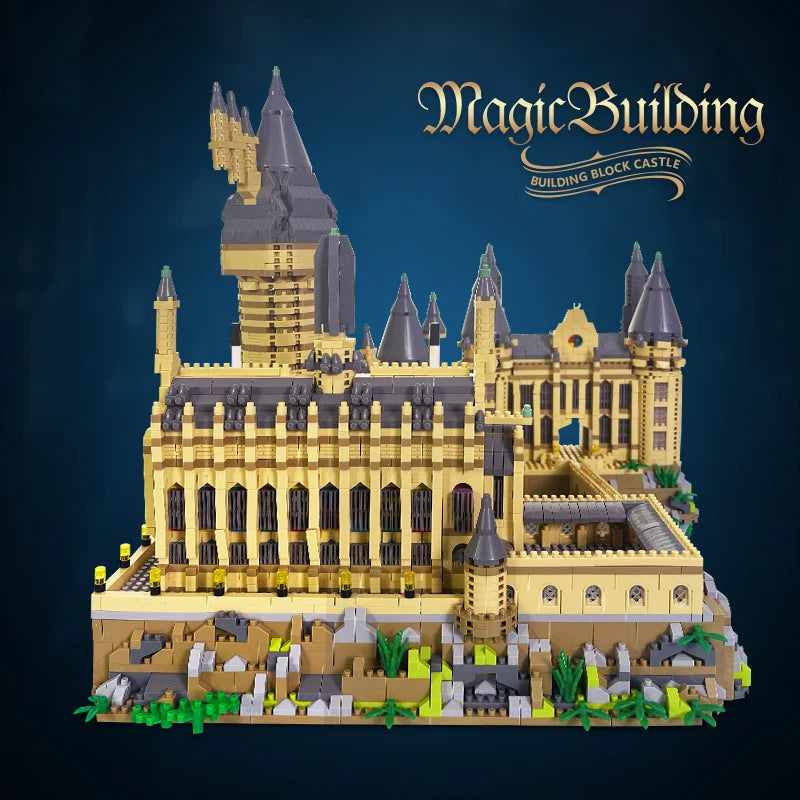
What Is a Fantasy Castle Blueprint?
A fantasy castle blueprint is a visual planning layout that shows how different parts of a castle are organized. Instead of simply drawing towers randomly, a blueprint maps out the entire defensive system—walls, towers, courtyards, gates, and internal structures.
Most fantasy blueprints combine two key elements:
- Real medieval castle architecture principles
- Creative worldbuilding elements unique to fantasy settings
Blueprint-style planning helps creators design castles that are easier to visualize, build, or illustrate. It also makes large castle environments easier to navigate in games or storytelling.
Key Components Included in Most Castle Blueprints
While every castle design is unique, most castle blueprints include the following core structures:
- Castle Keep – the central fortified tower and last line of defense
- Curtain Walls – the outer defensive walls surrounding the castle
- Gatehouse – fortified entrance controlling access to the castle
- Towers – defensive structures placed along walls
- Battlements – protective wall tops used by defenders
- Arrow Slits – narrow openings for archers
- Moat – water barrier surrounding outer walls
- Inner Courtyard – open space inside the castle walls
Understanding how these elements connect is the foundation of designing a realistic castle layout.
The Core Layout of a Realistic Medieval Castle
Most historical castles followed a logical defensive hierarchy. The strongest structures were located near the center, while outer walls and towers formed the first defensive perimeter.
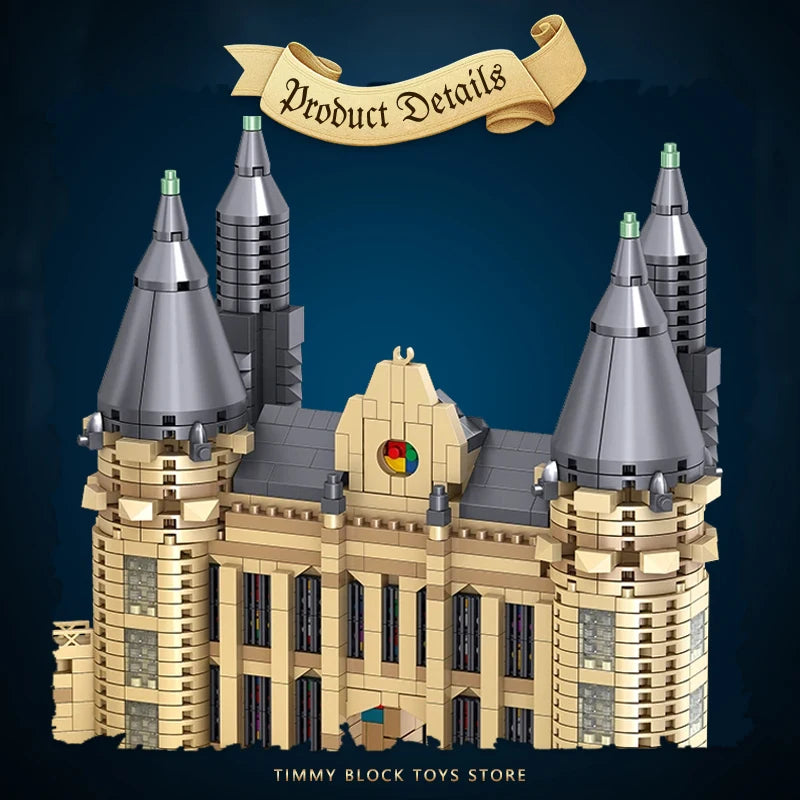
Central Keep: The Heart of the Castle
The keep is the strongest and most important structure in a castle blueprint. It served multiple purposes:
- Residence of the ruling lord
- Military command center
- Last defensive stronghold
Keeps were typically placed in the center or at the highest point of the castle. In fantasy designs, the keep often becomes the most visually striking structure, with tall towers or magical architecture.
Curtain Walls and Defensive Perimeter
Curtain walls form the outer defensive boundary of a castle. These walls connect multiple towers and surround the entire castle complex.
In a fantasy castle blueprint, curtain walls help define the castle's footprint. They often include:
- Defensive towers at regular intervals
- Battlement walkways for guards
- Arrow slits for archers
- Gatehouse entrances
Castle Courtyards and Inner Structures
Inside the curtain walls lies the courtyard or inner bailey. This open space contained essential structures such as:
- Armories
- Stables
- Storage buildings
- Barracks
- Workshops
In fantasy settings, courtyards might also include magical academies, royal gardens, or ceremonial halls.
Designing Strong Castle Walls and Defenses
Castle defenses were carefully engineered to withstand sieges. When designing a fantasy castle blueprint, understanding defensive structures helps create believable layouts.
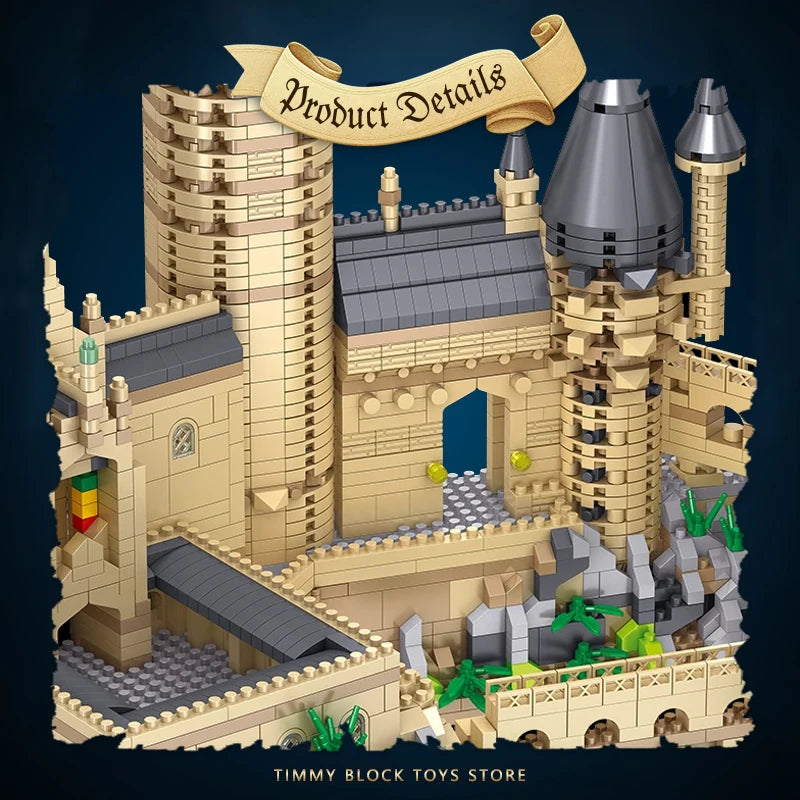
Castle Brick Wall Thickness and Structure
Medieval castle walls were extremely thick—often between 2 and 6 meters wide. This thickness provided structural strength and protection against siege weapons.
Fantasy castle designs typically adapt these proportions. For example:
- Small fortress walls: 2–3 meters thick
- Major castle walls: 4–6 meters thick
- Fortified magical citadels: even thicker
Walls often contained internal corridors or guard passages to allow defenders to move along the perimeter safely.
Battlements, Arrow Slits, and Defensive Walkways
The tops of castle walls were designed for defense. Key features included:
- Battlements – alternating stone blocks that protected soldiers
- Crenels – gaps between battlements used for firing weapons
- Arrow slits – narrow vertical openings for archers
- Wall walkways – paths allowing guards to patrol the walls
Adding these details to a fantasy castle blueprint immediately increases realism.
Moats, Drawbridges, and Gatehouses
The gatehouse was the most vulnerable part of a castle. As a result, it was heavily fortified.
Typical gatehouse defenses included:
- Drawbridges crossing a moat
- Portcullis metal gates
- Murder holes for dropping projectiles
- Multiple defensive doors
In fantasy settings, these elements might also be enhanced with magical barriers or enchanted defenses.
Castle Towers Explained: Types and Strategic Roles
Towers played a critical role in castle defense and surveillance. Different tower types served different purposes.
Corner Towers
Corner towers reinforced curtain walls by giving defenders visibility along both sides of the wall. This allowed archers to fire at attackers approaching the castle walls.
Watchtowers and Lookout Towers
Watchtowers were used to detect approaching enemies early. They were usually the tallest structures along the outer wall perimeter.
Massive Central Towers and Keeps
Some castles included extremely large towers that acted as mini-fortresses. These towers could store supplies and provide fallback defensive positions during long sieges.
Step-by-Step Framework to Design Your Own Fantasy Castle Blueprint
If you want to create a castle for a story, artwork, or game environment, following a structured design process makes the blueprint far more believable.
Step 1: Define Terrain and Strategic Location
Castles were almost always built in strategic locations:
- Hilltops
- Cliff edges
- River crossings
- Mountain passes
Terrain determines how your castle walls and defenses should be arranged.
Step 2: Place the Central Keep
The keep should be the most protected structure. Most castle blueprints place it either at the center or on the highest terrain point.
Step 3: Build the Curtain Wall Perimeter
Next, outline the castle walls around the core structures. The wall shape often follows the terrain.
Step 4: Add Towers and Defensive Features
Place towers at key defensive positions such as:
- Wall corners
- Gate entrances
- Long wall sections
Step 5: Design Gates, Moats, and Entry Defenses
The final stage of a castle blueprint includes access points. Add gatehouses, drawbridges, and layered defenses to control entry.
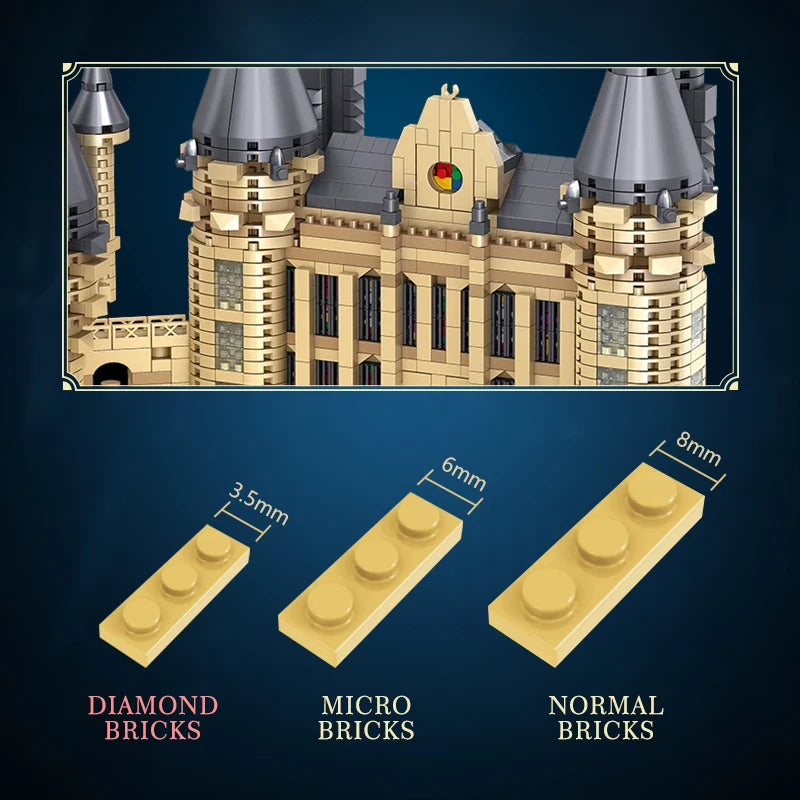
Some creators enjoy turning these blueprint concepts into physical models. For example, complex micro-brick castle sets like the Harry Potter Mini Building Blocks – 6000+ Magic Set allow builders to recreate intricate castle layouts and architectural features in miniature form.
Fantasy Castle Blueprint Examples for Worldbuilding Inspiration
Compact Fortress Blueprint
A compact fortress typically features:
- One strong central keep
- A square curtain wall
- Four corner towers
- A single gatehouse
This design works well for frontier strongholds or small fantasy kingdoms.
Large Kingdom Castle Layout
Major castles often include multiple defensive layers:
- Outer walls
- Inner walls
- Multiple courtyards
- Large central keep
These castles function like fortified cities.
Mountain or Cliffside Castle Blueprint
Cliffside castles rely heavily on terrain. Natural rock formations replace large sections of wall, making the structure easier to defend.
Castle Wall Design Comparison for Fantasy Blueprints
| Wall Type | Typical Use | Strength | Fantasy Adaptation |
| Stone Curtain Wall | Main castle perimeter | Very strong | Standard defensive wall for most castles |
| Brick Reinforced Wall | Urban fortifications | Moderate to strong | Used in magical or advanced kingdoms |
| Mountain Integrated Wall | Cliffside castles | Extremely strong | Natural rock forms part of defense |
| Layered Double Walls | Royal castles | Maximum defense | Outer and inner defensive rings |
Downloadable Fantasy Castle Blueprint Templates
Blueprint templates make it easier to start designing your own castles. Many creators use printable grid layouts or digital drawing tools to experiment with wall placement, tower spacing, and courtyard layouts.
Templates typically include:
- Top-down castle layout grids
- Wall and tower placement guides
- Courtyard planning spaces
- Defense structure markers
If you enjoy combining design with hands-on creativity, building detailed castle models can also help visualize these layouts. Many builders explore advanced construction challenges in hobby collections like the Baby Growth & Learning section or browse creative inspiration in the Baby Growth & Learning Tips blog.
Conclusion
A great fantasy castle begins with strong architectural logic. By studying real medieval castle structures—such as keeps, curtain walls, towers, and gatehouses—you can design fantasy castles that feel authentic and immersive.
Using a blueprint-style approach allows creators to plan castle defenses, interior spaces, and terrain placement before committing to artwork, writing, or game design.
Whether you are sketching castles for worldbuilding, designing maps for tabletop games, or constructing detailed models, understanding the structure behind castle architecture will make your fantasy worlds far more convincing.
And for creators who enjoy hands-on design challenges, building intricate castle models like the Harry Potter Mini Building Blocks – 6000+ Magic Set can be a rewarding way to bring fantasy castle blueprints to life.
Pillar Article: Harry Potter Mini Brick Castle – Micro Build Review, Size, Difficulty & Piece Guide





