

Fine Motor Skill Activities You Can Start Today
What are fine motor skill activities and why do they matter?
Fine motor skill activities help children strengthen small muscles in the hands and fingers, improving control, coordination, and focus. Regular practice supports daily tasks like writing, buttoning, and self-feeding. Simple play-based fine motor skill activities can boost confidence and independence in as little as a few weeks.
Fine Motor Skill Activities You Can Start Today
Fine motor skill activities can boost focus, coordination, and confidence faster than most parents expect, especially when you know where to start. From fine motor skills activities at home using everyday items to choosing fine motor skills toys for preschoolers and other toys that develop motor skills, small daily play moments can create big developmental wins. Research shows short, playful practice works better than long drills, so why not start today and see how quickly little hands transform?
⏱ 7 min read
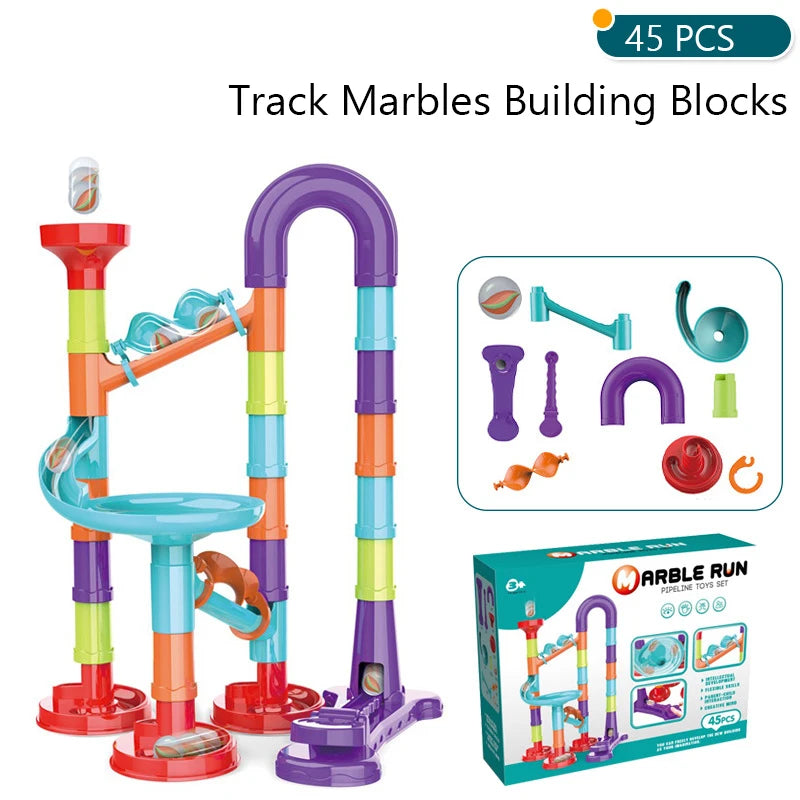
Everyday fine motor skill activities build confidence fast 💡 See it in action
Why Fine Motor Skill Activities Matter More Than You Think
Many parents worry when their child struggles with pencils, scissors, or small buttons. These challenges often trace back to underdeveloped fine motor control. Fine motor skill activities strengthen the small muscles responsible for precision, helping kids feel capable instead of frustrated.
- Improves hand-eye coordination
- Builds patience and focus
- Supports early writing and self-care skills
- Boosts confidence through small wins
These skills are closely tied to overall development and readiness for school. Exploring resources from Baby Growth & Learning can give caregivers more ideas to support this stage naturally.
Fine Motor Skills Activities at Home That Actually Work
Fine motor skills activities at home don’t require special tools or long prep. The best results come from short, playful sessions woven into daily routines.
Easy Everyday Ideas
- Pinching clothespins onto cardboard
- Sorting coins or buttons by size
- Tearing paper for simple art projects
- Rolling dough or clay into shapes
These activities fit easily between meals or before bedtime, making practice feel like play rather than work.
Choosing Fine Motor Skills Toys for Preschoolers
Fine motor skills toys for preschoolers add structure and excitement, especially for children who lose interest quickly. Look for toys that encourage grasping, stacking, and problem-solving.
What to Look For in Toys That Develop Motor Skills
- Pieces sized for small hands
- Opportunities for trial and error
- Bright colors to hold attention
- Safe, durable materials
Collections like Sensory Toys and Mobility & Training offer engaging options that support hand coordination while keeping playtime fun.
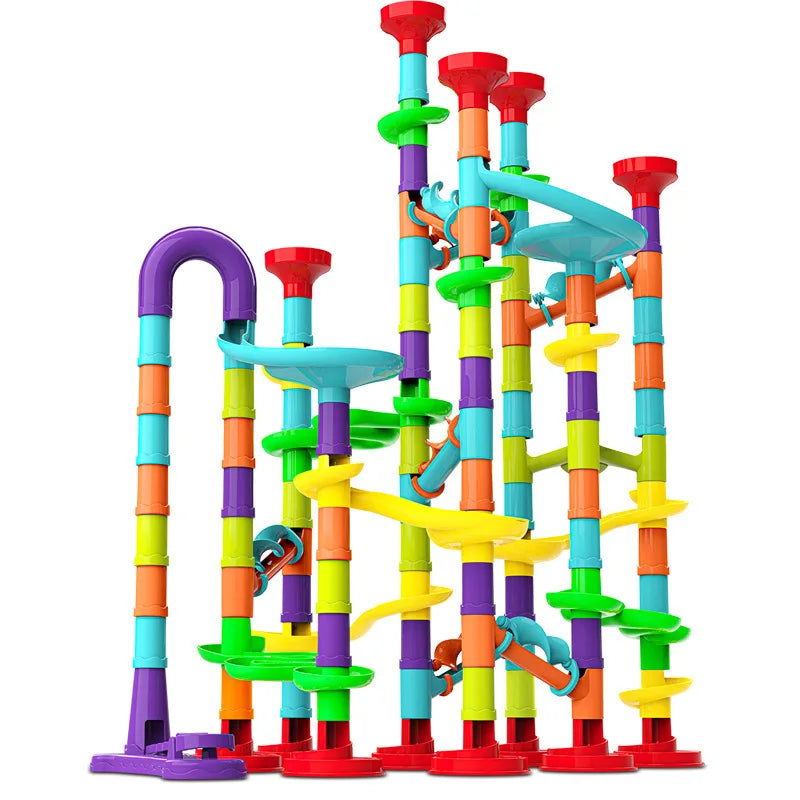
Fine motor skills activities at home with hands-on toys 💡 See it in action
A Simple Daily Routine for Fine Motor Skill Activities
Consistency matters more than duration. A short, repeatable routine helps children build skills without overwhelm.
10-Minute Daily Plan
- 2 minutes: warm-up with squeezing or stretching fingers
- 5 minutes: focused play with stacking or building
- 3 minutes: calm task like threading or sorting
Parents often notice improvements within weeks when this routine becomes part of the day.
A Simple Tool That Makes Practice Fun and Effective
Some children thrive when activities feel like a game. Building sets that require grasping, aligning, and releasing pieces naturally encourage repetition without boredom.
One parent shared: “After a week of daily play, my child started buttoning their shirt without help. The change was incredible.”
Using a structured building set like this interactive marble run turns practice into an engaging challenge, supporting both creativity and fine motor control.
- Encourages precise hand movements
- Supports problem-solving
- Keeps kids engaged longer
- Grows with your child’s skill level
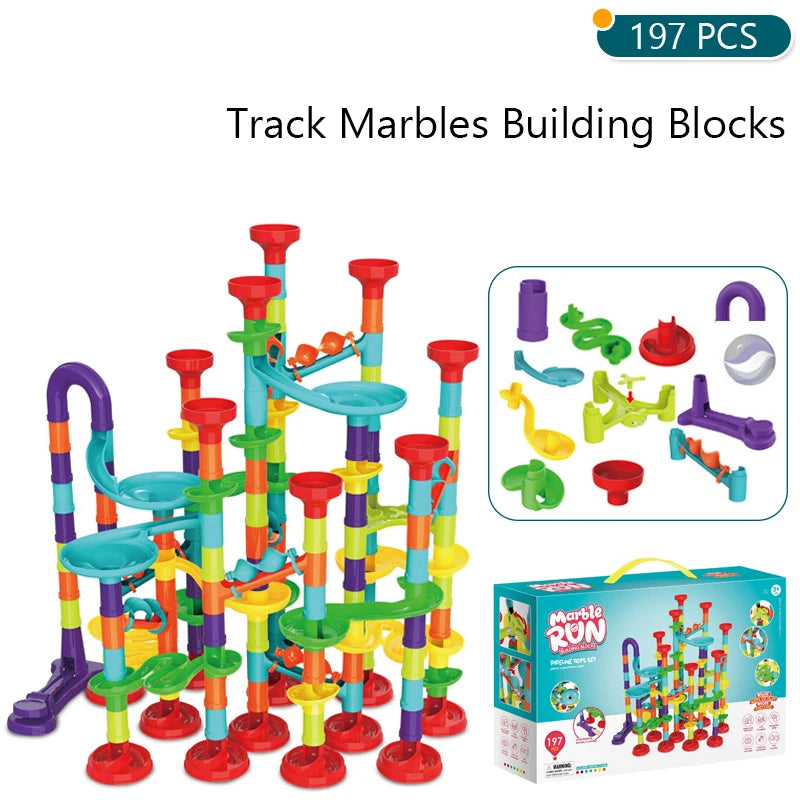
Toys that develop motor skills through playful building 💡 See it in action
Quick FAQ
How often should children do fine motor skill activities?
Short daily sessions of 5–15 minutes are usually more effective than longer, less frequent practice.
At what age should fine motor skills be practiced?
Fine motor development begins in infancy and continues through early childhood, with activities adapted to age and ability.
Do toys really help develop fine motor skills?
Yes, especially toys that require grasping, stacking, and problem-solving, as they encourage repeated, purposeful hand movements.
Related Guide: Build Marble Run Step by Step for Epic Results





