

Fine Motor Development Toys by Age That Build Real Skills
Fine Motor Skill Development Toys: Honest Review After Real Use
⏱ 7 min read
Fine motor skill development toys play an important role in helping young children strengthen the small muscles in their hands and fingers through engaging, age-appropriate play. After extensive hands-on use, we found that the best fine motor skill toys for preschoolers do far more than entertain—they encourage stronger grip control, better hand-eye coordination, improved concentration, and greater independence in everyday activities. Whether your child is preparing for preschool or simply enjoys hands-on learning, choosing the right toys for motor skill development can turn playtime into meaningful developmental progress.

Fine motor skill development toys in real play — See it in action
Why Fine Motor Skills Matter More Than You Think
Fine motor skills are responsible for the precise hand and finger movements children rely on every day. From holding a crayon and fastening buttons to using utensils, turning book pages, and manipulating small objects, these seemingly simple actions require strength, coordination, and practice.
Many parents first notice fine motor challenges when a child struggles with coloring, scissors, puzzles, or getting dressed independently. Fine motor skill development toys provide repeated opportunities to practice these movements in a playful, low-pressure environment, helping children improve naturally while staying motivated.
Developing strong fine motor control supports far more than handwriting. It lays the foundation for lifelong independence, classroom readiness, creative expression, and problem-solving.
Well-designed fine motor development toys help children build:
- Handwriting readiness through improved pencil grip and finger control
- Greater independence with dressing, self-feeding, and daily self-care
- Hand-eye coordination for drawing, building, and manipulating objects
- Better concentration during structured and open-ended learning activities
- Confidence to tackle new challenges through repeated success
Every child develops at their own pace, so the most effective toys for motor skill development match a child's current abilities while providing just enough challenge to encourage steady progress. Observing which everyday tasks your child finds difficult can help you choose toys that strengthen the exact skills they need most.
What Makes Fine Motor Skill Development Toys Effective?
The most effective fine motor skill development toys encourage children to practice essential hand movements while keeping play enjoyable. Rather than teaching a single skill, quality toys build strength, coordination, dexterity, and confidence through repeated exploration. The right level of challenge keeps children engaged without becoming overwhelming, making learning feel rewarding instead of forced.
High-quality toys for motor skill development typically include:
- Grasping, pinching, twisting, squeezing, or pulling movements that strengthen hand muscles
- Clear cause-and-effect interactions that motivate repeated attempts
- Open-ended play that supports creativity alongside skill development
- Repetitive practice presented as fun challenges rather than drills
- Durable, child-safe materials designed for preschool-sized hands
During hands-on testing, we found that toys combining whole-body movement with precise hand control maintained attention longer than activities requiring children to remain seated. Active play naturally encouraged more repetitions, leading to gradual improvements in coordination and confidence.
Fine motor skill toys for preschoolers at work — See it in action
Hands-On Review: Kids Archery Set for Skill Building
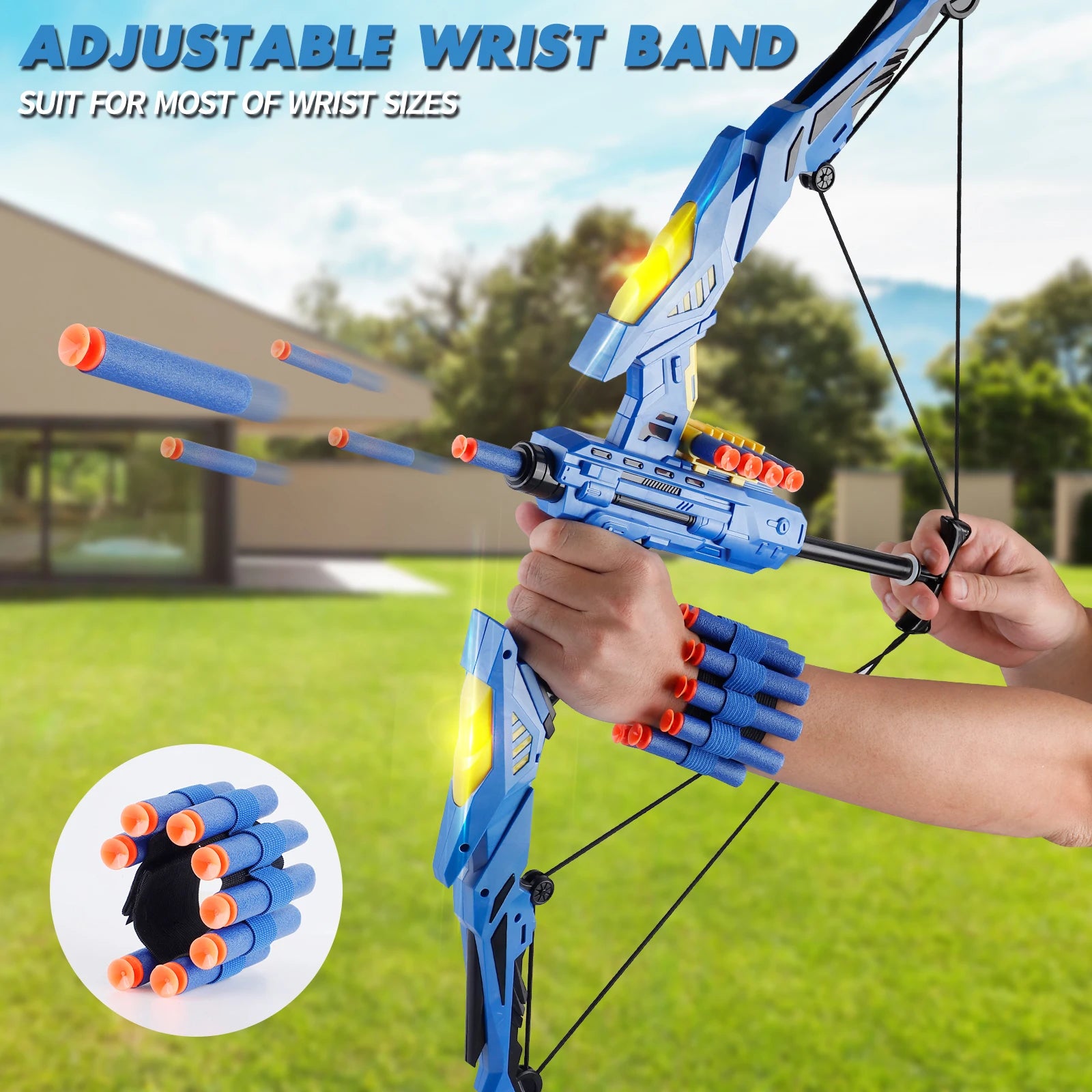
Among the fine motor skill development toys we evaluated, the kids archery set delivered a unique combination of precision, movement, and sustained engagement. Drawing the bow, aligning the target, and releasing each shot required children to coordinate both hands while controlling finger movements and grip pressure. These actions naturally reinforce several foundational fine motor skills while keeping play active and enjoyable.
During repeated play sessions, we consistently observed improvements in:
- Grip strength through repeated bow drawing and release
- Hand-eye coordination while aiming at targets
- Bilateral coordination by using both hands together
- Focus and patience during longer play sessions
- Confidence as children mastered increasingly accurate shots
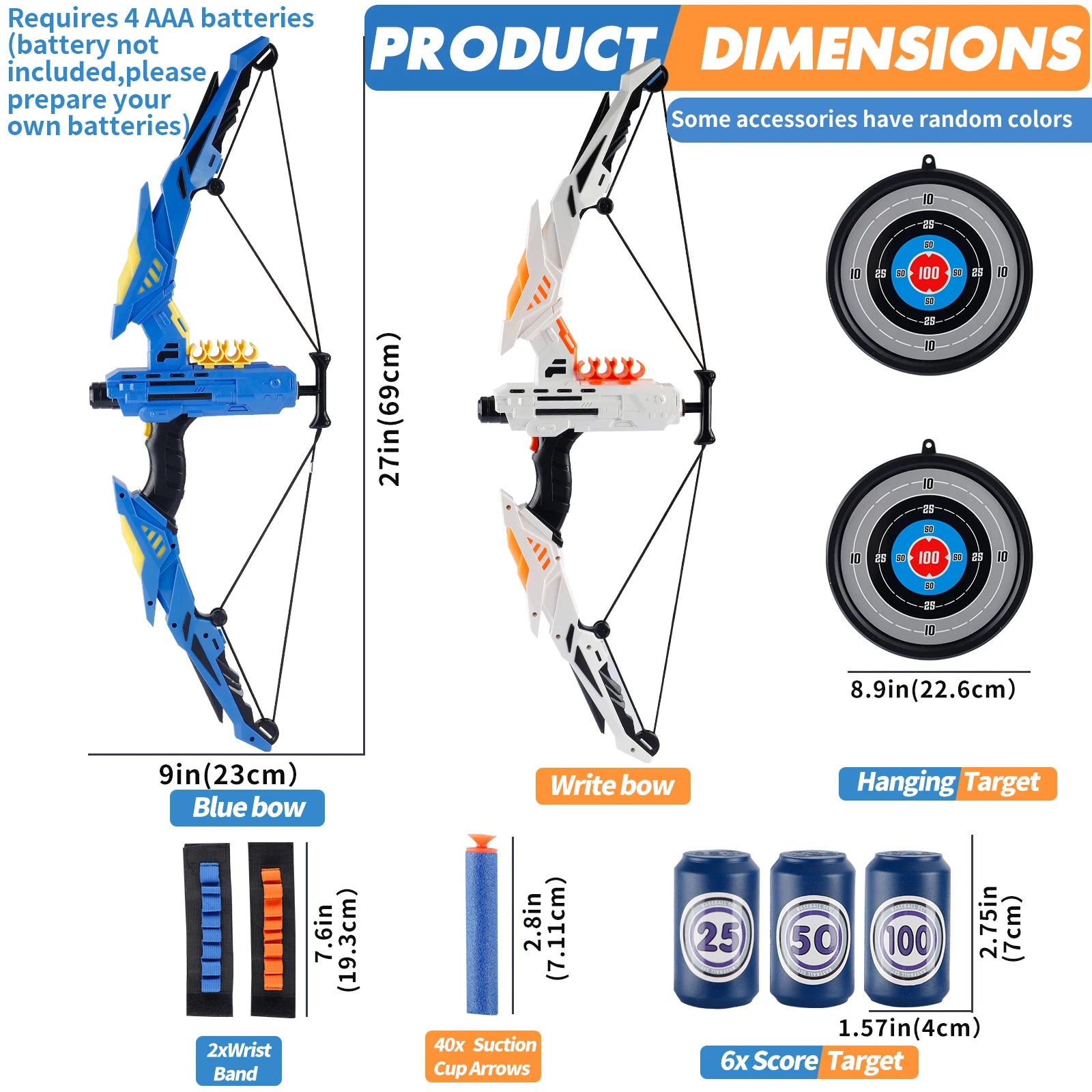
The lightweight construction and soft-tip darts reduced frustration during practice and made the set more suitable for supervised preschool play than toys with rigid or sharp-edged components. While no toy replaces adult supervision, the design encourages children to develop coordination in a safer, confidence-building environment.
This style of play is especially valuable for children who enjoy active movement but may lose interest in tabletop-only fine motor activities. By combining gross movement with precise hand control, the toy offers a well-rounded developmental experience.
Explore the kids archery set used in this review
How These Toys Compare to Other Options
| Toy Type | Primary Skill Focus | Engagement Level | Developmental Strengths | Safety |
|---|---|---|---|---|
| Archery Skill Toys | Grip, aiming, bilateral coordination | High | Combines precision, movement, focus, and hand-eye coordination | Soft-tip design |
| Puzzle Boards | Pinching, placement, spatial reasoning | Medium | Supports finger dexterity and problem-solving | Generally safe |
| Building Blocks | Stacking, grasping, balance | Medium to High | Encourages creativity, hand control, and planning | Depends on block size and materials |
Each toy category develops different aspects of fine motor control, making them complementary rather than interchangeable. Puzzle boards strengthen finger precision, building blocks encourage controlled grasping and manipulation, while archery-style toys uniquely combine coordination, timing, visual tracking, and active movement.
For many families, rotating different fine motor skill development toys throughout the week provides broader developmental benefits than relying on a single activity. This variety keeps children engaged while allowing them to practice a wider range of motor skills in different play environments.
What Makes a Toy Truly Safe for Preschoolers?
Choosing safe toys for preschoolers involves more than checking the age recommendation on the packaging. A well-designed toy should match a child's developmental stage, withstand frequent use, and allow children to practice new skills without unnecessary risks. Adult supervision remains important, especially during activities that involve movement or small accessories.
When evaluating fine motor skill development toys, we focused on several key safety considerations:
- Soft, rounded edges that reduce the chance of bumps and scrapes
- Lightweight components that are easy for small hands to control
- Durable, non-toxic materials that stand up to repeated play
- Age-appropriate resistance that challenges children without excessive force
- Clearly defined play areas and simple instructions for supervised use
- Parts large enough to reduce choking risks for the recommended age group
Parents should also inspect toys regularly for loose pieces, cracks, or worn components that could affect safe use. Rotating toys and keeping play areas uncluttered can further reduce distractions and accidents during active learning.
For families prioritizing developmental play and product safety, the resources available in Health & Safety and Baby Growth & Learning provide additional guidance for selecting age-appropriate toys and creating a safe play environment.
How to Choose the Right Toy for Your Child
The best fine motor development toys are those that match your child's current abilities while encouraging gradual skill progression. Instead of selecting toys based only on age, consider your child's interests, confidence level, and the specific hand movements they are ready to practice.
- Identify everyday tasks that your child finds challenging, such as drawing, using utensils, fastening clothing, or stacking objects.
- Select toys that naturally encourage those same movements through enjoyable play.
- Choose durable, high-quality materials with appropriate safety features for your child's developmental stage.
- Look for open-ended toys that remain engaging as your child's skills improve.
- Observe how your child interacts with the toy during the first few play sessions and adjust if it is too easy or overly frustrating.
Many families benefit from combining different categories of developmental toys. Building toys improve hand strength, sensory activities encourage tactile exploration, and movement-based toys reinforce coordination from multiple angles. Browsing collections such as Sensory Toys and Mobility & Training can help parents create a balanced play environment that supports both fine and gross motor development.
Frequently Asked Questions
What are the best fine motor development toys for preschoolers?
The best fine motor development toys for preschoolers encourage grasping, pinching, stacking, threading, sorting, drawing, and hand-eye coordination. Building blocks, peg boards, lacing toys, child-safe art supplies, sensory activities, and active toys such as beginner archery sets all help strengthen different aspects of fine motor control while keeping children engaged.
How do I know if a toy matches my child's developmental stage?
Look beyond the recommended age printed on the packaging. A suitable toy should be challenging enough to encourage learning without causing repeated frustration. If your child can complete every task immediately, the toy may be too easy. If they lose interest because it feels impossible, consider a simpler option before progressing to more advanced fine motor activities.
Can Montessori toys improve fine motor skills?
Yes. Many Montessori-inspired toys promote practical, hands-on learning through activities such as pouring, threading, stacking, sorting, and transferring objects. These experiences naturally strengthen finger dexterity, hand coordination, concentration, and independence while encouraging children to learn at their own pace.
How much daily fine motor practice is recommended?
Consistency is more important than long practice sessions. Around 10 to 20 minutes of purposeful fine motor play each day is often enough for preschoolers to build strength, coordination, and confidence without becoming fatigued. Mixing different activities throughout the week keeps practice enjoyable and supports broader skill development.
When should I be concerned about delayed fine motor skills?
Children develop at different rates, but persistent difficulty with age-appropriate tasks such as grasping crayons, stacking blocks, manipulating buttons, using utensils, or coordinating both hands may warrant further observation. If concerns continue or begin affecting daily activities, consult your pediatrician or a qualified occupational therapist for an individualized developmental assessment.
Are STEM toys good for fine motor development?
Many STEM toys provide excellent opportunities to strengthen fine motor skills. Construction sets, beginner engineering kits, magnetic building systems, and simple robotics activities require careful hand movements, planning, and problem-solving while improving dexterity and bilateral coordination.
What toys help develop a pincer grasp?
Toys that encourage children to pick up, sort, thread, or place small age-appropriate objects are particularly effective for developing a pincer grasp. Peg boards, stacking games, large tweezers, bead threading sets, and shape sorters all help strengthen thumb-and-finger coordination needed for writing and self-care tasks.
What safety features should I look for in preschool toys?
Choose toys made from durable, non-toxic materials with smooth edges and components that are appropriately sized for your child's age. Avoid products with easily detachable small parts for younger children, and always follow the manufacturer's age recommendations while supervising active play.
Safe toys for preschoolers that build confidence — See it in action





