

Fine Motor Skill Development Toys That Deliver Real Results
Do fine motor skill development toys really work?
Fine motor skill development toys work by giving babies and toddlers repeated, purposeful hand movements that strengthen finger muscles, improve hand-eye coordination, and build brain connections. When play involves grasping, pressing, stacking, or turning, these toys support measurable progress in control, focus, and everyday independence.
Fine Motor Skill Development Toys That Deliver Real Results
⏱ 8 min read
You watch your child explore the world with their hands—grabbing, dropping, squeezing, and trying again. Those tiny movements may look simple, but they are the foundation of writing, feeding, buttoning clothes, and self-confidence later on. The right fine motor skill development toys can turn everyday play into steady, visible progress. But which options truly help, and which are just noise and flashing lights?
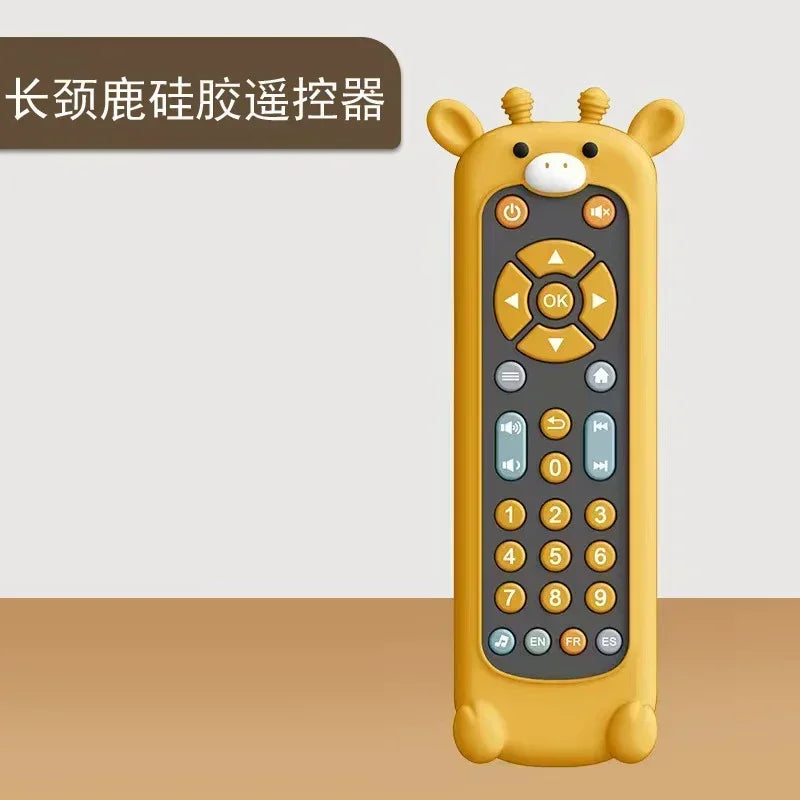
Fine motor skill development toys encourage grasping, pressing, and coordination 💡 See it in action
Why Fine Motor Skills Matter Early
Fine motor skills involve the small muscles of the hands and fingers working together with vision. These skills start developing from birth and grow rapidly in the first three years. When supported early, children tend to gain confidence faster during feeding, drawing, and self-care tasks.
Parents often notice frustration when a child wants to do something independently but lacks control. The right toys reduce that frustration by breaking complex movements into playful, achievable actions.
What Makes Fine Motor Skill Development Toys Effective?
Fine motor skill development toys deliver results when they encourage active participation instead of passive watching. Buttons that click, knobs that turn, and textures that respond to touch all invite repetition, which is essential for progress.
- Encourage grasp-and-release motions
- Support bilateral hand use
- Provide gentle sensory feedback
- Grow with your child’s abilities
Collections like Baby Growth & Learning focus on tools designed around these principles, helping parents choose with confidence.
Fine Motor Skills Toys for Infants: What to Look For
Fine motor skills toys for infants should be simple, safe, and engaging without overwhelming the senses. At this stage, babies learn best through repetition and cause-and-effect play.
- Large, easy-to-press buttons
- Lightweight designs for small hands
- High-contrast colors for visual tracking
- Soft sounds or gentle lights as feedback
Pairing these toys with options from Sensory Toys can further support exploration while keeping play calm and focused.
Clear Fine Motor Development Examples in Daily Play
Parents often ask what real progress looks like. Fine motor development examples include a baby intentionally pressing a button, a toddler stacking blocks with control, or a preschooler turning pages one at a time.
These moments signal growing brain-hand connections. Over time, small wins add up to smoother movements and longer attention spans.
A Smart Early Learning Toy That Delivers Results
Fine motor skill development toys that combine familiar objects with purposeful interaction tend to stand out. A remote-control–style early learning toy gives children something they already want to hold, while guiding them toward productive movement.
This type of early learning toy encourages pressing, pointing, and grasping—skills that directly support daily independence.
Why parents notice a difference:
- Buttons strengthen finger muscles
- Lights reward intentional movement
- Compact size supports proper grip
- Durable design handles repeated use
Explore how this works in real life with the infant TV remote control toy, designed to turn curiosity into coordination.
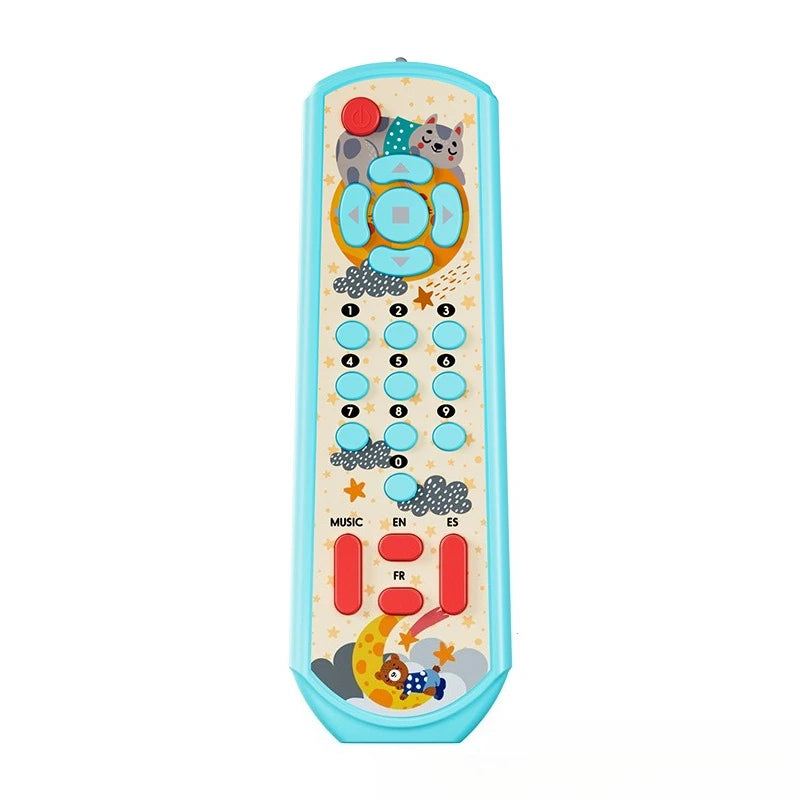
Fine motor skills toys for infants support early learning toy play 💡 See it in action
Comparing Popular Toy Types
| Toy Type | Main Benefit | Best Age |
|---|---|---|
| Button-based toys | Finger strength & cause-effect | 6–18 months |
| Stacking toys | Hand-eye coordination | 12–36 months |
| Threading toys | Precision & focus | 24+ months |
Smart designs found in Smart Baby Gadgets often combine multiple benefits into one compact toy, helping families save space while supporting development.
How to Maximize Results at Home
Consistency matters more than complexity. Short, daily play sessions create better results than occasional long ones.
- Rotate toys to maintain interest
- Play together, then let your child lead
- Celebrate effort, not perfection
- Store toys within easy reach
Parents report noticeable improvements within weeks when play is intentional and relaxed.
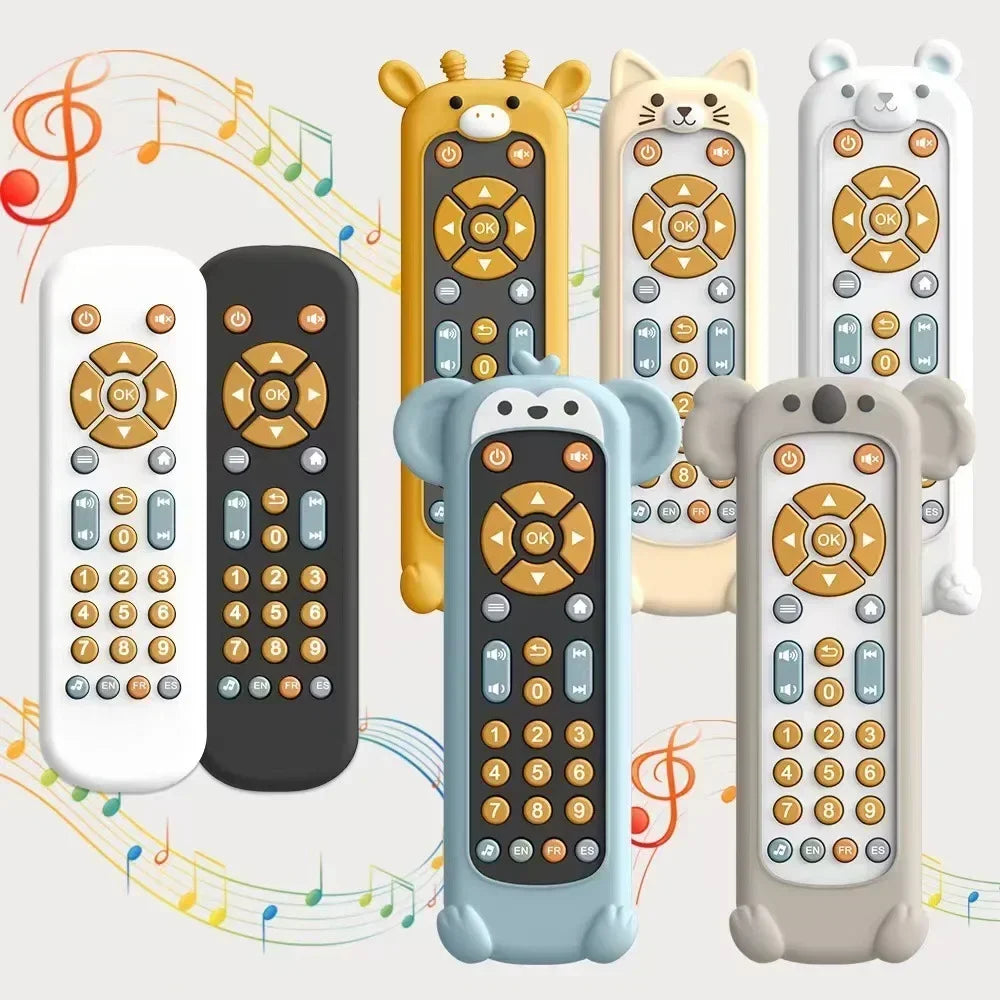
Early learning toy play builds confidence and control 💡 See it in action
Frequently Asked Questions
At what age should fine motor skill development toys be introduced?
Many fine motor skill development toys are appropriate from 3–6 months, focusing on grasping and sensory exploration. As children grow, toys with buttons, stacking, and sorting support more advanced control.
How often should my child use fine motor skills toys?
Daily short sessions of 5–15 minutes are usually enough. Regular exposure helps build muscle memory without overwhelming your child.
Can one toy really make a difference?
Yes, when a toy targets specific movements and is used consistently, parents often see faster progress compared to unstructured play alone.





