

Fine Motor Skill Toys: Top Choices Side by Side
Do fine motor skill toys really help preschoolers develop faster?
Fine motor skill toys help children build hand strength, coordination, and focus through play-based repetition. When designed well, fine motor skill toys support daily skills like holding pencils, using utensils, and completing tasks independently. For preschoolers, the right toys for motor skill development turn short play sessions into steady progress without pressure.
Fine Motor Skill Toys: Top Choices Side by Side
⏱ 7 min read
Fine motor skill toys can quietly transform everyday play into powerful learning moments that build confidence fast. In this side-by-side guide, we break down fine motor skill toys for preschoolers that sharpen hand strength, coordination, and focus without overwhelming kids. You’ll see which toys for motor skill development actually support independence, why safe toys for preschoolers matter more than flashy features, and how small design details make a big difference. Which option delivers the biggest gains with the least effort?
Which toy truly supports your child’s growing hands and focus? Let’s compare the options parents rely on most.
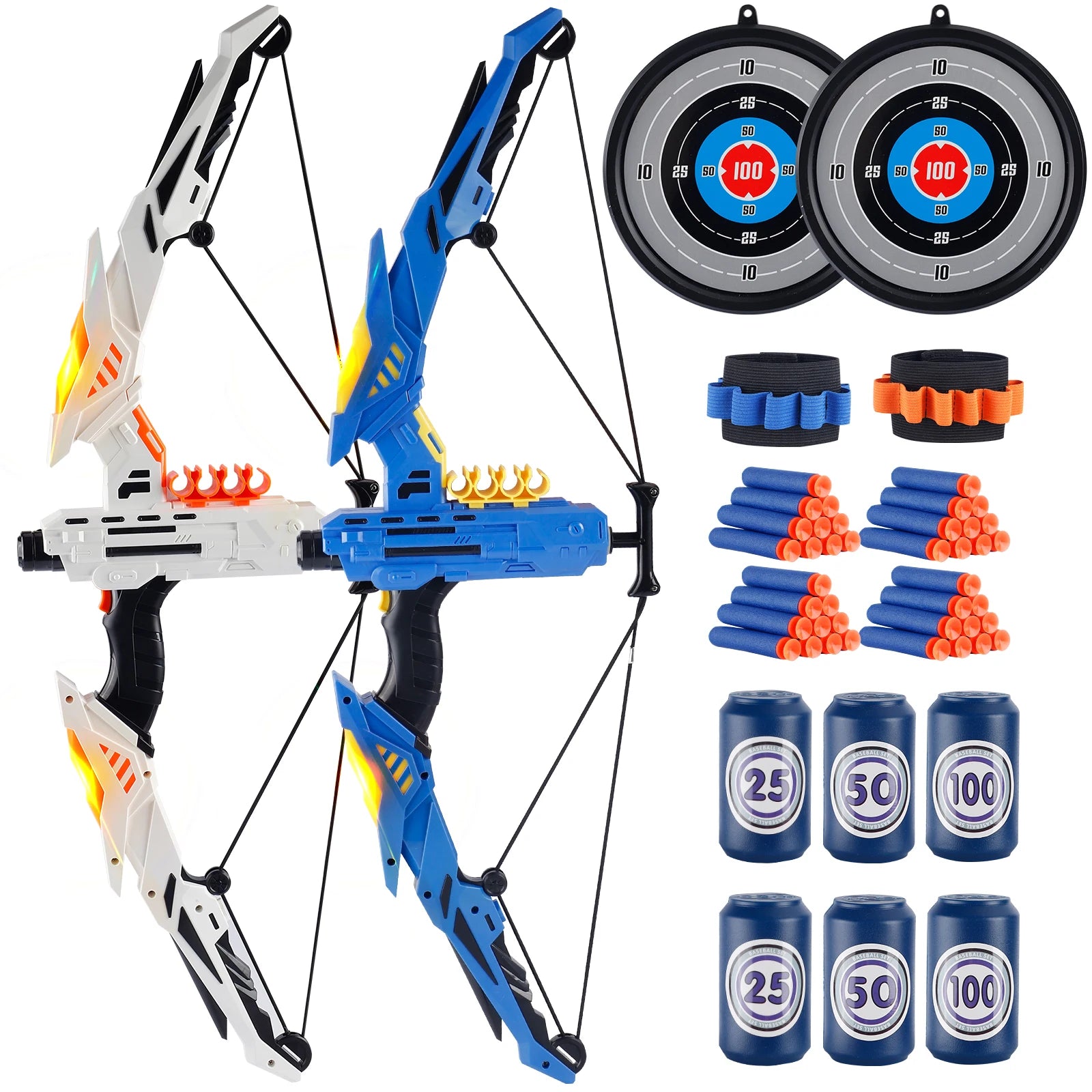
Fine motor skill toys for preschoolers that build confidence through play 💡 See it in action
Why fine motor skills matter in the preschool years
Between ages three and five, children are laying the groundwork for writing, self-care, and classroom readiness. Fine motor control affects how easily a child can button clothes, cut with scissors, or hold a crayon without frustration.
When these skills lag, everyday tasks feel harder than they should. That’s why many families turn to fine motor skill toys as a low-pressure way to strengthen hands while keeping play joyful.
What makes a good fine motor skill toy?
Fine motor skill toys work best when they balance challenge and success. Too easy, and kids lose interest. Too complex, and frustration takes over.
- Encourages grasping, pinching, twisting, or pulling
- Supports hand–eye coordination and bilateral movement
- Feels safe, sturdy, and sized for small hands
- Invites repeat play without screens or noise overload
Parents often pair these toys with resources from Baby Growth & Learning to support consistent skill-building routines at home.
Side-by-side comparison of popular fine motor skill toys
| Toy Type | Key Skills | Best For | Limitations |
|---|---|---|---|
| Stacking & Peg Boards | Grip strength, precision | Early preschool learners | Limited imaginative play |
| Lacing & Threading Toys | Hand-eye coordination | Focus and patience | Requires supervision |
| Building Blocks | Coordination, planning | Open-ended creativity | Less targeted hand work |
| Kids Archery Sets | Fine control, aim, balance | Active, focused play | Needs space |
Best fine motor skill toys for preschoolers by need
For children who struggle with grip strength
Thicker pegs, pull-apart pieces, and squeeze-based toys help build muscle without fatigue. These toys reward effort quickly, which keeps motivation high.
For kids who need better hand–eye coordination
Lacing cards, bead threading, and aim-based toys encourage visual tracking and controlled movement. Many parents notice improved focus within weeks.
For active learners who dislike sitting still
Movement-based fine motor skill toys combine physical activity with precision. A kids archery set, for example, encourages steady hands, controlled release, and visual focus while keeping play energetic.

Toys for motor skill development that keep preschoolers engaged 💡 See it in action
Safety considerations parents shouldn’t skip
Safe toys for preschoolers protect more than fingers—they protect confidence. Toys that pinch, splinter, or overwhelm can quickly undo progress.
- Rounded edges and non-toxic materials
- Age-appropriate sizing
- Clear instructions and simple setup
- Durability for repeated use
Many families check collections like Health & Safety to ensure play supports both development and peace of mind.
What parents notice after regular play
Parents consistently report small but meaningful changes after introducing fine motor skill toys:
- Less frustration during drawing or coloring
- Improved independence with dressing
- Longer attention spans during quiet tasks
- Increased confidence trying new activities
One parent shared that after two weeks of short daily sessions, their child began holding utensils more comfortably and asking to “practice” playtime again.
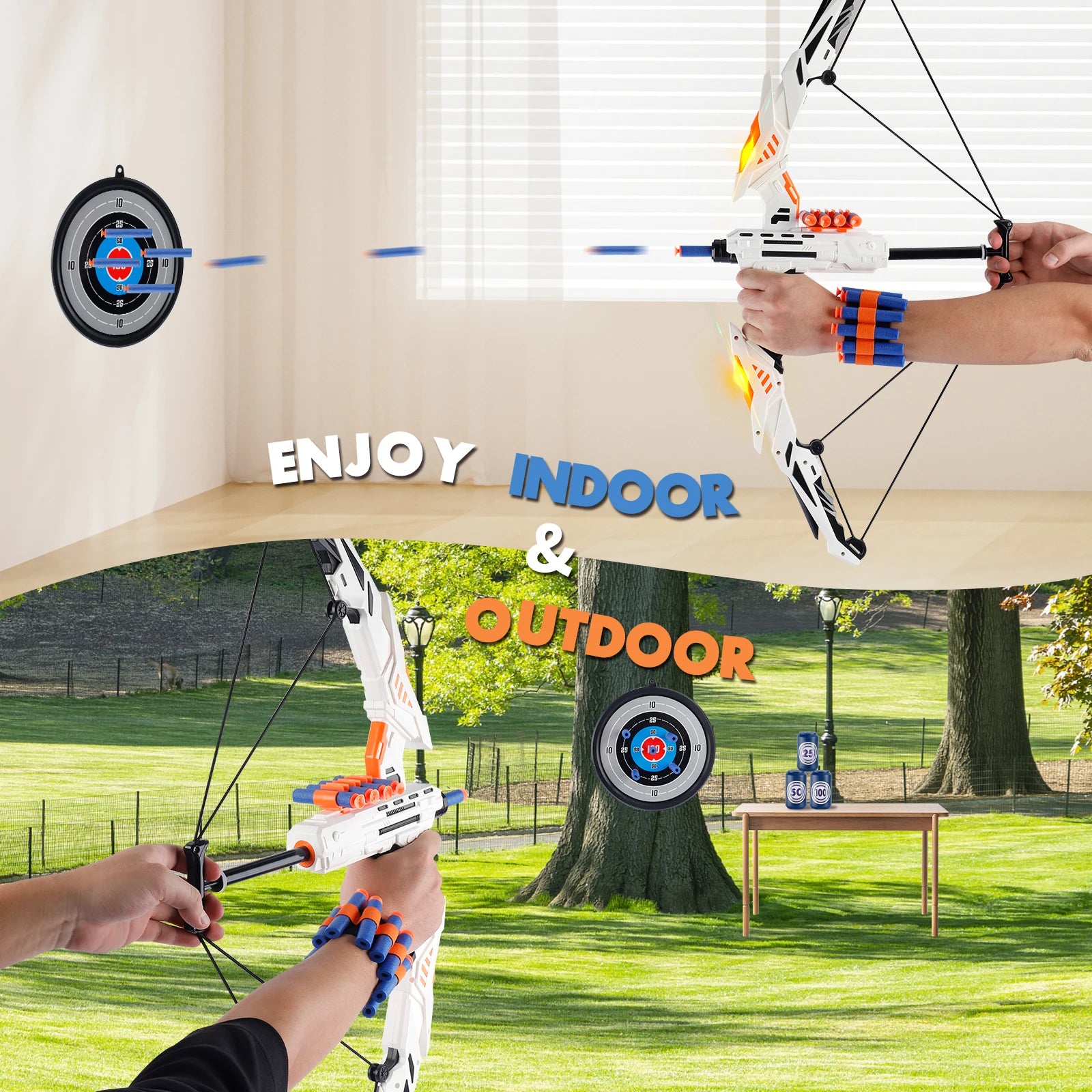
Safe toys for preschoolers that support independence 💡 See it in action
Quick questions parents ask about fine motor skill toys
At what age should children start using fine motor skill toys?
Most children benefit from simple fine motor play as early as toddlerhood, with more structured fine motor skill toys becoming useful around ages three to five.
How often should my child use these toys?
Short, consistent play sessions—10 to 15 minutes a day—are often more effective than longer, less frequent sessions.
Can fine motor skill toys replace traditional learning tools?
These toys work best alongside everyday activities like drawing, self-feeding, and imaginative play, supporting skills naturally rather than replacing them.
Related Guide: Kids Archery Set Toy: Best Picks Compared for Safe Play





