

Fine Motor Skills Activities for Preschoolers Using Art Boards
Does creative writing practice for kids really work?
Creative writing practice for kids works by combining imagination, visuals, and guided prompts to help children turn ideas into words. When kids respond to pictures or drawings, they feel less pressure, write longer stories, and build vocabulary faster. Visual prompts make writing feel playful, not forced, which improves confidence and consistency.
Creative Writing Practice for Kids Using Visual Drawing Prompts
⏱ 6 min read
Creative writing practice for kids doesn’t have to feel like homework battles or blank-page frustration. When children are given a picture instead of a prompt, their ideas flow more freely. Visual drawing prompts turn storytelling into a hands-on activity that feels natural, fun, and achievable for different ages and skill levels.
Have you ever asked your child to “write a story” and watched them freeze? You’re not alone. Many parents and educators notice that kids have ideas but struggle to start. The solution often isn’t more rules—it’s better inspiration.
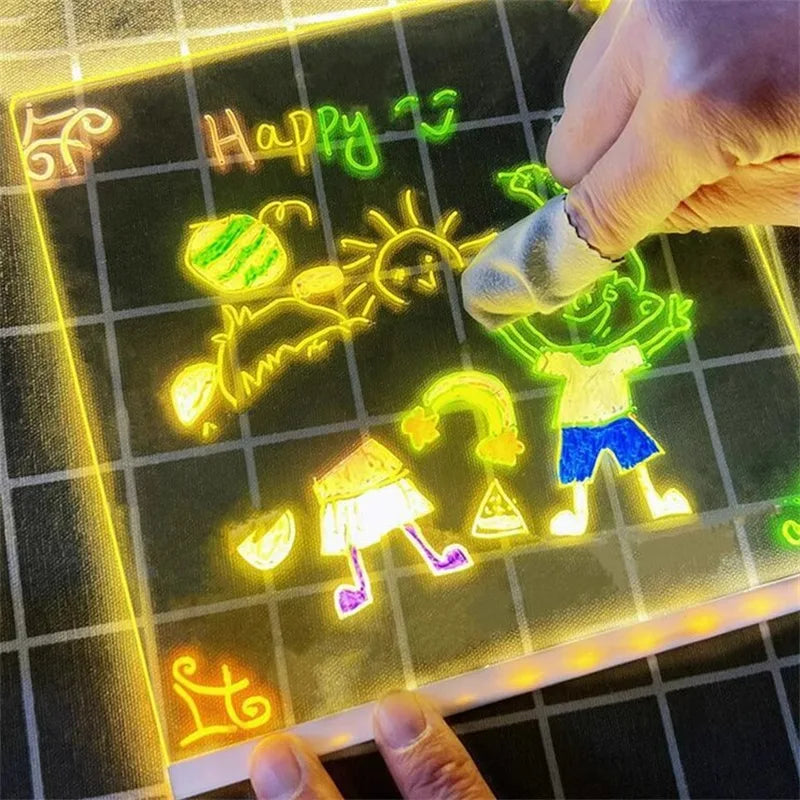
Creative writing practice for kids starts faster with interactive drawing ideas that spark imagination 💡 See it in action
Explore simple tools that turn drawings into stories kids actually want to write.
Why visual prompts help kids write with confidence
Kids think in images before words. Visual prompts give them something concrete to react to, reducing anxiety and decision overload. Instead of asking “What should I write?”, they begin asking “What’s happening in this picture?”—a much easier starting point.
- Encourages longer writing sessions without pressure
- Builds descriptive language naturally
- Supports early literacy skills through observation
- Works for reluctant and confident writers alike
Parents using visual prompts often notice kids staying focused longer, especially when paired with hands-on tools found in Baby Growth & Learning.
What is creative writing practice for kids?
Creative writing practice for kids is a guided way for children to express ideas through stories, descriptions, and imaginative thinking. By using drawings or images as prompts, kids focus on storytelling instead of spelling or structure first, which builds confidence and fluency over time.
This approach works well in homeschooling, after-school routines, or calm evening activities when children are mentally tired but still creative.
Key benefits parents notice
- Stronger vocabulary without memorization
- Better sentence flow and story structure
- More enjoyment and less resistance
- Improved focus compared to worksheets
A reusable visual surface can turn daily writing into a habit.
Step-by-step visual writing activity at home
- Start with a drawing: Let your child draw freely or show a simple image.
- Ask guiding questions: Who is here? What happened before? What might happen next?
- Write without editing: Encourage ideas first, spelling later.
- Share the story: Reading aloud builds pride and confidence.
Using a glowing surface like the LED Acrylic Message Board makes this process feel special and keeps kids engaged longer, especially during evening routines.

Interactive drawing ideas paired with engaging learning tools help kids write longer 💡 See it in action
Tools that make writing more engaging
The right tools reduce friction. Kids are more willing to write when the setup feels playful rather than academic.
| Tool | How it helps |
|---|---|
| Reusable drawing boards | No fear of mistakes, endless practice |
| Light-up surfaces | Boost focus and excitement |
| Visual prompt cards | Instant story inspiration |
Many families pair writing activities with calming items from Sensory Toys to help children settle before starting.
Discover a visual writing board that supports creativity without mess.
Age-based visual writing ideas
Preschool (3–5 years)
- Describe what’s happening in a picture
- Label objects and characters
- Tell stories verbally while you write
Early elementary (6–8 years)
- Beginning, middle, end storytelling
- Character emotion drawings
- Simple dialogue bubbles
Upper elementary (9–11 years)
- Plot twists based on visuals
- Perspective writing (different characters)
- Story continuation challenges
For structured learning routines, parents often explore resources from Baby Growth & Learning Tips to support consistency.
Common parent challenges and simple fixes
- “My child gets distracted easily” → Use short sessions with visual focus points.
- “They hate writing” → Let them draw first, write second.
- “Messy supplies everywhere” → Choose reusable boards and markers.
- “They run out of ideas” → Rotate visual prompts weekly.
Families looking to simplify routines often combine creative activities with calming evening setups from Sleep & Comfort.
Creative writing practice for kids feels easier with engaging learning tools 💡 See it in action
Try a visual message board that turns drawings into stories kids love to share.
Mini FAQ
How often should kids practice creative writing?
Short daily sessions of 10–15 minutes work better than long weekly ones. Consistency builds confidence.
Do visual prompts help reluctant writers?
Yes. Visuals reduce pressure and give kids a clear starting point, making writing feel achievable.
Can this work for homeschooling?
Absolutely. Visual writing activities fit well into flexible schedules and mixed-age learning.
Related Guide: How to Encourage Kids Creativity With Simple Daily Activities





