

Fine Motor Skills Activity Ideas: What Works Best?
Does a fine motor skills activity really improve hand control?
A fine motor skills activity strengthens the small muscles in a child’s hands and fingers, improving grip, coordination, and focus. With consistent practice through hands-on play, children often show better pencil control, faster buttoning skills, and improved independence within weeks.
Fine Motor Skills Activity Ideas: What Works Best?
A fine motor skills activity can transform everyday play into powerful brain-building moments. From simple fine motor skills activities at home using kitchen tools to engaging fine motor skills activities for kindergarten classrooms, the right approach strengthens grip, coordination, and focus faster than most parents expect. Even toys that develop motor skills can boost handwriting readiness and independence when chosen wisely. So which activities actually deliver lasting results?
⏱ 7 min read
Ever notice your child avoiding buttons, struggling with crayons, or getting frustrated during crafts? You’re not alone. Many parents worry when small hands seem clumsy or tire easily.
Which fine motor skills activity actually works best for real progress? Let’s break it down clearly, with side-by-side comparisons and practical ideas you can use today.
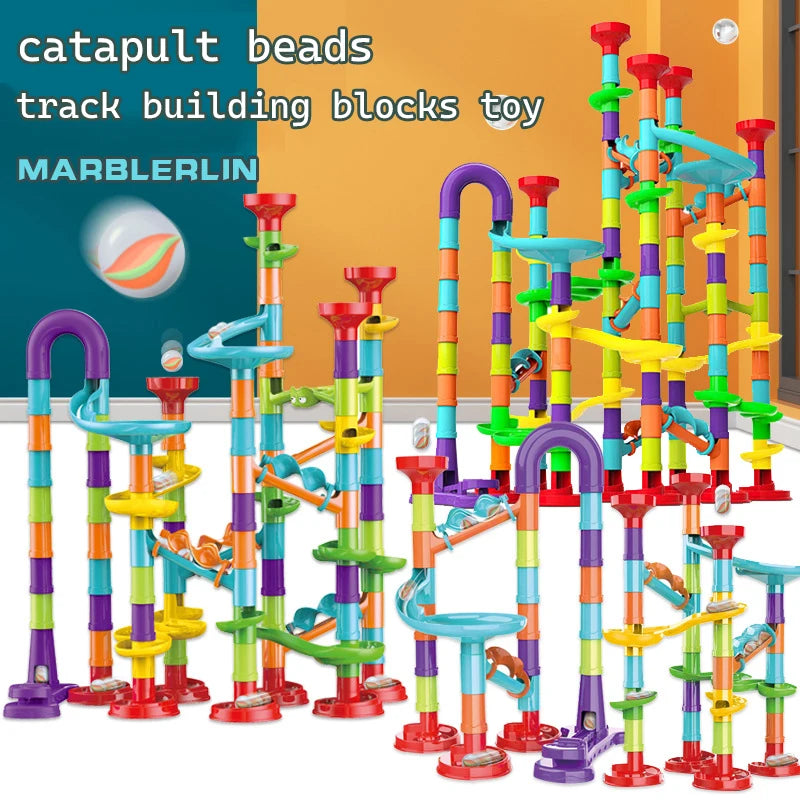
Fine motor skills activities at home that build grip and coordination 💡 See it in action
What Is a Fine Motor Skills Activity?
A fine motor skills activity targets the small muscles in the hands, fingers, and wrists to improve control and coordination. These activities prepare children for writing, cutting, dressing, and self-feeding. Consistent practice supports early childhood development and increases independence in daily routines.
Fine motor development is about precision. Think picking up cereal pieces, stacking small blocks, or twisting bottle caps.
When children practice regularly:
- Grip strength improves
- Hand-eye coordination sharpens
- Focus and patience increase
- Confidence grows
That’s why pediatric therapists often recommend daily hand strength activities during the preschool years.
Fine Motor Skills Activities at Home That Show Fast Results
Home is the easiest place to start. You don’t need fancy tools—just intention.
1. Kitchen Tool Challenges
- Using tongs to move cotton balls
- Transferring beans with spoons
- Opening and closing containers
Best for: Grip strength and wrist stability.
2. Playdough Power Sessions
- Rolling snakes
- Pinching spikes
- Hiding beads inside for treasure hunts
Best for: Finger isolation and endurance.
3. Building Structures with Small Blocks
Construction play is one of the most effective fine motor skills activities at home because it blends precision with problem-solving.
Try the Marble Run Building Blocks Set for:
- Pinch-and-place practice
- Two-hand coordination
- Visual tracking as marbles roll
Fine Motor Skills Activities for Kindergarten That Build Classroom Confidence
Teachers often look for structured, repeatable activities.
Cutting Stations
- Progressive cutting lines
- Shape trimming
- Collage creation
Lacing Cards
- Pattern replication
- Sewing-style threading
Mini Construction Challenges
STEM-based builds using tools like the Marble Run Building Blocks Set encourage:
- Precision alignment
- Patience under trial and error
- Team coordination
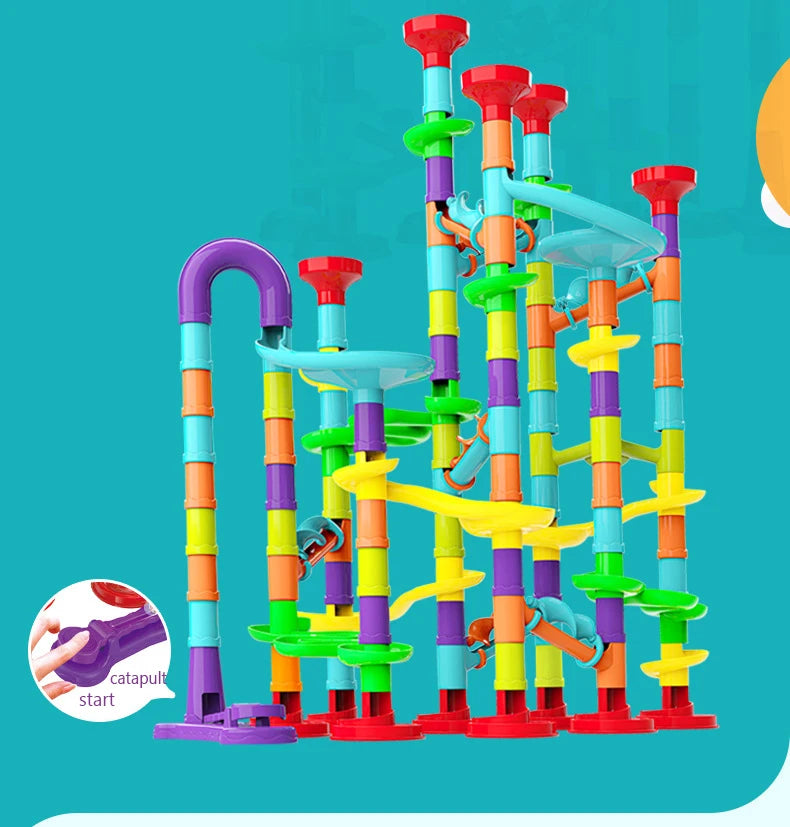
Fine motor skills activities for kindergarten that boost handwriting readiness 💡 See it in action
Toys That Develop Motor Skills: What’s Worth It?
Not all toys that develop motor skills are equal. Some focus on speed. Others build strength.
| Type | Benefits | Limitations |
|---|---|---|
| Stacking Blocks | Improves balance and grip | Limited complexity over time |
| Lacing Beads | Builds precision and focus | Can frustrate beginners |
| Marble Run Sets | Enhances coordination, planning, grip | Requires supervision for small parts |
Parents often report noticeable improvement in pencil grip after 4–6 weeks of consistent building play.
Many families combine construction toys with options from Mobility & Training to support whole-body coordination.
Side-by-Side Comparison of Top Activity Types
| Activity Type | Grip Strength | Coordination | Focus Building | Best Age |
|---|---|---|---|---|
| Playdough | ⭐⭐⭐⭐ | ⭐⭐⭐ | ⭐⭐⭐ | 3–6 |
| Lacing Cards | ⭐⭐⭐ | ⭐⭐⭐⭐ | ⭐⭐⭐⭐ | 4–7 |
| Marble Run Building | ⭐⭐⭐⭐ | ⭐⭐⭐⭐⭐ | ⭐⭐⭐⭐⭐ | 4–8 |
For families wanting multi-skill benefits in one activity, building systems often provide the highest long-term value.
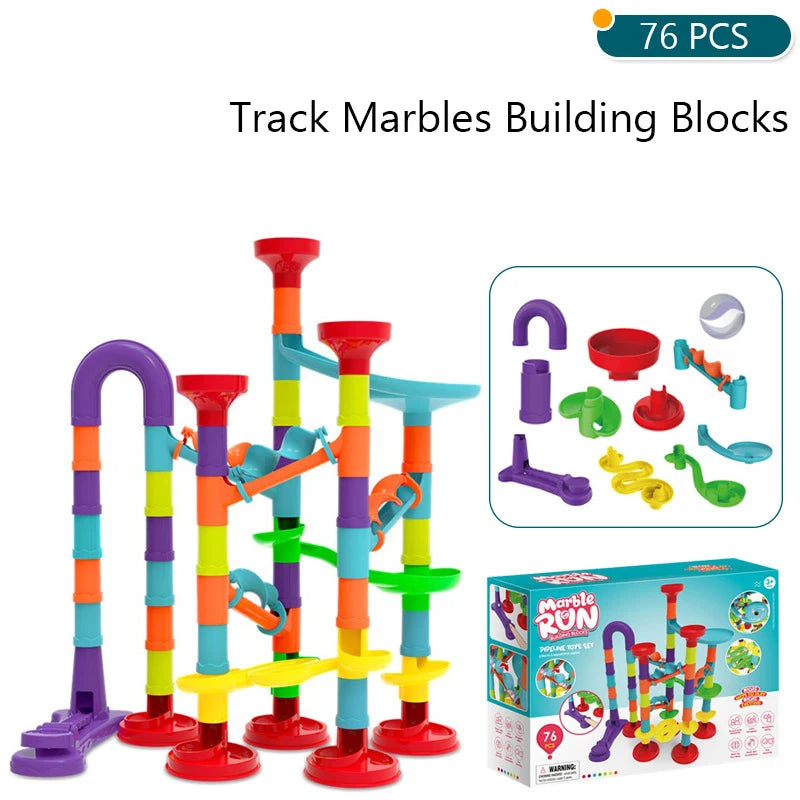
Toys that develop motor skills for home learning 💡 See it in action
How to Choose the Right Activity for Your Child
Feeling overwhelmed by options? Here’s a simple guide:
- Check frustration level: If your child quits quickly, start easier.
- Balance strength + precision: Combine squeezing (playdough) with placing (blocks).
- Look for progression: Choose toys that grow in complexity.
- Observe daily life struggles: Buttons? Writing? Utensils?
Explore coordinated play options inside Baby Growth & Learning for developmentally appropriate tools.
Parents say structured building play helped reduce homework meltdowns and improved handwriting confidence within one school term.
Mini FAQ
How often should my child do a fine motor skills activity?
Short daily sessions of 10–15 minutes are more effective than occasional long sessions. Consistency builds muscle memory and endurance.
What age should fine motor training begin?
Basic hand strengthening can begin in toddlerhood through safe play. Structured fine motor skills activities for kindergarten typically start around age four.
Are toys that develop motor skills better than worksheets?
Hands-on toys often improve coordination and engagement more effectively than paper tasks alone because they involve real grip strength and three-dimensional movement.
Can fine motor skills activities at home replace therapy?
For mild delays, consistent home practice can be very helpful. If concerns persist, consult a pediatric occupational therapist for personalized guidance.
Strong hands build confident kids. The right fine motor skills activity doesn’t just improve grip—it supports independence, focus, and everyday success.
Related Guide: Marble Run Kits Compared: Which One Wins?





