

Fine Motor Skills Development Toys: Features That Drive Results
Do fine motor skills development toys really improve hand control?
Fine motor skills development toys help children build precise hand movements, grip strength, and coordination through repeatable play actions. By encouraging pinching, pulling, aiming, stacking, and releasing, these toys support brain–hand connections that improve daily skills like writing, dressing, and self-feeding while keeping children engaged and confident.
Fine Motor Skills Development Toys: Features That Drive Results
Fine motor skills development toys do more than entertain—they shape how children control their hands, focus their attention, and gain confidence through play. Parents often feel overwhelmed choosing toys that actually help development instead of adding clutter. Understanding which features matter makes it easier to select toys for motor skill development that deliver visible progress.
⏱ 7 min read
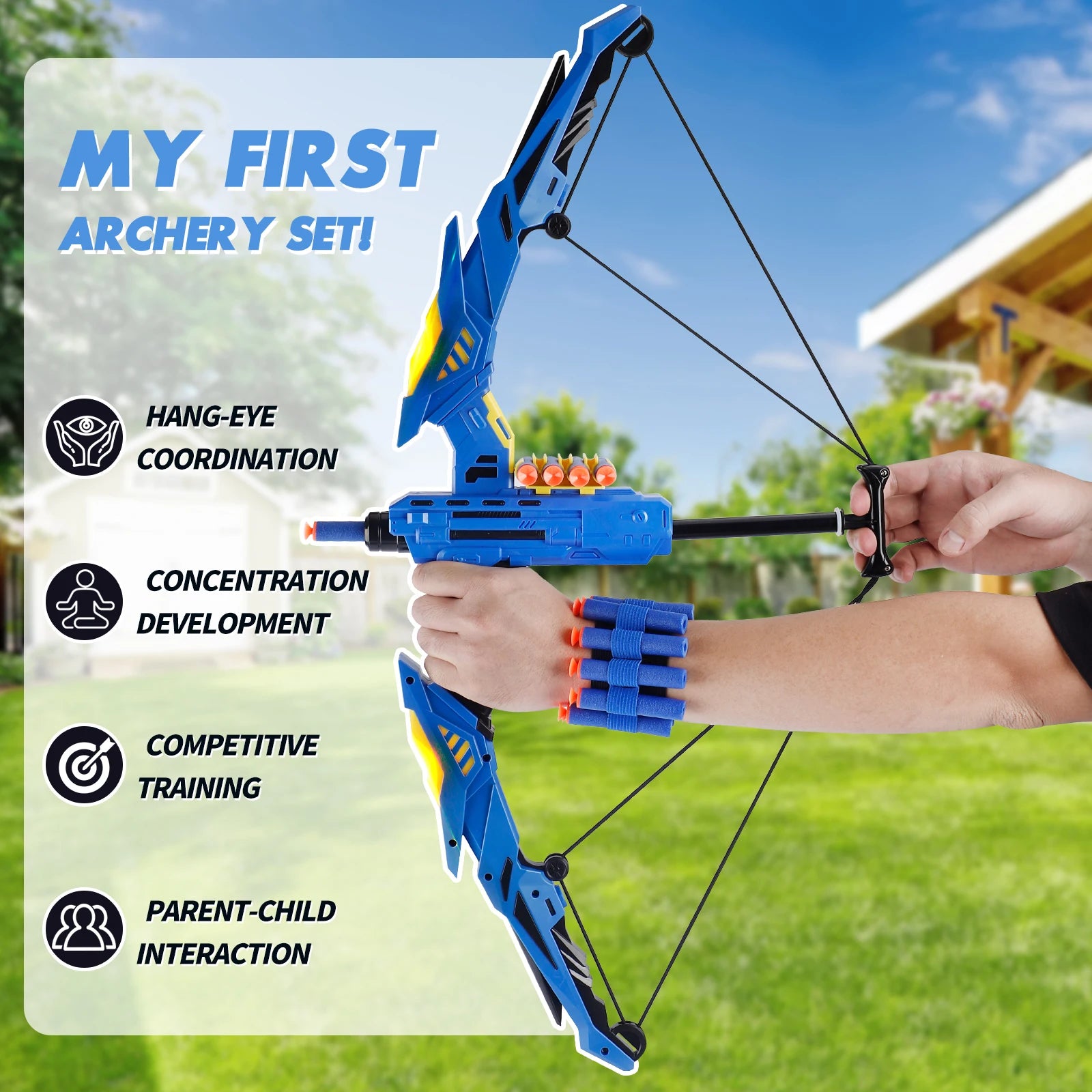
Fine motor skills development toys designed for hands-on progress 💡 See it in action
Why Fine Motor Skills Matter More Than You Think
Fine motor skills affect nearly every daily task children face. From holding utensils to turning book pages, these small movements shape independence. When toys for motor skill development are well designed, they quietly support readiness for school and self-care without pressure or drills.
- Improved grip strength for pencils and crayons
- Better hand-eye coordination during play
- Longer attention span and focus
- Increased confidence completing tasks independently
Parents often notice smoother movements, less frustration, and more willingness to try new challenges after consistent play with fine motor skill toys for preschoolers.
Key Features That Make Fine Motor Toys Effective
Fine motor skills development toys work best when they combine resistance, precision, and repetition in a playful way. The goal isn’t complexity—it’s purposeful design that encourages the same motion again and again.
Grasp-and-Release Mechanics
Toys that require squeezing, pulling, or releasing help strengthen finger muscles. These actions prepare children for writing, buttoning, and cutting.
Targeted Movement Challenges
Threading, aiming, stacking, and rotating all require different muscle groups. Variety ensures balanced development.
Safe, Tactile Materials
Textures improve sensory feedback, helping children refine control. Smooth edges and child-safe finishes support worry-free play, especially when paired with trusted options from Health & Safety.
Progressive Difficulty
The best fine motor skill toys for preschoolers grow with the child, offering new challenges without overwhelming them.
How Active Play Toys Strengthen Fine Motor Control
Active play toys don’t just build gross motor skills—they enhance fine motor control through coordination and timing. When children aim, pull, or release during movement, their brains integrate large and small muscle actions together.
For example, skill-based sets that involve aiming and triggering actions encourage precision while keeping kids moving. These toys blend perfectly with selections from Mobility & Training and Sensory Toys.

Toys for motor skill development that combine focus and movement 💡 See it in action
Comparing Fine Motor Skill Toy Types
| Toy Type | Main Benefit | Best Age Range |
|---|---|---|
| Stacking & Sorting Toys | Grip strength and problem-solving | 2–4 years |
| Threading & Lacing Sets | Precision and bilateral coordination | 3–5 years |
| Active Aim-Based Toys | Hand-eye coordination and focus | 4–6 years |
Parents comparing fine motor skills development toys often find that combining quiet tabletop play with active play toys delivers the most balanced results.
Real Results Parents Notice at Home
Consistent play leads to noticeable improvements within weeks. Parents report children dressing themselves faster, holding crayons more confidently, and showing pride in completing tasks alone.
- Less hand fatigue during coloring
- Improved accuracy when aiming or placing objects
- Greater patience with challenging activities
- More independent play sessions
Many families integrate fine motor skill toys for preschoolers into daily routines alongside educational options from Baby Growth & Learning.
How to Choose the Right Toy for Your Child
Start by observing what your child enjoys. Do they like building, aiming, or tactile exploration? Match the toy to their interests to keep motivation high.
- Choose age-appropriate resistance and size
- Look for repeatable actions that strengthen fingers
- Ensure safety and durability for daily use
- Mix seated and active play formats
Skill-based sets that encourage controlled movement can be revisited daily, making progress feel natural rather than forced.
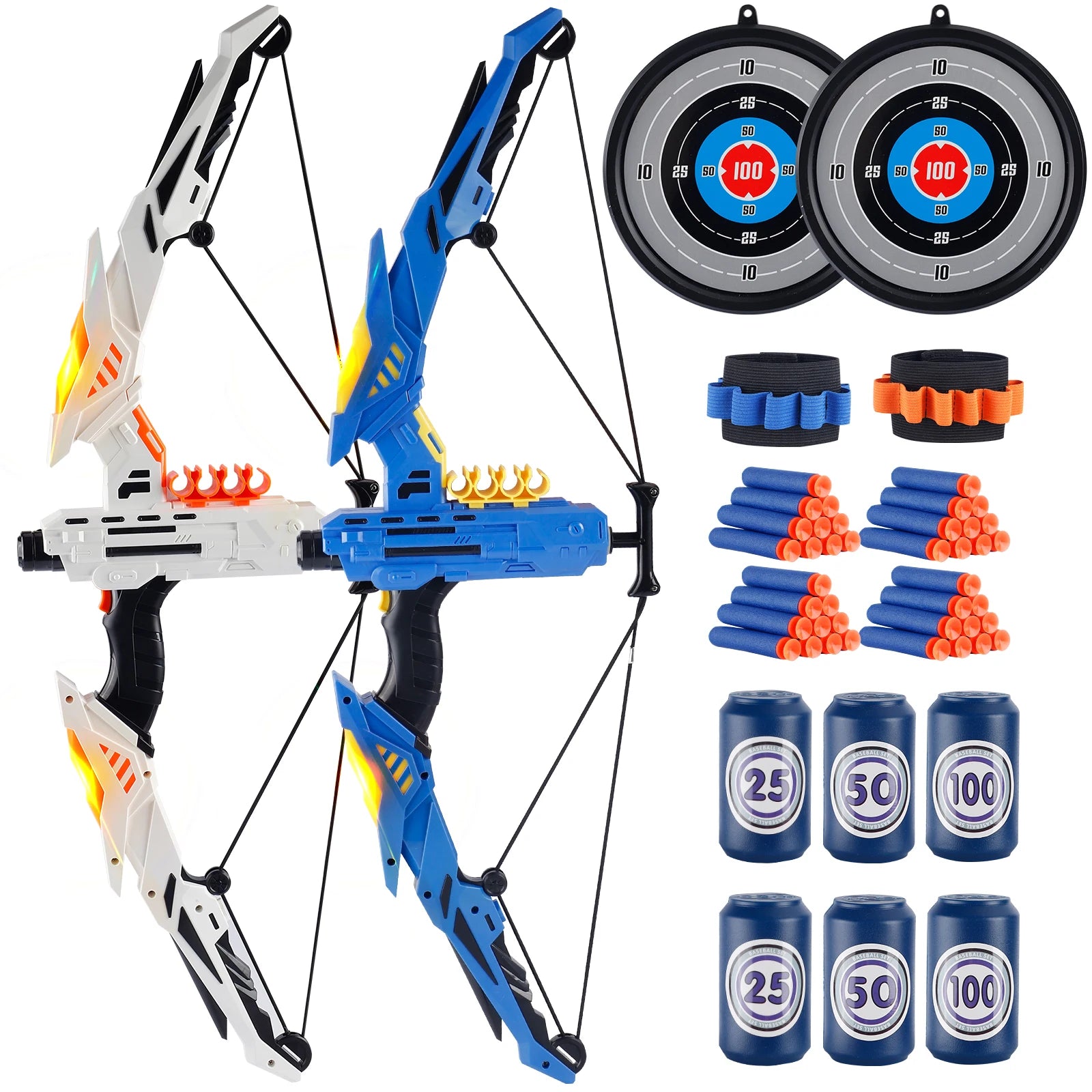
Fine motor skill toys for preschoolers that grow with your child 💡 See it in action
Mini FAQ
What age benefits most from fine motor skills development toys?
Children ages 2–6 benefit the most, as this is when hand control, coordination, and focus develop rapidly through play.
How often should children use fine motor skill toys?
Short daily sessions of 10–20 minutes are more effective than long, infrequent playtimes.
Do active play toys replace tabletop fine motor toys?
No. Active play toys complement tabletop options by integrating movement with precision, creating balanced skill development.





