

Fine Motor Skills Development Toys That Build Real Coordination
Do fine motor skills development toys really work?
Fine motor skills development toys work by strengthening small hand muscles, improving hand-eye coordination, and teaching controlled movements through repeatable play. When chosen correctly, these toys help children gain measurable control over grasping, pinching, stacking, and releasing—skills that directly support writing, feeding, dressing, and everyday independence.
Fine Motor Skills Development Toys That Build Real Coordination
Fine motor skills development toys do more than keep little hands busy—they quietly train coordination, grip strength, and problem-solving through play. The right motor skills development toys help children master precise movements while building confidence and focus. From classic motor skills toys that refine hand control to infant toys for gross motor skills that lay early foundations, these tools work together to support real, measurable growth.
⏱ 8 min read
Which toys actually help your child use their hands better? Many parents feel overwhelmed by shelves full of “educational” toys that promise development but deliver noise and clutter. Let’s break down what truly works.
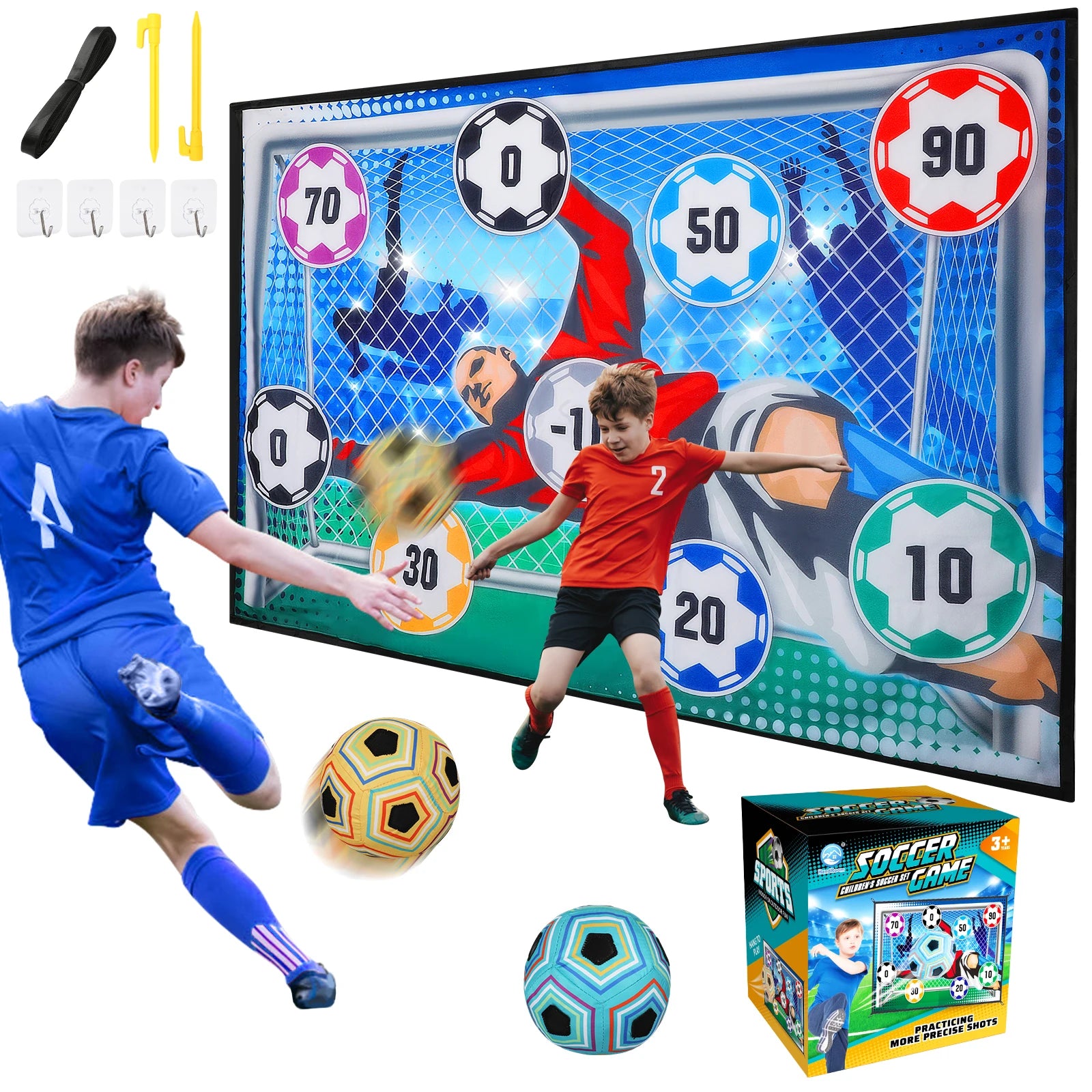
Fine motor skills development toys that improve control and focus 💡 See it in action
Why Fine Motor Skills Matter More Than You Think
Fine motor skills control the small, precise movements of the hands and fingers. These movements are essential for tasks children perform every day—holding a spoon, turning pages, stacking blocks, buttoning clothes, and eventually writing.
When these skills develop slowly, children may feel frustrated or avoid tasks that require precision. Fine motor skills development toys reduce that frustration by turning practice into play.
- Stronger finger muscles support pencil grip and self-feeding
- Improved hand-eye coordination boosts confidence
- Controlled movements reduce clumsiness over time
- Early success encourages independence
Parents browsing Baby Growth & Learning often notice that toys focused on hands and coordination offer long-term benefits beyond entertainment.
How Fine Motor Skills Development Toys Build Coordination
Fine motor skills development toys are designed to challenge small movements in safe, repeatable ways. Each action—grasping, pushing, pulling, sticking, or placing—creates tiny muscle adjustments that strengthen control.
Unlike passive toys, motor skills development toys require intentional interaction. Children must aim, adjust, and correct their movements, which reinforces coordination faster.
- Hands learn controlled pressure instead of squeezing randomly
- Eyes guide hands with increasing accuracy
- Movements become smoother with repetition
- Success builds focus and patience
Key Features That Deliver Real Results
Not all motor skills toys are created equal. The most effective options share specific design features that encourage proper hand use.
Grasp-Friendly Shapes
Rounded edges and textured surfaces help children practice safe gripping. These shapes reduce slipping while encouraging finger isolation.
Target-Based Play
Toys that require aiming—such as sticky targets or placement boards—strengthen hand-eye coordination faster than free-form play.
Progressive Challenge
Great fine motor skills development toys grow with your child, offering multiple difficulty levels so skills continue improving.
Many parents pair coordination toys with items from Sensory Toys to stimulate both touch and movement during play.
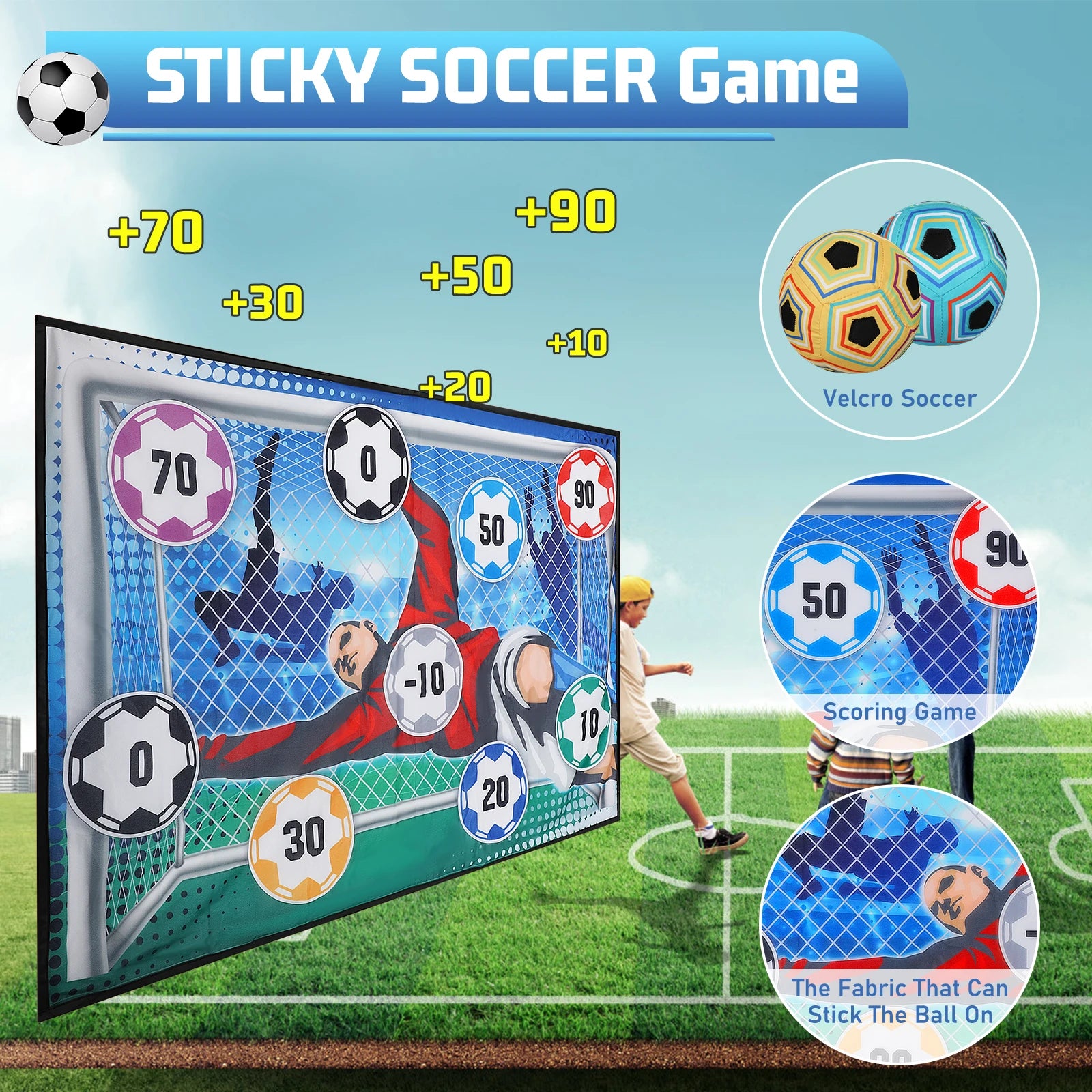
Motor skills development toys that turn practice into play 💡 See it in action
Fine vs Gross Motor Toys Compared
| Type | Primary Focus | Best For |
|---|---|---|
| Fine Motor Skills Development Toys | Hand and finger precision | Writing, feeding, dressing skills |
| Infant Toys for Gross Motor Skills | Large muscle movement | Crawling, walking, balance |
Both categories matter. Gross motor skills build the foundation, while fine motor skills refine control. Collections like Mobility & Training complement fine motor play perfectly.
Real-Life Play Scenarios That Show Progress
Parents often notice changes within weeks when play is consistent. One common example involves target-based throwing or sticking games.
- Week 1: Random placement and missed targets
- Week 2: Slower, more intentional hand movement
- Week 3: Improved aim and controlled release
- Week 4: Confident, repeatable success
This progression explains why motor skills toys are frequently recommended alongside tools from Baby Care Essentials for holistic development.
How to Choose the Right Motor Skills Development Toys
Selecting the right toy means matching it to your child’s current ability while allowing room to grow.
- Choose lightweight designs for younger children
- Look for toys that require aiming or placement
- Ensure materials are safe and easy to clean
- Favor toys that encourage repeat play
Parents exploring Baby Growth & Learning Tips often find that simplicity beats complexity when it comes to skill-building.
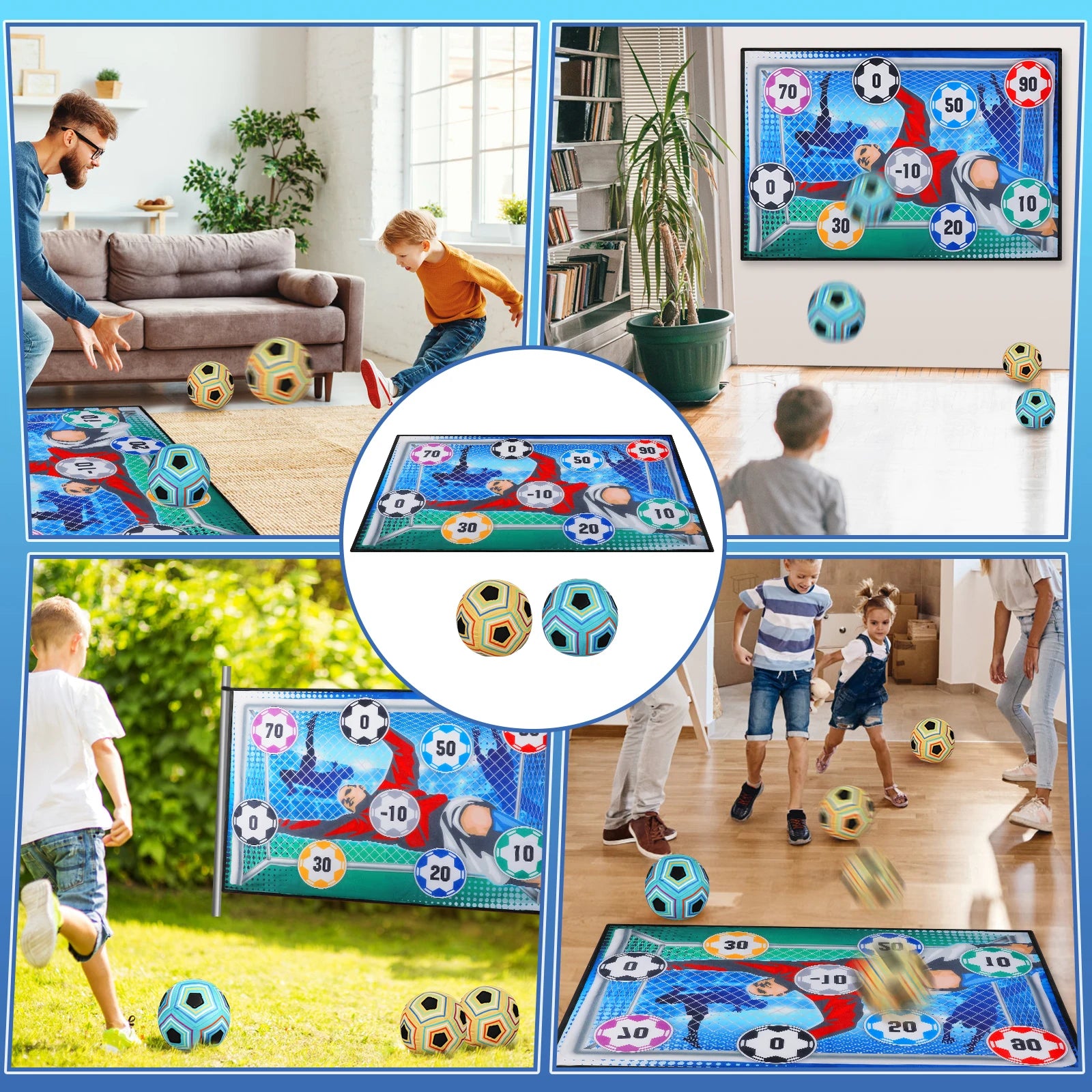
Motor skills toys that build confidence and control 💡 See it in action
Why Parents Trust Purpose-Built Motor Skills Toys
Families consistently report better focus, calmer play sessions, and faster skill development when toys are designed with coordination in mind.
Parents appreciate toys that feel intentional, durable, and easy to store—qualities often highlighted in trusted sections like Health & Safety.
These tools don’t just entertain; they teach children how to use their hands with confidence.
Quick Questions Parents Ask
At what age should children use fine motor skills development toys?
Most children benefit from simple fine motor play as early as 6–9 months, with complexity increasing through toddler years.
How often should my child play with motor skills toys?
Short daily sessions of 10–15 minutes are more effective than long, infrequent play.
Do these toys replace traditional learning activities?
No. Fine motor skills development toys support learning by strengthening the physical skills needed for writing, drawing, and self-care.





