

Floating Mattress for Pool Perfect for Relaxation and Naps
How do you prevent leaks and cracks in a pvc pool float?
A pvc pool float lasts longer when you control air pressure, clean off chlorine and sunscreen, and store it away from heat and sunlight. Simple habits like rinsing after use, avoiding overinflation, and drying before storage help prevent cracks, seam splits, and slow leaks all summer.
PVC Pool Float Care Tips to Prevent Leaks and Cracks
⏱ 7 min read
A pvc pool float might look tough, but summer heat, sunscreen residue, and careless storage can shorten its life fast. Ever pulled out a float mid-season only to find it flat or cracked? With a few smart care habits, you can keep durable pool floats comfortable, safe, and ready for every sunny break.
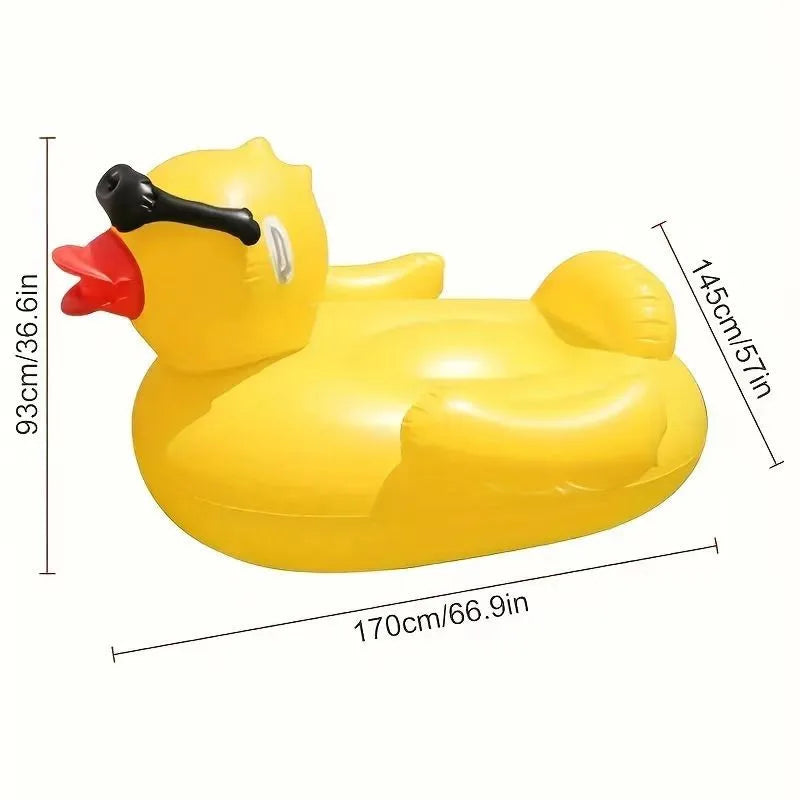
Proper pvc pool float care keeps summer pool floats fun and leak-free 💡 See it in action
Why pvc pool floats fail early (and how to stop it)
A pvc pool float usually fails because of heat stress, chemical buildup, or pressure damage. Chlorine dries out material, sun weakens seams, and too much air stretches PVC past its limit. Cheap pool floats suffer faster, but even premium designs crack without proper care.
- Overinflation on hot days
- Sunscreen and oil residue breaking down PVC
- Dragging floats across rough pool decks
- Storing while damp or folded tightly
How proper cleaning prevents leaks and weak spots
Direct answer: A pvc pool float stays flexible and crack-resistant when cleaned after every use. Rinsing removes chlorine, salt, and body oils that dry out PVC and weaken seams. Gentle soap and air drying reduce surface breakdown, helping durable pool floats last multiple seasons instead of one.
- Rinse with fresh water after each swim
- Use mild dish soap for sunscreen buildup
- Avoid abrasive sponges or brushes
- Air dry fully before deflating
Families who already practice gentle routines for Baby Bath Accessories know how much material care matters. The same habit extends inflatable life.
Correct inflation pressure that avoids cracks
Direct answer: A pvc pool float should feel firm but slightly flexible when pressed. Leaving about 10–15% air space allows expansion in the sun, reducing seam stress. Overfilled floats are the top cause of sudden cracks, especially during peak summer heat.
| Inflation Level | Result |
|---|---|
| Overinflated | High risk of seam splits and cracks |
| Properly inflated | Comfortable, flexible, long-lasting |
| Underinflated | Reduced support, awkward floating |
Best storage practices for summer pool floats
Storage is where many summer pool floats fail. Heat, tight folds, and moisture create permanent creases that crack later.
- Deflate fully and smooth out wrinkles
- Store flat or loosely rolled
- Keep away from garages or attics with high heat
- Use breathable storage bags, not sealed plastic
Parents already organizing essentials from Health & Safety collections often apply the same logic—cool, dry, and ventilated spaces protect materials best.
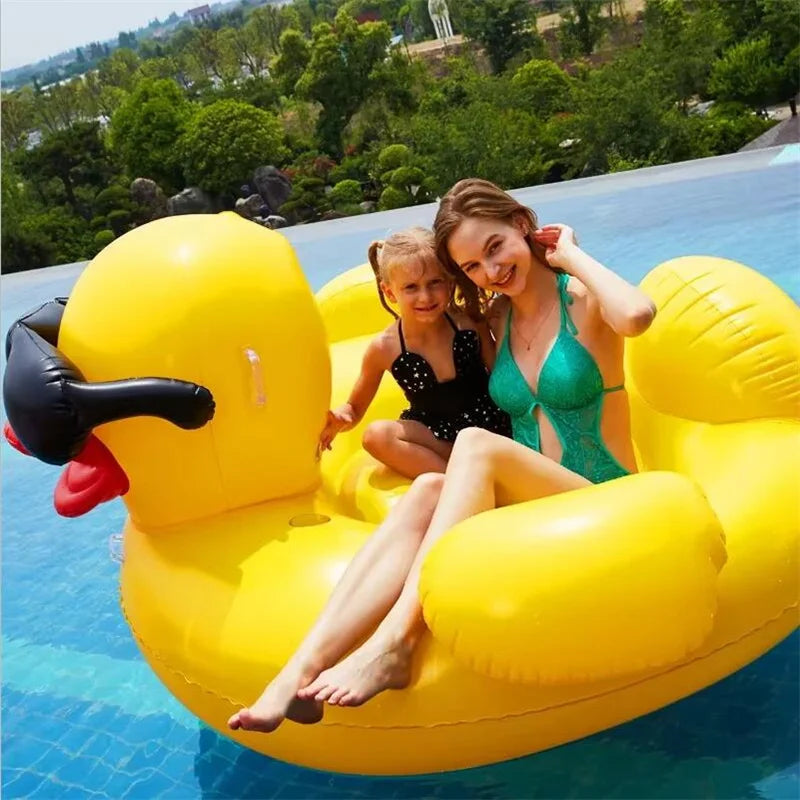
Smart storage keeps durable pool floats smooth and crack-free 💡 See it in action
Quick fixes for small air leaks before they spread
Even durable pool floats can get pinholes. Fixing them early prevents bigger failures.
- Inflate slightly and listen for hissing
- Mark leak with waterproof marker
- Dry area completely
- Apply PVC patch and wait 30 minutes
Think of it like preventative care—similar to maintaining daily tools from Baby Care Essentials. Small fixes save bigger replacements later.
A simple weekly care routine that actually works
Consistency beats complexity. A five-minute routine keeps cheap pool floats usable longer.
- Weekly rinse and wipe-down
- Pressure check before each use
- Shade breaks during long pool sessions
- Dry and store overnight, not days later
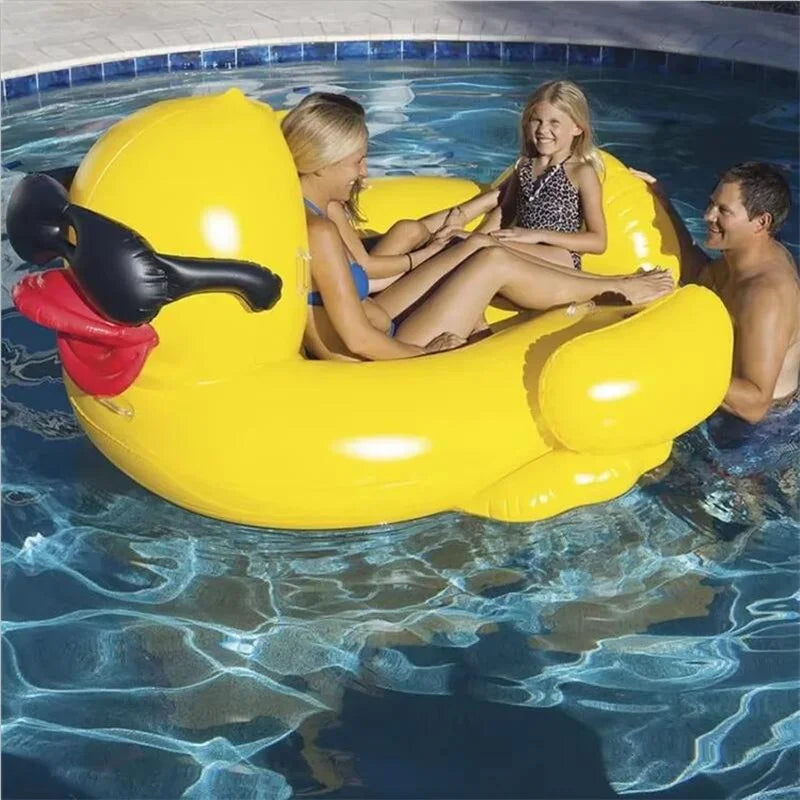
With simple habits, pvc pool float care prevents leaks all season 💡 See it in action
PVC pool float care FAQ
How long should a pvc pool float last?
With proper care, a quality pvc pool float can last 2–4 summers. Regular cleaning, correct inflation, and cool storage make the biggest difference.
Are cheap pool floats worth buying?
Cheap pool floats work for short-term fun, but they require stricter care. Without it, they often develop leaks faster than thicker PVC designs.
Can chlorine permanently damage pool floats?
Yes. Prolonged chlorine exposure dries out PVC. Rinsing after each use helps summer pool floats stay flexible and crack-resistant.
Related Guide: Large Inflatable Pool Float for Lounging or Sunbathing





