

Glass Coated Kite String: What It Is, How It Works & Safety Risks
Does glass coated kite string really improve control and durability?
Glass coated kite string can improve cutting performance and abrasion resistance, but it is not recommended for casual or family kite flying because the abrasive coating can seriously injure people, birds, and wildlife. For recreational use, a standard cotton or synthetic kite line provides safer handling while still offering reliable control and durability.
Glass Coated Kite String: What It Is, How It Works, and Why Safety Matters
⏱ 8 min read
Glass coated kite string has long been associated with competitive kite fighting traditions, where cutting an opponent's line is part of the sport. While the abrasive coating can improve cutting ability and reduce surface wear, it also creates significant safety risks. Before choosing this type of kite line, it's important to understand how it's made, where it's appropriate to use, and why many regions restrict or ban it.
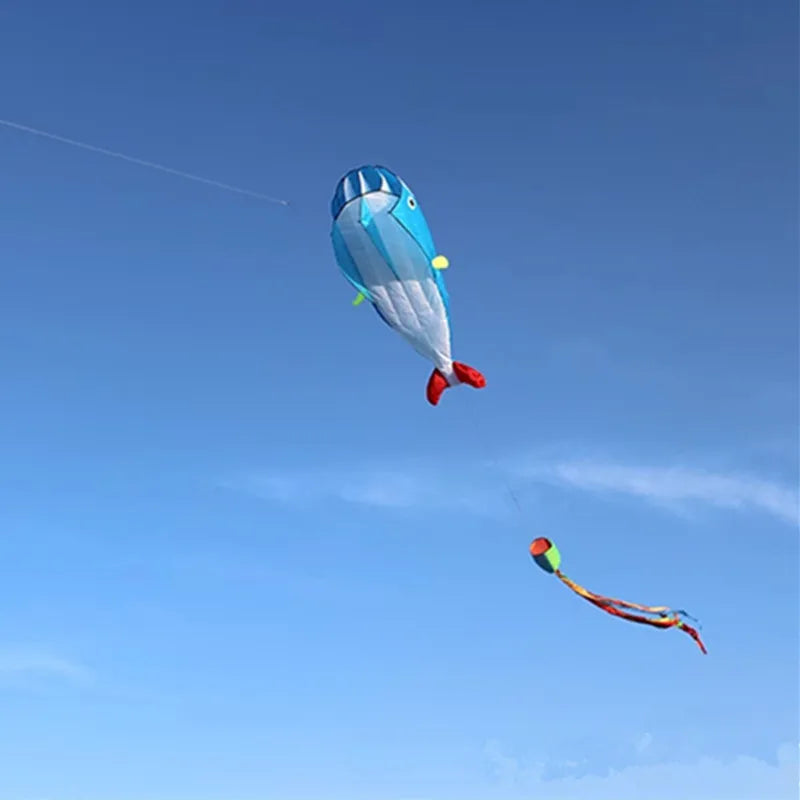
Glass coated kite string has an abrasive surface originally developed for competitive kite fighting.
What Is Glass Coated Kite String?
Glass coated kite string, also called glass-coated kite string or manja kite string in many countries, is kite line coated with finely ground glass particles bonded to the surface using adhesive. The resulting abrasive finish allows the line to cut through competing kite strings during kite fighting competitions.
Unlike regular cotton or synthetic kite string designed for recreational flying, glass coated kite string prioritizes cutting performance over everyday safety.
How it differs from regular kite string
- Abrasive exterior rather than a smooth surface
- Designed to cut opposing kite lines
- Greater wear resistance during competitive flying
- Higher risk of cuts and injuries if handled improperly
How Glass Coated Kite String Is Made
Materials Used
Traditional glass coated string starts with cotton or synthetic thread. Manufacturers apply a sticky binding mixture before rolling the line through extremely fine glass powder. After drying, the coating hardens into a rough, abrasive layer.
Depending on the manufacturing process, binders may include natural starches, adhesives, or synthetic resins that help the glass particles remain attached during flight.
Traditional vs. Modern Manufacturing
Historically, many enthusiasts prepared manja by hand using homemade mixtures. Modern commercial production generally creates a more uniform coating, resulting in consistent abrasive performance and stronger adhesion between the glass particles and the line.
How Does Glass Coated Kite String Work?
Why the Glass Coating Cuts
The tiny glass particles act like countless microscopic cutting edges. When two kite lines cross under tension, friction causes the abrasive coating to wear through the opposing string. This is the principle behind competitive kite fighting.
| Feature | Glass Coated Kite Line | Regular Kite String |
|---|---|---|
| Surface | Abrasive | Smooth |
| Primary purpose | Competitive kite fighting | Recreational flying |
| Risk of injury | High | Much lower |
| Suitable for children | No | Yes, with supervision |
| Ease of handling | Requires protective precautions | Simple and beginner-friendly |
Why Is Kite String Coated With Glass Powder?
The main purpose of coating kite string with glass powder is to improve its ability to cut competing lines during traditional kite fighting events. The abrasive coating increases friction against another string while maintaining enough flexibility for controlled flying.
Although this offers an advantage in competitive settings, the trade-off is a substantial increase in safety risks. For casual flying, schools, parks, and family outings, standard kite line is generally the better choice.
Glass Coated vs Standard Kite String
| Feature | Glass Coated | Standard String |
|---|---|---|
| Purpose | Competitive kite fighting | Recreational flying |
| Abrasion resistance | High | Moderate |
| Can cut other lines | Yes | No |
| Safety for families | Poor | Good |
| Recommended for children | No | Yes, with adult supervision |
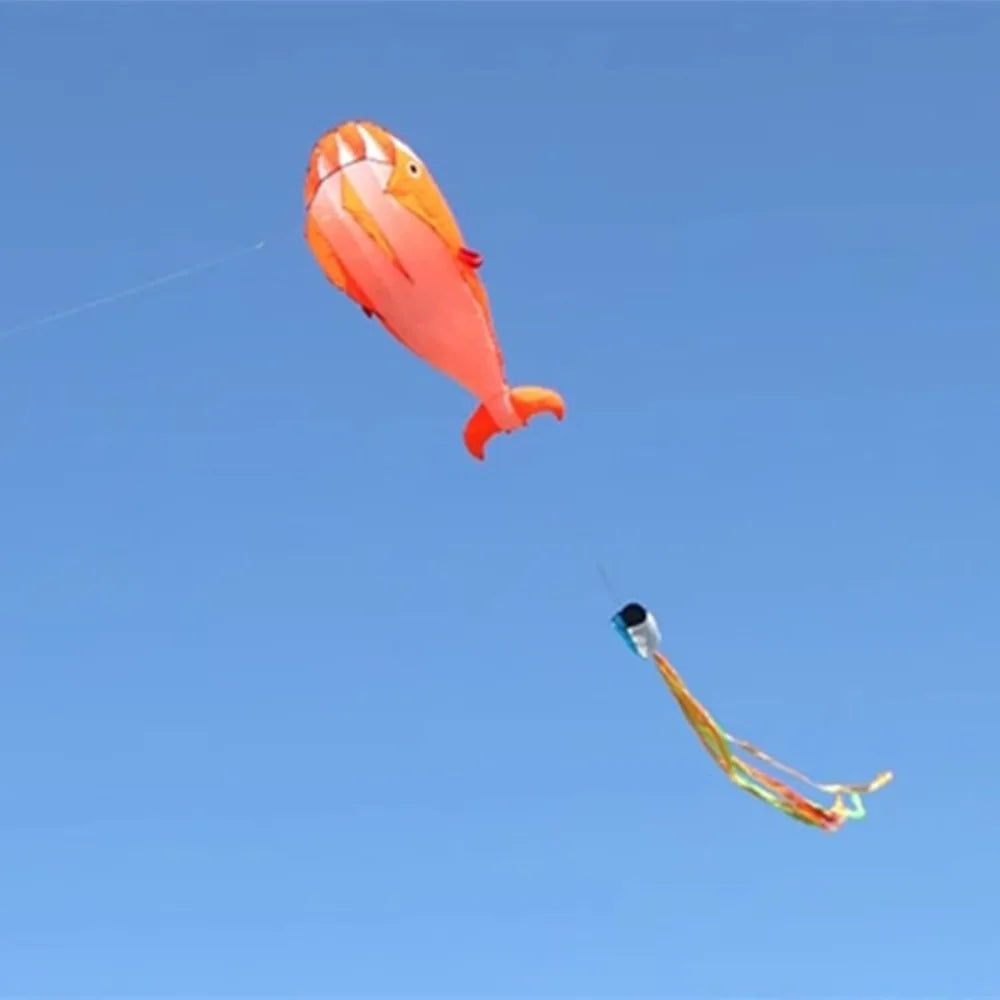
Choosing the right kite string helps create a safer and more enjoyable flying experience.
Why Glass Coated Kite String Is Dangerous
Risks to People
Glass coated kite string can cause deep cuts to hands, fingers, cyclists, motorcyclists, and pedestrians if the line becomes stretched across roads or public spaces. Protective gloves reduce but do not eliminate the risk.
Risks to Birds and Wildlife
Discarded manja can remain suspended in trees or power lines for long periods. Birds may become entangled or suffer severe wing and neck injuries while flying through nearly invisible strands.
Power Line Hazards
Kite strings caught on electrical infrastructure create hazards for both the public and utility workers. Attempting to retrieve a kite from power lines should always be avoided.
Environmental Impact of Glass Coated Kite Line
Abandoned glass coated string contributes to litter and poses long-term risks to wildlife. Because synthetic fibers degrade slowly, discarded line may remain in the environment for years.
- Dispose of damaged string responsibly.
- Collect broken kite line after flying.
- Never leave string hanging from trees or fences.
- Avoid flying near wildlife habitats.
Legal Restrictions and Bans
Where It Is Restricted
Several countries, states, and local authorities have introduced restrictions or outright bans on glass coated kite string because of injuries to people, birds, and electrical workers.
Why Governments Regulate It
Public safety is the primary reason for regulation. Laws may prohibit manufacturing, selling, possessing, or using hazardous manja, particularly versions containing glass, metal, or other abrasive materials.
How to Fly Kites More Safely
Families can greatly reduce risk by following a few simple practices.
- Choose standard cotton or synthetic kite string instead of abrasive coatings.
- Fly only in open areas away from roads.
- Stay well clear of overhead power lines.
- Supervise children throughout the activity.
- Follow local regulations regarding kite flying.
Families who prioritize safe play often explore guidance from Health & Safety resources, and the same mindset applies to outdoor recreation.
A Safer Family Kite Setup
For parks, beaches, and neighborhood flying, a quality recreational kite paired with standard kite string offers an excellent balance of control, durability, and safety.
The Whale Dolphin Kite is designed for enjoyable family outings and pairs best with a conventional kite line rather than abrasive glass-coated string.
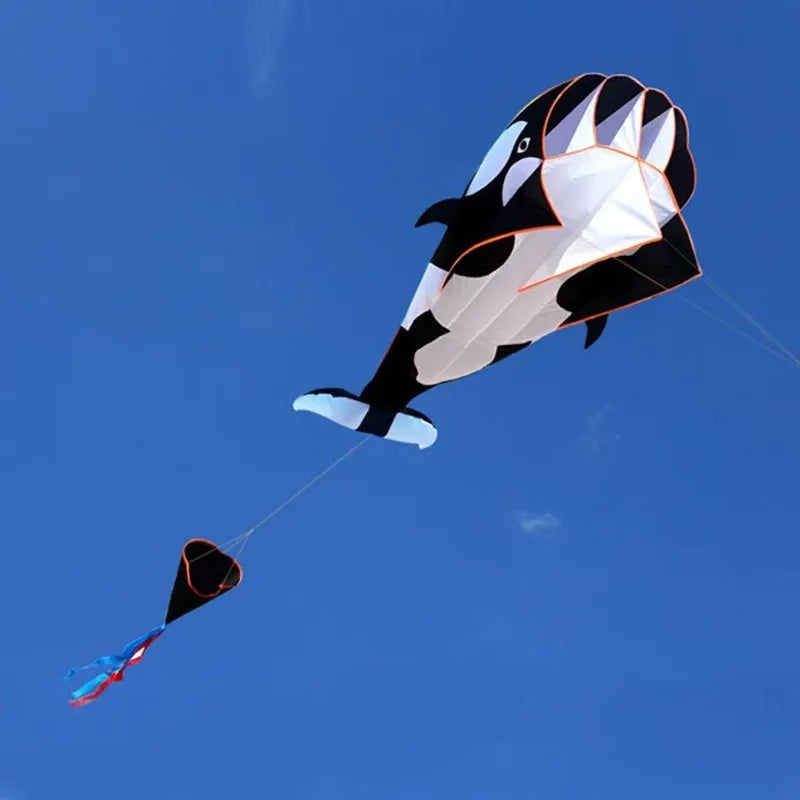
Family-friendly kite flying focuses on safe equipment, open spaces, and responsible flying practices.
Frequently Asked Questions
What is glass coated kite string?
Glass coated kite string is kite line coated with finely ground glass particles that create an abrasive surface for competitive kite fighting.
How does glass coated kite string work?
The abrasive coating wears through another kite line when the two strings rub together under tension.
Why is kite string coated with glass powder?
The coating increases the string's ability to cut competing kite lines during traditional kite fighting competitions.
Is glass coated kite string the same as manjha?
In many regions, yes. Manja generally refers to kite string coated with abrasive materials, commonly including powdered glass.
Can glass coated kite string cut skin?
Yes. It can cause serious cuts and should never be handled carelessly or used where people, cyclists, or vehicles may encounter it.
Is glass coated kite string illegal?
Its legal status depends on local laws. Some jurisdictions restrict or ban its manufacture, sale, or use because of public safety concerns.
Why is manja harmful to birds?
Birds can become entangled in discarded kite line, leading to injuries, impaired flight, or death.
Can regular kite string be coated with glass?
While it is technically possible, doing so creates unnecessary hazards and is discouraged for recreational kite flying.
What is a safer alternative to glass coated kite string?
Standard cotton or synthetic kite string is the preferred choice for families, schools, and recreational flying because it provides dependable performance without the dangerous abrasive coating.





