

Best Learning Toys for 3 Year Olds That Keep Kids Engaged
Are good educational toys for 3 year olds really worth it?
Yes, good educational toys for 3 year olds are worth it when they encourage active learning, creativity, and independent play. The right toys help children build language skills, problem-solving abilities, coordination, and confidence through hands-on experiences. Instead of replacing real-world interaction, quality learning toys create opportunities for children to explore, experiment, and develop essential skills while having fun.
Good Educational Toys for 3 Year Olds: Complete Guide
Choosing good educational toys for 3 year olds can be challenging because countless products promise to improve learning. Parents need toys that are safe, engaging, developmentally appropriate, and valuable beyond a few minutes of entertainment. This guide explores the best learning toys for 3 year olds, explains which skills they support, compares popular categories, and helps you choose options that encourage meaningful play at home.
⏱ 7 min read
What are the best educational toys for 3 year olds that actually support development? Many parents want toys that encourage learning without creating clutter or relying on screens. The best choices combine fun, skill-building, and long-term play value.
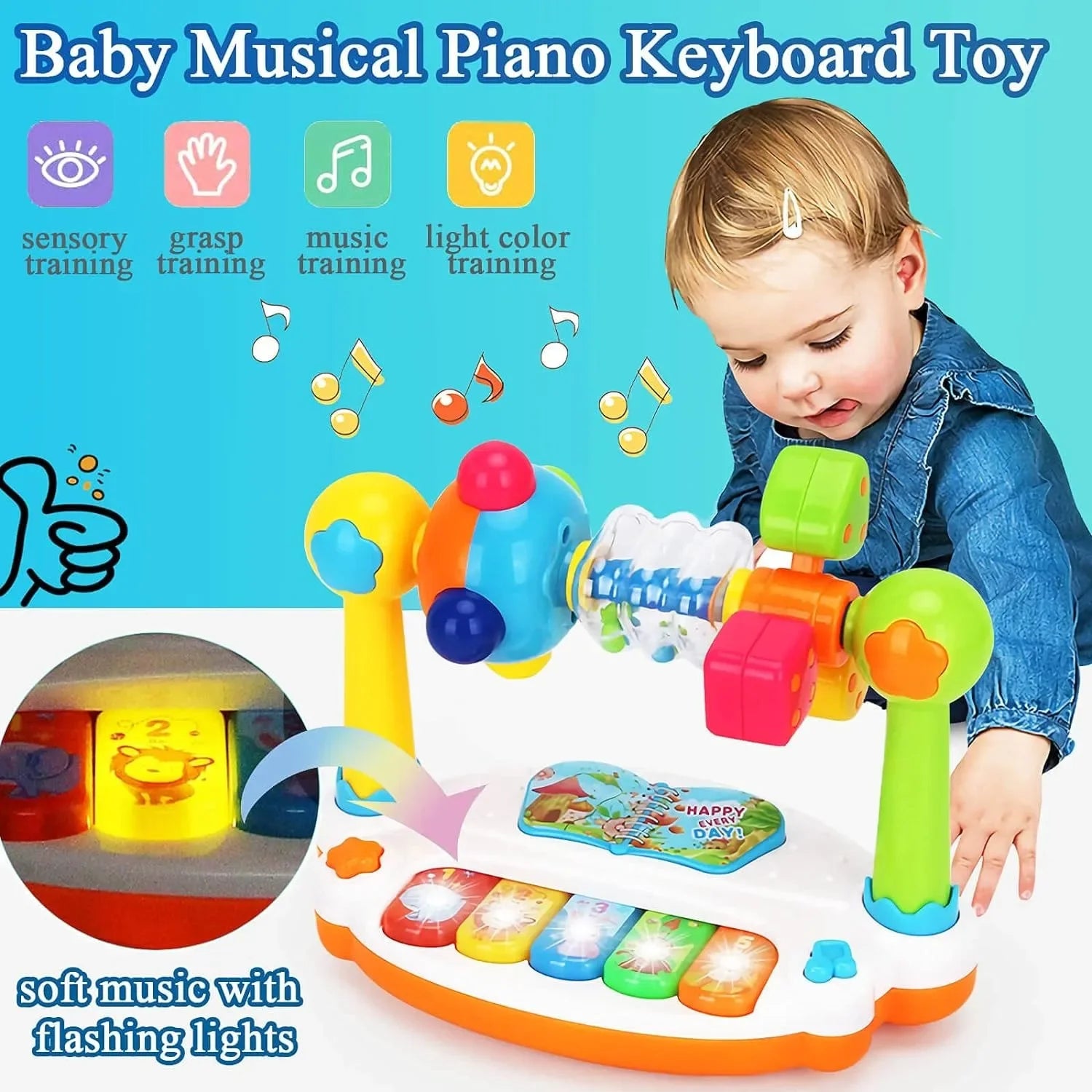
Fine motor skill toys for 3 year olds that encourage hands-on discovery
Best Learning Toys for 3 Year Olds (Top Picks by Developmental Skill)
The best learning toys for 3 year olds are those that match a child’s developmental stage while encouraging curiosity and independence. Rather than focusing on one “smart” toy, parents can choose a mix of developmental toys for 3 year olds that build different skills.
Best STEM & Problem-Solving Toys
STEM toys for preschoolers introduce early concepts like patterns, counting, construction, and cause-and-effect reasoning. These toys help children practice patience, planning, and logical thinking.
- Building blocks and construction sets: Encourage spatial awareness and creativity.
- Simple puzzles: Improve memory, matching skills, and problem-solving.
- Sorting and counting games: Introduce early math concepts through play.
Best for: Curious children who enjoy figuring out how things work.
Best Language & Literacy Toys
Language-focused toys help 3 year olds expand vocabulary, practice communication, and develop storytelling skills before starting school.
- Picture cards and matching games
- Storytelling toys and pretend play sets
- Alphabet and word recognition activities
Best for: Building preschool communication and listening skills.
Best Fine Motor Skill Toys for 3 Year Olds
Fine motor skill toys for 3 year olds strengthen hand muscles and coordination needed for future activities like writing, drawing, and dressing independently.
- Peg boards and stacking toys
- Lacing beads and threading activities
- Knob puzzles and manipulation toys
Best for: Children developing hand control and coordination.
These activities also pair well with ideas from Sensory Toys .
Best Creative & Pretend Play Toys
Pretend play ideas for preschoolers encourage imagination, emotional development, and social skills. Role-play toys allow children to create stories, solve imaginary problems, and practice everyday communication.
- Pretend kitchens and play food sets
- Art supplies and craft kits
- Dress-up and role-play accessories
Best for: Children who enjoy storytelling and imaginative activities.
Best Montessori & Sensory Toys
Montessori-inspired learning toys focus on independence, hands-on exploration, and practical skills. Sensory toys support focus by engaging touch, movement, and observation.
- Texture-based exploration toys
- Sorting and practical life activities
- Open-ended toys with multiple uses
Best for: Children who enjoy independent discovery.
Are Educational Toys for 3 Year Olds Worth It?
Good educational toys for 3 year olds can provide long-term value because they support skills children use every day. A well-designed toy encourages active participation instead of passive entertainment.
The biggest benefits include:
- Independent play: Children learn to explore solutions without constant adult direction.
- School readiness: Toys can strengthen early literacy, math, communication, and problem-solving skills.
- Confidence building: Completing challenges helps children feel capable and motivated.
- Longer engagement: Open-ended toys often remain interesting as children discover new ways to use them.
Good learning toys for 3 year olds are not about making children learn faster. They create opportunities for natural development through curiosity and repetition.
Why Educational Toys Matter at Age 3
At age three, children experience rapid growth in language, movement, imagination, and social awareness. The best 3 year old learning toys support these changes by giving children opportunities to practice skills through play.
Key Developmental Milestones for 3-Year-Olds
- Language growth: Children begin forming longer sentences, asking questions, and expressing ideas.
- Motor development: Fine motor control improves through drawing, stacking, and manipulating objects.
- Social skills: Pretend play helps children understand emotions, sharing, and cooperation.
- Cognitive development: Children learn patterns, problem-solving, memory, and decision-making.
Many families combine these toys with resources from Baby Growth & Learning to create a balanced play environment.
What Makes a Toy Truly Educational?
Educational toys for 3 year olds should encourage children to interact, think, and experiment. The strongest options are not necessarily the most complicated. They are toys that invite repeated use and allow children to develop skills naturally.
Key Features to Look For
- Open-ended play possibilities
- Age-appropriate challenges that grow with the child
- Hands-on interaction instead of passive entertainment
- Clear cause-and-effect learning
- Opportunities for creativity and independent decisions
Safety and Material Checklist
When selecting age appropriate toys for 3 year olds, safety should always come first.
- Choose durable materials designed for frequent handling
- Avoid small parts that may create choking risks
- Check recommended age ranges and safety labels
- Select toys that are easy to clean and maintain
Comparison Table: Best Educational Toys for 3 Year Olds
| Toy Type | Main Skill Focus | Recommended Age | Best Use Case | Price Range |
|---|---|---|---|---|
| STEM & Building Toys | Logic, creativity, problem-solving | 3+ years | Independent exploration and construction | Low to high |
| Fine Motor Toys | Hand strength and coordination | 3+ years | Writing preparation and daily skills | Low to medium |
| Creative Play Toys | Imagination and communication | 3+ years | Pretend play and storytelling | Medium |
| Montessori & Sensory Toys | Focus, independence, exploration | 3+ years | Calm hands-on learning | Low to medium |
How to Choose the Right Learning Toy for Your 3-Year-Old
The right learning toys for 3 year olds should match your child’s interests, abilities, and learning goals. A toy that fits your child’s personality is more likely to become a favorite.
Choose by Developmental Goal
- Choose puzzles and STEM toys for problem-solving skills.
- Choose art and pretend play toys for creativity.
- Choose fine motor activities for toddlers to strengthen coordination.
- Choose language toys for communication growth.
Choose by Budget
Affordable toys can still provide excellent learning value. Look for durable, versatile toys that offer multiple ways to play rather than single-use products.
Montessori vs Traditional Learning Toys
Montessori toys often focus on independence and real-world skills, while traditional educational toys may include structured games and guided activities. Both approaches can support development when they encourage active participation.
How Each Toy Supports Learning
Language & Communication
Toys that encourage storytelling, role play, and conversation help children practice vocabulary and express ideas. Pretend play activities allow children to build communication skills naturally.
Fine Motor Skills
Manipulating small objects, stacking pieces, and completing puzzles strengthens the muscles and coordination needed for writing and self-care.
STEM & Logic
Building sets, sorting games, and puzzles teach children how to analyze problems, recognize patterns, and test solutions.
Creativity & Imagination
Open-ended toys allow children to create their own games and stories, supporting flexible thinking and confidence.
Frequently Asked Questions
What are the best educational toys for 3 year olds?
The best educational toys for 3 year olds include STEM toys, fine motor activities, pretend play sets, puzzles, and Montessori-inspired toys. The ideal choice depends on your child’s interests and the skills you want to support.
Which learning toys help prepare a 3 year old for preschool?
Toys that build communication, problem-solving, coordination, and independence can support preschool readiness. Puzzles, building toys, pretend play sets, and creative activities are especially useful.
What are the best developmental toys for 3 year olds?
Developmental toys for 3 year olds include sensory toys, fine motor toys, STEM activities, and creative play options that encourage exploration and repeated practice.
Are Montessori toys better than traditional educational toys?
Neither option is automatically better. Montessori toys emphasize independence and hands-on discovery, while traditional educational toys may provide structured learning. Both can be effective when they encourage active play.
How many educational toys does a 3 year old need?
Most children benefit from a small collection of high-quality toys rather than a large number of options. Rotating 6–10 toys can keep playtime interesting while reducing clutter.
Are electronic toys bad for 3 year olds?
Electronic toys are not automatically harmful. Simple interactive toys, such as a baby piano toy keyboard , can encourage creativity and cause-and-effect learning when used in moderation.
How do I know if a toy is age-appropriate?
Check safety recommendations, material quality, and whether your child can use the toy with manageable challenges. A good age 3 educational toy should encourage learning without causing constant frustration.
Related Guide: Educational Toys for 2 Year Olds: Top Picks and Comparisons





