

Best Toys That Respond to How Kids Play for Every Play Style
What are the best toys that respond to how kids play?
The best toys that respond to how kids play combine interactive features with open-ended exploration, encouraging movement, language, creativity, and problem-solving without relying on screens. The best interactive toys for 3 year olds react to a child's actions through motion, sound, lights, or cause-and-effect play while leaving room for imagination, making them engaging for a wide range of personalities and developmental stages.
Great Learning Toys for 3 Year Olds That Fit Real Play Styles
Great learning toys for 3 year olds do far more than fill playtime—they shape how children think, communicate, move, and solve everyday challenges. The most effective interactive toys for 3 year olds respond naturally to a child's actions instead of directing every step, allowing preschoolers to explore at their own pace. Whether your child loves running, pretending, building, or experimenting, choosing responsive toys that match their natural interests helps turn everyday play into meaningful learning while reducing screen time.
⏱ 8 min read
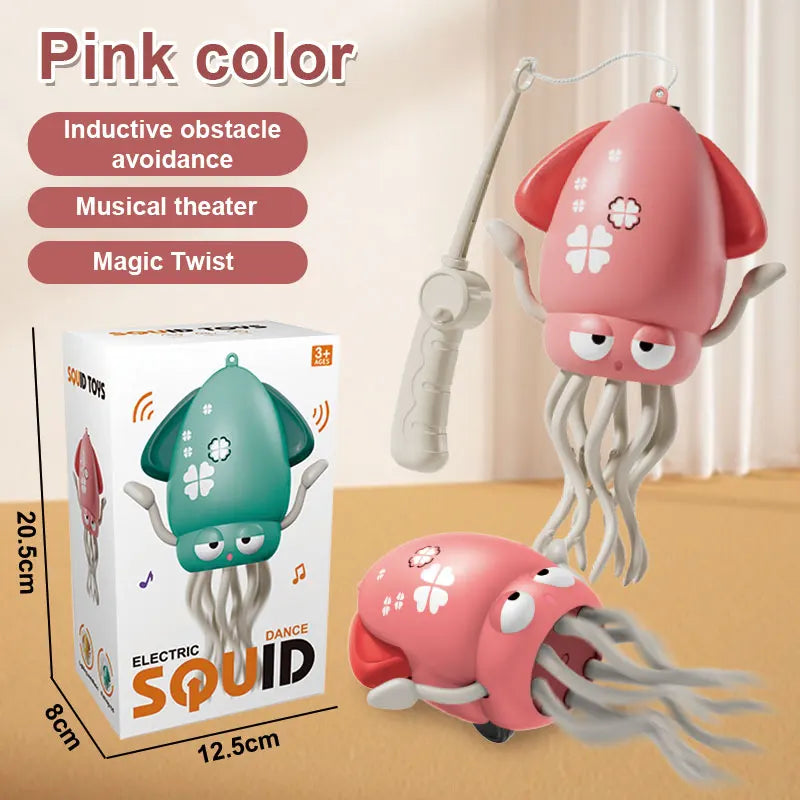
Interactive toys for 3 year olds that support real play styles — See it in action
How We Selected and Tested These Toys
Our evaluation criteria
Every recommendation was evaluated using the same practical criteria parents use at home rather than focusing only on entertainment value. We prioritized developmental toys for 3 year olds that continued to hold children's attention after the novelty wore off.
- Responsive interaction that encourages active participation
- Support for language, motor, cognitive, or social development
- Durable construction suitable for daily preschool play
- Safe materials and age-appropriate design
- Ability to encourage independent and parent-child play
- Long-term engagement instead of short-lived excitement
The goal was to identify engaging toys for 3 year olds that continue supporting learning as children grow rather than toys with only one fixed activity.
Comparison Table: Best Responsive Toys for Different Play Styles
| Play Style | Best Toy Type | Primary Learning Benefits | Typical Power Source | Budget |
|---|---|---|---|---|
| Active learners | Motion-responsive activity toys | Gross motor skills, coordination | Battery or manual | $$ |
| Sensory explorers | Texture, music, stacking toys | Fine motor skills, self-regulation | Manual or battery | $-$$ |
| Imaginative players | Pretend play sets | Language, creativity, empathy | Usually manual | $-$$$ |
| Problem solvers | Puzzles, logic and STEM toys | Reasoning, persistence | Manual or battery | $$ |
Rather than searching for one "perfect" toy, many families see the best results by combining two or three age appropriate toys for 3 year olds that support different types of learning throughout the day.
Best Interactive Toys for Active Learners
Children who learn through movement often absorb information best when they can jump, dance, push, pull, or chase. The best interactive toys for 3 year olds encourage physical activity while rewarding curiosity through lights, sounds, or changing responses.
How movement-based toys support learning
Motion-responsive activity toys for 3 year olds strengthen coordination while helping children practice listening, following directions, and controlling body movements.
- Improves gross motor coordination
- Builds rhythm, balance, and timing
- Encourages turn-taking and imitation
- Supports longer periods of independent play
Recommended options include interactive dancing toys, stepping games, obstacle courses, ride-on toys with educational features, and movement-based musical toys.
For families exploring movement-based options, the Baby Growth & Learning collection includes toys designed to combine activity with early learning goals.
Best Responsive Toys for Sensory Learners
Sensory learners often stay engaged when toys provide different textures, sounds, movement, or visual feedback. These developmental toys for 3 year olds help children process information through hands-on exploration.
Why sensory input supports early development
Rich sensory experiences strengthen neural connections involved in memory, attention, language development, and emotional regulation while encouraging calm exploration.
- Supports fine motor coordination
- Improves concentration through repetition
- Encourages calm independent play
- Develops self-regulation skills
Examples include stacking toys, musical instruments, tactile blocks, spinning toys, matching games, and shape sorters that provide immediate sensory feedback.
Parents looking to expand sensory options can explore the Sensory Toys collection for screen-free ways to keep preschoolers engaged.
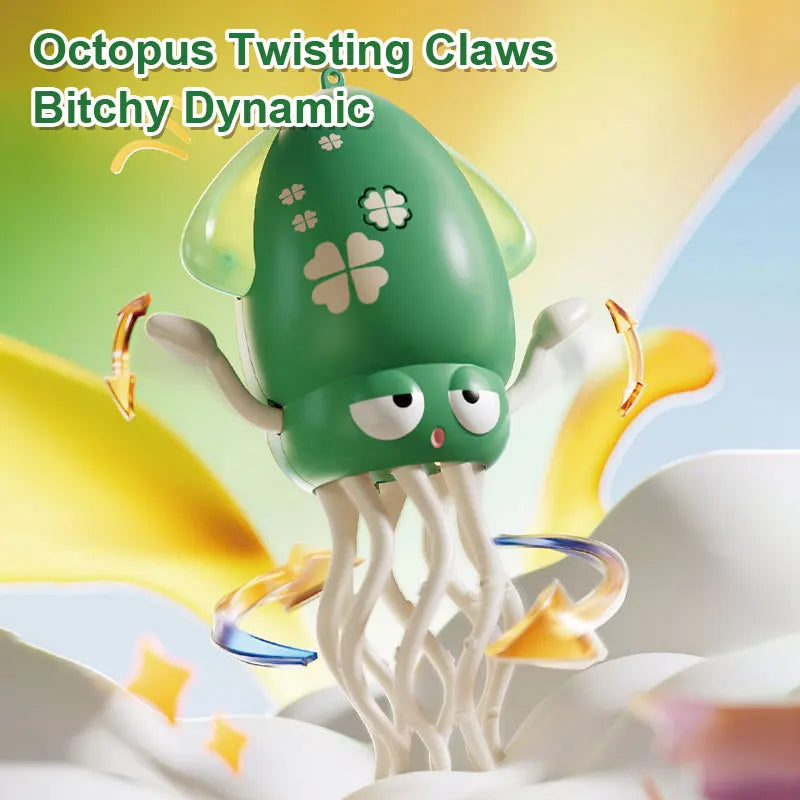
Sensory-rich kindergarten learning toys that keep preschoolers engaged — See it in action
Best Pretend Play Toys for Imaginative Kids
Pretend play toys for 3 year olds encourage storytelling, role-playing, and creative thinking. Rather than following fixed rules, children invent their own scenarios, making these some of the most flexible imagination toys for 3 year olds.
How pretend play supports real-world skills
Role-play develops communication, empathy, confidence, and emotional understanding while encouraging children to practice everyday routines.
- Expands vocabulary naturally
- Encourages empathy through role-switching
- Builds confidence in communication
- Supports longer creative play sessions
Popular choices include kitchen sets, doctor kits, doll accessories, construction tools, animal playsets, and storytelling figures. These are among the best pretend play toys for 3 year old children because they grow alongside a child's imagination.
Families often pair pretend play toys with items from the Mobility & Training collection to support both imagination and physical confidence.
Best Toys for Curious Problem Solvers
Children who naturally ask "why?" often enjoy cognitive toys for 3 year olds that reward experimentation. The best options encourage trial and error without making children feel frustrated.
How challenge-based toys build confidence
Each small success teaches persistence, logical thinking, and confidence while introducing early STEM concepts through play.
- Strengthens logical reasoning
- Builds patience through trial and error
- Encourages independent thinking
- Introduces early math concepts
Excellent choices include simple puzzles, matching games, magnetic construction toys, beginner coding activities, sorting games, and cause-and-effect toys that react differently depending on how children interact with them.
Many parents combine these toys with options from Smart Baby Gadgets to introduce cause-and-effect learning in safe, age-appropriate ways.
How to Choose the Right Responsive Toy for Your 3-Year-Old
Match toys to your child's play style
If you're wondering what do 3 year olds play with most, start by observing how your child naturally spends free time instead of shopping by age label alone.
- Choose movement toys for energetic children.
- Select sensory toys for children who love touching and exploring.
- Pick pretend play sets for imaginative storytellers.
- Offer puzzles and logic games for curious thinkers.
- Look for toys with multiple ways to play to increase long-term value.
- Prioritize quality and safety over the number of electronic features.
Great learning toys for 3 year olds should challenge children just enough to encourage growth while remaining enjoyable and frustration-free.
Safety, Durability, and Privacy Considerations
Connected and battery-powered toys
Many of today's best toys that respond to how kids play include batteries or electronic features. Before purchasing, consider both safety and long-term durability.
- Check battery compartments are secured with screws.
- Look for durable materials that withstand drops.
- Choose products that meet recognized toy safety standards.
- Clean toys regularly according to manufacturer recommendations.
- If using Wi-Fi or app-connected toys, review privacy settings and data collection policies.
Simple responsive toys without internet connectivity often provide excellent developmental value while requiring less maintenance and offering fewer privacy concerns.
What Real Parents Notice After Months of Play
Parents often report that engaging toys for 3 year olds continue holding attention when they match a child's preferred style of learning instead of relying solely on lights or sounds.
"My son finally focuses without being told to sit still."
"She keeps inventing new games with the same toy months later."
"We noticed stronger communication skills during pretend play."
"The only downside was changing batteries more often than expected on one interactive toy."
Over time, many families find that responsive toys encourage more independent play, richer conversations, and greater confidence while reducing requests for screen time.
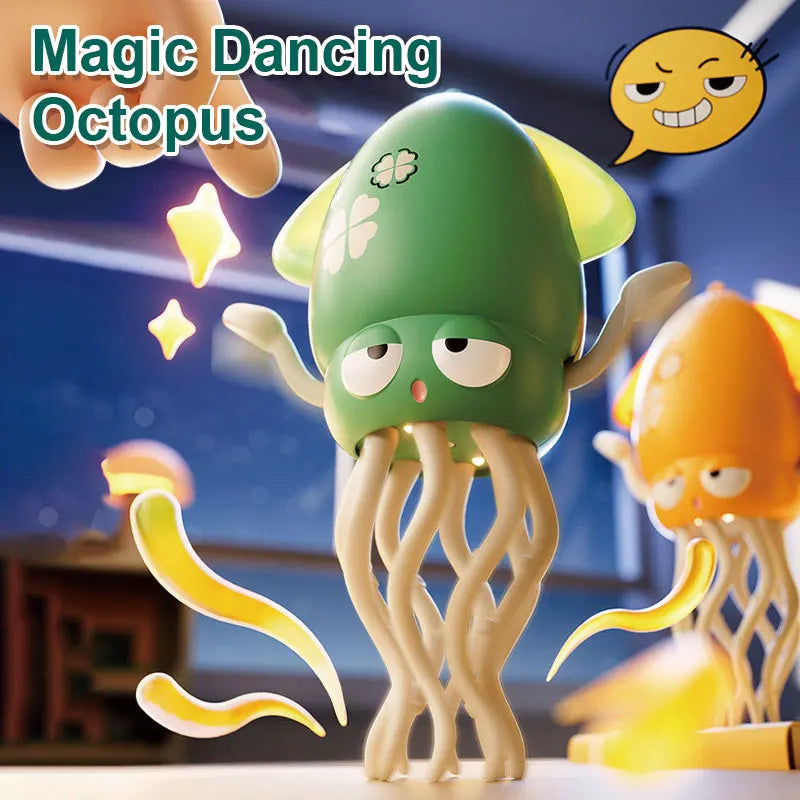
Great learning toys for 3 year olds that grow with real play styles — See it in action
Frequently Asked Questions
How do I know which learning toys fit my child?
Observe how your child naturally plays. Children who enjoy movement, pretend play, sensory exploration, or puzzles benefit most from toys designed around those interests rather than toys that require completely different skills.
Are interactive toys overwhelming for preschoolers?
Not necessarily. Well-designed interactive toys for 3 year olds provide predictable responses and allow children to control the pace of play. Avoid toys with constant flashing lights or excessive stimulation.
Can one toy support multiple play styles?
Yes. Many responsive toys combine movement, music, storytelling, and problem-solving, making them useful for different moods and developmental stages.
What are some creative toy options for a 3-year-old?
Open-ended building blocks, pretend kitchens, art supplies, musical instruments, magnetic construction toys, dress-up sets, and storytelling figures all encourage creativity while supporting cognitive and social development.
Do responsive toys replace open-ended play?
No. The best responsive toys complement open-ended play by encouraging interaction without limiting imagination. Children still benefit from free play with simple materials alongside interactive experiences.





