

Best Toys for Hand-Eye Coordination by Age and Skill Level
What are the best hand eye coordination games for kids?
The best hand eye coordination games for kids match a child's age and developmental stage while encouraging repeated practice through play. Infants benefit from reaching and grasping toys, toddlers learn through stacking and sorting activities, and preschoolers build accuracy with ball games, building sets, and archery. These toys strengthen visual tracking, motor control, focus, confidence, and school-readiness skills in a fun, screen-free way.
Hand Eye Coordination Games: Best Toys Ranked
⏱ 9 min read
Whether your child struggles to catch a ball, stack blocks, or stay focused during active play, the right hand eye coordination games can make practice enjoyable instead of frustrating. From simple grasping toys for babies to exciting target games for older kids, this guide ranks the best toys for hand-eye coordination by age, explains why they work, and helps you choose activities that build lifelong motor skills.
Hand eye coordination games using toys for motor skill development keep kids engaged while strengthening essential developmental skills.
Best Toys for Hand-Eye Coordination: Top Picks by Age and Skill
The best toys for hand-eye coordination encourage children to see, plan, and move at the same time. Rather than relying on a single activity, parents often see the greatest improvement by combining grasping toys, stacking games, ball activities, and active target games as children grow.
- 0–12 months: Soft sensory balls, grasping rings, textured rattles
- 1–3 years: Stacking blocks, shape sorters, nesting cups
- 3–5 years: Ball toss games, magnetic building sets, beginner target games
- 5+ years: Kids archery sets, STEM construction kits, more challenging coordination games
What Is Hand-Eye Coordination and Why Does It Matter?
Hand-eye coordination is the ability to process visual information and guide precise hand movements. Children use this skill almost constantly—from reaching for toys and feeding themselves to writing letters, catching balls, tying shoes, and using classroom tools.
Play-based learning is one of the most effective ways to strengthen these connections because children naturally repeat movements while staying engaged. Well-designed hand-eye coordination toys provide just enough challenge to improve accuracy without causing frustration.
Many parents explore options from Baby Growth & Learning and Sensory Toys collections to encourage these developmental milestones through everyday play.
How Hand-Eye Coordination Develops by Age
0–12 Months
Babies begin tracking moving objects before learning to intentionally reach, grasp, and transfer toys between hands. High-contrast, lightweight sensory toys encourage these early movements.
1–3 Years
Toddlers rapidly improve precision through stacking, sorting, inserting objects, and simple ball play. At this stage, repeated practice builds confidence and fine motor control.
3–5 Years
Preschoolers become better at aiming, catching, drawing, and completing multi-step building projects. Games requiring timing and accuracy become increasingly appropriate.
5+ Years
Older children can handle more complex activities involving bilateral coordination, planning, reaction time, and strategy, including beginner archery, sports, and advanced construction toys.
Best Toys for Hand-Eye Coordination at a Glance
| Toy | Recommended Age | Skill Focus | Difficulty | Educational Value |
|---|---|---|---|---|
| Sensory Grasp Toys | 0–12 months | Reaching, grasping | Easy | High |
| Stacking Blocks | 1–3 years | Fine motor precision | Easy | High |
| Shape Sorters | 1–3 years | Visual matching | Easy–Medium | High |
| Ball Toss Games | 3–5 years | Timing, tracking | Medium | High |
| Building & STEM Sets | 4+ years | Planning, coordination | Medium | Excellent |
| Kids Archery Set | 5+ years | Aiming, focus, bilateral coordination | Medium | Excellent |
Best Toys for Infants (0–12 Months)
Baby hand eye coordination toys should encourage reaching, grasping, and visual tracking while remaining lightweight and safe for mouthing.
Why It Helps
Simple sensory toys encourage babies to connect what they see with purposeful arm and hand movements, laying the foundation for future fine motor development.
Pros
- Supports early visual tracking
- Encourages grasp reflex development
- Safe for repeated exploration
Cons
- Requires adult supervision
- Skills develop gradually over time
Best Toys for Toddlers (1–3 Years)
Hand eye coordination toys for toddlers should combine problem-solving with repeated movement. Stacking blocks, nesting cups, and shape sorters remain some of the most effective toys that improve hand eye coordination during this stage.
Why It Helps
These activities strengthen finger control, visual judgment, patience, and independent learning through trial and error.
Pros
- Develops fine motor skills
- Promotes independent practice
- Easy to adjust for different skill levels
- Supports early problem-solving
Cons
- Children may outgrow simple sets quickly
- Small pieces require age-appropriate supervision
These toys also fit naturally into calming evening routines alongside products from the Sleep & Comfort collection.
Best Toys for Preschoolers and Older Kids
Ball & Target Games
Ball toss games improve timing, visual tracking, and reaction speed while keeping children physically active. They are excellent games for hand eye coordination because every throw provides immediate feedback.
Construction sets challenge children to align pieces accurately while planning several steps ahead. These activities strengthen both coordination and problem-solving.
Active Coordination Games
For children ready for a greater challenge, target-based activities provide measurable progress and encourage sustained focus.
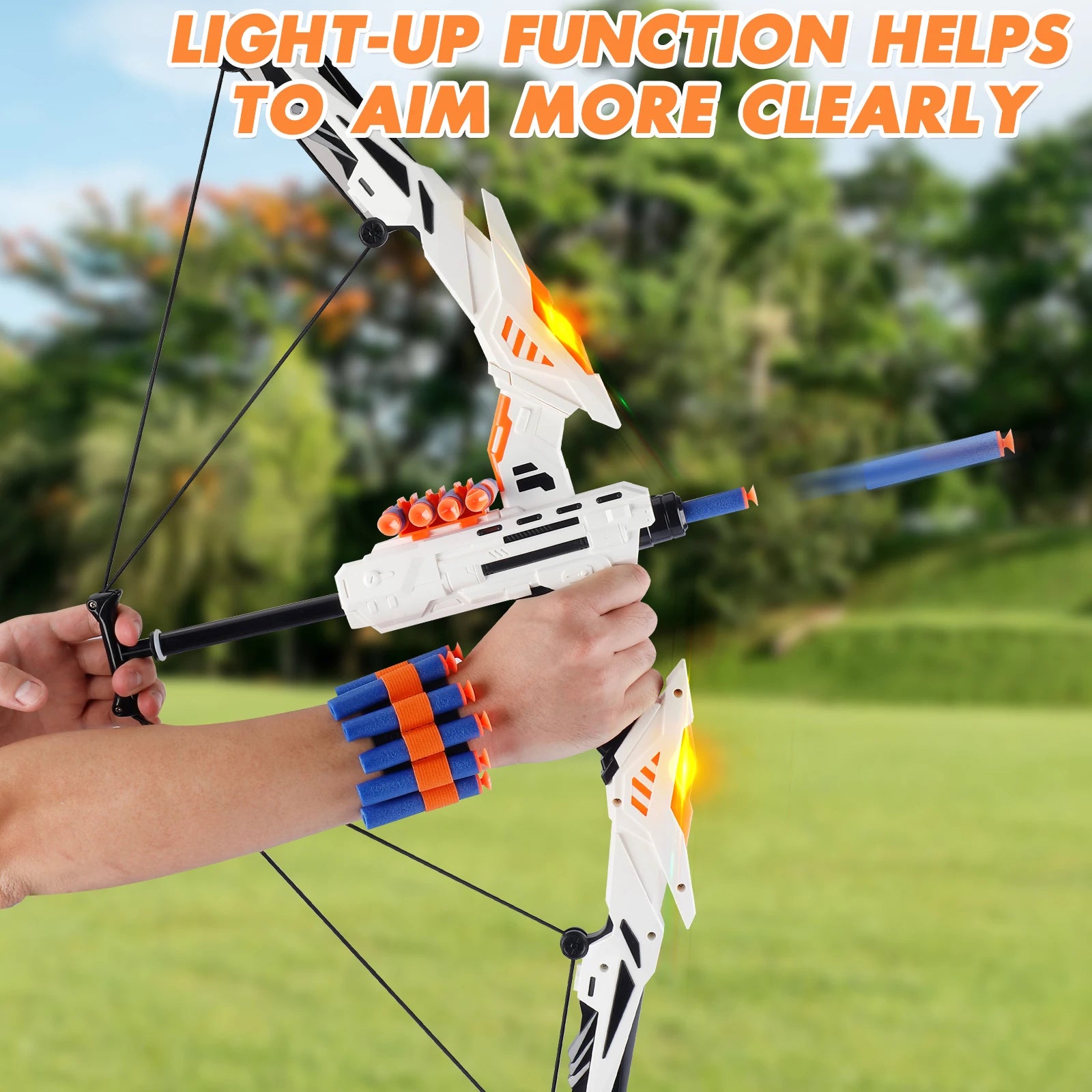
Recommended product: Kids Archery Set
The Kids Archery Set combines aiming, controlled movement, and concentration into one engaging activity. As children practice drawing, aiming, and releasing, they improve bilateral coordination, balance, and depth perception.
Pros
- Excellent for developing focus
- Encourages outdoor movement
- Progress is easy for children to see
- Supports confidence through repeated success
Cons
- Requires adult supervision
- Needs adequate open space

Target games like beginner archery help older children improve aim, focus, and coordination.
For even more full-body activities, parents often combine coordination games with movement-based exercises found in the Mobility & Training collection.
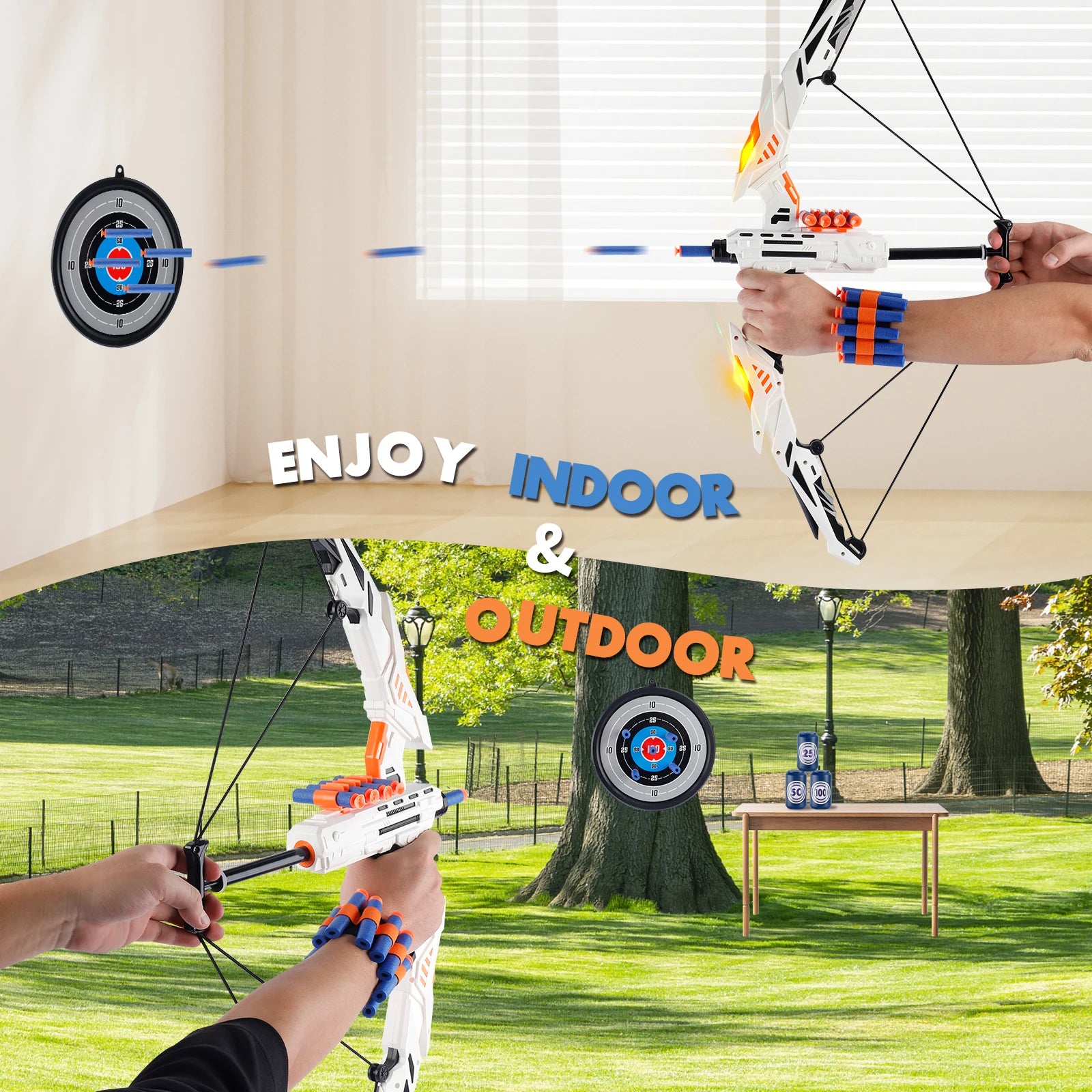
Ball and target games encourage active movement while strengthening visual tracking.
Indoor vs Outdoor Coordination Toys
| Indoor Toys | Outdoor Toys |
|---|---|
| Ideal for small spaces | Encourage larger body movements |
| Less weather dependent | Build endurance and coordination together |
| Often quieter activities | Excellent for group play |
| Best for fine motor practice | Best for aiming, throwing, and balance |
Montessori, STEM, and Open-Ended Toys for Coordination
Open-ended toys continue providing value as children grow because they encourage creativity rather than following one fixed outcome.
- Montessori toys: Encourage independence through purposeful practice.
- STEM toys: Blend coordination with engineering, planning, and spatial reasoning.
- Open-ended building toys: Adapt naturally to increasing skill levels and imaginative play.
How to Choose the Right Hand-Eye Coordination Toy
Safety
Select toys that match your child's age recommendations and avoid small parts for younger children.
Materials
Look for durable, non-toxic materials with smooth edges and easy-to-clean surfaces.
Durability
Well-built toys withstand repeated practice and often remain useful for younger siblings.
Budget
Higher-priced toys are not always better. Choose products that offer multiple ways to play and grow with your child's abilities.
For additional peace of mind, many families also browse Health & Safety resources when selecting new toys.
Expert Tips for Encouraging Hand-Eye Coordination Through Play
- Practice 10–20 minutes most days instead of occasional long sessions.
- Gradually increase difficulty as skills improve.
- Mix fine motor and active movement games throughout the week.
- Celebrate effort rather than perfect performance.
- Limit passive screen time and encourage active, hands-on exploration.
- Rotate toys regularly to maintain interest and motivation.
Frequently Asked Questions
What are the best toys for hand-eye coordination by age?
Babies benefit from sensory grasp toys, toddlers develop skills through stacking and sorting toys, while preschoolers and older children improve coordination with ball games, building toys, and beginner target games.
Which toys help toddlers improve hand-eye coordination?
Stacking blocks, shape sorters, nesting cups, peg boards, and simple ball activities provide excellent opportunities for toddlers to practice precise movements.
Are Montessori toys good for hand-eye coordination?
Yes. Many Montessori-inspired toys encourage purposeful movement, independent practice, and repeated fine motor activities that naturally strengthen coordination.
How do ball games improve hand-eye coordination?
Ball games teach children to track moving objects, judge distance, react quickly, and coordinate arm movements with visual information.
How much daily play is recommended for coordination development?
Most children benefit from about 10–20 minutes of focused coordination activities each day alongside regular active play.
What are signs my child needs more hand-eye coordination practice?
Difficulty catching balls, using utensils, drawing shapes, stacking blocks, or completing simple puzzles may indicate that additional practice would be helpful.
Can hand-eye coordination toys help with school readiness?
Yes. Better coordination supports handwriting, classroom attention, scissor skills, reading readiness, and greater confidence with everyday learning activities.
What safety features should I look for in coordination toys?
Choose age-appropriate toys made from durable, non-toxic materials, with smooth edges and no small removable parts for younger children.
Related Guide: Kids Archery Set Toy: Best Picks Compared for Safe Play





