

Baby Crawling Hardwood Floor Safety: Simple Ways to Prevent Slips
How can you keep a baby safe on hardwood floors?
Hardwood floor baby safety starts with improving traction, reducing the risk of hard impacts, and creating safe spaces for movement. Instead of covering every floor with thick foam, combine non-slip support, strategically placed play mats, and age-appropriate supervision so your baby can crawl, cruise, and explore with confidence while developing healthy motor skills.
Hardwood Floor Baby Safety Solutions That Fit Real Homes
⏱ 8 min read
Hardwood floor baby safety can feel challenging when your home has slippery finishes, open spaces, and an active baby eager to explore. While bumps and slips are part of learning, a few thoughtful adjustments can make hardwood floors much safer without limiting natural movement or turning your home into a padded playroom.
Many parents assume hardwood flooring is automatically unsafe for babies. In reality, hardwood is a stable surface that can support healthy gross motor development. The biggest concerns are reduced grip, harder falls, and furniture hazards—not the flooring itself. With the right setup, babies can safely practice crawling, sitting, pulling up, and eventually taking their first steps.
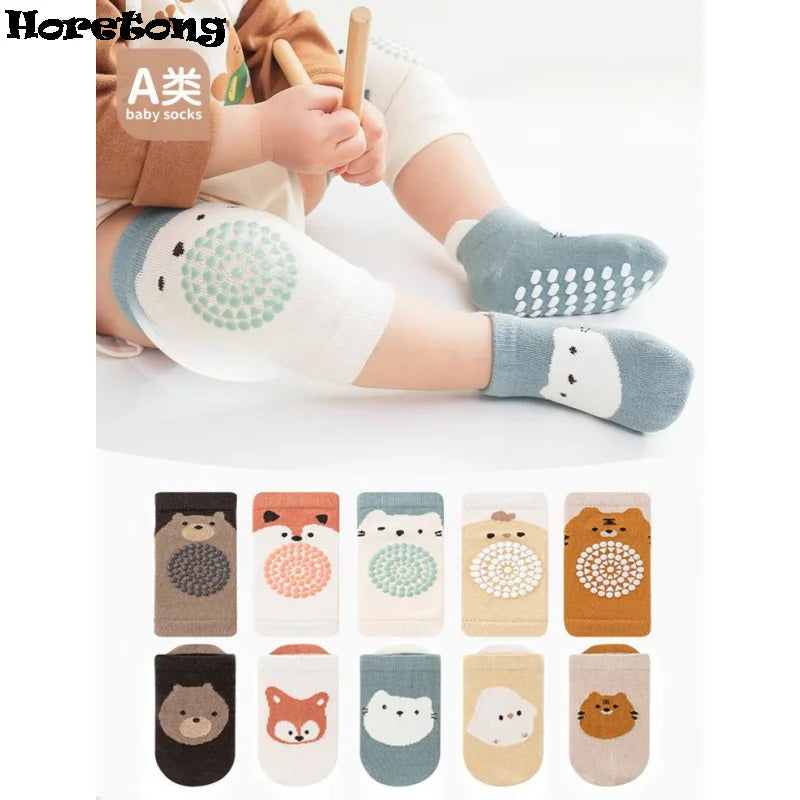
Hardwood floor baby safety with crawling support and infant mobility solutions. See it in action.
Why hardwood floors feel risky for babies
Hardwood floors offer several advantages, including easy cleaning and fewer allergens than carpeting. However, they also create unique challenges for babies learning new movement skills.
- Smooth finishes can reduce traction for inexperienced crawlers.
- Falls may feel more dramatic because hardwood provides little cushioning.
- Cold floors may discourage longer floor play sessions.
- Open layouts often encourage faster crawling toward stairs or furniture.
Despite these concerns, pediatric therapists generally encourage supervised floor time on firm surfaces because babies develop strength, balance, and body awareness by pushing against stable ground rather than overly soft padding.
What babies actually need for safe crawling
Healthy movement development depends more on appropriate support than on thick cushioning.
Stable traction
Hands, knees, and feet need enough grip to generate forward movement. Excessive slipping can frustrate babies and interrupt crawling practice.
Targeted impact protection
Rather than padding every room, focus on high-use play spaces, furniture edges, and areas where babies frequently practice sitting up or pulling to stand.
Freedom to move
Motor skills improve through repeated weight shifts, balance adjustments, and controlled falls. Surfaces should protect without restricting natural movement.
A predictable environment
Keeping play areas consistent helps babies build confidence as they learn where they can safely explore.
Practical hardwood floor baby safety solutions
Most families don't need an expensive home makeover. Small improvements often provide the biggest safety benefits.
Create dedicated play zones
Place a quality play mat where your baby spends the most time crawling. This gives them a comfortable practice area while still allowing exposure to firmer flooring elsewhere for balance development.
Choose low-profile non-slip mats
Select mats with non-slip backing that remain flat against the floor. Avoid loose rugs that can wrinkle or slide under active movement.
Parents often pair these setups with items from Baby Care Essentials to simplify everyday routines.
Support knees and feet directly
For babies who spend long periods crawling on hardwood, protecting their knees while improving grip can be more practical than adding extra floor padding.
Many families choose baby knee pads with non-slip socks because they provide protection wherever the baby crawls, whether in the living room, hallway, or kitchen.
Secure surrounding furniture
Anchor bookshelves, secure televisions, use corner guards where appropriate, and keep cords, plants, and breakable décor outside your baby's reach. Preventing tip-over hazards is often more important than adding extra floor padding.
How non-slip support improves crawling safety
Improving traction helps babies move naturally instead of compensating for slippery surfaces.
Parents commonly notice:
- Greater confidence while crawling across hardwood floors.
- Fewer slips during turns and direction changes.
- Longer, more enjoyable floor play sessions.
- Smoother transitions into pulling up and cruising.
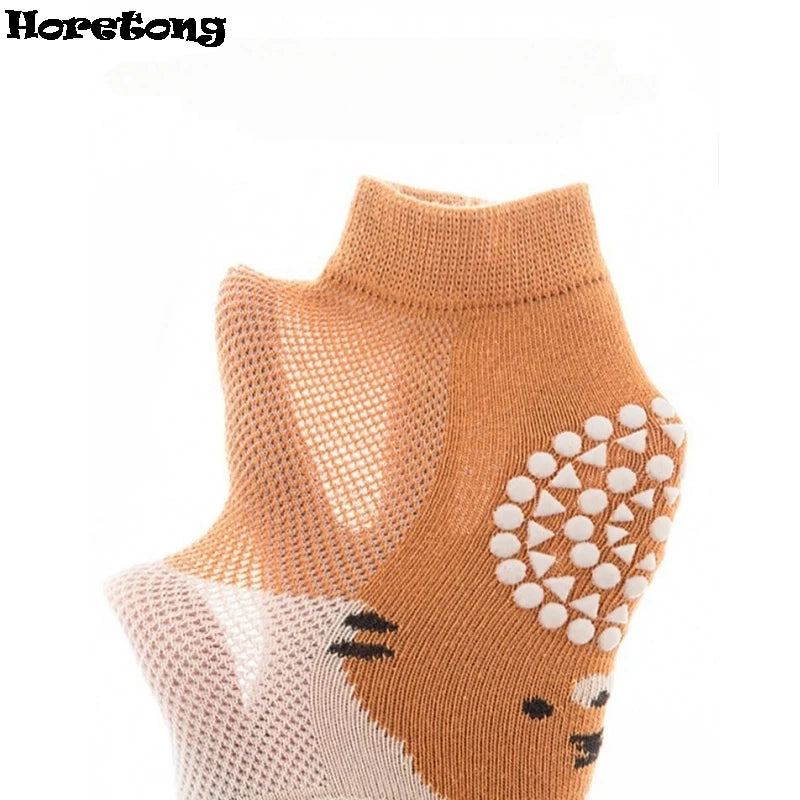
Crawling on hardwood floors with added traction and infant mobility support. See it in action.
Non-slip knee protection is especially helpful in larger homes where babies frequently move between rooms and fixed rugs cannot cover every path.
Room-by-room babyproofing without clutter
Living room
Create a comfortable play zone with a non-slip mat, anchor nearby furniture, and keep remote controls, chargers, and decorative objects out of reach. Families often browse Health & Safety resources for additional babyproofing ideas.
Kitchen transitions
Babies naturally follow caregivers into the kitchen. Install cabinet locks, keep hot items away from edges, and supervise closely while allowing short periods of exploration.
Hallways
Hallways encourage faster crawling. Keep them free of clutter, remove trip hazards, and improve traction with supportive knee and foot protection.
Nursery
Provide a comfortable floor space for supervised play alongside soft bedtime routines. Products from Sleep & Comfort collections can help create a cozy environment while maintaining open floor space for movement.
Supporting infant mobility without restriction
Learning to crawl, cruise, and walk requires practice—not perfect conditions. The goal is to reduce unnecessary risks while encouraging independent exploration.
- Create consistent play areas where babies feel secure.
- Improve traction instead of relying solely on thick floor padding.
- Protect knees and feet during longer crawling sessions.
- Keep dangerous furniture, stairs, and sharp edges properly babyproofed.
- Always supervise babies as they explore new spaces.
Balancing freedom with thoughtful safety measures allows babies to build confidence while reducing common slip- and fall-related frustrations.
Frequently Asked Questions
Is crawling on hardwood floors bad for babies?
No. Crawling on hardwood floors is generally safe for healthy babies. Firm surfaces can support motor development as long as babies have adequate traction, appropriate supervision, and a safe environment.
Do babies need thick foam mats throughout the house?
Usually not. Strategic play mats in high-use areas combined with good traction are sufficient for most families. Too much soft padding may reduce stability during movement practice.
Should babies wear knee pads on hardwood floors?
Some babies benefit from knee protection, especially if they crawl for long periods or develop redness on their knees. Non-slip knee pads may also improve confidence on smooth flooring.
Can hardwood floors delay crawling?
Hardwood floors themselves do not delay crawling. However, frequent slipping may discourage babies from practicing. Improving grip often helps babies move more confidently.
How do I balance safety and healthy mobility?
Focus on preventing major hazards rather than eliminating every small bump. Secure furniture, improve traction, supervise exploration, and allow babies to practice natural movement on stable surfaces.
When should I add extra protection?
Additional protection is most useful during the crawling, pulling-up, and early cruising stages when babies are still developing coordination and balance.





