

Healthy Foot Development Children: Insoles by Age and Activity
Does healthy foot development children depend on insoles by age and activity?
Healthy foot development children benefit from age-appropriate insoles that match growth stages and daily activities. The right support can guide natural alignment, absorb impact during play, and reduce strain as feet grow. Choosing insoles based on age and movement helps children walk, run, and play more comfortably.
Healthy Foot Development Children: Insoles by Age and Activity
⏱ 12 min read
Improving kids foot alignment often starts with noticing small signs—uneven shoe wear, frequent tripping, or complaints of tired feet after play. Many parents wonder whether simple changes underfoot can really support growing bodies. Understanding how insoles work at different ages helps you make confident choices that protect comfort, movement, and long-term children foot health.
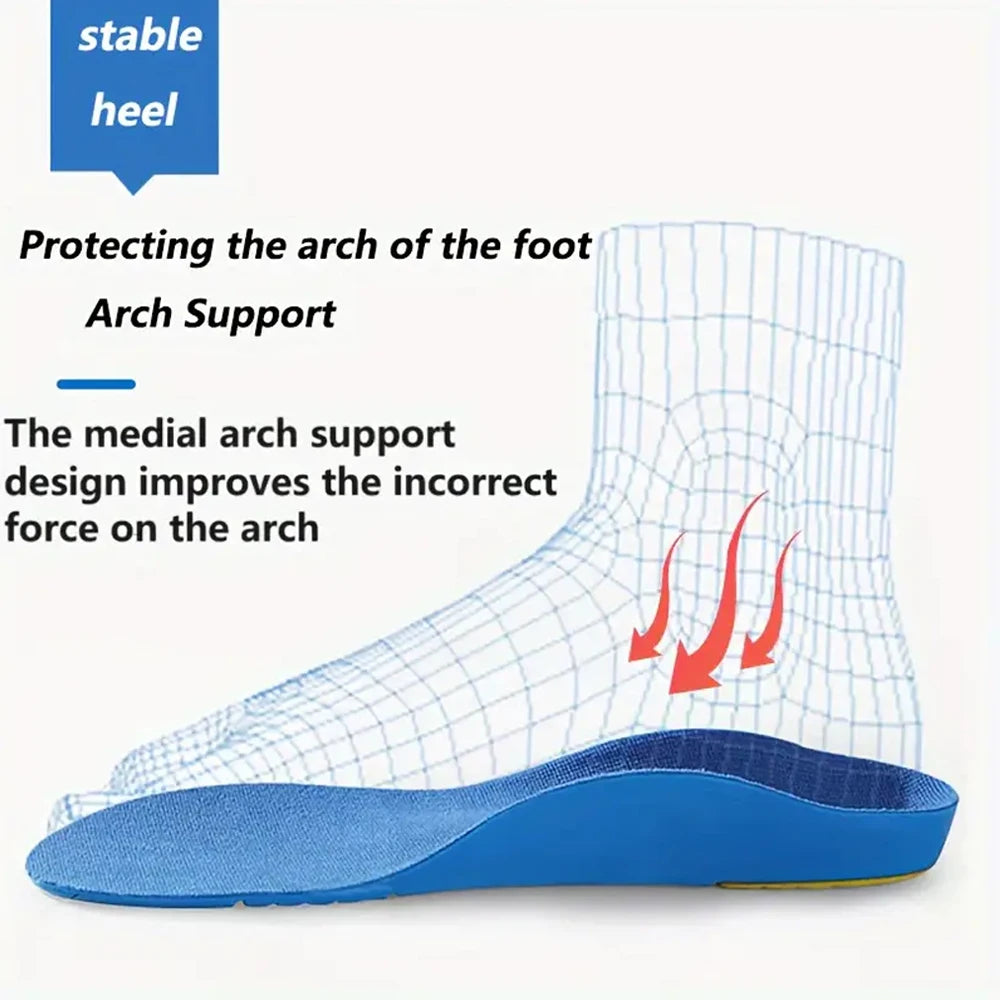
Healthy foot development children begins with thoughtful support—see how youth arch support insoles fit active routines 💡 See it in action
Why Healthy Foot Development Matters in Childhood
Healthy foot development children relies on bones, muscles, and ligaments learning to work together. During early years, feet are still forming arches and adapting to balance demands. Without proper support, stress can travel upward, affecting posture and comfort.
Parents often focus on shoes, but what sits inside them matters just as much. Insoles can guide alignment while allowing natural movement. This balance is especially important during growth spurts, when feet change quickly.
Explore supportive essentials in Mobility & Training designed to match active childhood routines.
How Insoles Support Growing Feet
Healthy foot development children is encouraged when insoles gently guide weight distribution. Instead of forcing correction, well-designed insoles work with natural motion.
- Encourage balanced pressure across the foot
- Support developing arches without stiffness
- Reduce fatigue during long days of play
- Improve comfort inside everyday shoes
Many pediatric specialists agree that early support can help build better habits, especially for children who are very active or spend long hours on hard surfaces.
Choosing Insoles by Age and Growth Stage
Healthy foot development children looks different at each age. Insoles should adapt to these changes rather than apply a one-size-fits-all solution.
Infants and Toddlers (1–3 Years)
At this stage, feet are soft and flexible. Insoles should be minimal, focusing on comfort and gentle cushioning rather than firm structure.
- Light padding for shock reduction
- Flexible materials that move naturally
- Breathable insoles to keep feet dry
Parents often pair supportive footwear with movement-focused play from Baby Growth & Learning to encourage balance and coordination.
Preschool and Early School Age (4–7 Years)
Healthy foot development children becomes more visible as arches start to form. Youth arch support insoles can offer guidance without limiting movement.
Children in this age group run, jump, and climb frequently. Insoles that combine light structure with cushioning help manage impact during active play.
Older Kids and Preteens (8–12 Years)
As sports and longer school days increase, insoles may need more durability. Supportive designs help manage repetitive stress from activities like soccer, basketball, or dance.

Youth arch support insoles adapt as routines change—healthy foot development children stays on track 💡 See it in action
Matching Insoles to Daily Activities
Healthy foot development children depends not only on age but also on how kids move each day. Activity-based support ensures comfort in real-life situations.
| Activity | Support Focus |
|---|---|
| School & Walking | Light arch guidance and all-day comfort |
| Sports | Shock absorption and stability |
| Indoor Play | Flexible cushioning |
For families managing busy schedules, combining insoles with recovery routines from Massage & Relaxation can ease post-activity soreness.
Materials, Comfort, and Breathability
Healthy foot development children is supported when insoles feel good all day. Breathable insoles reduce moisture buildup, which helps prevent irritation and odor.
- Mesh layers for airflow
- Soft foam for comfort
- Durable bases for daily wear
Parents often notice fewer complaints about sweaty or tired feet when breathable designs are used consistently.
Do Shock Absorbing Insoles Work for Kids?
Healthy foot development children can benefit from shock absorbing insoles when impact is managed correctly. These insoles help reduce force on joints during running and jumping.
Studies and parent feedback suggest that shock absorption is most helpful for active kids who spend time on hard floors or sports fields. The key is balance—too soft can reduce stability, while too firm may feel uncomfortable.
Learn practical tips from Health & Safety resources trusted by families.
What Parents Notice After Switching
Healthy foot development children often shows subtle improvements first. Parents report kids asking to play longer, fewer complaints about sore feet, and more confidence in movement.
One parent shared that after adding supportive insoles, her child stopped avoiding playground games. Another noticed shoes wearing more evenly over time.
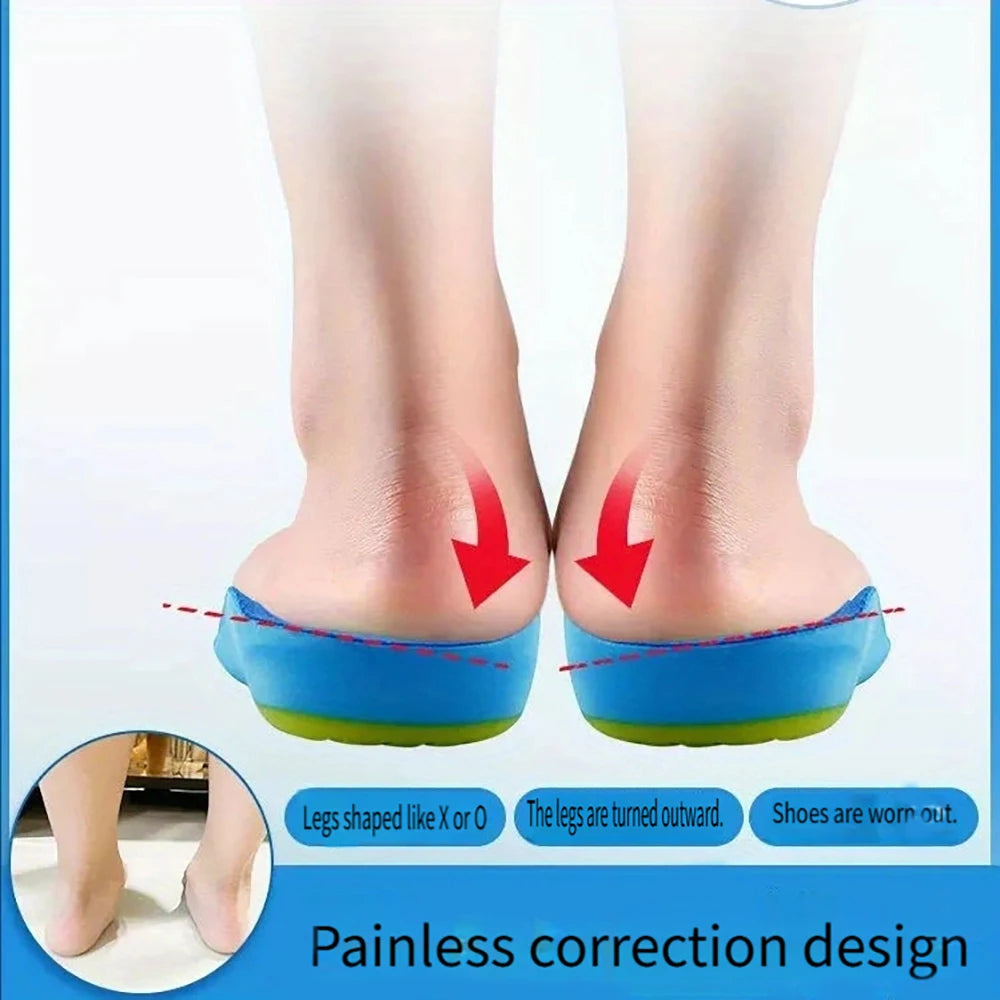
From school days to sports practice, healthy foot development children stays supported 💡 See it in action
Discover everyday comfort solutions in Beauty & Wellness that fit active family life.
Frequently Asked Questions
When should children start using insoles?
Many children can benefit once they begin walking regularly, especially during active phases or growth spurts. Insoles should match age and activity level.
Are youth arch support insoles safe for daily use?
Yes, when designed for children, they provide gentle guidance without restricting natural movement, making them suitable for everyday wear.
How often should insoles be replaced?
Check fit every 6–12 months or during growth spurts. Replace when they show wear or no longer fit comfortably.





