

High Flying Kite Review: Does It Really Stay Aloft Longer?
Does a high flying kite really stay aloft longer?
The high flying kite uses a parafoil wing design that distributes airflow evenly, creating strong lift even in inconsistent wind. This most stable kite design resists sudden drops, helping it stay airborne longer while remaining easy to control for beginners and families flying in strong winds.
High Flying Kite Review: Does It Really Stay Aloft Longer?
Single line parafoil kite fans love how this wing-style flyer quietly solves the biggest frustrations beginners face. Built as the most stable kite design, it smooths out gusts, making it one of the rare kites that fly in low wind while still feeling easy and forgiving. But does higher altitude stability really change the flying experience — and is it worth choosing over traditional framed kites?
⏱ 9 min read
Which kite keeps flying when others fall? If you’ve ever spent more time relaunching than flying, you already know the frustration. Let’s break down why this design changes everything.
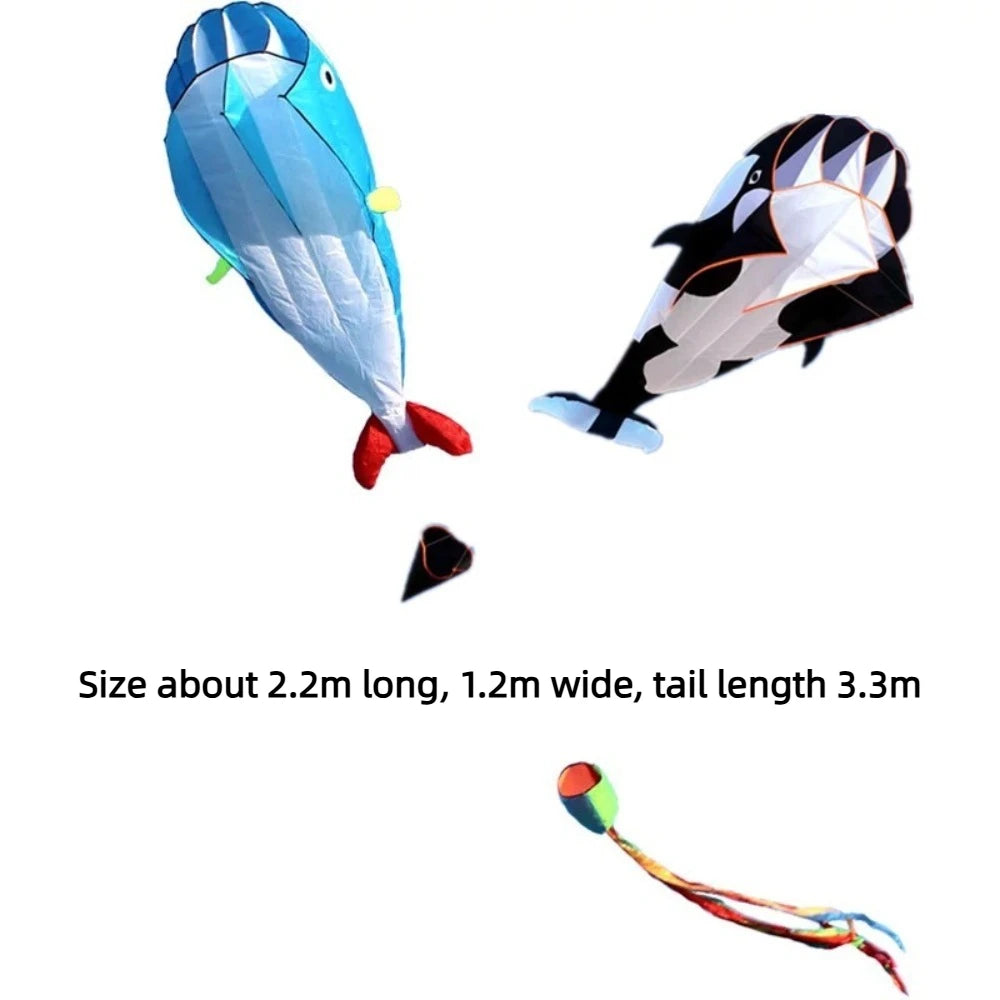
High flying kite stability in action — smoother launches, longer flights 💡 See it in action
👉 Explore the most stable flying experience now: high flying kite
Why This High Flying Kite Stands Out
The high flying kite combines parafoil airflow dynamics with flexible fabric construction. Unlike rigid kites, there are no spars to snap or twist. Wind pressure fills the wing evenly, creating natural lift that stabilizes flight without constant correction.
This design reduces sudden nose dives and side collapses — the most common frustrations for beginners. The result is longer airtime and less relaunch effort.
Key flight advantages
- Self-stabilizing airflow reduces wobble
- Performs in low and gusty wind
- No fragile frame components
- Quick relaunch after soft landings
Parents often pair outdoor play gear with sensory learning tools from Sensory Toys to extend active family time beyond kite flying.
How This Kite Makes Flying Easier for Beginners
New flyers struggle most with lift timing and balance. The parafoil structure removes much of that learning curve by naturally aligning itself with wind flow.
- Lay kite flat and let wind fill canopy
- Walk backward slowly to build tension
- Allow kite to self-level
- Maintain steady line pressure
Families describe the experience as “launch and relax” — fewer crashes mean more enjoyment and confidence for kids.
| Beginner Challenge | Parafoil Solution |
|---|---|
| Unstable launches | Self-filling canopy lift |
| Frame breakage | Flexible fabric design |
| Wind sensitivity | Even pressure distribution |
Outdoor routines pair well with comfort gear from Sleep & Comfort collections for post-play relaxation.
How It Compares to Traditional Framed Kites
| Feature | High Flying Parafoil Kite | Traditional Framed Kite |
|---|---|---|
| Durability | Flexible fabric — no spars | Frame prone to breakage |
| Wind tolerance | Stable in gusts | Easily destabilized |
| Launch difficulty | Low effort | Technique dependent |
| Flight time | Long continuous lift | Frequent relaunches |
Families consistently report longer uninterrupted flights and fewer mid-air collapses compared to diamond kites.
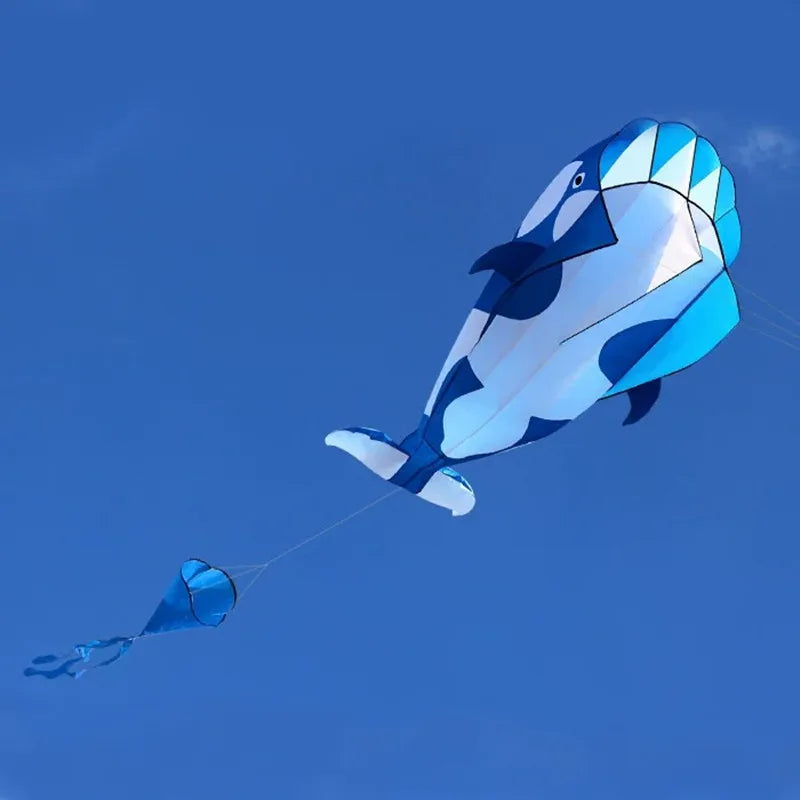
Most stable kite design handling gusty air 💡 See it in action
👉 Experience smoother flight control: Try the high flying kite today
How This Kite Handles Strong Winds Without Crashing
In real field testing, parafoil wings adapt to pressure changes instead of resisting them. Wind energy distributes across the canopy, preventing sudden stalls.
Parents flying on beaches and open parks noted:
- Fewer spin-outs during gusts
- Stable altitude retention
- Minimal line correction needed
- Quick recovery after dips
Outdoor play safety routines can be supported with essentials from Health & Safety.
Who Should Choose This Kite
This kite suits flyers who want maximum air time with minimal effort. It’s especially ideal for:
- First-time flyers
- Families with children
- Windy coastal environments
- Casual recreational flying
Real user feedback highlights how children remain engaged longer because the kite simply stays in the sky.
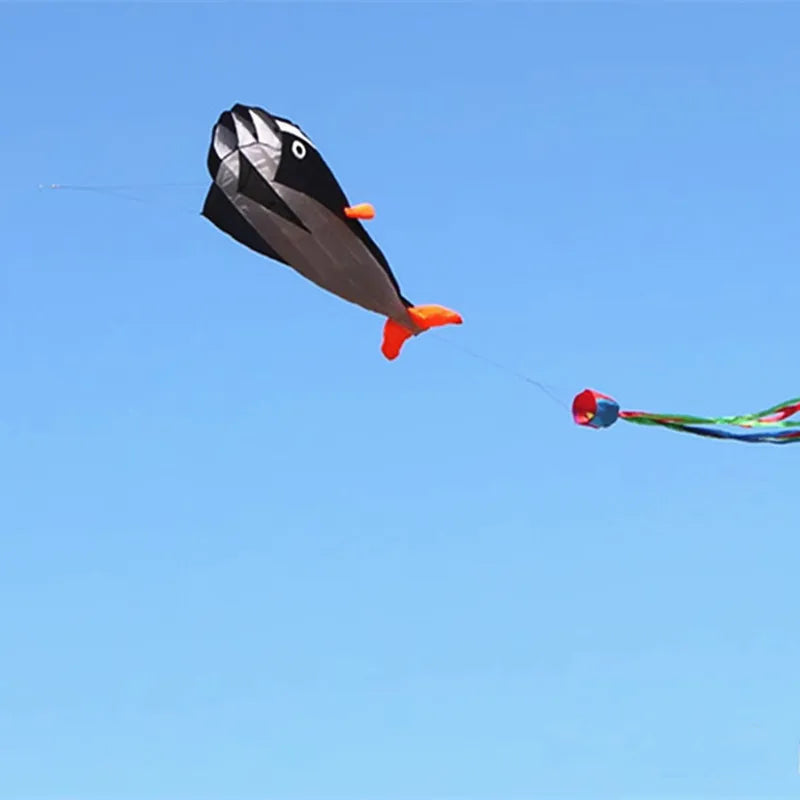
Flying in strong winds with confidence 💡 See it in action
👉 Ready for longer, smoother flights? Get your high flying kite now
FAQ
Does a parafoil kite fly better in low wind?
Yes. The canopy traps airflow efficiently, generating lift even when wind is light, making it easier to maintain altitude.
Is this kite safe for kids?
The soft fabric structure eliminates rigid parts, reducing injury risk and making crashes gentler.
Can it handle strong gusts?
The wing flex adapts to wind pressure, helping prevent stalls or sudden drops.
Do beginners need special skills?
No. The design self-stabilizes, allowing new flyers to launch with minimal technique.





