

Hip Seat Carrier Disadvantages: Are They Right for Your Baby?
Do hip seat carriers really make babywearing easier?
Yes—for many families, hip seat carriers make everyday babywearing easier by transferring much of a child's weight from the arms and shoulders to the hips. A well-designed hip seat carrier promotes more even weight distribution, supports a comfortable infant hip seat position, and helps reduce fatigue during errands, travel, and quick pickups. However, comfort depends on choosing the right size, proper adjustment, and using the carrier within its recommended age and weight limits.
Hip Seat Carriers Compared: What Parents Love Most
⏱ 8 min read
If you've ever felt your arms go numb while carrying your baby for "just a minute," you're not alone. Hip seat carriers have become increasingly popular because they offer a faster, more supportive alternative to carrying a child on one hip. But while many parents swear by them, others discover hip seat carrier disadvantages that aren't obvious before buying.
Quick question: Do you need a carrier mainly for quick everyday trips—or comfortable support during longer outings?
Explore thoughtful solutions inside Baby Care Essentials .
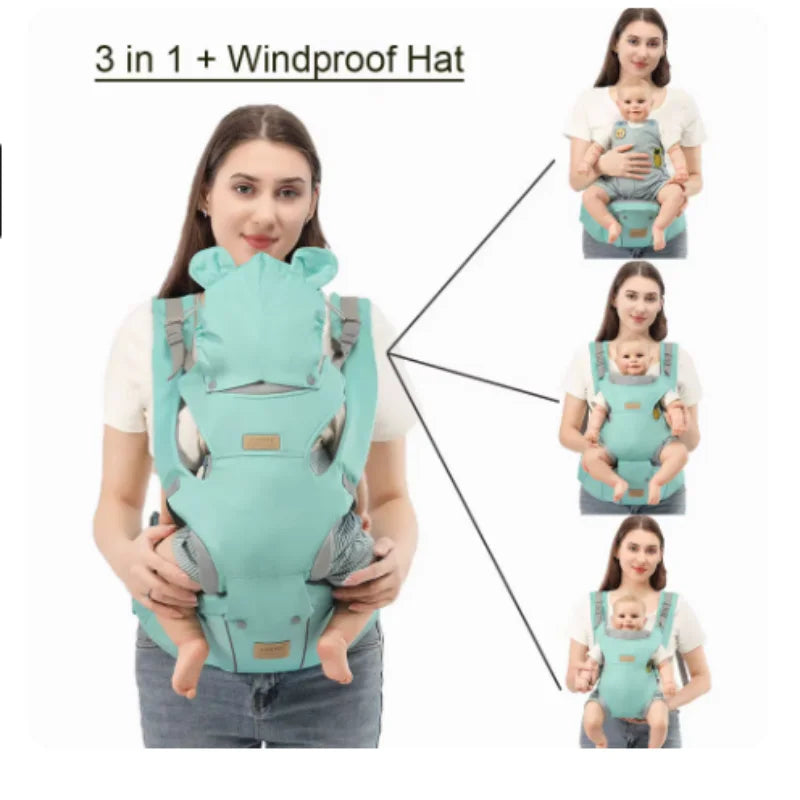
Hip seat carriers designed for even weight distribution. See it in action.
Are hip seat carriers worth it despite the disadvantages?
For most parents of babies who enjoy frequent up-and-down movement, the answer is yes. Hip seat carriers excel during everyday activities like grocery shopping, school pickup, sightseeing, and soothing a fussy toddler. They reduce arm fatigue while allowing faster transitions than wraps or buckle carriers.
That said, understanding hip seat carrier disadvantages helps set realistic expectations. They aren't always the best choice for newborns, extended hikes, or hands-free carrying over several hours. Families planning long outdoor adventures may prefer a fully structured carrier with shoulder support, while those making frequent short trips often find hip seat carriers more convenient.
Hip Seat Carrier Advantages vs Disadvantages at a Glance
| Advantages | Disadvantages | Best For |
|---|---|---|
| Excellent weight distribution | Can feel bulky to pack | Daily errands |
| Quick on-and-off use | Less ideal for newborn-only use | Toddlers wanting frequent pickups |
| Reduces arm fatigue | Long walks may still require shoulder straps | Travel and shopping |
| Supports growing babies comfortably | Fit varies between body types | Shared use between caregivers |
Buying takeaway: If convenience is your priority, a quality hip seat carrier is often one of the easiest babywearing options. If maximum hands-free support for extended outings matters most, choose a model with detachable shoulder straps.
How a Hip Seat Carrier Works
Weight distribution explained
Unlike carrying your child on one arm, a hip seat uses a firm platform attached to a wide waistband. The waistband transfers much of your baby's weight directly onto your hips, helping relieve pressure on your shoulders and wrists. Better weight distribution is the main reason many parents notice immediate comfort improvements.
Ergonomic carrying position
An ergonomic infant hip seat carrier helps keep your baby's thighs supported while encouraging a natural seated posture. When adjusted correctly, the child's weight stays close to the caregiver's center of gravity, improving balance during movement.
How it differs from standard carriers
Traditional structured carriers suspend most of the baby's weight using shoulder straps and a waist belt. Hip seat carriers instead create a stable sitting platform, making them particularly convenient for toddlers who frequently want to be picked up and put down throughout the day.
Why Parents Choose Hip Seat Carriers
Better weight distribution
The biggest advantage is improved comfort. A wide padded waistband spreads pressure across the hips instead of concentrating it on the arms or lower back.
Quick on-and-off convenience
Parents appreciate how quickly children can be lifted on and off without adjusting multiple buckles or wraps. This makes hip seat carriers especially practical during errands, airport travel, or playground visits.
Support for heavier babies
As babies become toddlers, carrying them with only your arms becomes increasingly tiring. Hip seat carriers provide consistent support while allowing caregivers to respond quickly to children who alternate between walking and wanting to be carried.
Browse curated picks in Mom Essentials .
Hip Seat Carrier Disadvantages You Should Know
Every baby carrier involves trade-offs. Understanding common hip seat baby carrier disadvantages makes it easier to choose the right style for your family's routine.
Less suitable for newborns
Some hip seat carriers are designed for babies who have developed stronger neck and trunk control. Always follow the manufacturer's age recommendations before using one with younger infants.
Limited comfort on long walks
While hip seats reduce arm fatigue, waist-only models may become tiring during extended walks because some weight still rests on one side of the body.
Bulkier to pack
The rigid seat platform offers excellent support but takes up more space in a diaper bag than soft wraps.
Not ideal for every body type
Comfort depends heavily on waistband adjustment. Caregivers with shorter torsos or certain body shapes may prefer trying different models before purchasing.
Learning proper fit
A loose waistband or incorrect seat angle reduces stability and can increase pressure on the lower back. Spending a few minutes adjusting the carrier usually makes a noticeable difference.
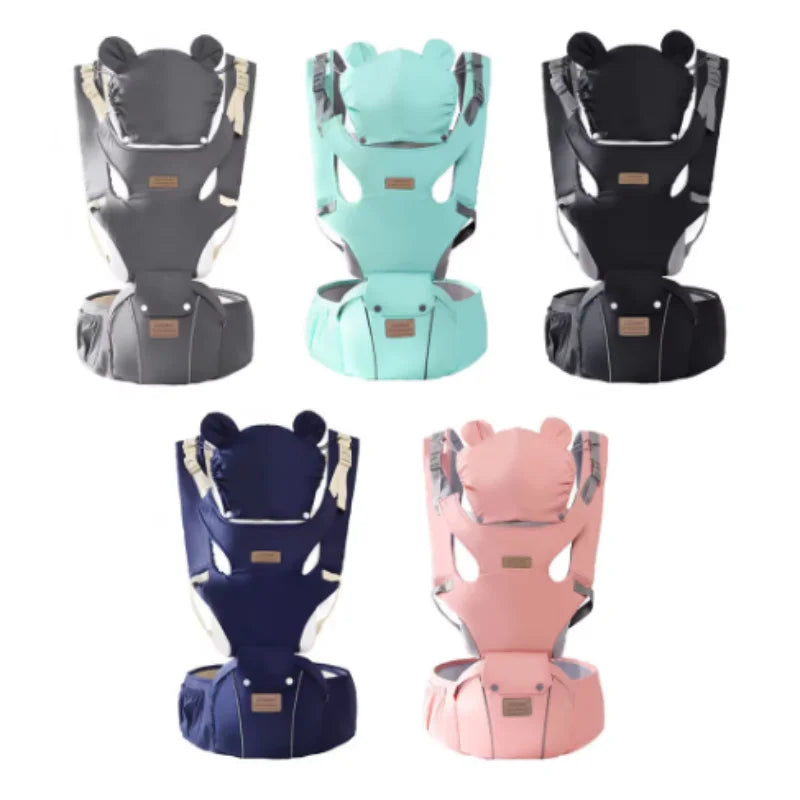
Comparing hip seat carriers for comfort and balance. See it in action.
Who Should and Should Not Use a Hip Seat Carrier
A hip seat carrier may be ideal if you:
- Carry your child frequently throughout the day.
- Need quick pick-up and put-down convenience.
- Share babywearing between multiple caregivers.
- Want to reduce arm fatigue during errands.
You may prefer another carrier if you:
- Primarily carry a newborn.
- Take long walks or hikes regularly.
- Need completely hands-free support for several hours.
- Require specialized medical guidance for significant lower back pain.
Hip Seat Carrier vs Other Baby Carriers
| Carrier Type | Comfort | Weight Distribution | Ease of Use | Best Situation |
|---|---|---|---|---|
| Hip Seat Carrier | High | Excellent for short carries | Very Easy | Errands and toddlers |
| Soft Structured Carrier | Very High | Excellent for long outings | Moderate | Everyday babywearing |
| Wrap Carrier | High | Good | Learning curve | Newborn bonding |
| Sling | Moderate | Moderate | Easy | Quick carries |
| Backpack Carrier | Very High | Excellent | Moderate | Hiking and outdoor adventures |
Safety, Age, and Weight Recommendations
Newborn guidance
Not every hip seat carrier is intended for newborn use. Always check manufacturer instructions and ensure your baby's airway remains clear and unobstructed.
Hip-healthy positioning
Your baby's knees should generally sit slightly higher than the bottom with thighs supported. Proper positioning helps maintain comfort while encouraging healthy hip alignment.
Age and weight limits
Each manufacturer specifies minimum and maximum weight recommendations. Never exceed those limits, and regularly inspect buckles, stitching, and waist belts before use.
Common Mistakes Parents Make
- Wearing the waistband too loosely.
- Allowing the baby to sit too far from the caregiver's body.
- Leaning excessively to one side while carrying.
- Ignoring the carrier's recommended weight limits.
- Using the wrong seat angle for the child's size.
How to Choose the Right Hip Seat Carrier
Key features to compare
- Wide padded waistband
- Non-slip seat surface
- Breathable fabrics
- Secure buckles and reinforced stitching
- Easy adjustment for different caregivers
Comfort for lower back pain
If you experience occasional lower back discomfort, prioritize models with wider waist support and optional shoulder straps that distribute weight more evenly.
Storage and travel
Some hip seat carriers include zippered compartments for diapers, wipes, phones, or keys, reducing the need for a separate small bag during quick outings.
Materials and adjustability
Choose breathable fabrics, machine-washable materials, and generous adjustment ranges if multiple family members will use the carrier.
Explore the full details here: Baby Hip Seat Carrier
Get yours now — limited stock!
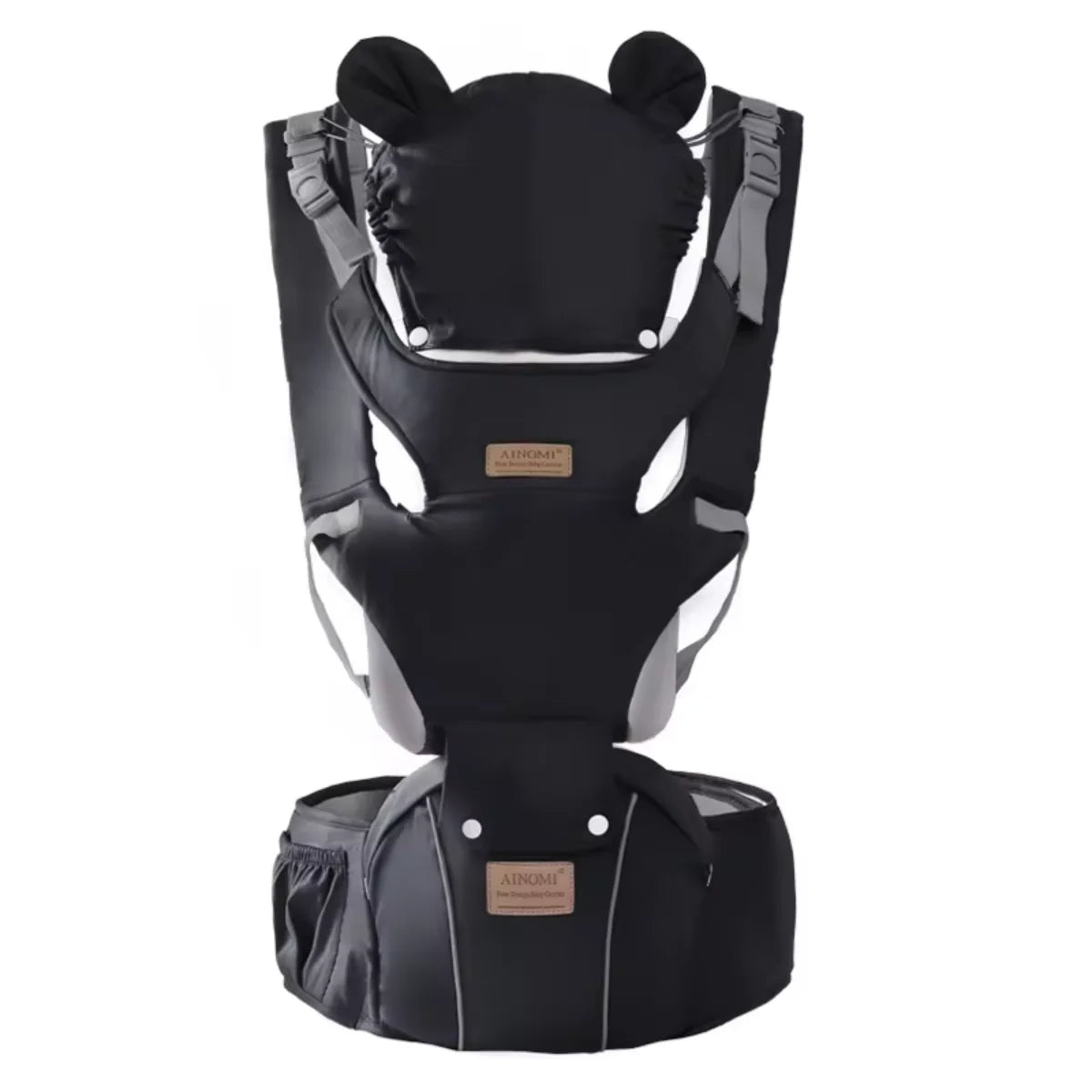
Trusted hip seat carriers for growing families. See it in action.
Frequently Asked Questions
What are the biggest disadvantages of a hip seat carrier?
The main disadvantages include added bulk, reduced comfort during very long walks, and limited suitability for some newborns. Proper sizing and adjustment minimize many of these issues.
Is a hip seat carrier better than a normal baby carrier?
It depends on how you plan to use it. Hip seat carriers are excellent for frequent short carries, while traditional structured carriers generally perform better during extended babywearing sessions.
Do hip seat carriers reduce lower back pain?
Many parents report improved comfort because weight is distributed more evenly across the hips. However, no carrier can guarantee relief, especially if it is poorly fitted or used incorrectly.
Are hip seat carriers safe for newborns?
Only if the specific model is approved for newborn use and all manufacturer instructions are followed. Otherwise, waiting until your baby reaches the recommended developmental stage is safest.
At what age should a baby use a hip seat carrier?
The appropriate age varies by manufacturer and model. Always follow the published minimum age and weight recommendations for your specific carrier.
Can a hip seat carrier cause hip or back pain?
A poorly adjusted waistband, incorrect posture, or low-quality design can cause discomfort. Choosing a supportive carrier with adequate padding greatly improves comfort.
Which carrier distributes baby weight most effectively?
For everyday errands, a quality hip seat carrier offers excellent weight distribution. For all-day outings, a fully structured carrier with shoulder straps may distribute weight even more evenly.
Are hip seat carriers good for long walks?
They can be, especially models with detachable shoulder straps. Waist-only designs are usually better suited for shorter outings than several hours of continuous walking.
Related Guide: Buy Ergonomic Baby Hip Seat: Honest Parent Reviews





