

How to Build Hand Eye Coordination With Simple Home Games
How can parents build hand eye coordination at home?
How to build hand eye coordination starts with simple, repeatable games that connect what kids see with how their hands move. Short daily play using toss, aim, catch, and shoot activities helps children react faster, improve focus, and gain confidence. Easy setups at home make progress consistent and fun.
How to Build Hand Eye Coordination With Simple Home Games
⏱ 8 min read
Parents often worry when kids seem clumsy, avoid sports, or struggle to focus on simple tasks. The good news? Learning how to build hand eye coordination doesn’t require special training or big spaces. With the right games and a flexible setup at home, kids can practice skills naturally while having fun every day.
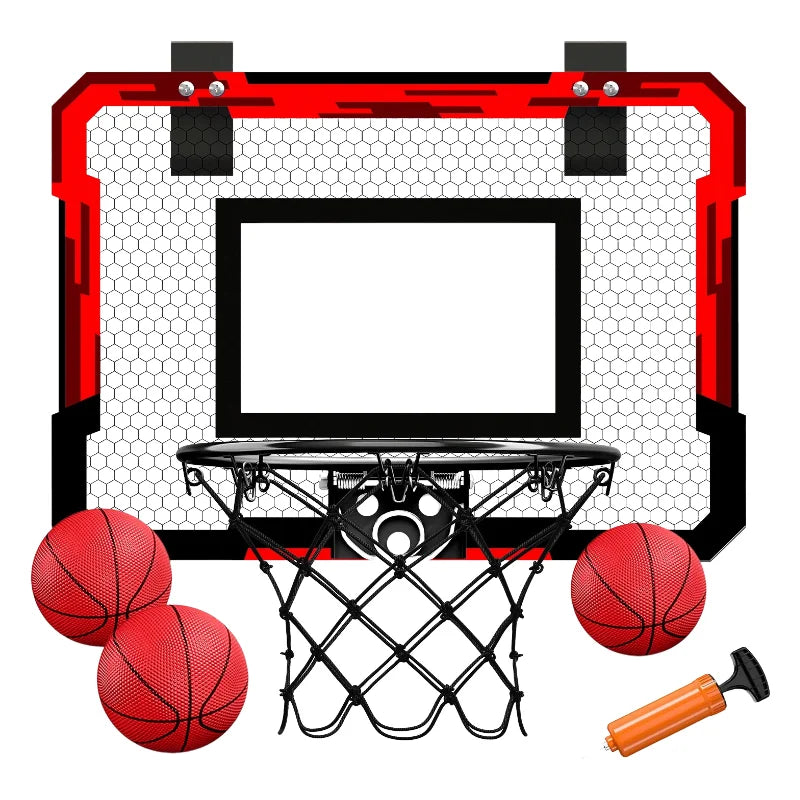
Building how to build hand eye coordination skills through indoor play ideas — 💡 See it in action
Why Hand Eye Coordination Matters for Kids
Hand eye coordination affects far more than sports. It plays a role in writing, eating, buttoning clothes, and even emotional confidence. When children can control their movements, they feel capable and proud.
- Improves focus and reaction speed
- Builds confidence during group play
- Supports early learning and daily tasks
- Encourages active, healthy habits
What Is Hand Eye Coordination?
Hand eye coordination is the ability to process visual information and guide hand movements accurately. When kids track an object and respond smoothly, their brain and muscles are working together.
Simple, repetitive games are the fastest way to develop hand eye coordination without pressure or frustration.
How to Build Hand Eye Coordination at Home
How to build hand eye coordination at home starts with playful repetition. Short sessions using tossing, aiming, and catching allow kids to learn naturally. Consistency matters more than complexity, especially for young children.
- Start with large, easy-to-see targets
- Use lightweight balls or soft toys
- Practice for 10–15 minutes daily
- Increase challenge slowly as skills improve
Simple Home Games That Really Work
Parents often assume skill-building requires structured lessons. In reality, everyday play works best. These indoor play ideas adapt to small apartments, playrooms, or driveways.
Wall Toss and Catch
Have kids throw a soft ball against a wall and catch it as it rebounds. This trains tracking, timing, and reaction speed.
Target Toss
Place laundry baskets or boxes at different distances. Tossing objects into targets builds depth perception and control.
Rolling and Stopping
Roll a ball across the floor and ask kids to stop it with one hand. This helps younger children gain confidence with movement.
Shoot and Retrieve
Shooting a ball into a hoop combines aim, power control, and visual focus in one smooth motion.
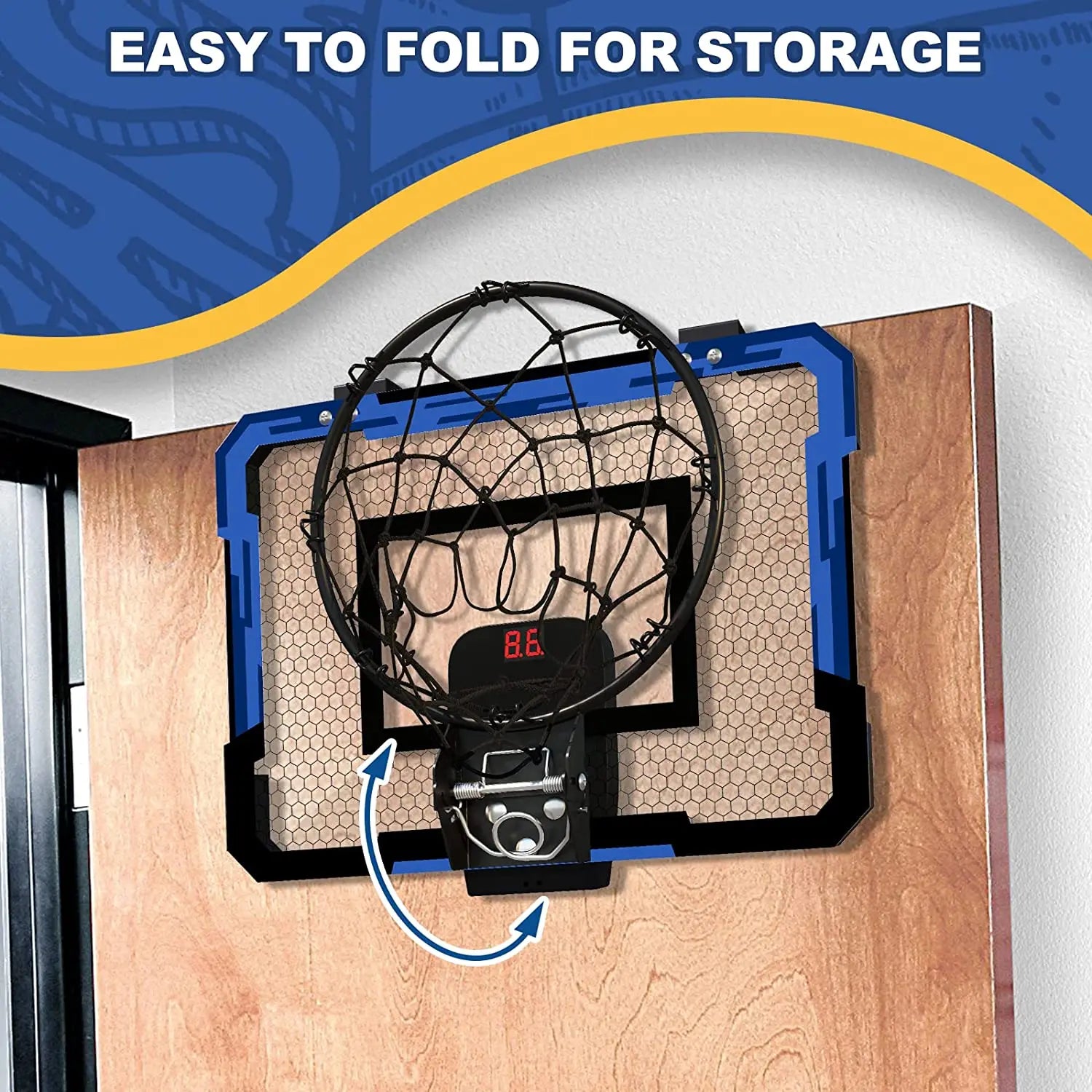
Active play examples that help develop hand eye coordination — 💡 See it in action
Why a Kids Basketball Hoop Makes Practice Easier
A kids basketball hoop creates instant structure for active play without forcing rules. Kids naturally repeat shooting motions, improving accuracy and confidence.
- Encourages independent practice
- Works indoors or outdoors
- Adapts to different ages and skill levels
- Turns short breaks into meaningful movement
Many families pair active play with calm routines from Baby Growth & Learning or tactile exploration from Sensory Toys to balance energy and focus.
Creating a Stress-Free Daily Play Routine
Consistency beats long sessions. A simple routine helps kids know what to expect while keeping parents relaxed.
- Morning: 5-minute warm-up toss
- Afternoon: quick shooting game
- Evening: calm rolling or catching play
Families often combine movement with comfort tools from Sleep & Comfort to help kids wind down smoothly.
Safety, Space, and Age Tips
Safety matters when encouraging active play at home. Choose soft balls, clear floor space, and age-appropriate heights.
- Toddlers: focus on rolling and large targets
- Preschoolers: introduce aiming games
- Older kids: add distance and challenges
For peace of mind, many parents explore essentials from Health & Safety to keep play worry-free.
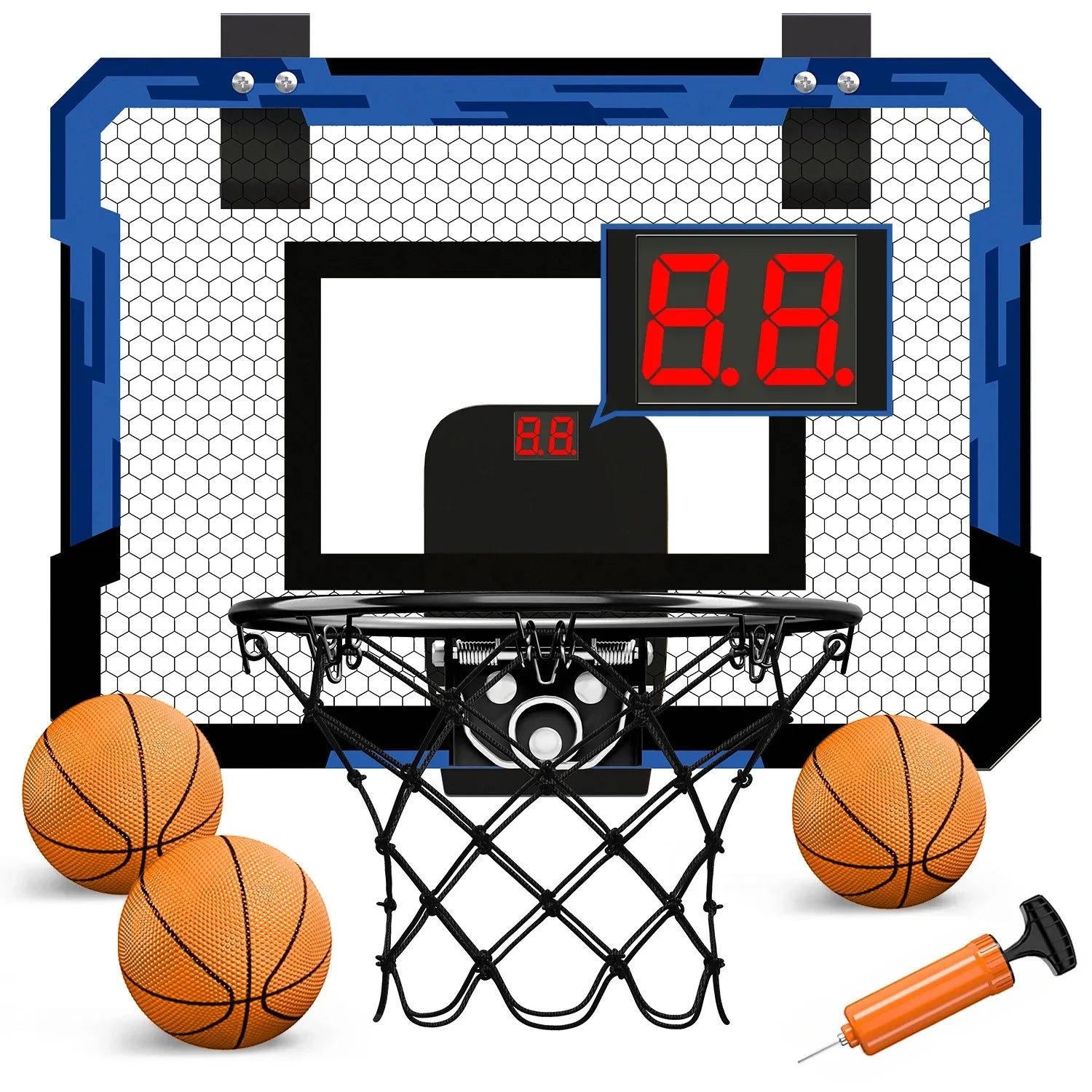
Indoor play ideas that help build hand eye coordination — 💡 See it in action
Frequently Asked Questions
At what age should kids start coordination games?
Most children can begin simple coordination play around 18 months using rolling, catching, and gentle tossing activities.
How often should kids practice hand eye coordination?
Short daily sessions of 10–15 minutes are more effective than longer, less frequent playtimes.
Do indoor games really help build real skills?
Yes. Repetition in a familiar space helps kids focus, learn faster, and transfer skills to outdoor play.





