

What Age Is Suitable for Using a Baby Pool Float Safely?
What age is suitable for using a baby pool float?
What age is suitable for using a baby pool float depends more on developmental readiness, manufacturer age and weight guidance, and water comfort than a specific birthday. Many baby pool floats are designed for infants around 3–12 months, but parents should only use them when babies have adequate head and neck control, fit securely within the float’s limits, and can be supervised constantly. A baby pool float is a buoyancy support tool, not a lifesaving device, and should never replace hands-on supervision or approved safety equipment.
What Age Baby Float Works Best? A Practical Parent Guide
⏱ 8 min read
Choosing the right time for a baby’s first pool float can feel confusing. Parents often wonder when babies can use pool floats, whether newborns are ready, and what safety features matter most. This guide explains baby pool float age recommendations, developmental readiness signs, different float designs, and essential safety tips to help families create safer water experiences.
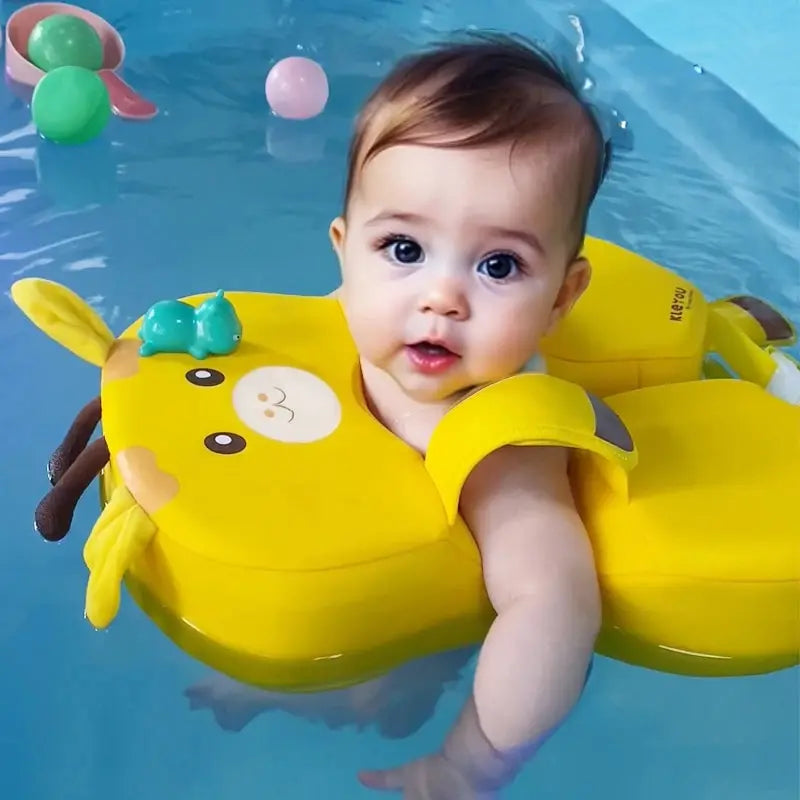
A properly fitted baby pool float can support comfortable early water play while parents stay close
What Age Is Suitable for Using a Baby Pool Float?
The most common baby pool float age recommendation is around 3–12 months, but readiness matters more than age alone. Babies develop head control, balance, and comfort in water at different speeds, so parents should check both physical milestones and the manufacturer’s recommended weight range before use.
When deciding when babies can use pool floats, look for:
- Head and neck control: Baby should be able to hold their head steady without constant support.
- Correct weight range: The float should match the baby’s size according to manufacturer instructions.
- Secure positioning: Baby should sit comfortably without sliding, tipping, or leaning dangerously.
- Positive water response: Baby should appear calm and comfortable during short sessions.
Parents exploring Baby Care Essentials often find that infant products have overlapping age ranges because every baby’s physical development is unique.
Developmental Readiness Checklist Before Using a Baby Pool Float
A safe baby pool float experience starts before entering the water. An infant pool float guide should focus on developmental readiness, not only age labels.
- Head and neck stability: A baby should have enough control to keep their face and airway positioned safely.
- Trunk stability: Stronger core and sitting balance help babies stay upright and comfortable.
- Water comfort: Babies should gradually become familiar with splashing, temperature changes, and new sensations.
- Calm behavior: Crying, stiffening, or constant distress may indicate that a baby needs more time.
Signs a baby may not be ready include poor head control, slipping inside the float, discomfort around water, or difficulty maintaining a safe position. Waiting until these skills improve can make early swimming experiences more enjoyable.
Baby Pool Float Age Recommendations by Age Group
0–3 Months
Most newborns are not ready for standard baby pool floats because they typically have limited head and neck control. While some specialized infant products may advertise very early use, parents should carefully follow manufacturer guidance and consider professional advice when needed.
At this stage, focus on gentle water introduction, holding support, and short supervised experiences rather than independent floating.
3–6 Months
Many babies become more suitable for infant pool floats during this period as neck strength and body control improve. A supportive seat-style float with proper positioning may help babies experience the water while parents remain within arm’s reach.
- Choose a float with stable support and a secure seat opening.
- Keep sessions short and calm.
- Stop if baby appears uncomfortable or tired.
6–12 Months
This is a common age range for baby pool float use. Babies often have better posture, stronger movement control, and more curiosity about water activities.
Parents should still check weight limits, avoid rough water environments, and maintain constant supervision because increased movement can also increase tipping risks.
12 Months and Older
Older babies and toddlers may transition toward different swim aids depending on their swimming development and safety needs. Pool floats can still provide fun water play, but they should not replace learning basic water skills or using appropriate safety equipment.
How to Choose a Safe Pool Float for Your Baby
Choosing a safe baby pool float requires more than selecting a design that looks comfortable. The best option should match your baby’s age, weight, development, and the type of water activity planned.
- Choose by age and weight: Always follow the product’s recommended limits rather than relying only on appearance.
- Check fit and support: Baby should remain centered with proper leg, back, and head support.
- Look for quality materials: Durable, skin-friendly materials and reliable construction help improve comfort.
- Avoid unsuitable designs: Floats that allow excessive leaning, slipping, or unstable positioning may not be appropriate for infants.
A safe baby pool float should support water exploration while allowing parents to maintain clear visibility and control.
Types of Baby Pool Floats and Who They Are For
Different baby float designs provide different levels of support. Understanding the advantages and limitations helps parents choose the best baby float for a first pool visit.
Seat Floats
Seat floats are designed to hold babies in a more upright position with leg openings and surrounding support. They are commonly used for younger infants who meet the recommended developmental requirements.
Best for:
Babies who need stable sitting support.
Considerations:
Fit must be secure to prevent sliding or tipping.
Canopy Floats
Canopy floats add shade protection and may help reduce direct sun exposure during outdoor pool sessions.
Best for:
Families spending time outdoors.
Considerations:
A canopy does not replace sunscreen, protective clothing, or other sun safety practices.
Inflatable Rings
Inflatable rings allow floating movement but may provide less structured support for younger babies.
Best for:
Older infants who meet size and stability requirements.
Considerations:
Extra attention is needed because positioning can change quickly.
Neck Floats
Neck floats are designed to support the head and neck area, but parents should carefully evaluate fit and safety because positioning around the neck requires extra caution.
Best for:
Only when specifically appropriate according to product guidance.
Considerations:
Never force a baby into a position that causes discomfort.
Baby Float Safety Tips Every Parent Should Follow
Even the safest baby pool float requires active supervision. A float provides buoyancy support but does not prevent drowning or guarantee safety.
- Keep a baby within arm’s reach at all times.
- Use floats only in calm, controlled water environments.
- Check the float for damage, leaks, or worn areas before each use.
- Follow weight limits and age recommendations.
- Protect babies from sun exposure with shade, clothing, and appropriate sunscreen guidance.
- Monitor water temperature to keep babies comfortable.
Combining safe water habits with resources like Health & Safety helps parents build confidence during early pool experiences.
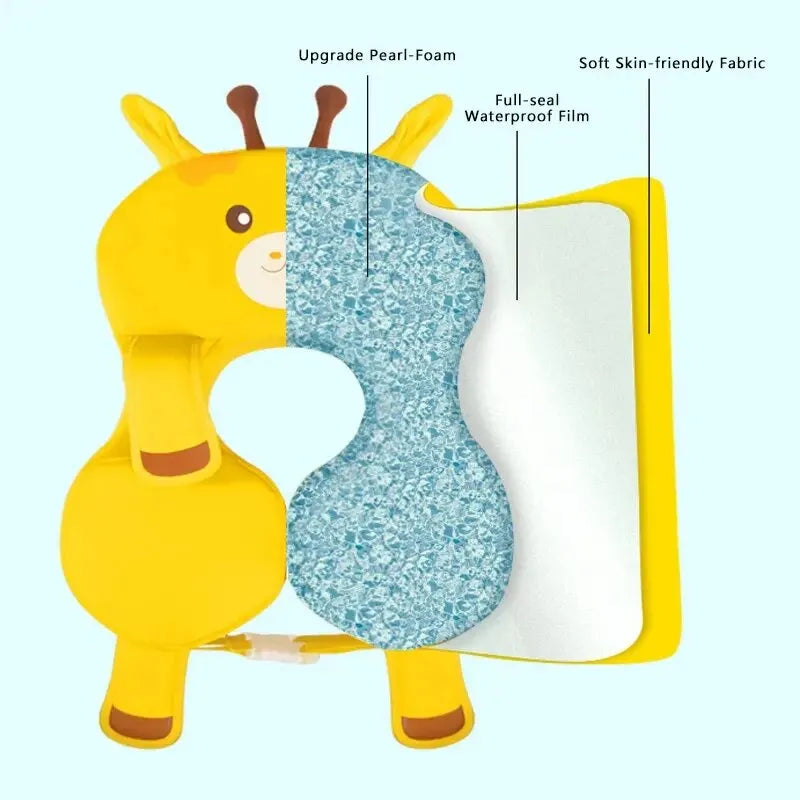
Proper positioning and close supervision are key parts of baby swim float safety
Common Baby Pool Float Mistakes to Avoid
Many water safety problems happen when parents rely too much on flotation products. Avoid these common mistakes:
- Leaving a baby unattended: A float is never a substitute for direct supervision.
- Using the wrong size: A float that is too large or too small can affect stability.
- Relying on floats for swimming: Floats support play but do not teach swimming skills.
- Ignoring weight limits: Exceeding recommendations can reduce safety and comfort.
Following proper baby float safety tips helps create positive experiences while reducing unnecessary risks.
A Practical Baby Pool Float Option for Early Water Play
Parents looking for a simple option for supervised water activities can consider the baby swimming pool float . Designed for early water experiences, it provides supportive buoyancy while allowing babies to enjoy gentle movement in the pool.
- Comfortable materials designed for baby use
- Supportive structure for more stable floating
- Lightweight design for storage and travel
- Open visibility so parents can monitor baby easily
Families can also combine pool routines with helpful resources such as Baby Bath Accessories to create comfortable water-related habits.
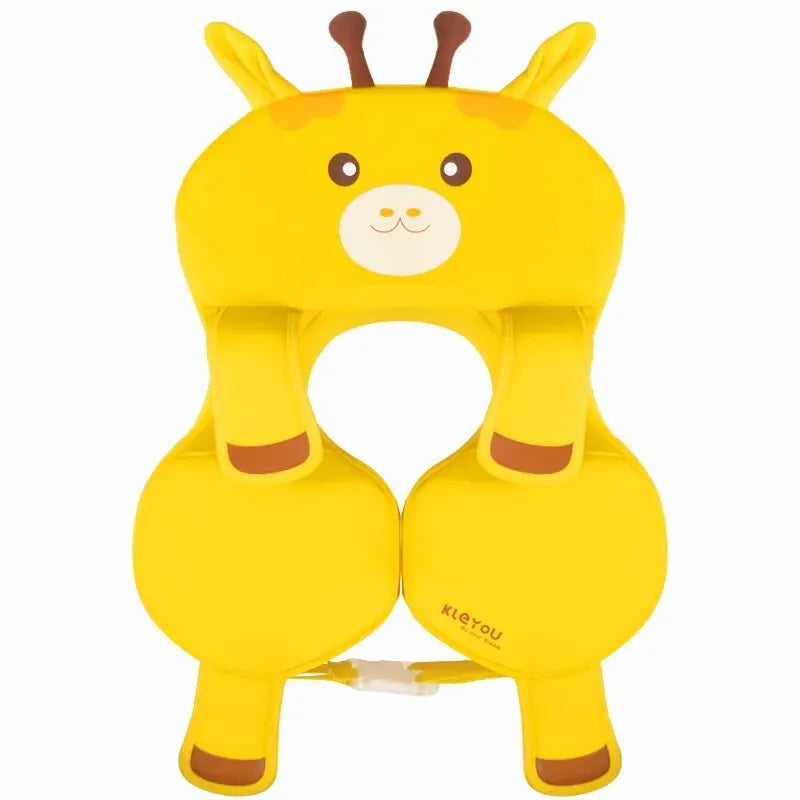
Choosing an age-appropriate baby pool float helps make early water play more comfortable
Ready to explore calmer pool moments? Learn how the baby swimming pool float can support supervised family water activities.
Frequently Asked Questions
What age is suitable for using a baby pool float?
Many baby pool floats are designed for babies around 3–12 months, but readiness depends on head control, weight limits, and comfort in water. Always follow manufacturer recommendations and supervise closely.
How do I choose a safe pool float for my baby?
Choose a baby pool float based on age, weight, fit, support level, and material quality. The float should keep baby positioned comfortably without replacing active supervision.
Can newborns use baby pool floats?
Most newborns are not ready for standard baby pool floats because they usually lack the head and neck control needed for safe positioning. Parents should wait until developmental readiness improves unless a product specifically states otherwise.
Are baby pool floats safe for everyday use?
Baby pool floats can be used regularly during supervised water play, but sessions should remain short and comfortable. Always check the baby’s mood, temperature, and energy level.
Do I choose a baby pool float by age or weight?
Both matter. Age recommendations provide general guidance, while weight limits and proper fit are essential for safe positioning.
Can a baby pool float replace a life jacket?
No. A baby pool float is designed for supported water play and is not a replacement for approved flotation devices or safety equipment.
What type of baby float is best for a first pool visit?
A stable seat-style float with proper support is often preferred for first experiences because it helps babies remain comfortable while parents maintain close supervision.
How long should a baby stay in a pool float?
Short sessions of around 10–15 minutes are often a good starting point. End the activity if your baby becomes cold, tired, uncomfortable, or distressed.
Can premature babies use pool floats?
Premature babies may have different developmental timelines, so parents should consider corrected age, physical readiness, and guidance from healthcare professionals before using a pool float.
Can babies use pool floats in saltwater or inflatable pools?
Yes, some baby pool floats can be used in different pool environments, but parents should check product instructions and ensure the water conditions are safe and comfortable.
Should babies wear swim diapers with a pool float?
Many pools require swim diapers for infants. Parents should follow local pool rules and choose swim diapers designed for water use.
Can a baby pool float replace swim lessons or life jackets?
No. Floats support supervised play but do not teach water survival skills or replace proper swim education and safety equipment.
What should I do if my baby dislikes the pool float?
Remove the baby from the float, provide comfort, and try gradual water exposure another time. A positive experience is more important than forcing early participation.





