

Scooter for 4 Year Olds: 9 Parent-Approved Picks That Last
Does a scooter for 4 year olds really help build confidence and coordination?
A scooter for 4 year olds can support early balance, coordination, and active play when the design matches a child’s size and ability. The best scooter for preschooler development combines stability, comfortable controls, and age-appropriate features that help young riders learn safely while enjoying outdoor movement.
Choosing the right scooter for your 4-year-old requires more than picking a fun design. Parents need to consider handlebar height, wheel setup, weight capacity, and overall stability to find a model that feels comfortable and easy to control. This guide explains what features matter most when selecting a scooter for 4 year olds, from beginner-friendly designs to important buying considerations.
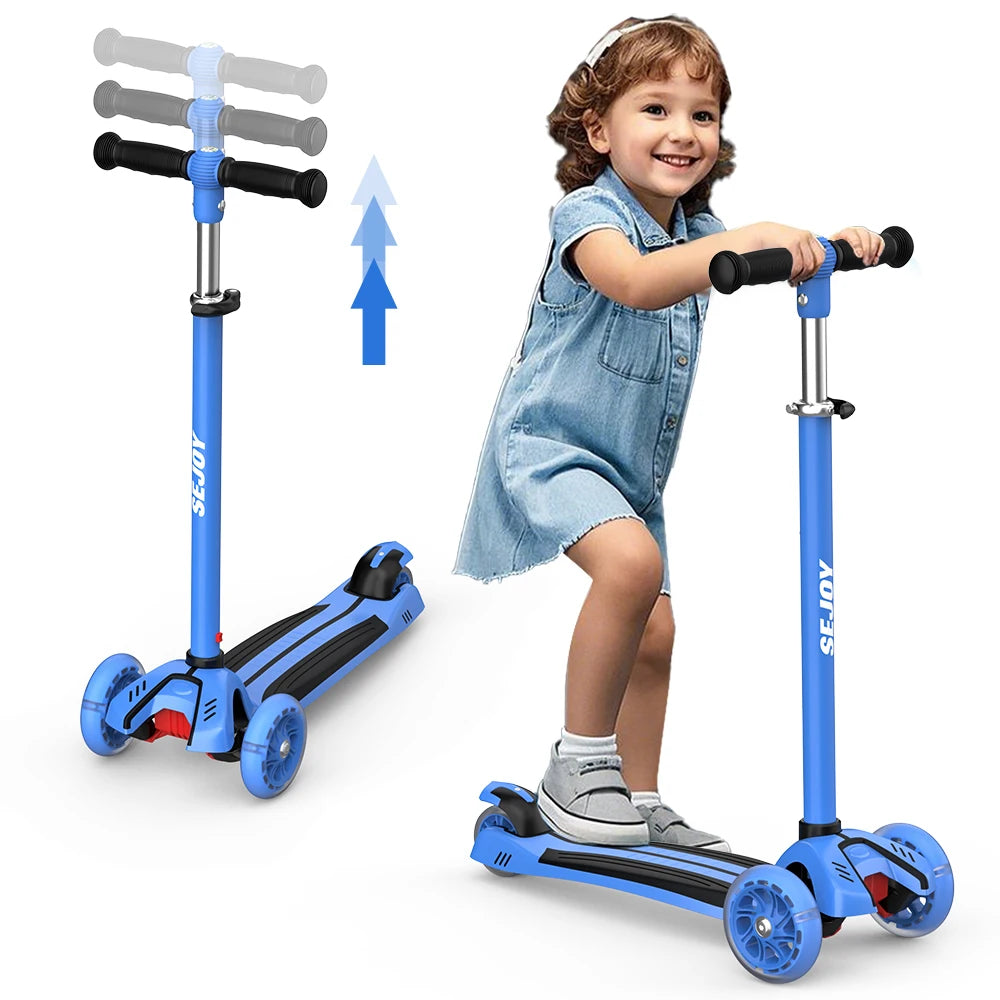
Scooter for 4 year olds – Check the best scooter for preschooler and learn scooter balance tips
Why Choosing the Right Scooter Matters
The right scooter for 4 year olds should match your child’s height, confidence level, and riding experience. A scooter that is too large or difficult to control can make learning frustrating, while a stable and properly sized model helps children develop better control from the beginning.
- Provides a more comfortable riding experience with the right size and weight.
- Supports early balance and coordination practice through everyday play.
- Encourages active outdoor movement for preschool-aged children.
- Helps parents choose a safer option based on stability and construction.
Best Scooter Options for 4 Year Olds
The best scooter for 4 year olds should balance stability, comfort, and long-term usability. Preschool riders usually benefit from lightweight frames, easy steering systems, adjustable handlebars, and wheels designed for smooth control. The right choice depends on your child’s experience level, riding environment, and confidence with balance.
| Scooter Type | Best For | Key Features | Considerations |
|---|---|---|---|
| Three-Wheel Scooter | Beginners and younger preschool riders | Extra stability, wider base, easier balance control | May feel less challenging as riding skills improve |
| Two-Wheel Scooter | Children with stronger balance skills | More maneuverability, faster movement, advanced riding control | Requires more coordination and practice |
| Adjustable Scooter | Growing children who need flexible sizing | Adjustable handlebars, longer usable lifespan, customizable fit | Some models may have a slightly higher price |
For a practical everyday option, consider this scooter for 4 year olds with adjustable handlebars and LED wheels. Its adjustable design helps accommodate growing preschool riders while adding visibility and fun during outdoor play.
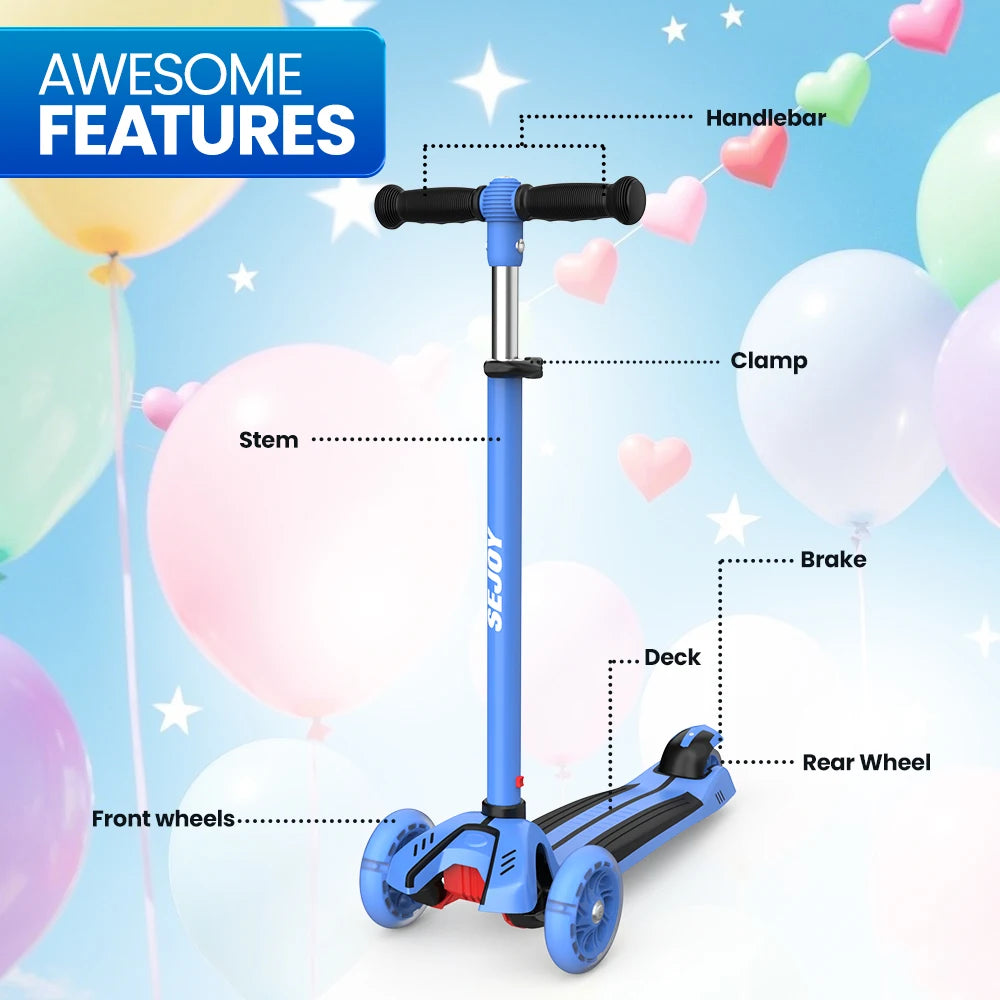
Discover the best scooter for preschooler with scooter balance tips – Try it today!
Scooter Balance Tips for Preschoolers
Learning to ride a scooter takes practice, and the right approach can make the first experiences easier for young children. These scooter balance tips for kids help parents guide beginners through basic riding skills without unnecessary frustration.
Starting With a Three-Wheel Scooter
A three-wheel scooter is often a good starting point for a toddler scooter age 4 because it provides extra stability while children learn how to stand, push, and steer. The wider wheel base allows beginners to focus on movement and control before progressing to more advanced riding styles.
- Choose a flat, open practice area with plenty of space.
- Let your child become familiar with standing on the deck before moving.
- Practice short rides instead of long sessions to prevent fatigue.
Teaching Turning and Braking
Turning and stopping are important skills for safe scooter riding. Encourage children to make gentle turns by shifting their body weight and using controlled movements rather than making sudden steering changes. Practice using the rear brake slowly so they learn how to stop confidently.
- Start with wide turns before practicing tighter corners.
- Teach children to slow down before turning.
- Practice braking at different speeds in a safe area.
Practice Tips for New Riders
Short, consistent practice sessions are usually more effective than long rides for beginners. Allow your child to progress at their own pace and focus on mastering one skill at a time, such as pushing, balancing, turning, or stopping.
- Begin with a few minutes of practice on smooth surfaces.
- Encourage steady pushing and controlled movement.
- Gradually increase riding distance as skills improve.
- Celebrate progress while keeping practice relaxed and enjoyable.
Essential Scooter Safety Tips for Kids
Scooter safety for kids depends on the right protective equipment, safe riding habits, and regular scooter checks. Creating a safe riding routine helps preschoolers enjoy their scooter while reducing common risks during outdoor play.
Protective Gear Checklist
Proper protective gear should be used every time a child rides a scooter, even during short practice sessions. The right equipment helps protect young riders while they learn balance, turning, and braking skills.
- Use a properly fitted helmet that sits securely and comfortably.
- Add elbow and knee pads for extra protection during beginner rides.
- Choose closed-toe shoes with good grip to improve foot control.
- Make sure clothing does not interfere with wheels or scooter movement.
Safe Riding Areas
The riding environment plays an important role in scooter safety. Beginners should practice in areas with smooth surfaces, limited obstacles, and enough space to control speed and direction.
- Start on flat sidewalks, driveways, or playground areas away from traffic.
- Avoid wet, uneven, or slippery surfaces that may affect stability.
- Supervise young riders, especially near roads, parking areas, and crowded spaces.
- Teach children to slow down when approaching turns, people, or obstacles.
Scooter Maintenance Basics
Regular inspections help keep a scooter for 4 year olds safe and comfortable to use. Parents should check important parts before rides, especially when the scooter is used frequently outdoors.
- Inspect wheels for wear, cracks, or loose parts.
- Check that handlebars are secure and adjusted to the correct height.
- Make sure the deck is stable and the surface provides enough grip.
- Test the brake function before allowing longer rides.
For additional protective gear recommendations, visit Health & Safety.
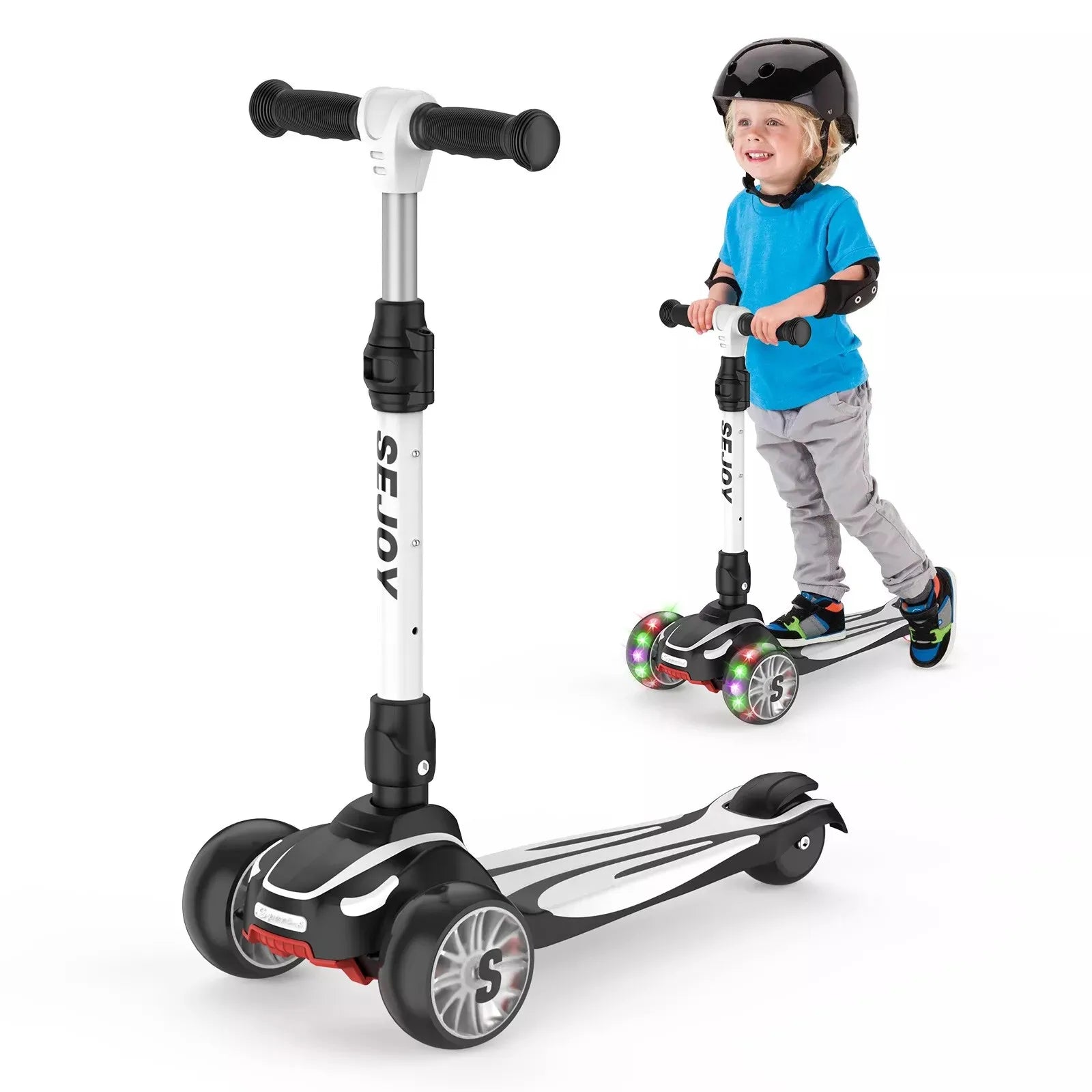
See how the best scooter for preschooler and scooter safety tips work together – ready for action!
Mini FAQ
What is the best scooter for a 4 year old?
The best scooter for a 4 year old depends on the child’s balance skills, height, and riding experience. For most preschool beginners, a lightweight three-wheel scooter with adjustable handlebars provides easier control and a stable base. An adjustable model can also grow with your child as their riding skills improve.
Can a 4 year old ride a scooter safely?
Yes, a 4 year old can use a scooter safely when the scooter size matches their ability and proper safety habits are followed. Children should wear a helmet, ride in suitable areas, and have adult supervision during outdoor practice, especially when learning to steer and brake.
Is a 3-wheel scooter better for a 4 year old?
A three-wheel scooter is often a good choice for beginners because it offers more stability than a two-wheel design. The wider base helps young riders learn basic control before moving to a more advanced scooter. However, children with stronger balance skills may prefer a two-wheel scooter as they gain experience.
What size scooter should a 4 year old use?
A scooter for 4 year olds should have handlebars that allow comfortable control without requiring the child to stretch or hunch over. Adjustable handlebars are useful because they can accommodate growth and provide a better fit over time. Always check the manufacturer’s recommended age range and weight limit before purchasing.
Are scooters good for preschoolers?
Yes, scooters can be a suitable outdoor activity for preschoolers when they use an age-appropriate model. Riding helps children practice balance, steering, and coordination while encouraging active play. Choosing a stable scooter with child-friendly features makes the experience easier and more enjoyable for beginners.
What safety gear does a child need for scootering?
Essential scooter safety gear includes a properly fitted helmet, knee pads, elbow pads, and supportive shoes with good grip. Parents should also check that the scooter has reliable brakes, a stable deck, and secure wheels before each ride.





