

How to Encourage Imaginative Play at Home Step by Step
How can parents encourage imaginative play at home?
How to encourage imaginative play starts with creating flexible spaces, offering open-ended toys, and letting children lead their own stories. Simple setups like jeux miniature scenes, switching between 1 story house styles, or adding a 2 story villa layout help children build longer attention, richer storytelling, and stronger creativity through daily play.
How to Encourage Imaginative Play at Home Step by Step
⏱ 8 min read
How to encourage imaginative play is one of the most common questions parents ask when kids seem bored, restless, or glued to screens. The good news? You don’t need elaborate schedules or pricey toys. With thoughtful setup, simple routines, and the right play environment, imagination naturally takes over—and children surprise you with what they create.
Which simple change sparks longer, deeper play? Many parents are surprised by how fast imagination grows when children feel free, safe, and unhurried.
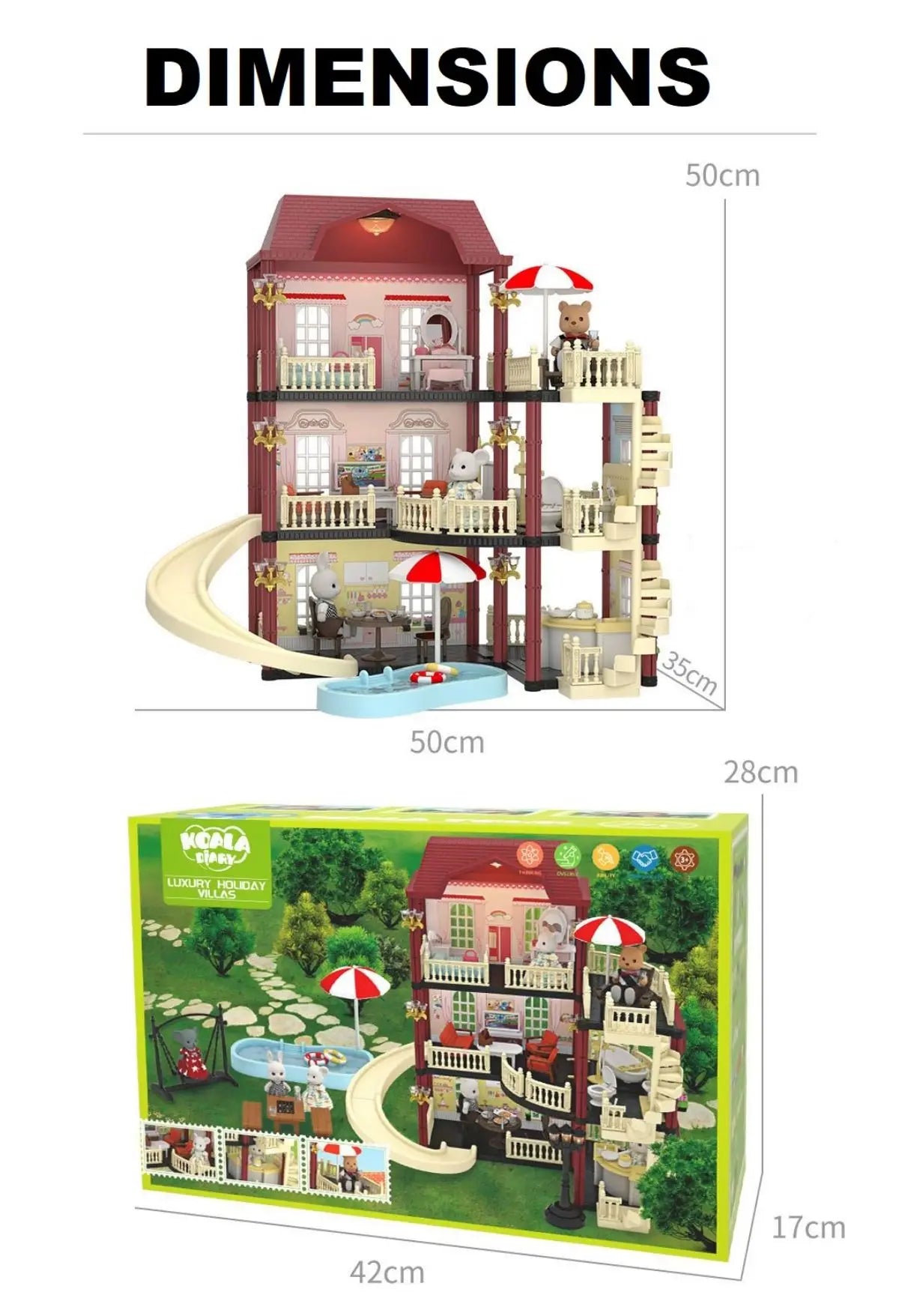
How to encourage imaginative play using jeux miniature and flexible home setups 💡 See it in action
Why Imaginative Play Matters More Than Ever
Imaginative play is how children process emotions, practice communication, and make sense of the world. When kids invent stories, assign roles, and build pretend spaces, they develop problem-solving skills and emotional resilience naturally.
Studies consistently show children who engage in pretend play demonstrate longer focus spans and stronger social understanding. This is especially important during early childhood when brains grow fastest.
Collections like Baby Growth & Learning often emphasize open-ended play because it supports both cognitive and emotional development without pressure.
What Stops Kids From Playing Imaginatively
If your child says “I’m bored,” it’s often not a lack of toys—it’s too many rules or too much structure.
- Overstimulating toys that dictate play
- Constant adult direction
- Lack of defined but flexible play zones
- Frequent interruptions or rushed schedules
Reducing clutter and offering fewer, more versatile items often leads to richer play sessions.
How to Encourage Imaginative Play Step by Step
How to encourage imaginative play works best when adults guide the environment—not the story. Children thrive when they feel ownership over play.
- Start with open-ended materials: Figures, blocks, and miniature houses adapt to any storyline.
- Create a predictable play window: Consistent daily time builds anticipation.
- Let children lead: Resist correcting or steering the narrative.
- Rotate setups weekly: Small changes refresh interest without buying more toys.
Parents often find imaginative play increases naturally when paired with calming routines supported by Sleep & Comfort products that reduce overstimulation before playtime.
How to Set Up Inviting Play Spaces at Home
Play spaces don’t need to be large. A corner, shelf, or rug works perfectly when thoughtfully arranged.
- Use low shelves so children can access items independently
- Group toys by theme, not category
- Leave space for spreading out scenes
- Use neutral backgrounds to highlight play pieces
Many families pair play areas with sensory calming tools from Sensory Toys to help kids transition into deeper focus.
Using Jeux Miniature, 1 Story House Styles, and 2 Story Villa
How to encourage imaginative play becomes easier when children can visualize stories. Miniature houses provide a physical anchor for storytelling.
Jeux miniature encourage role-play by letting children recreate everyday life or invent fantasy worlds. A 1 story house style supports simple narratives, while a 2 story villa invites complex storytelling with multiple characters.
- Use a 1 story house style for routines like meals or bedtime
- Introduce a 2 story villa for adventures, guests, or problem-solving stories
- Mix figures, furniture, and animals for endless variation
Many parents find a centerpiece like the miniature dollhouse princess castle naturally draws children into longer, more creative play sessions.
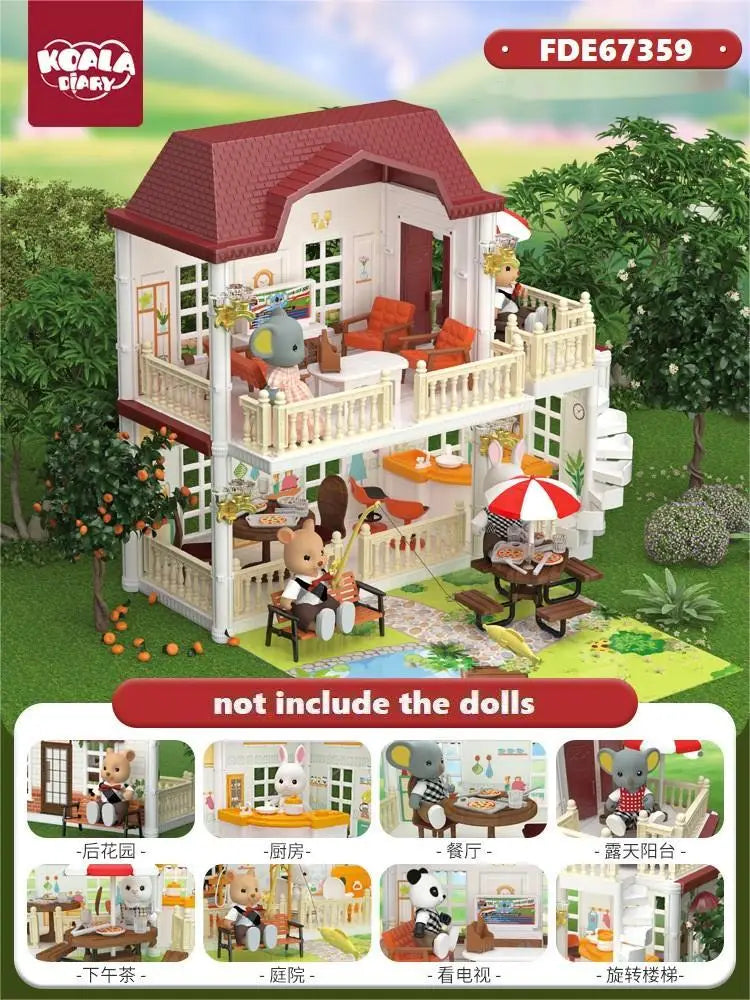
Jeux miniature scenes using 1 story house styles and a 2 story villa 💡 See it in action
Imaginative Play Ideas by Age
Toddlers (1–3 Years)
Toddlers enjoy simple cause-and-effect play. Keep setups minimal and repeatable.
- Opening doors and windows
- Moving figures between rooms
- Matching animals to spaces
Preschoolers (3–5 Years)
Storytelling becomes more detailed. This is when jeux miniature shine.
- Family routines
- Pretend visitors or trips
- Simple problem-solving scenarios
Early Elementary (5–7 Years)
Children create layered narratives with rules and consequences.
- Multi-day storylines
- Combining houses with vehicles or blocks
- Collaborative play with siblings
Supporting healthy routines alongside play is easier when families explore Baby Care Essentials designed to simplify daily transitions.
Creating Safe, Calm Play Environments
Imagination thrives when children feel secure. Safety and comfort reduce distractions and interruptions.
- Choose sturdy, child-safe materials
- Keep small parts age-appropriate
- Maintain clear boundaries for play areas
- Use soft lighting and minimal noise
Many parents pair play routines with wellness-focused support from Health & Safety collections to maintain peace of mind.
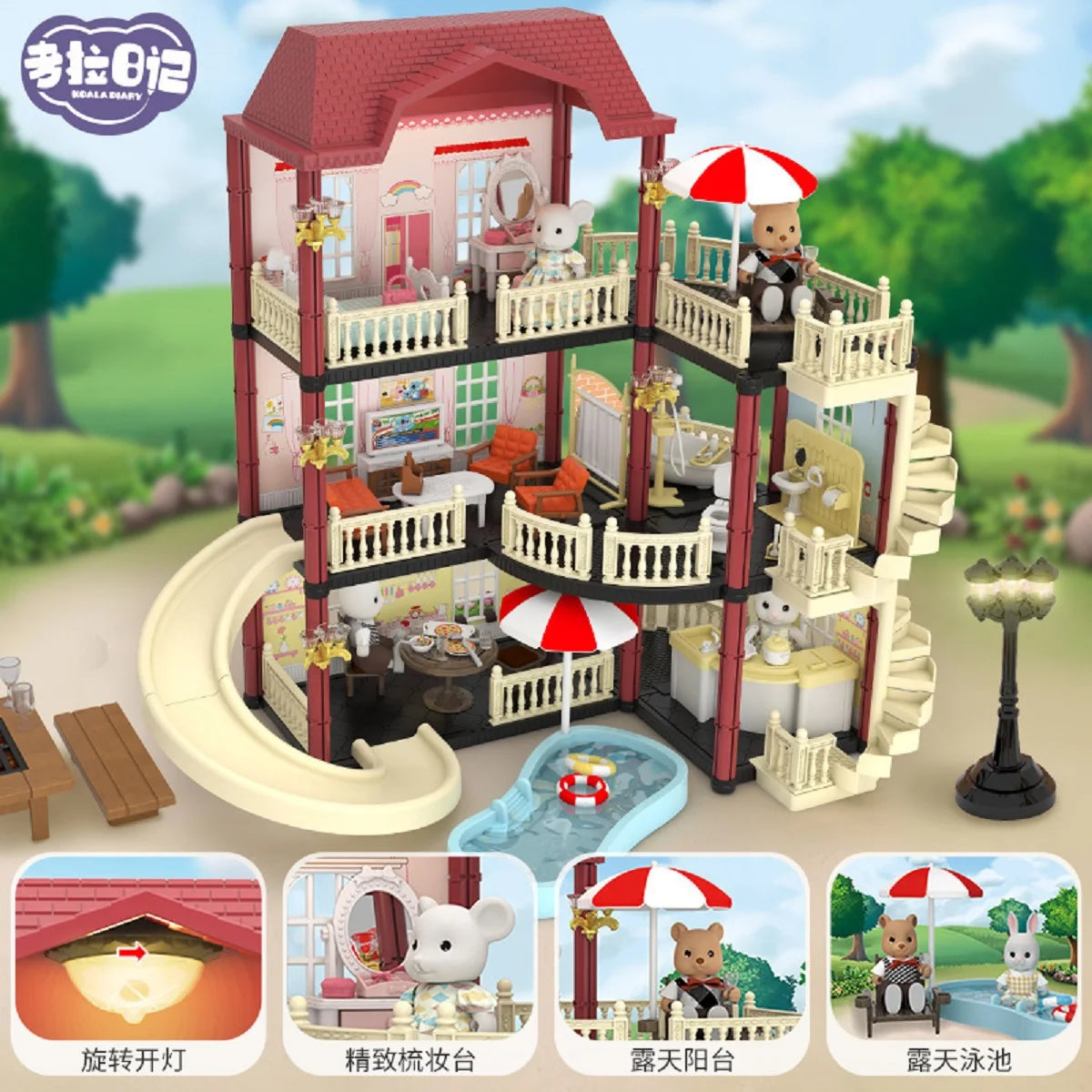
How to encourage imaginative play at home with a 2 story villa setup 💡 See it in action
Frequently Asked Questions
How much time should kids spend in imaginative play?
Most children benefit from at least 30–60 minutes of uninterrupted imaginative play daily. Shorter sessions are fine for toddlers, while older kids often play for hours when deeply engaged.
Do kids need adults to participate?
Not usually. Children often play more creatively when adults observe rather than direct. Gentle prompts can help start play, but stepping back allows imagination to flourish.
What if my child loses interest quickly?
Rotate play setups, simplify choices, and ensure playtime isn’t rushed. Small changes, like rearranging a miniature house layout, often reignite interest.
Are miniature houses suitable for shared play?
Yes. Jeux miniature, especially 2 story villa designs, naturally support cooperative storytelling and turn-taking among siblings or friends.





