

How to Encourage Imaginative Play Indoors Without Screens
How can parents encourage imaginative play indoors without screens?
How to encourage imaginative play starts with open-ended spaces, simple props, and stepping back so kids can lead. By setting up flexible play zones, rotating materials, and supporting pretend play for 5 year olds with minimal direction, parents can spark longer, deeper screen-free play that builds creativity, focus, and confidence.
⏱ 7 min read
How to Encourage Imaginative Play Indoors Without Screens
How to encourage imaginative play at home doesn’t require fancy toys or constant supervision—it’s about creating the right environment. From simple setups that spark pretend play for 5 year olds to clever playroom ideas basement spaces can easily support, screen-free creativity is closer than you think. Research shows kids play longer and deeper when adults step back and spaces invite storytelling. Ready to unlock hours of focused, joyful play without a tablet in sight?
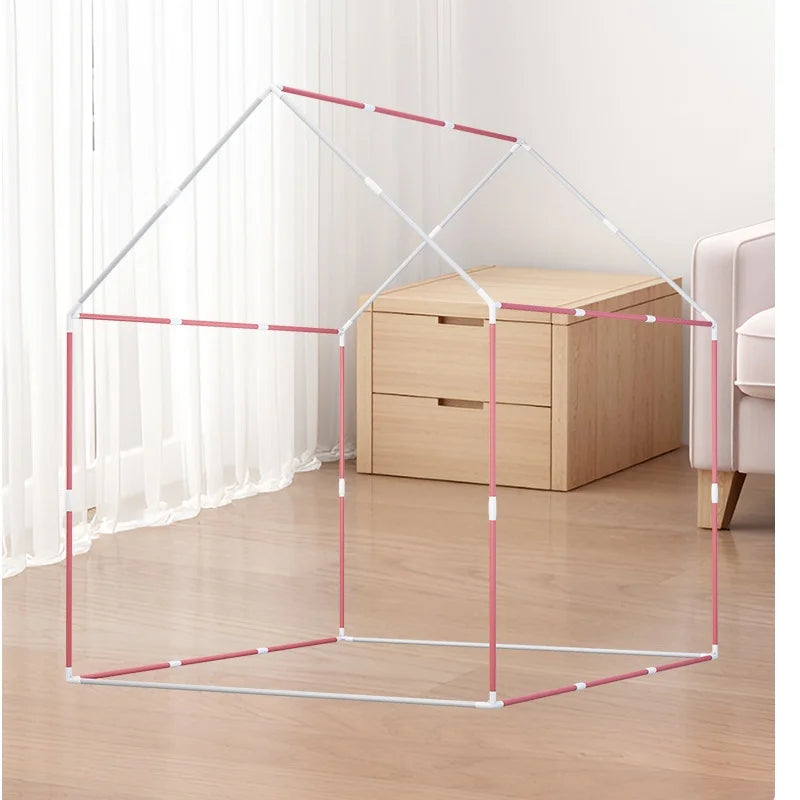
How to encourage imaginative play indoors starts with a cozy, flexible setup 💡 See it in action
Why Imaginative Play Matters More Than Ever
Many parents notice the same pattern: boredom hits fast, kids ask for screens, and independent play feels shorter every year. Imaginative play offers a powerful counterbalance. It supports language growth, emotional regulation, problem-solving, and social skills—all while kids think they’re “just playing.”
When children create stories, assign roles, and build worlds, they practice real-life skills in a low-pressure way. This kind of play is especially important indoors, where space may be limited and routines feel repetitive.
- Builds attention span and patience
- Encourages emotional expression
- Strengthens independence and confidence
- Supports creativity without overstimulation
Families exploring resources in Baby Growth & Learning often notice that open-ended play tools outperform electronic toys when it comes to long-term engagement.
How to Encourage Imaginative Play at Home
How to encourage imaginative play works best when the environment does most of the work. Instead of directing play, parents can shape spaces and routines that invite creativity naturally.
Start with these core principles:
- Reduce visual clutter so ideas stand out
- Offer open-ended materials instead of single-use toys
- Keep play accessible without adult help
- Allow uninterrupted time for stories to unfold
Parents often ask, “Do I need to entertain my child?” The answer is no. Kids play longer when adults step back. Your role is to set the stage, not write the script.
Pretend Play for 5 Year Olds: What Actually Works
Pretend play for 5 year olds thrives on familiarity mixed with freedom. At this age, kids love acting out real-life scenes—homes, shops, castles, rescue missions—while adding their own twists.
Successful pretend play setups usually include:
- Soft boundaries (tents, rugs, low shelves)
- Props that can become many things
- Simple costumes or fabric pieces
- Space to move, build, and rearrange
Rather than themed toys that dictate the story, flexible tools let kids decide who they are today. Many parents browsing Sensory Toys notice that texture-rich, neutral items inspire more storytelling than flashy gadgets.
Playroom Ideas Basement Spaces Can Use
Playroom ideas basement areas often start with one challenge: how to make a large, blank space feel inviting. The solution is to break the room into smaller “worlds” that feel cozy and purposeful.
Try dividing the space into zones:
- A quiet corner for reading or drawing
- An open area for movement and building
- A pretend-play nook with soft walls
Lighting matters more than many parents expect. Warm lamps, string lights, or natural light near windows instantly make basement playrooms feel safer and more magical.
Families often pair these setups with calming items from Sleep & Comfort to help children transition smoothly between active play and rest.
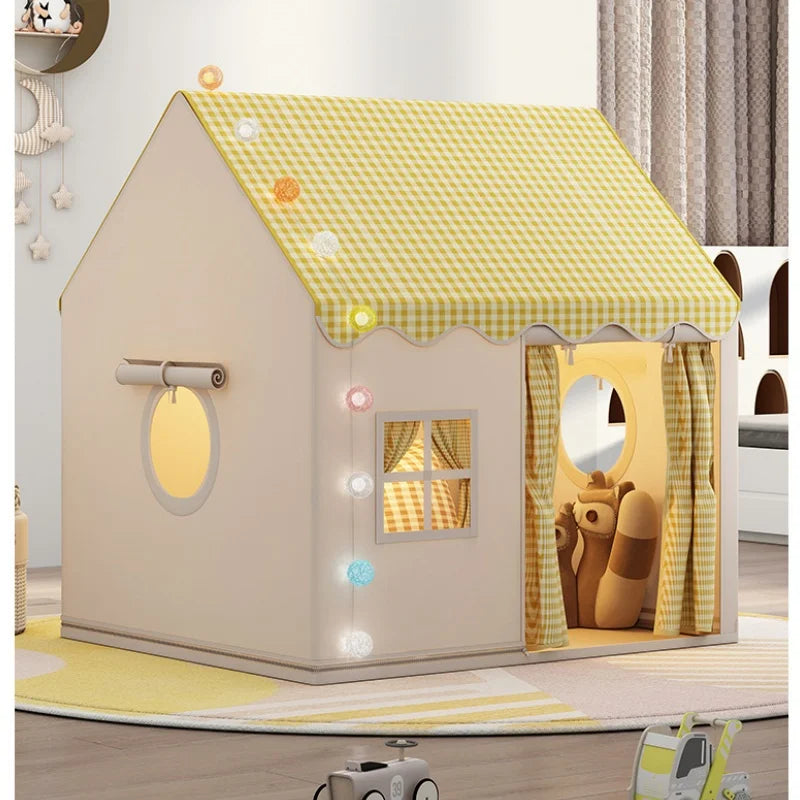
Pretend play for 5 year olds thrives in cozy, flexible spaces 💡 See it in action
Why Stepping Back Helps Kids Play Longer
One surprising fact: kids often stop playing when adults intervene too quickly. Questions like “What are you making?” or “Why don’t you try this?” can unintentionally interrupt their flow.
Instead, try these supportive habits:
- Observe quietly before joining
- Comment on effort, not outcome
- Let small frustrations resolve naturally
- Protect playtime from interruptions
Parents report that when they step back, play sessions double in length. This independence is a key reason many families prioritize open-ended environments found in Baby Growth & Learning Tips.
Using Simple Props to Spark Big Stories
Imagination loves simplicity. Cardboard boxes become cars, castles, or rockets. Fabric turns into capes, rivers, or secret doors. These everyday items invite creativity without telling kids what to do.
Effective prop ideas include:
- Scarves, blankets, and cushions
- Wooden blocks or foam shapes
- Child-safe household items
- Neutral tents or playhouses
When paired with movement-friendly items from Mobility & Training, kids naturally blend physical activity with storytelling.
A Simple Indoor Setup Kids Love
Parents looking for an easy starting point often choose a dedicated pretend-play structure. A soft-sided indoor tent creates instant boundaries while remaining flexible enough for endless stories.
Unlike rigid playhouses, a tent can be:
- A castle one day, a store the next
- Moved or folded when not in use
- Shared by siblings or friends
- Paired with pillows, lights, and costumes
Many families integrate a favorite option like the kids play tent princess castle into their playroom ideas basement layouts because it grows with the child’s imagination.
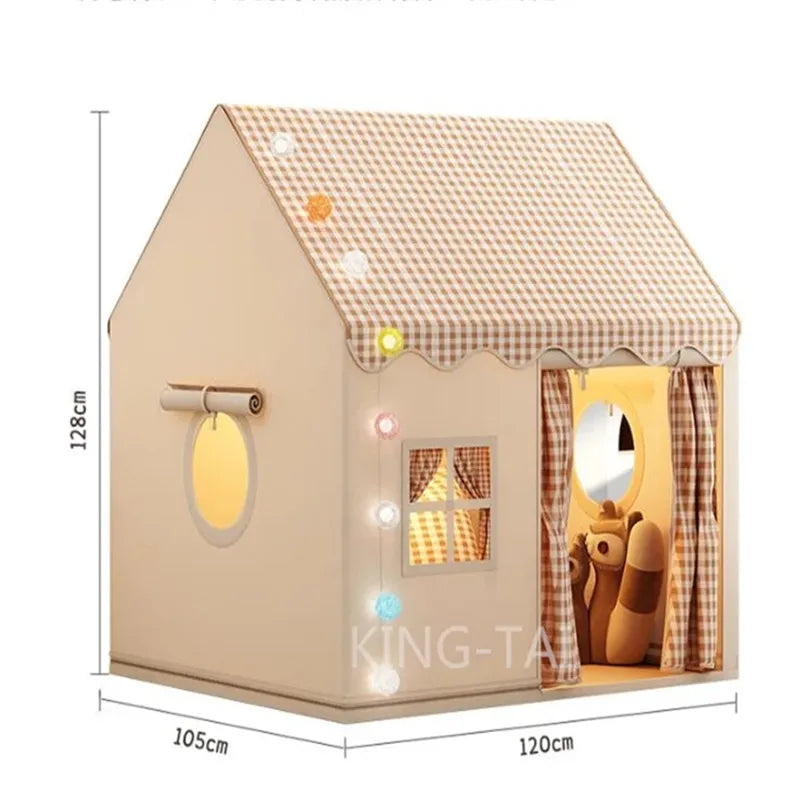
How to encourage imaginative play with a simple indoor tent 💡 See it in action
Frequently Asked Questions
How much time should kids spend in imaginative play each day?
Most child development experts suggest at least 30–60 minutes of uninterrupted imaginative play daily. Quality matters more than quantity—longer sessions often happen when kids aren’t rushed or redirected.
What if my child says they’re bored?
Boredom is often the doorway to creativity. Give your child time to adjust without offering screens or solutions right away. Many kids begin inventing games within minutes.
Can imaginative play really replace screen time?
While screens have their place, imaginative play fulfills different needs. It supports emotional growth, creativity, and independence in ways passive entertainment cannot.
Do I need a separate playroom?
No. Even a corner of a living room or basement can work. The key is consistency and access—kids should know the space is theirs to explore freely.





