

How to Encourage Pretend Play at Home With Simple Dollhouse Setups
How can parents encourage pretend play at home?
How to encourage pretend play starts with simple, inviting setups that spark curiosity and storytelling. By creating small scenes with everyday objects and miniature dollhouse furniture sets, parents can inspire imaginative play activities for preschoolers while supporting language, empathy, and problem-solving—making the benefits of pretend play part of daily life.
How to Encourage Pretend Play at Home With Simple Dollhouse Setups
⏱ 8 min read
Wondering how to encourage pretend play when your child seems bored, distracted, or glued to screens? You’re not alone. Many parents want more meaningful play at home but feel overwhelmed by toy choices or unsure how to get started. The good news: pretend play doesn’t need expensive toys or lots of space—just thoughtful setups that invite imagination.
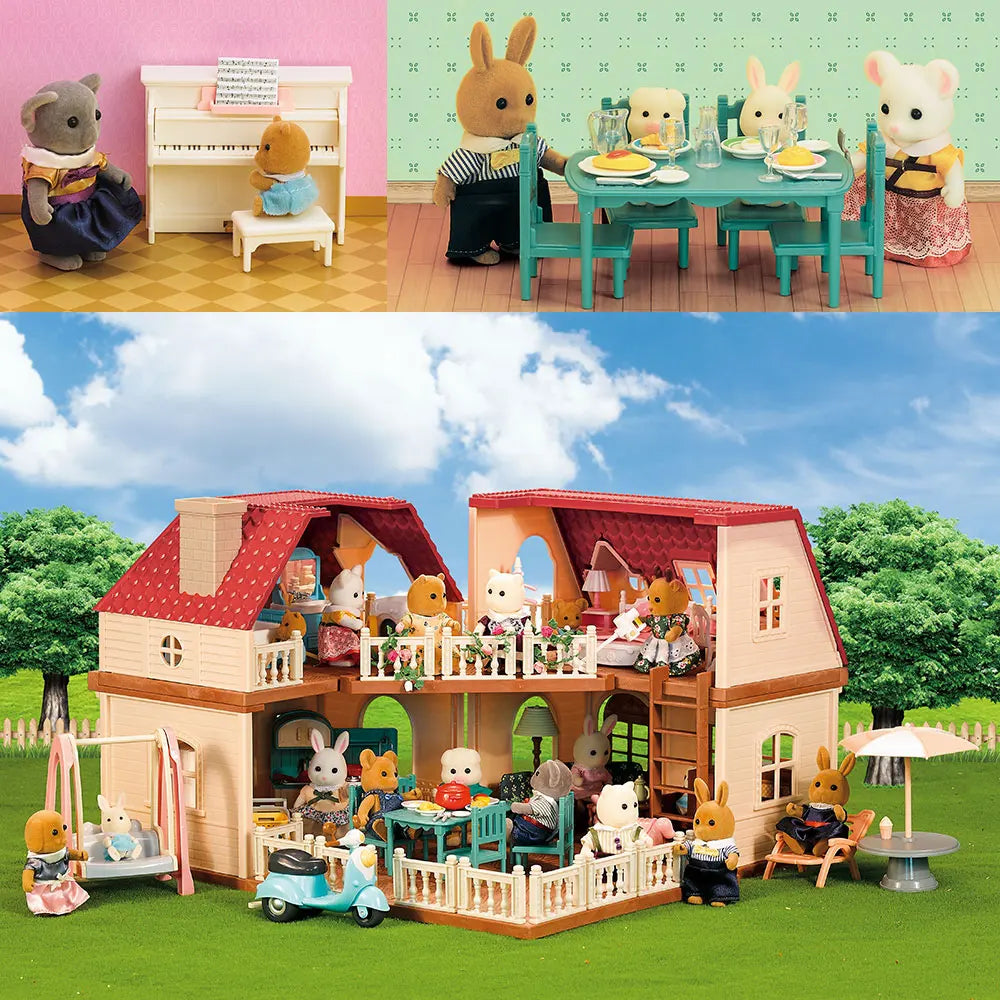
Simple dollhouse scenes show how to encourage pretend play and inspire imaginative play activities for preschoolers 💡 See it in action
Why Pretend Play Matters for Preschoolers
The benefits of pretend play go far beyond keeping kids busy. When children act out stories, they practice communication, emotional understanding, and creative thinking. Pretend play gives them a safe space to explore real-life situations—like family routines or friendships—at their own pace.
- Builds language and storytelling skills
- Encourages empathy and social understanding
- Strengthens problem-solving and flexibility
- Supports emotional regulation and confidence
Many parents notice calmer behavior and longer attention spans when imaginative play activities for preschoolers become part of daily routines.
Simple Dollhouse Setups That Spark Imagination
How to encourage pretend play doesn’t mean directing every move. The goal is to set the stage, then step back. A small table, shelf, or floor mat can become an entire world with the right arrangement.
Keep Scenes Open-Ended
Avoid overloading the space. A few well-chosen pieces allow kids to decide what happens next. Open-ended layouts invite creativity instead of limiting it.
Rotate, Don’t Replace
Instead of buying new toys, rotate furniture and figures every few weeks. Familiar items feel new again and spark fresh stories.
How to Encourage Pretend Play at Home: Step-by-Step
How to encourage pretend play works best when you follow a simple process that fits your home and child’s interests.
- Choose a small, consistent space – a corner or low shelf works well.
- Add miniature dollhouse furniture sets that reflect everyday life.
- Include familiar figures like family members or animals.
- Introduce a simple prompt (“Who lives here?”) and let your child lead.
That’s it. No scripts, no rules—just an invitation to imagine.
Everyday Scenarios Kids Love to Act Out
Children naturally gravitate toward scenes they recognize. These scenarios make pretend play feel meaningful and relatable.
- Morning routines like breakfast or getting ready
- Family dinners and celebrations
- Nature walks, camping, or animal care
- Bedtime rituals and quiet moments
Using miniature dollhouse furniture sets helps children replay these moments, process emotions, and experiment with choices.
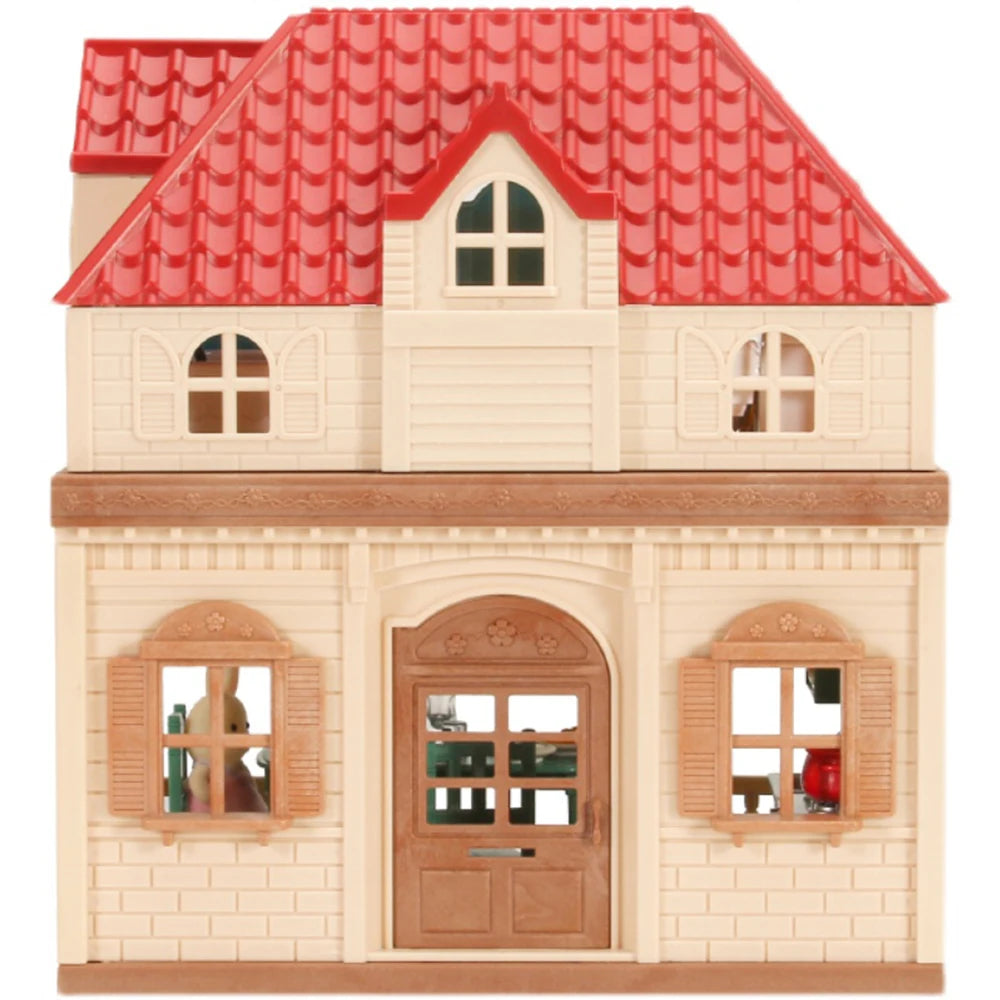
Mid-play scenes highlight the benefits of pretend play and encourage imaginative play activities for preschoolers 💡 See it in action
Choosing Miniature Dollhouse Furniture Sets That Last
The right furniture makes pretend play smoother and safer. Look for pieces that are sturdy, simple, and sized for small hands.
| Feature | Why It Matters |
|---|---|
| Durable materials | Withstands daily play and reduces frustration |
| Neutral designs | Encourages open-ended storytelling |
| Safe edges | Supports worry-free playtime |
Quality miniature dollhouse furniture sets become long-term tools for learning, not just toys.
Long-Term Benefits of Pretend Play at Home
The benefits of pretend play grow over time. Parents often notice stronger communication, improved cooperation, and deeper focus. These skills support preschool learning and make transitions—like starting school—feel less stressful.
Many families pair imaginative play with items from Baby Growth & Learning to create a balanced environment that supports both creativity and development.
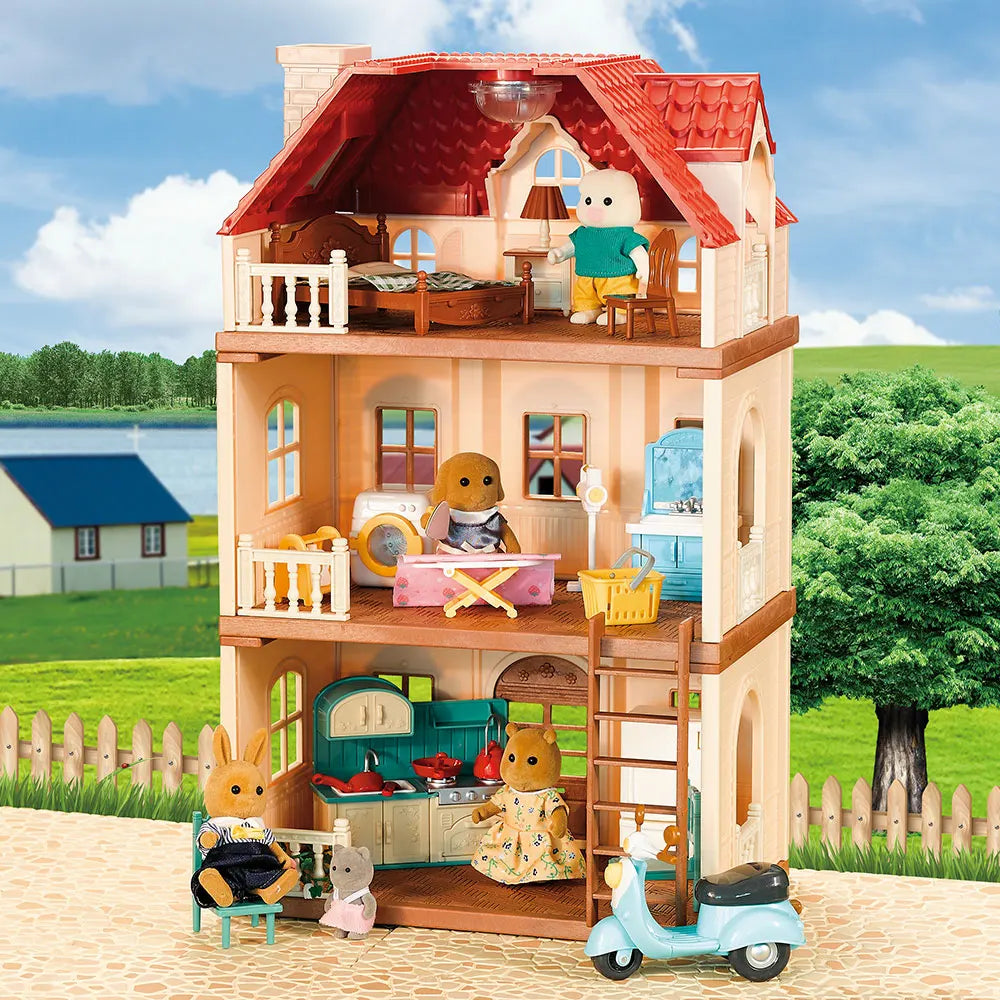
A finished setup shows how to encourage pretend play using miniature dollhouse furniture sets 💡 See it in action
Mini FAQ
How much time should kids spend in pretend play?
Most preschoolers benefit from at least 30–60 minutes of imaginative play daily, broken into short sessions.
Do parents need to join the play?
Not always. Gentle prompts help at first, but independent play builds confidence and creativity.
What if my child loses interest quickly?
Try rotating scenes or adding one new element. Small changes often reignite curiosity.





