

How to fly a kites easy to fly kite kite stability
How do you fly a kites for the first time?
How to fly a kites starts with choosing an easy to fly kite, setting it up correctly, and launching in steady wind. A simple single line design improves kite stability, reduces crashes, and helps beginners get airborne quickly with less effort and more control.
⏱ 7 min read
How to Fly a Kites: Step-by-Step Setup and First Launch
Have you ever watched a kite dip, spin, and crash just seconds after launch? If you’ve tried before and felt frustrated, you’re not alone. Learning how to fly a kites doesn’t require strength or experience—it requires the right setup, calm timing, and a design that forgives small mistakes. This guide walks you through everything, step by step, so your first successful flight feels smooth and confidence-boosting.
Which kite setup works best for beginners who just want an easy, joyful first flight? Keep reading—you’re closer than you think.
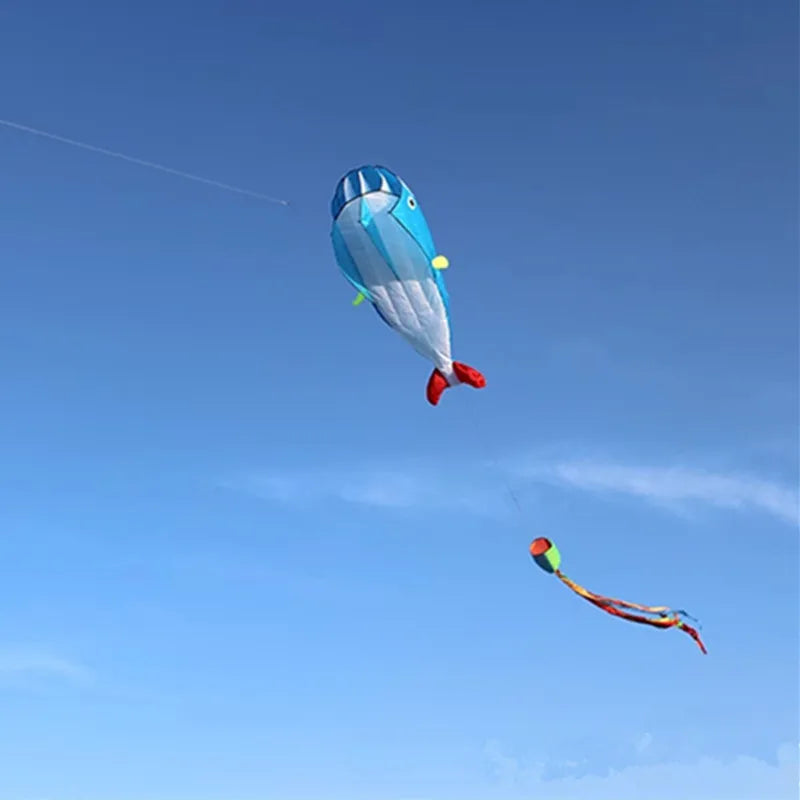
Easy to fly kite setup for stable first launches 💡 See it in action
Why Single Line Kite Flying Builds Confidence Fast
Single line kite flying removes complexity. With only one line to manage, beginners can focus on wind feel, posture, and timing. This simplicity is why single line designs are often considered the easiest kite to fly for first-timers.
- Less tangling and fewer adjustments
- Smoother pull with better balance
- More forgiving during gusts
- Higher kite stability in light wind
Families often pair outdoor play with calming routines found in Baby Growth & Learning, helping kids build coordination and confidence through movement and exploration.
How to Choose the Easiest Kite to Fly
The easiest kite to fly has a wide wingspan, lightweight frame, and balanced tail. These features keep the kite centered in the wind window and reduce sudden dives.
| Feature | Why It Matters |
|---|---|
| Wide sail | Improves lift and stability |
| Single line | Simple control for beginners |
| Soft edges | Reduces damage during crashes |
A good beginner kite like the Whale Dolphin Kite combines visual appeal with steady flight, making it ideal for first launches.
How to Fly a Kites Step by Step
How to fly a kites successfully comes down to preparation. Follow these steps carefully to avoid common beginner mistakes.
- Unroll the kite fully on flat ground
- Check bridle and knots for symmetry
- Attach the line securely
- Stand with your back to the wind
- Let the wind lift before pulling
Many parents treat outdoor kite time as part of wellness routines alongside items from Health & Safety, ensuring play stays safe and stress-free.
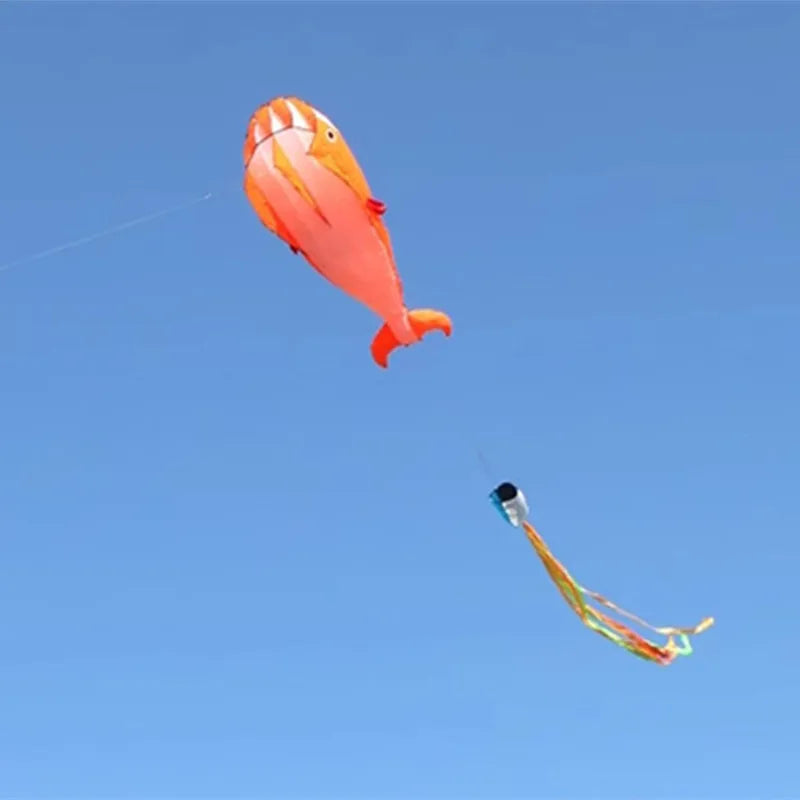
Single line kite flying improves control and kite stability 💡 See it in action
Your First Launch Without Crashes
How to fly a kites on your first launch means resisting the urge to pull hard. Let the wind do the work. Gentle tension keeps the kite centered and climbing smoothly.
Stand relaxed, arms slightly bent. If the kite dips, step backward instead of yanking the line. This technique alone prevents most early crashes.
Why Your Kite Keeps Crashing (And How to Fix It)
If your kite keeps crashing, the issue is usually wind mismatch or over-pulling. Beginners often choose areas with turbulent wind near trees or buildings.
- Move to open space
- Fly during steady breeze
- Check line length
- Use a lighter pull
Pairing calm outdoor play with soothing downtime products from Sleep & Comfort helps children reset after energetic activities.
How to Improve Kite Stability in Changing Wind
Kite stability improves when the tail is fully extended and the bridle angle is correct. Beginners should avoid trimming too early—factory settings are designed for balance.
Choosing an easy to fly kite with a wide sail naturally resists sudden drops, even when wind strength shifts.
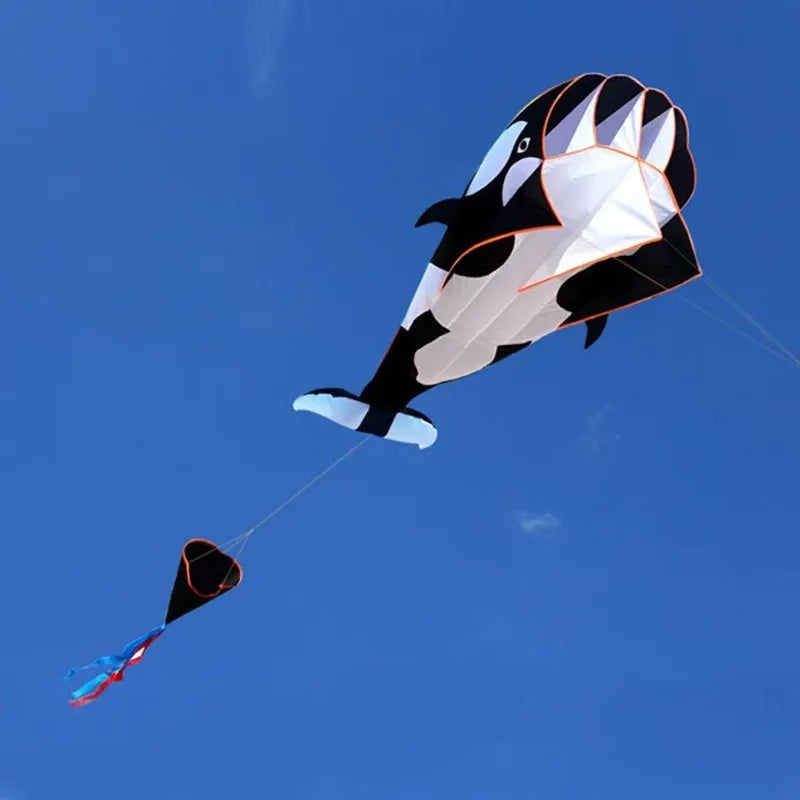
Easiest kite to fly for beginners with steady kite stability 💡 See it in action
Mini FAQ
What wind speed is best for beginners?
Light to moderate wind is ideal. Too strong makes control difficult, while too light prevents lift.
Is a single line kite better for kids?
Yes. Single line kite flying is simpler, safer, and easier to manage.
Why does my kite spin?
Spinning usually means uneven tension or turbulent wind. Adjust your position and relax the line.
What makes a good beginner kite?
A good beginner kite has balanced design, soft materials, and reliable kite stability.





