

How to improve concentration using simple fidget techniques
How can you improve concentration using simple fidget techniques?
How to improve concentration often starts with small physical movements that calm the nervous system and steady attention. Simple fidget techniques help redirect restless energy, reduce stress, and support working memory. When used consistently, the right fidget devices for focus can increase task endurance and make concentration easier during study or work.
⏱ 8 min read
How to Improve Concentration Using Simple Fidget Techniques
Struggling to stay focused while studying, working, or managing daily responsibilities? Many students and professionals experience difficulty focusing and concentrating, especially during long tasks or screen-heavy days. The good news is that learning how to improve concentration doesn’t require drastic lifestyle changes. Sometimes, the simplest tools—like intentional fidget techniques—can make the biggest difference.
Quick question: Have you ever noticed that tapping a pen or squeezing a stress ball helps you think more clearly? That small habit may be doing more for your brain than you realize.
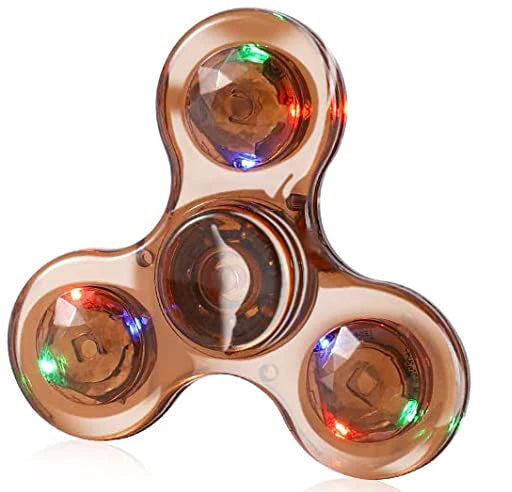
Simple fidget devices for focus can support how to improve concentration during daily tasks. 💡 See it in action
Why Concentration Feels So Hard Today
Modern life constantly pulls attention in multiple directions. Notifications, multitasking, and long periods of sitting can overload the brain. This overload often shows up as difficulty focusing and concentrating, even on tasks we care about.
- Too much screen time without physical movement
- Stress and mental fatigue
- Lack of sensory input that keeps the brain alert
- Long work or study sessions without breaks
For parents, caregivers, and professionals alike, these challenges can affect productivity, mood, and confidence. That’s why accessible tools to improve concentration matter more than ever.
The Science Behind Fidgeting and Focus
Fidgeting isn’t a distraction—it’s often a regulation tool. Research in cognitive psychology suggests that small repetitive movements can help maintain optimal arousal levels in the brain. When the brain is slightly stimulated, attention improves.
Fidget devices for focus work by:
- Engaging tactile senses
- Releasing excess nervous energy
- Supporting sustained attention
- Reducing stress-related restlessness
This is especially helpful during tasks that require listening, reading, or problem-solving.
How to Improve Concentration Using Simple Fidget Techniques
How to improve concentration starts with pairing mental effort with gentle physical input. Simple fidget techniques help balance stimulation and calm, allowing the brain to stay engaged longer. Used correctly, these tools to improve concentration can support memory, focus, and task completion without disrupting your workflow.
- Choose one small fidget tool that feels comfortable in your hand
- Use it only during focus-heavy tasks
- Keep movements slow and repetitive
- Notice when your attention starts to drift, then re-engage
Step-by-Step Guide to Using Fidgets Effectively
- Identify your focus window: Decide when you need the most concentration.
- Select the right tool: Smooth, quiet, and easy to control works best.
- Pair with deep breathing: This enhances calming effects.
- Limit use to focus time: This trains your brain to associate the tool with attention.
These steps help transform fidgeting from a habit into a purposeful technique.
Best Fidget Devices for Focus
Not all fidgets are the same. The best options support focus without becoming distracting.
| Type | Best For | Benefit |
|---|---|---|
| Spinners | Visual thinkers | Rhythmic motion calms attention |
| Clickers | Tactile learners | Satisfying feedback reduces restlessness |
| Stress cubes | Long sessions | Multiple textures for sustained use |
One popular option is a compact spinner designed for smooth, quiet rotation. You can explore this option here as an example of a practical focus aid.
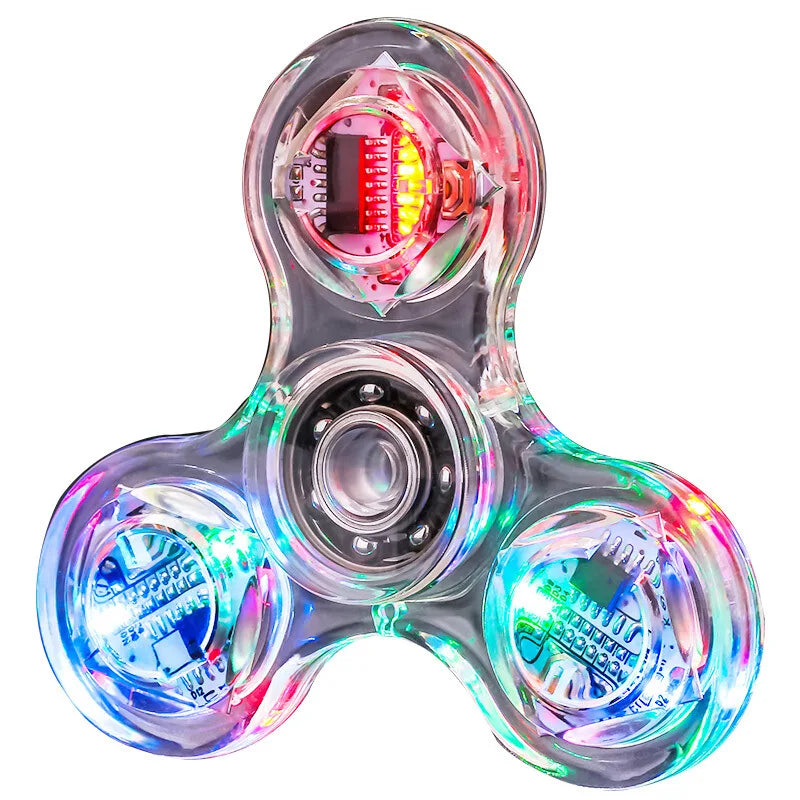
Tools to improve concentration can fit easily into study or work routines. 💡 See it in action
Using Fidget Tools in Daily Routines
Consistency matters. Fidget techniques work best when integrated naturally into your day.
- During online classes or meetings
- While reading or studying
- During planning or brainstorming sessions
- When managing stress-heavy tasks
For families, pairing focus tools with calming environments—like those found in Sleep & Comfort or Massage & Relaxation—can support overall mental clarity.
Reducing Stress to Improve Mental Clarity
Stress directly interferes with concentration. Simple fidget techniques help lower stress responses by giving the body a physical outlet.
Combining fidgets with wellness habits such as gentle movement, hydration, and mindful breaks creates stronger results. Collections like Beauty & Wellness offer complementary tools that support calm and focus.
Common Mistakes to Avoid
- Using noisy or visually overwhelming fidgets
- Switching tools too frequently
- Using fidgets during passive entertainment
- Ignoring posture and breathing
Awareness helps ensure fidget devices for focus remain helpful rather than distracting.
Real Experiences and Results
Many students and professionals report noticeable improvements after introducing simple fidget techniques.
- “I can sit through meetings without zoning out.”
- “My study sessions last longer with less stress.”
- “I feel calmer and more in control of my focus.”
These experiences highlight how small tools to improve concentration can lead to meaningful changes.
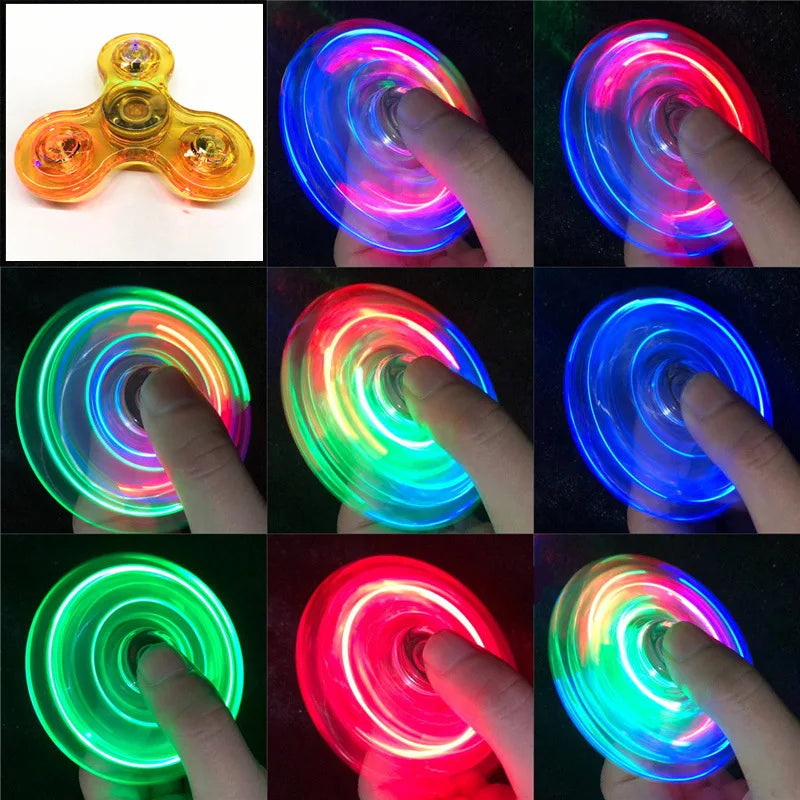
Fidget devices for focus support mental clarity and attention improvement. 💡 See it in action
Frequently Asked Questions
Do fidget tools really help with concentration?
Yes. When used intentionally, fidget tools provide sensory input that supports sustained attention and reduces mental fatigue.
Are fidget devices only for children?
No. Many adults use discreet fidget devices for focus during work, study, and creative tasks.
How long should I use a fidget during tasks?
Use it for the duration of focus-heavy activities, then set it aside to maintain effectiveness.





